
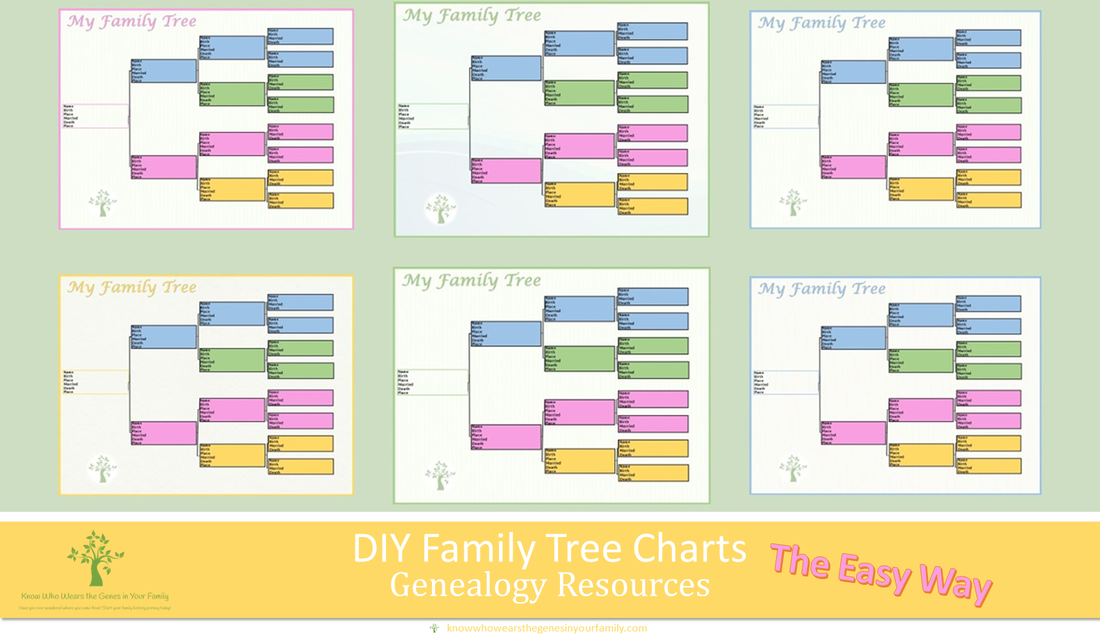
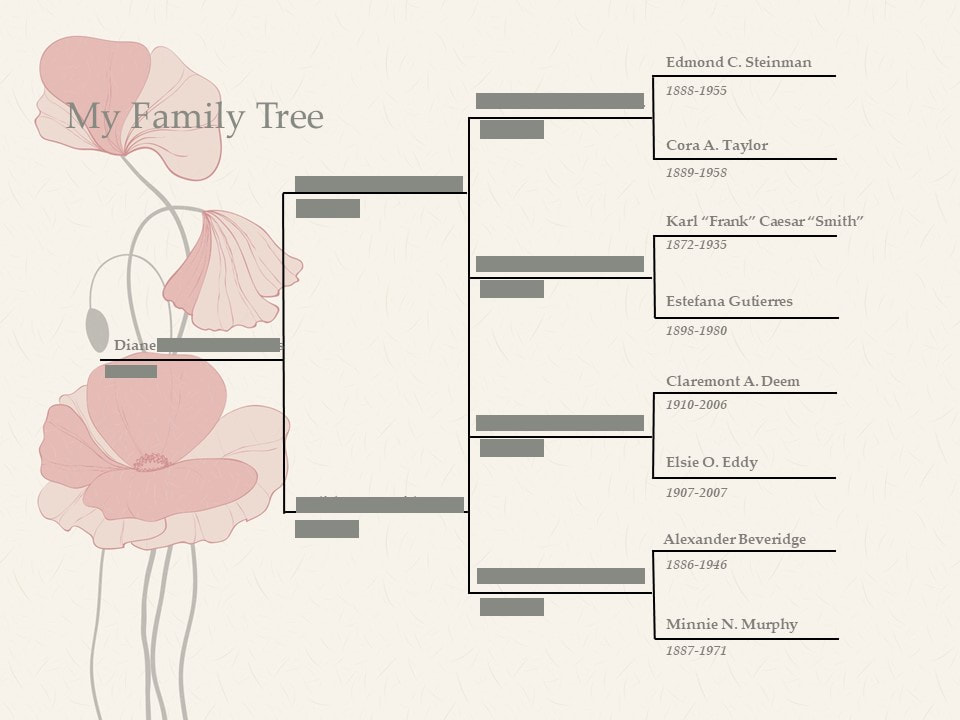
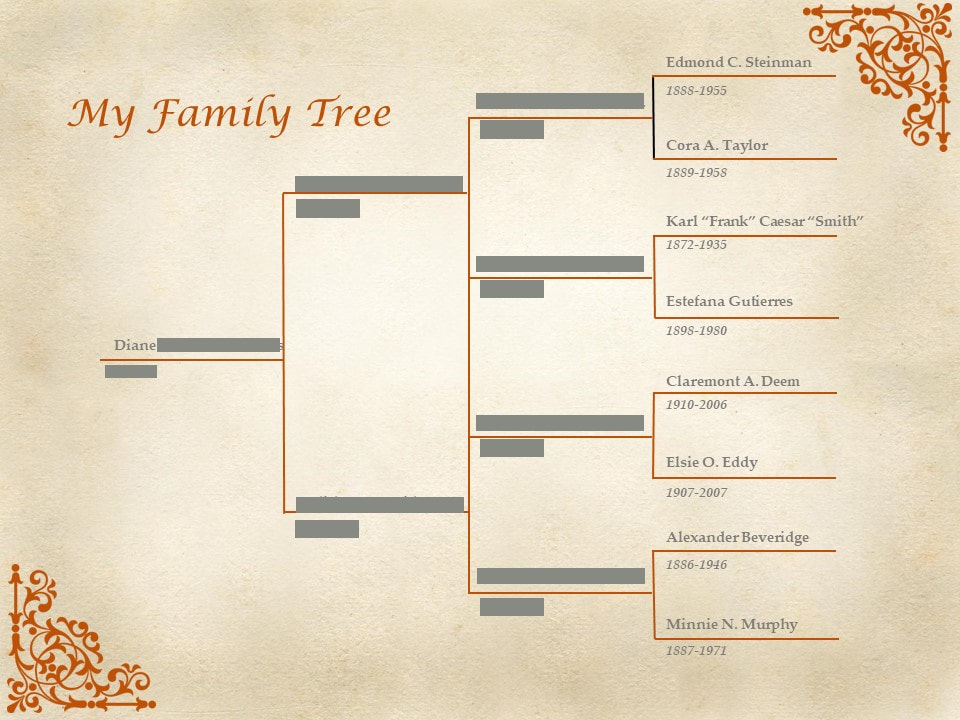
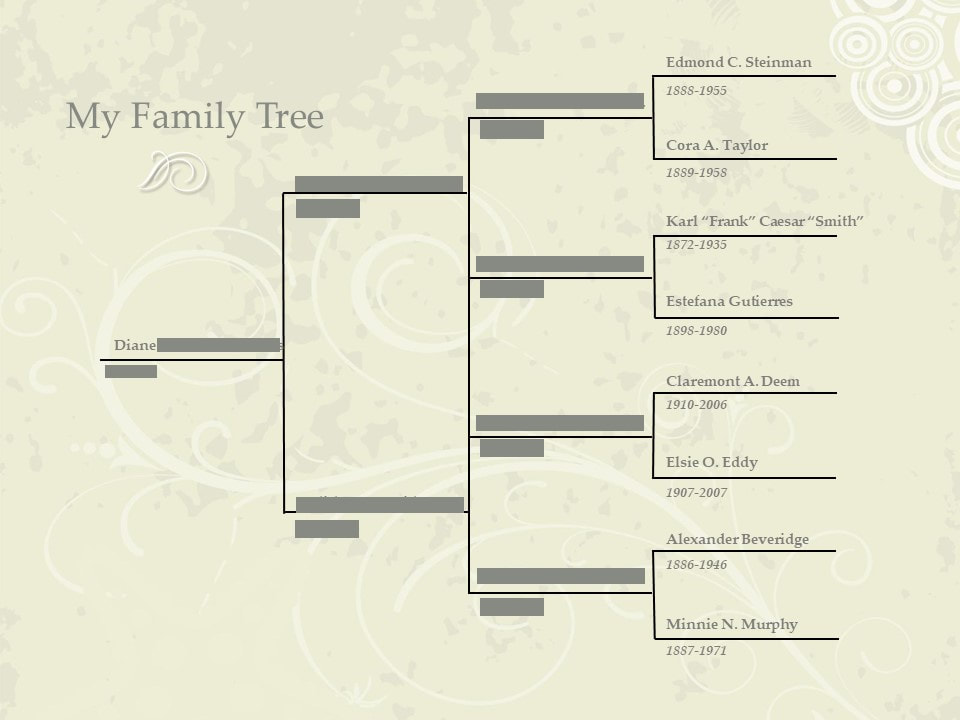
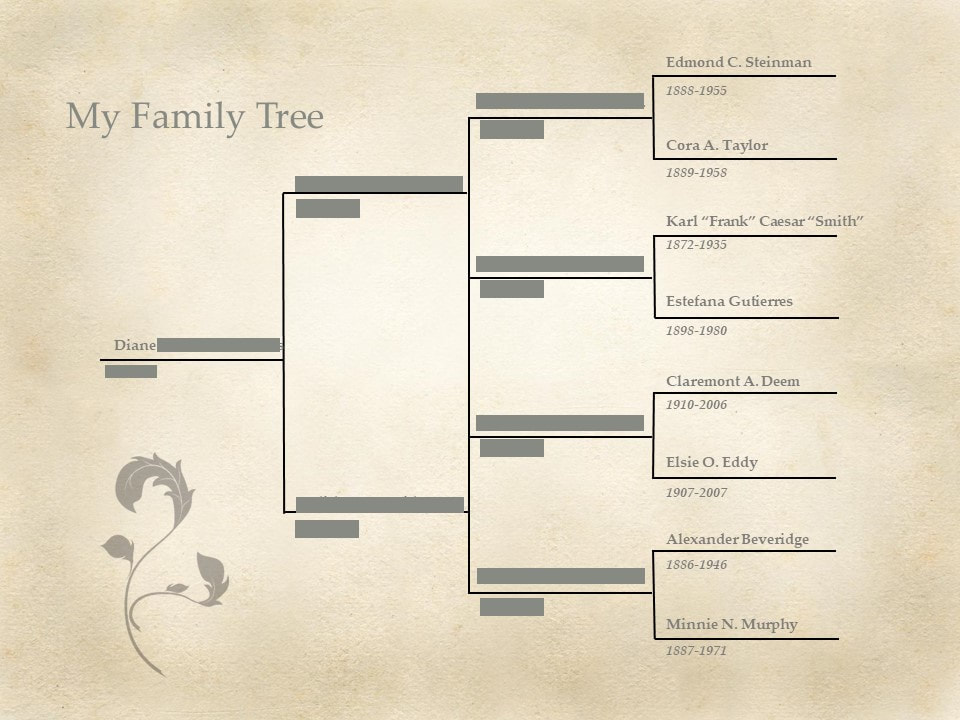
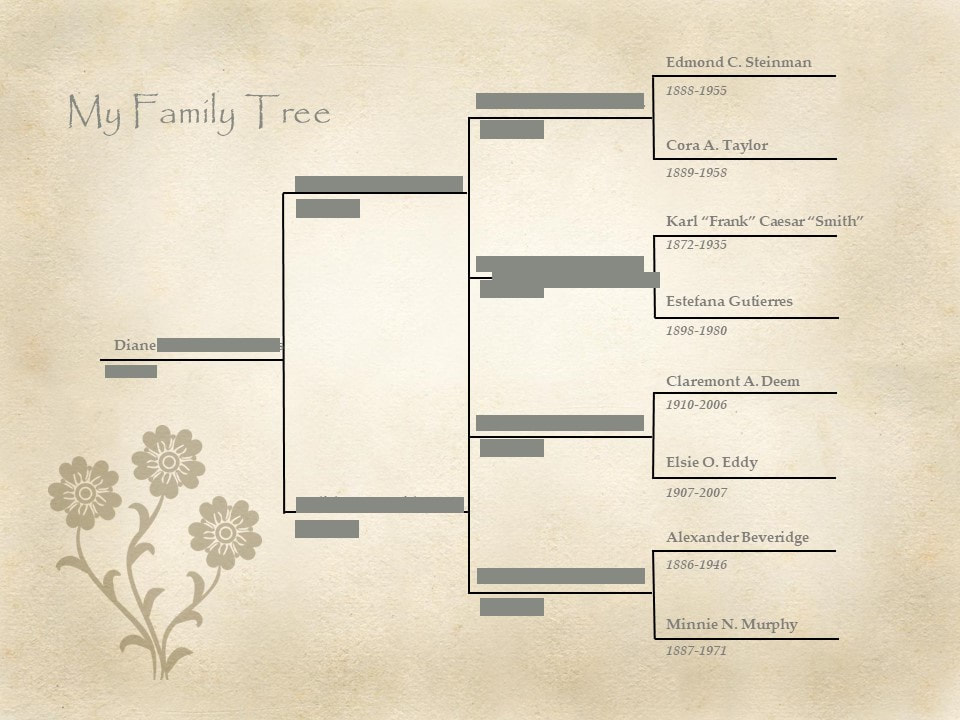
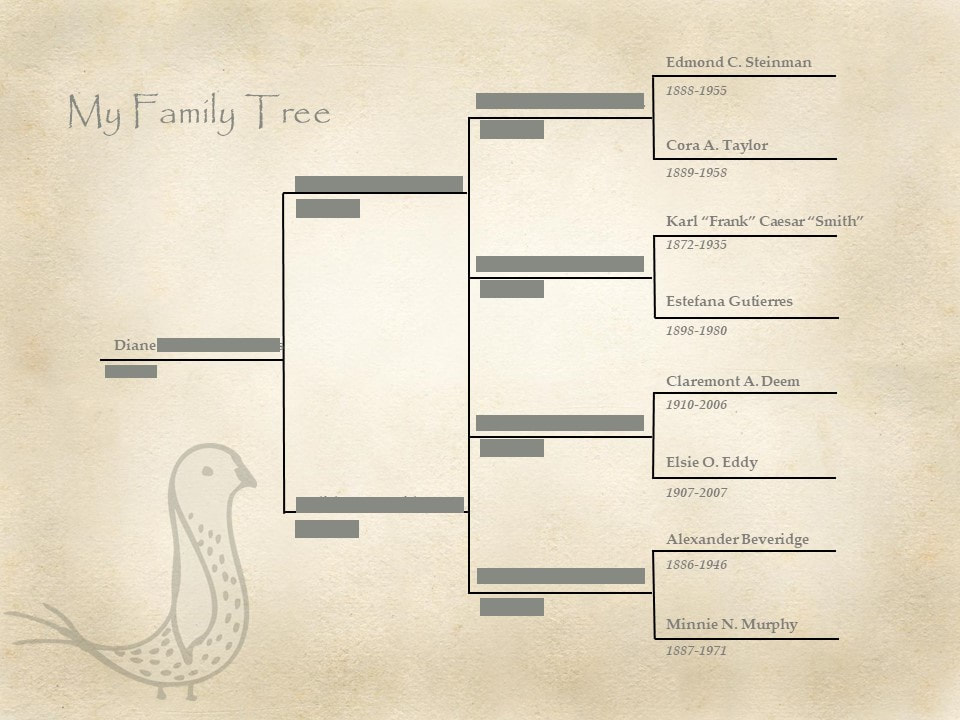
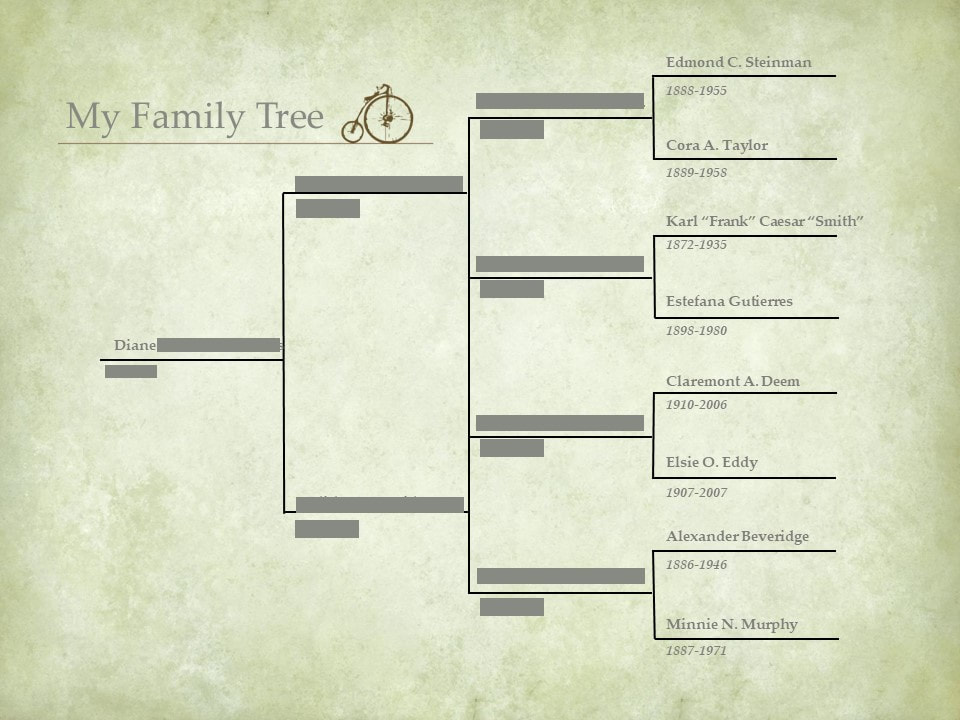
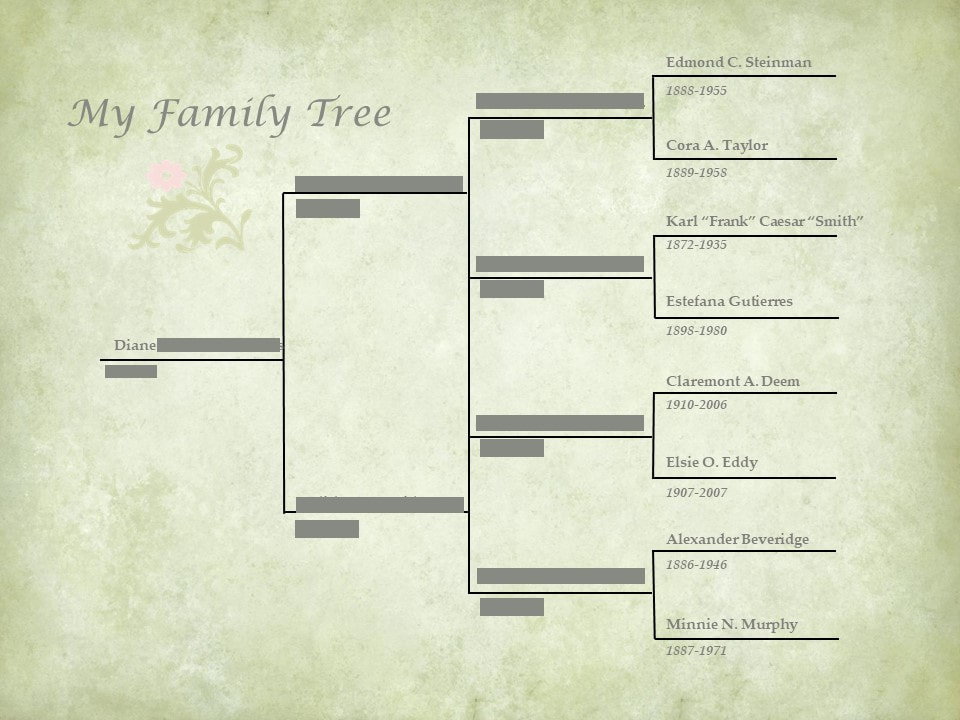
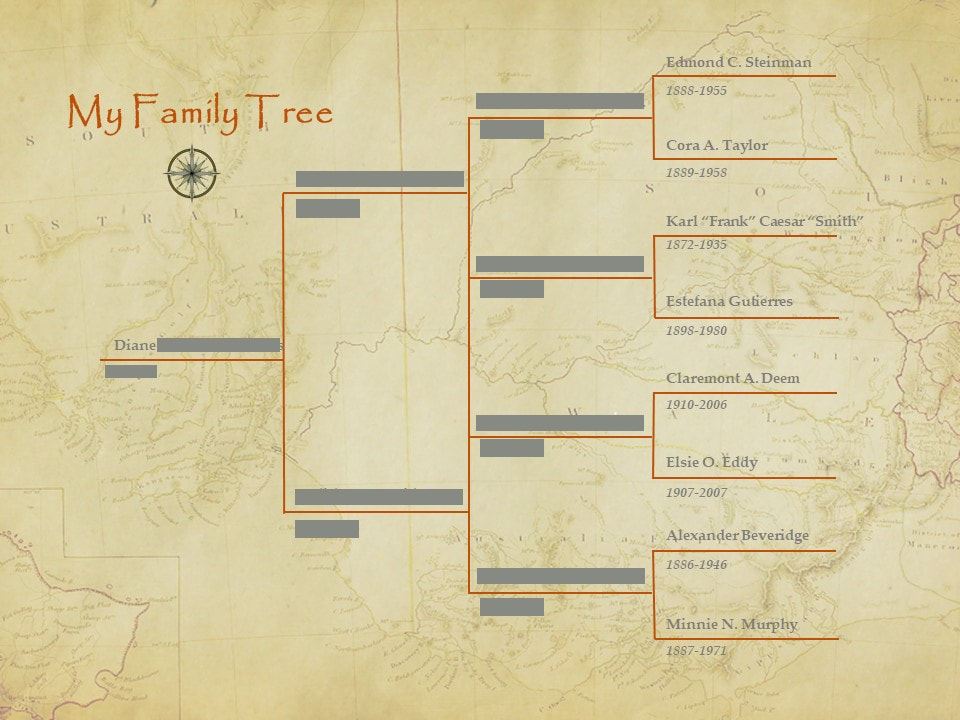
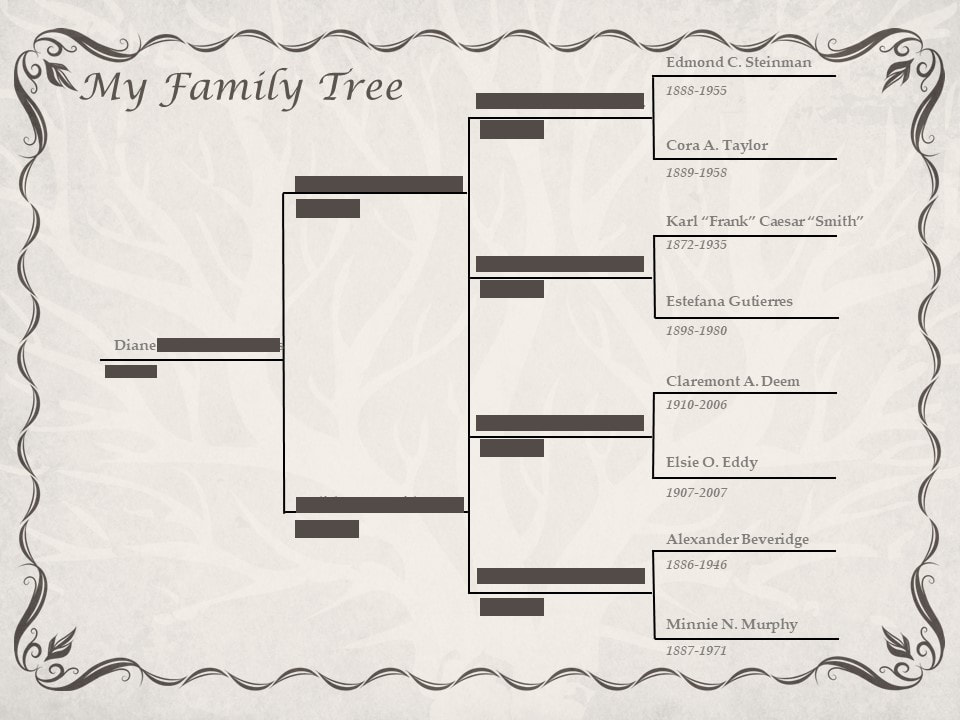
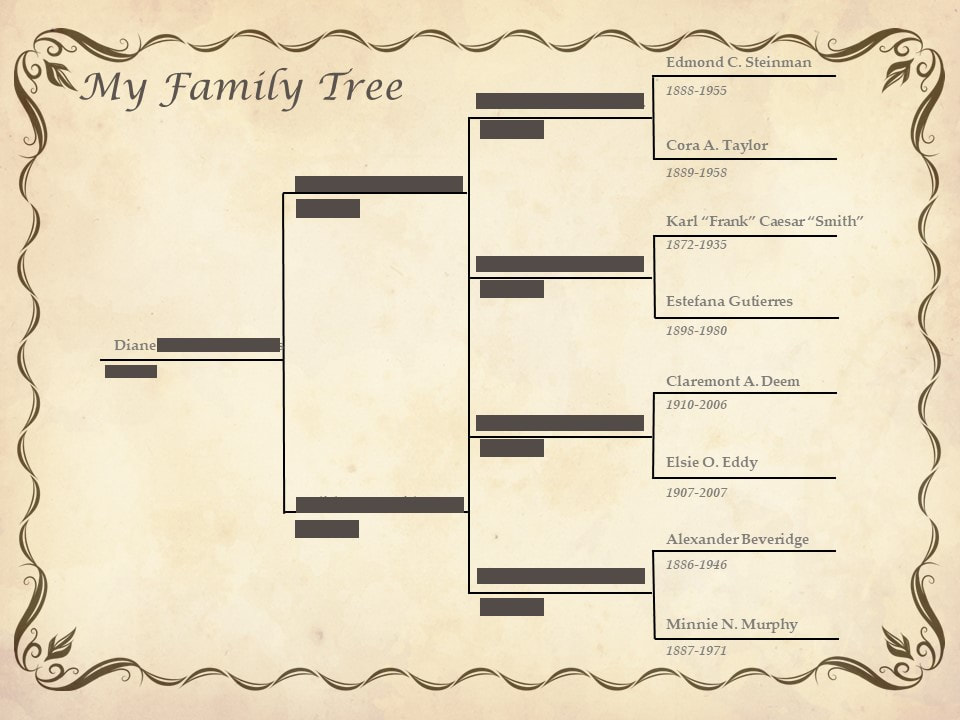
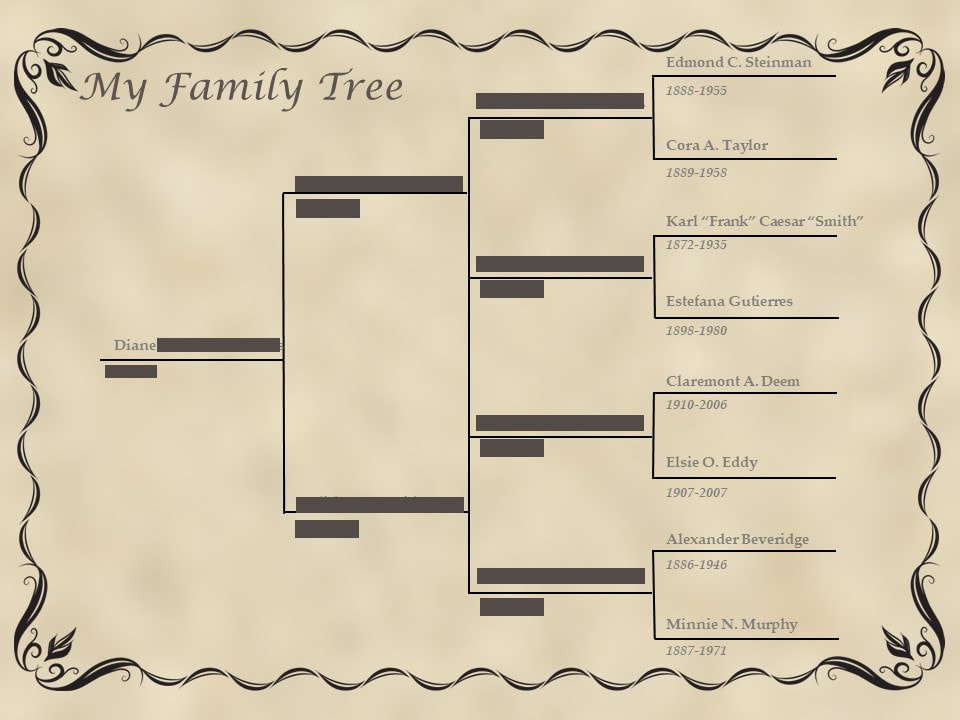
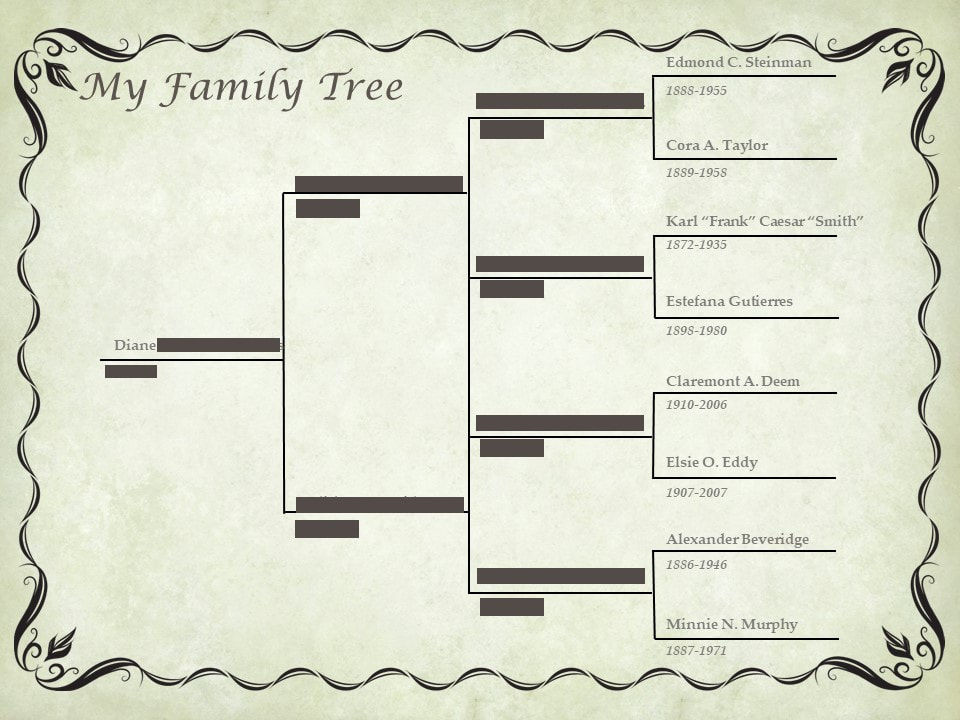
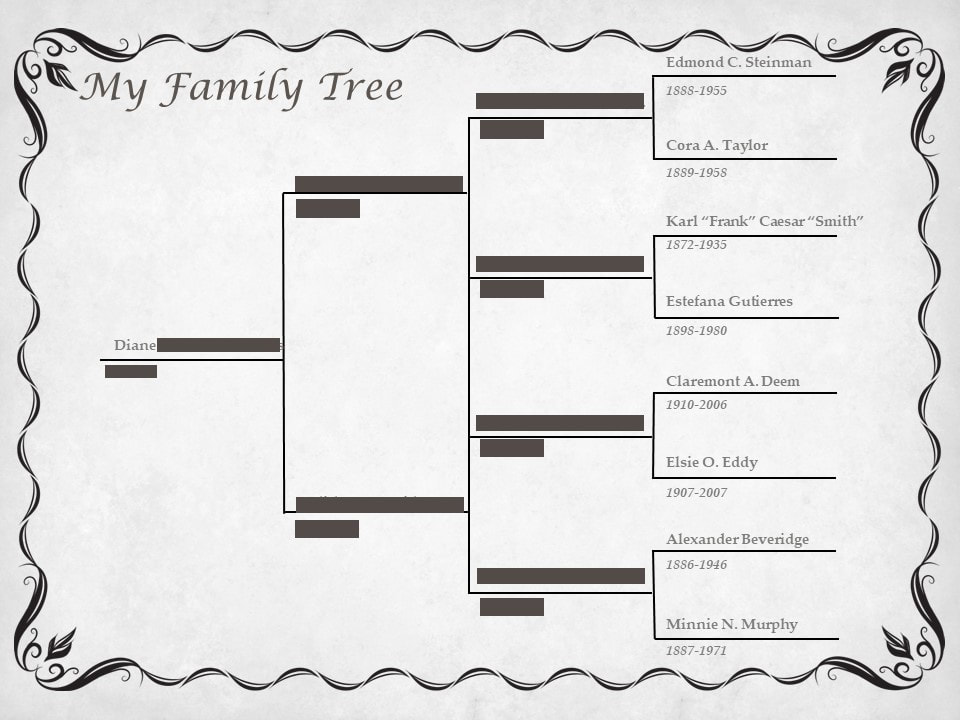
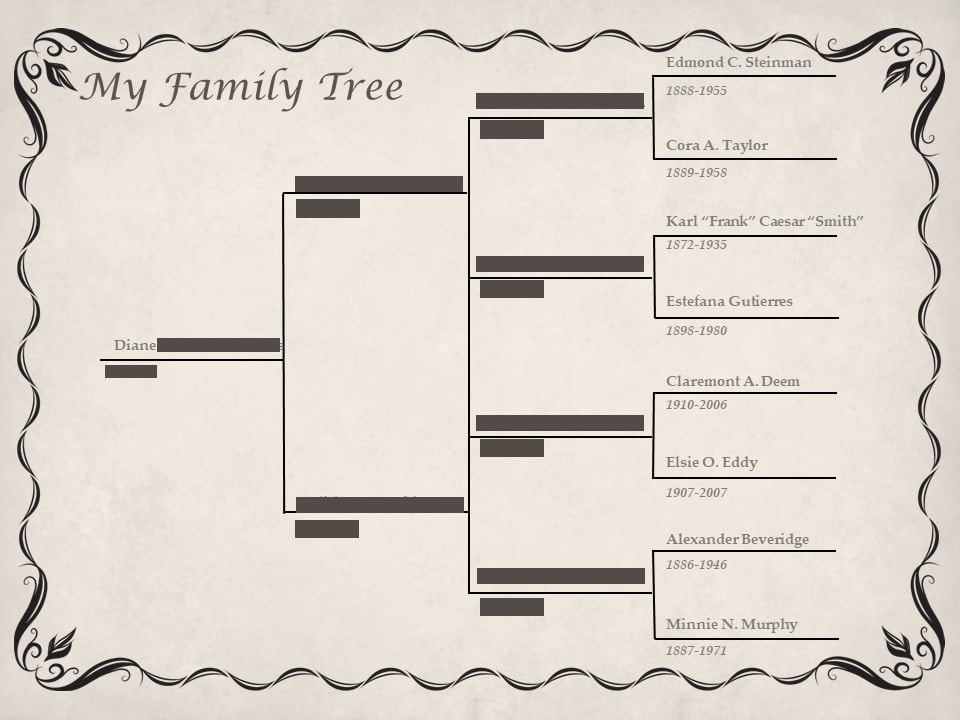
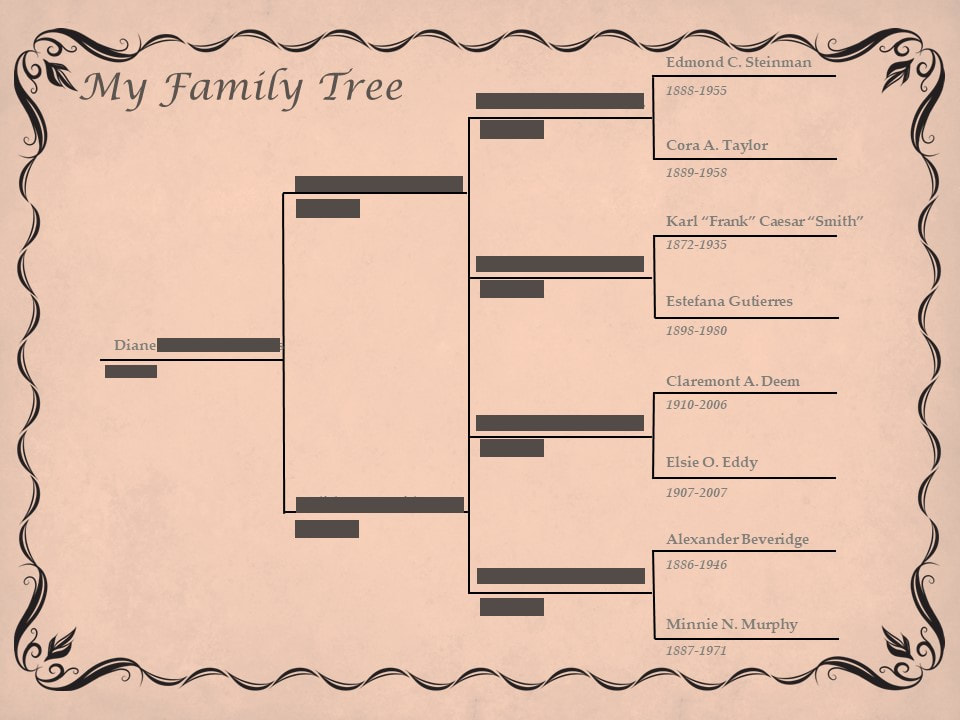
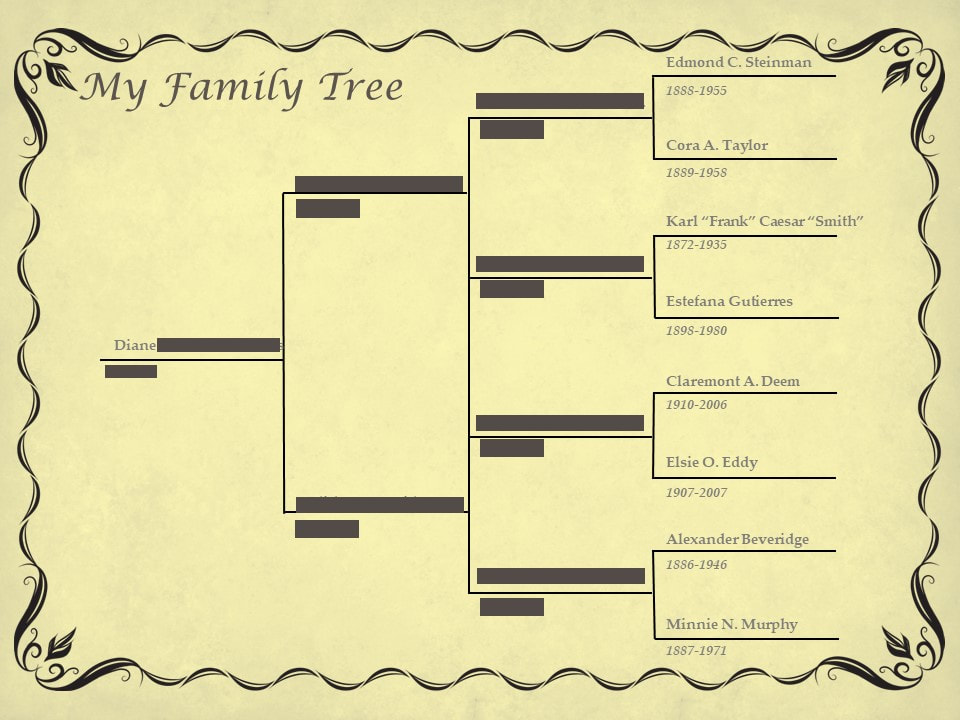
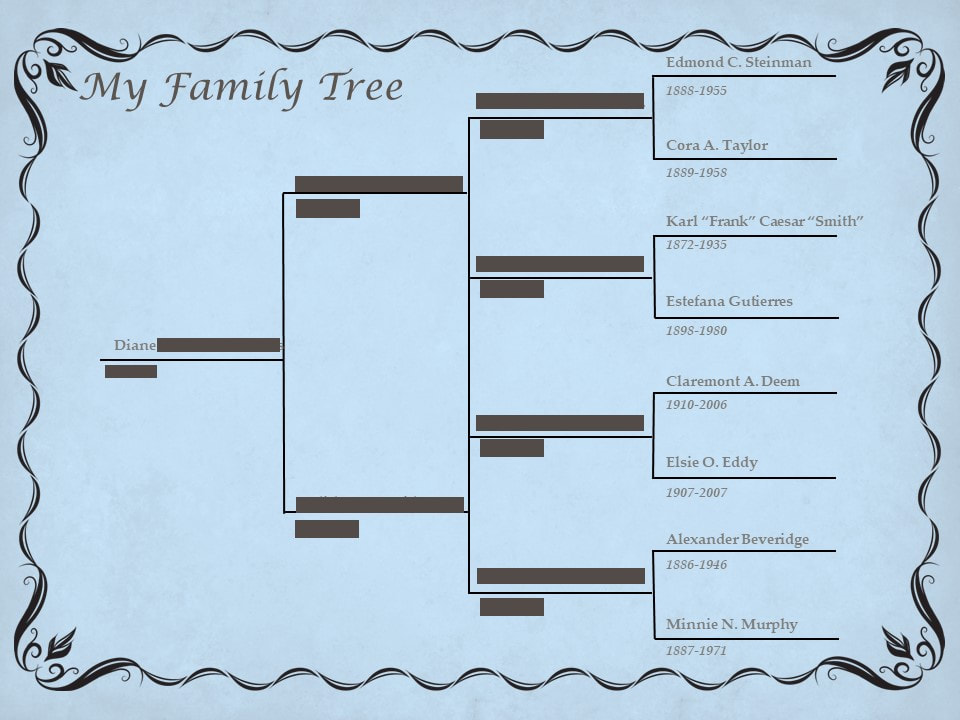
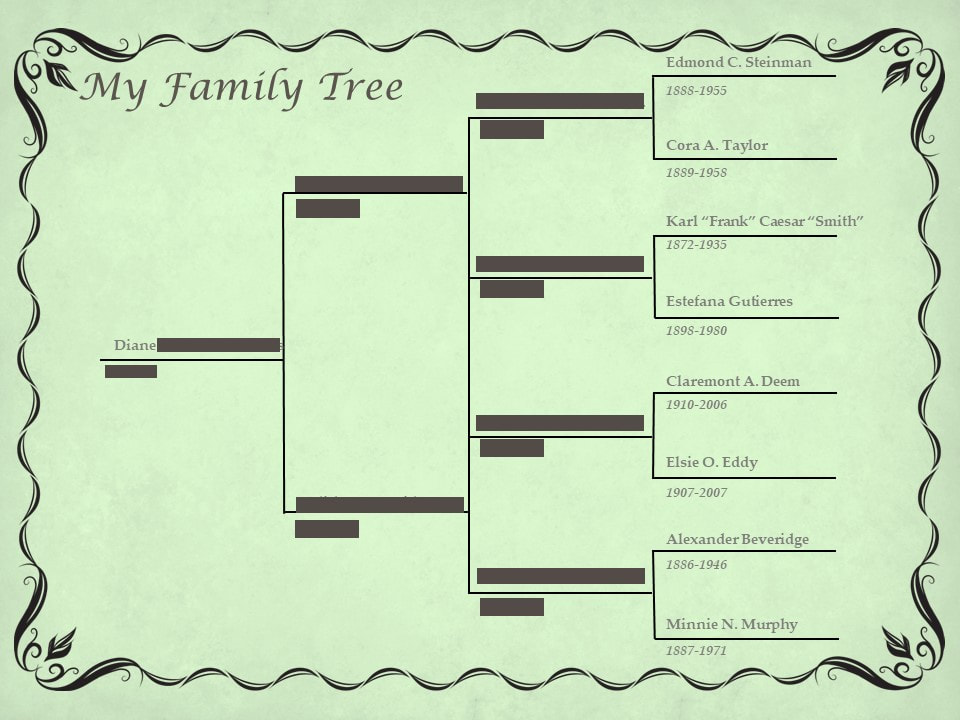
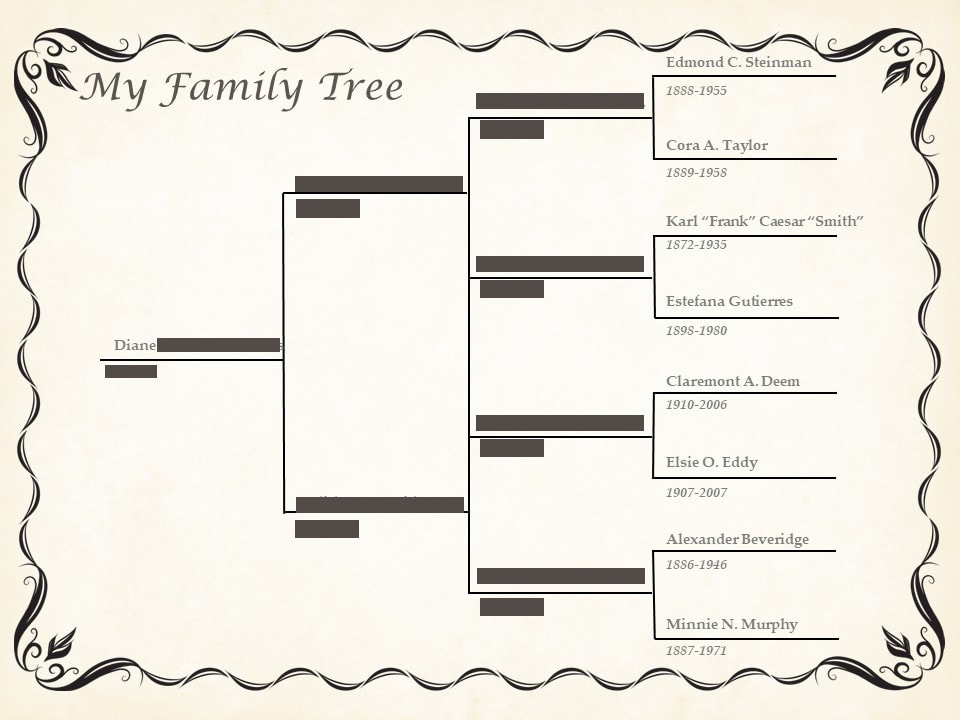
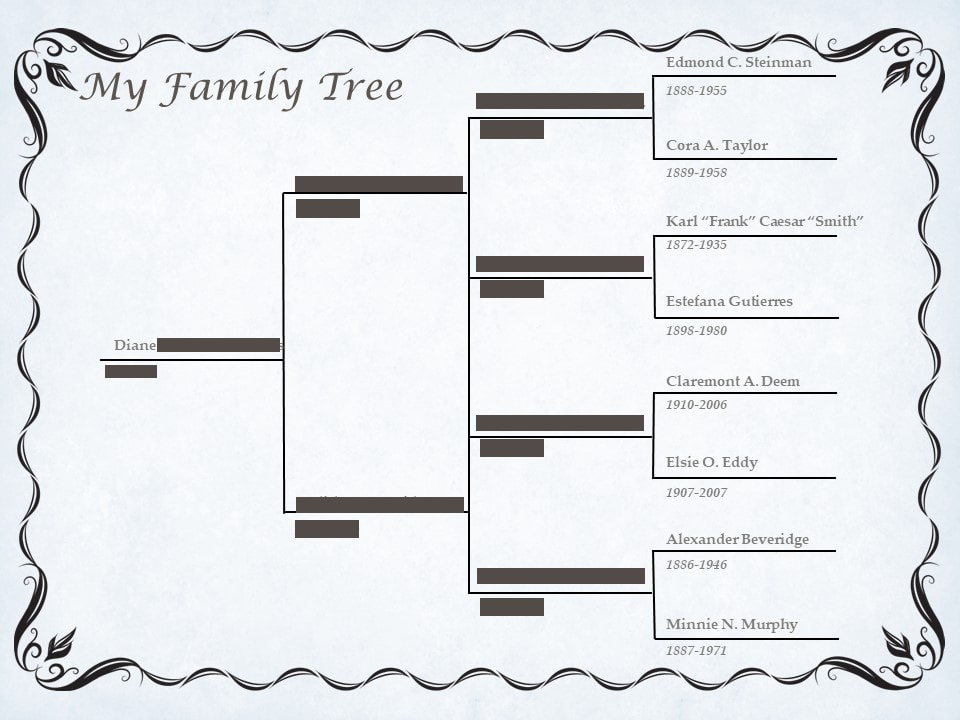
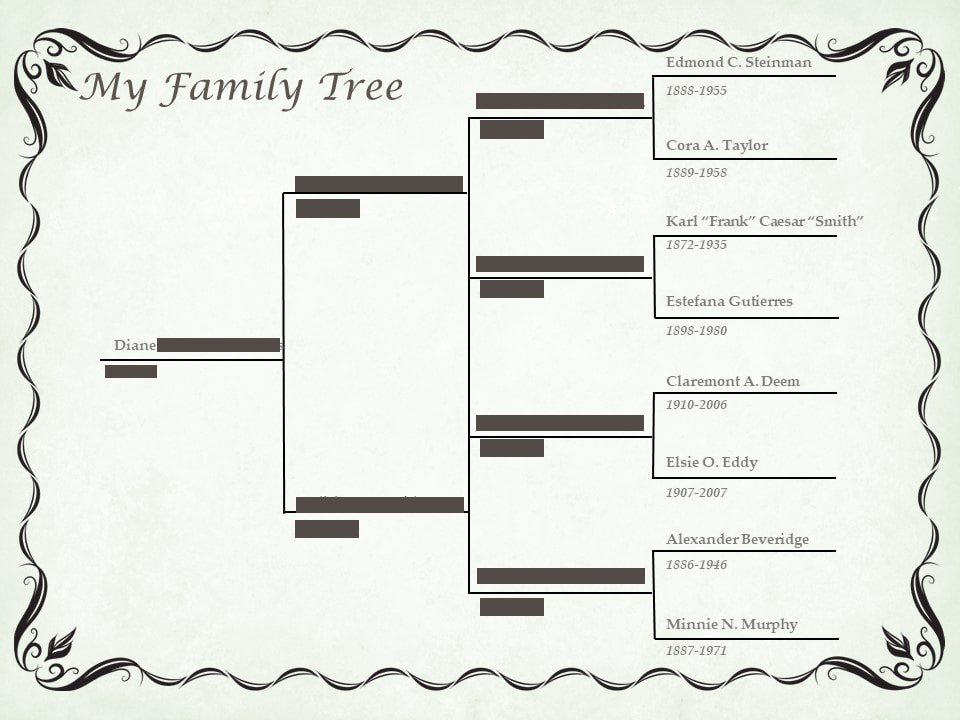
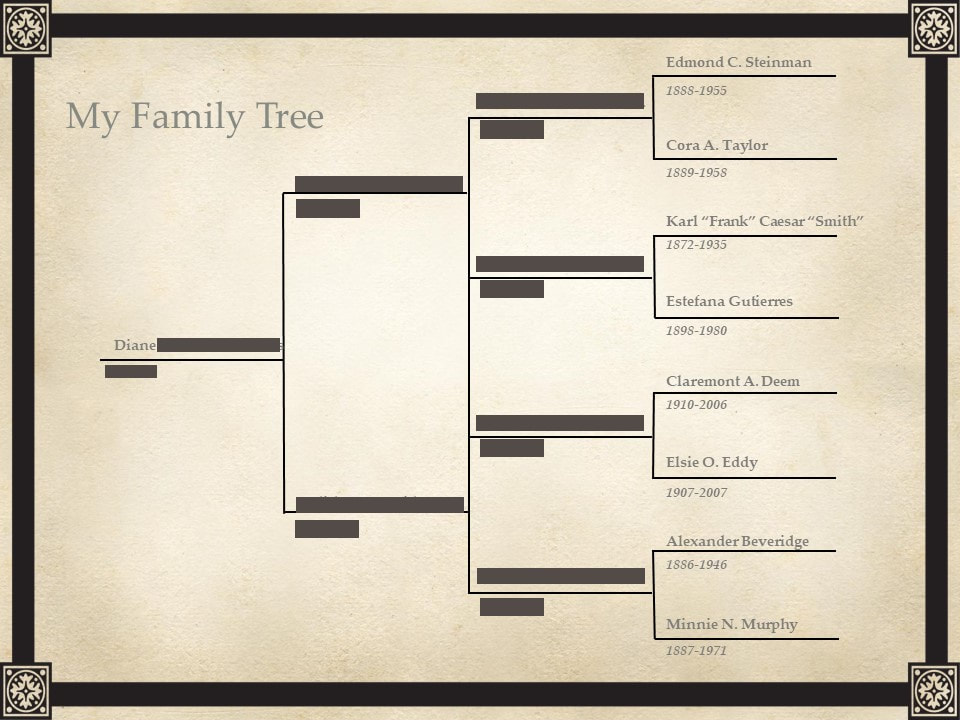
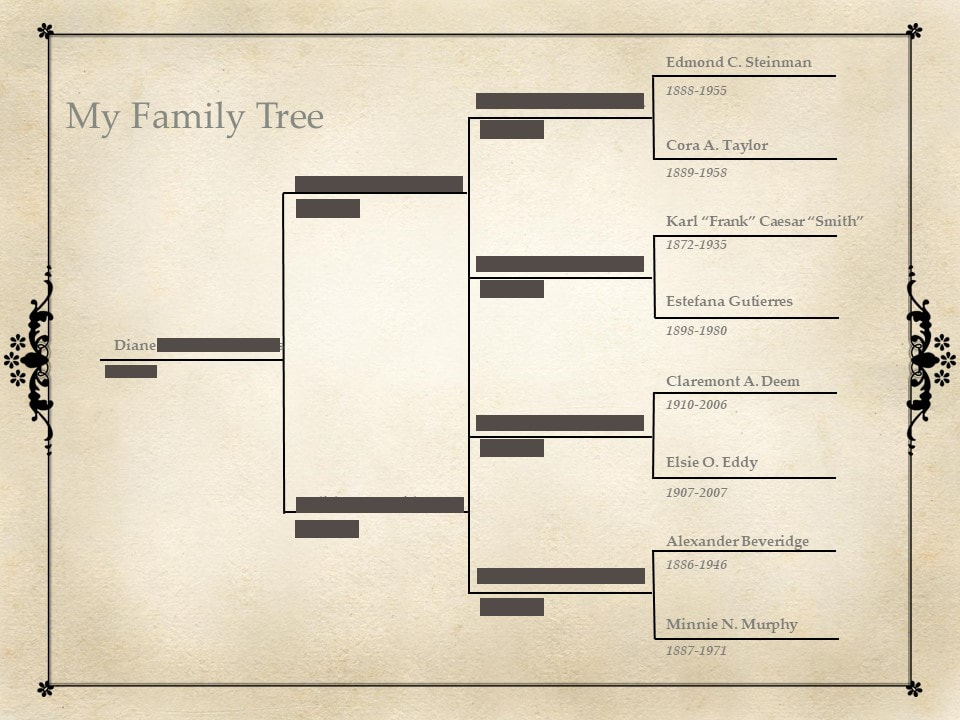
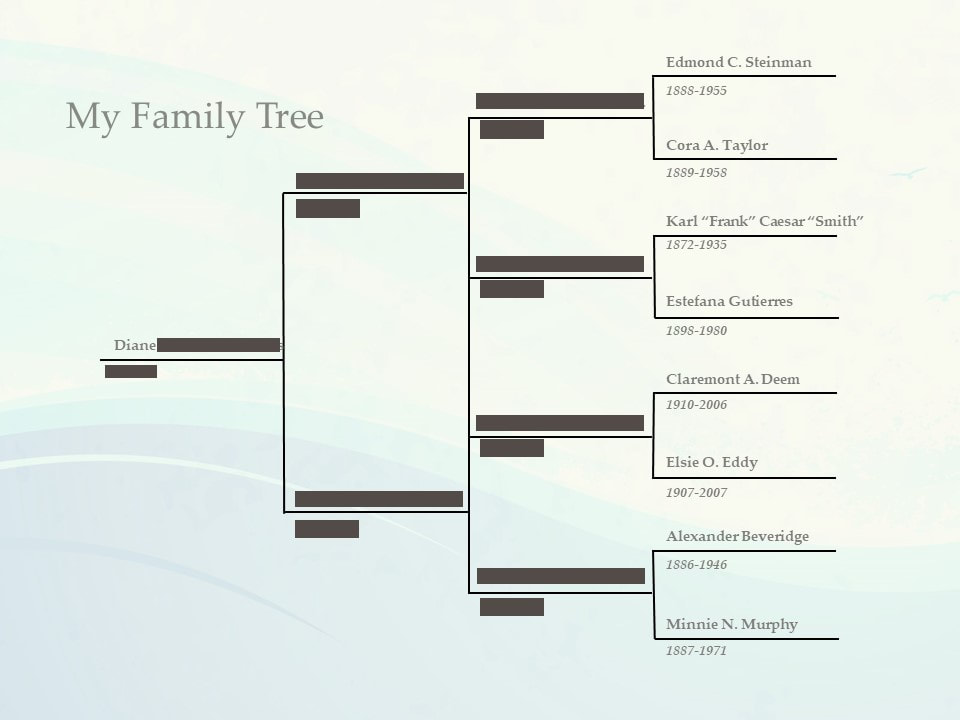
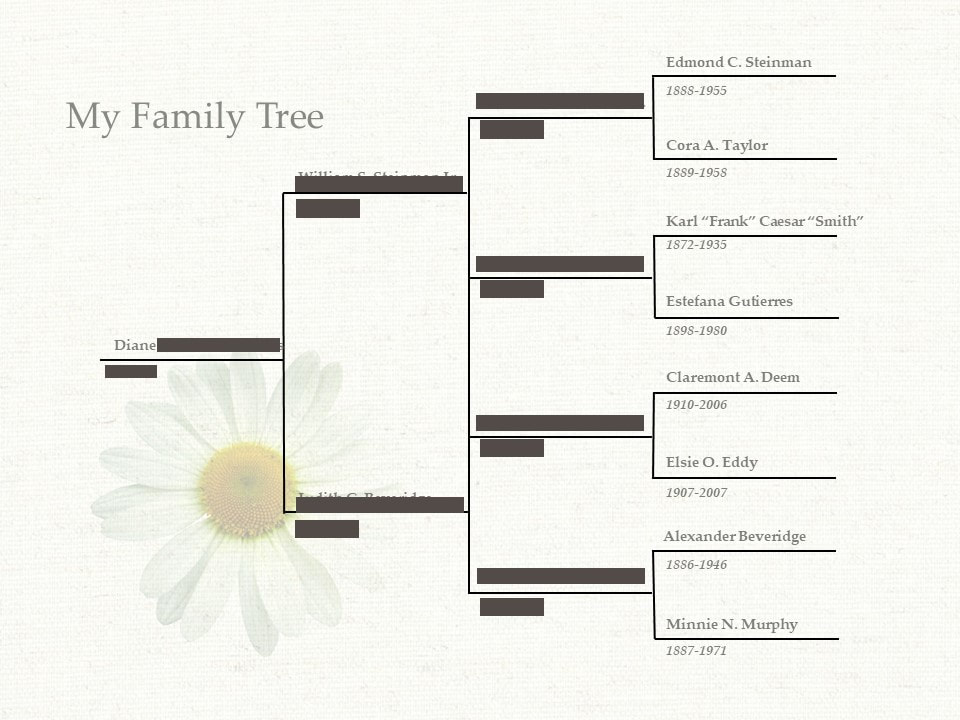
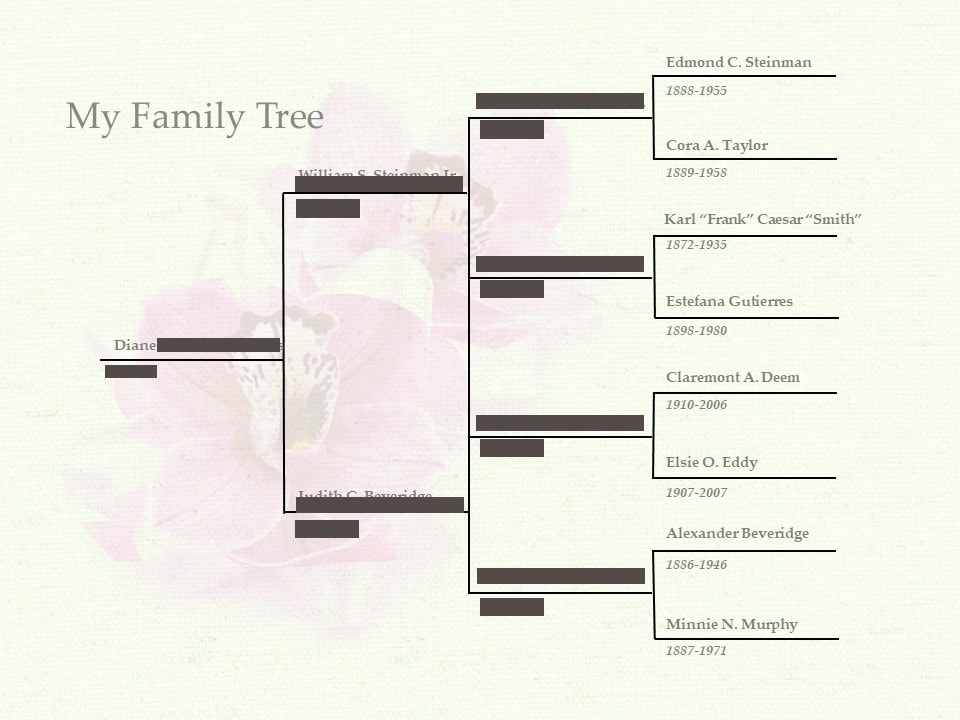
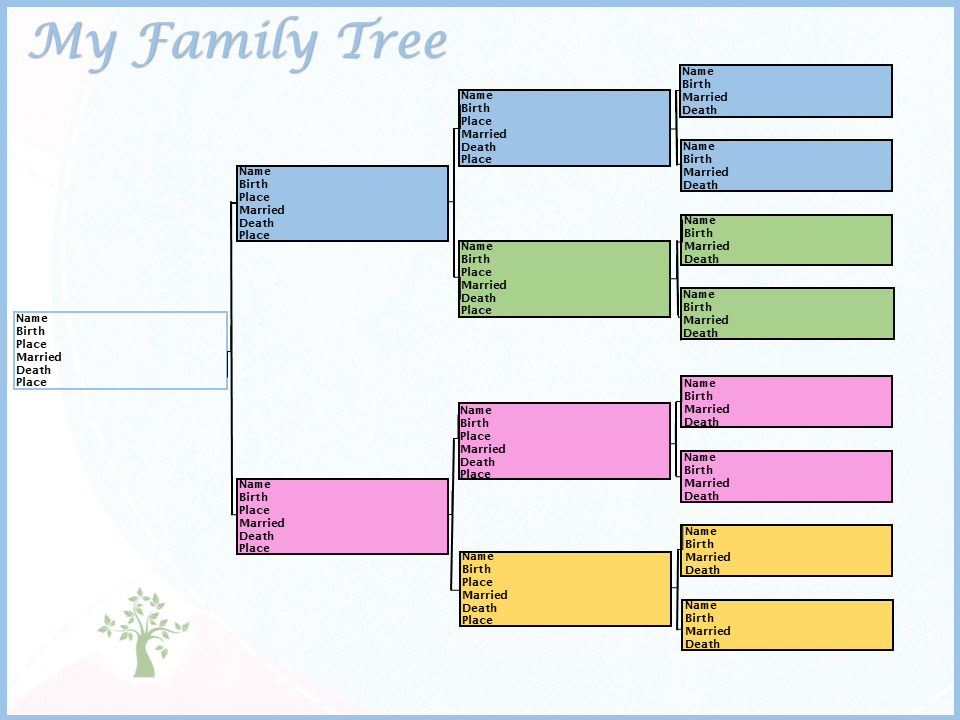
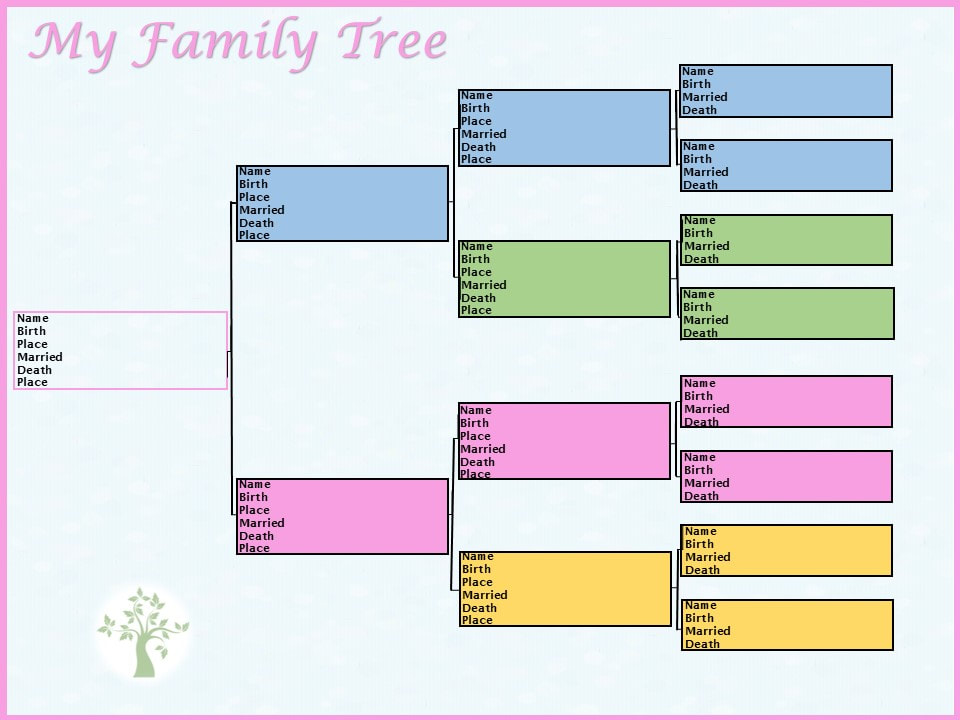
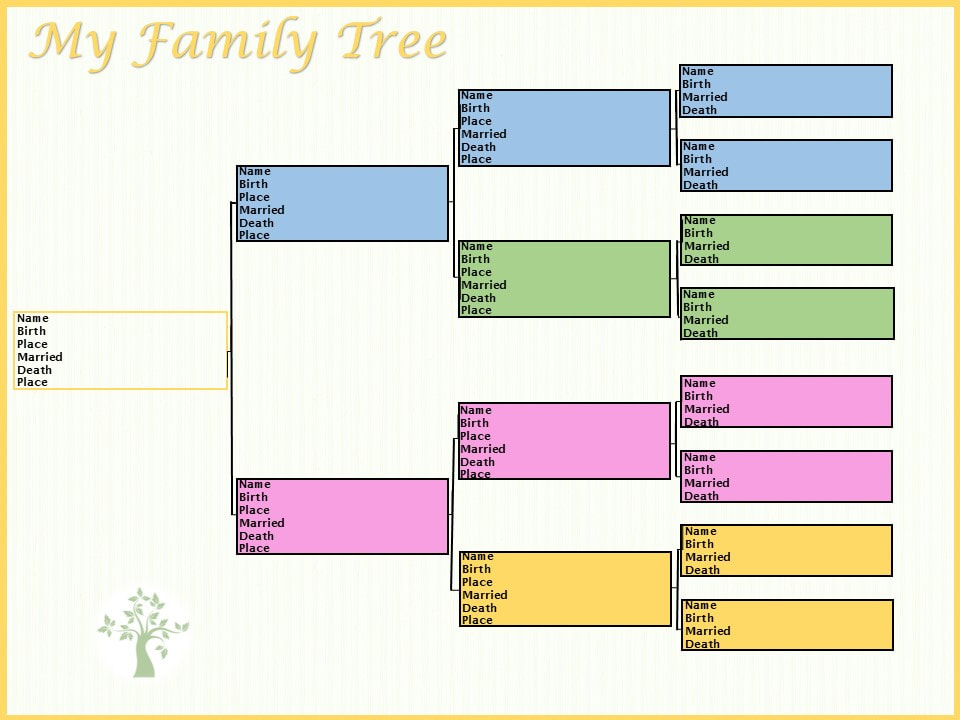
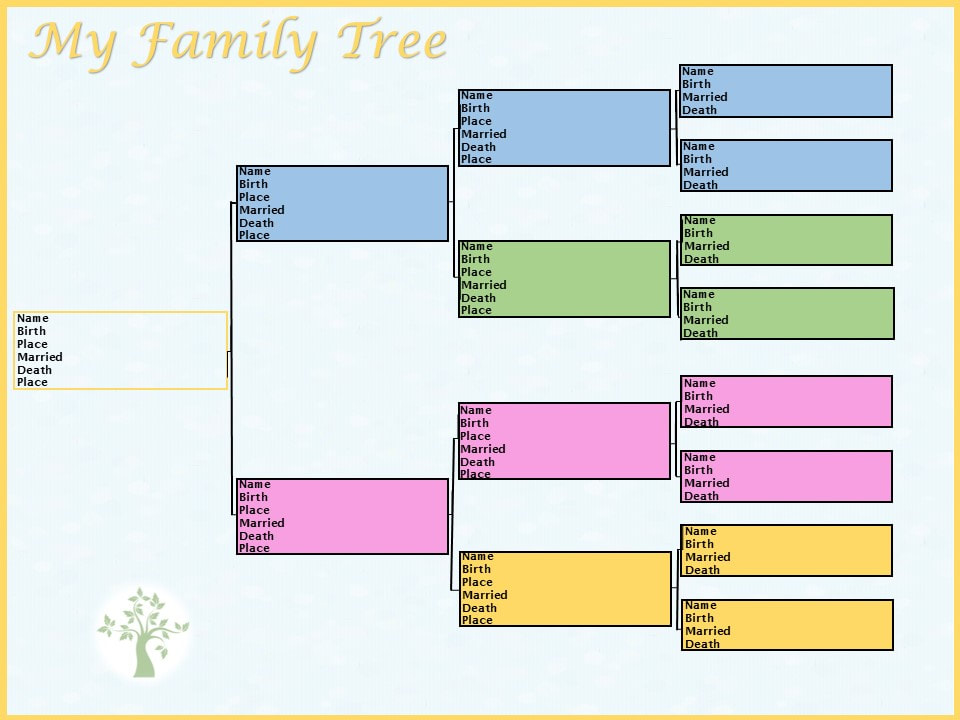
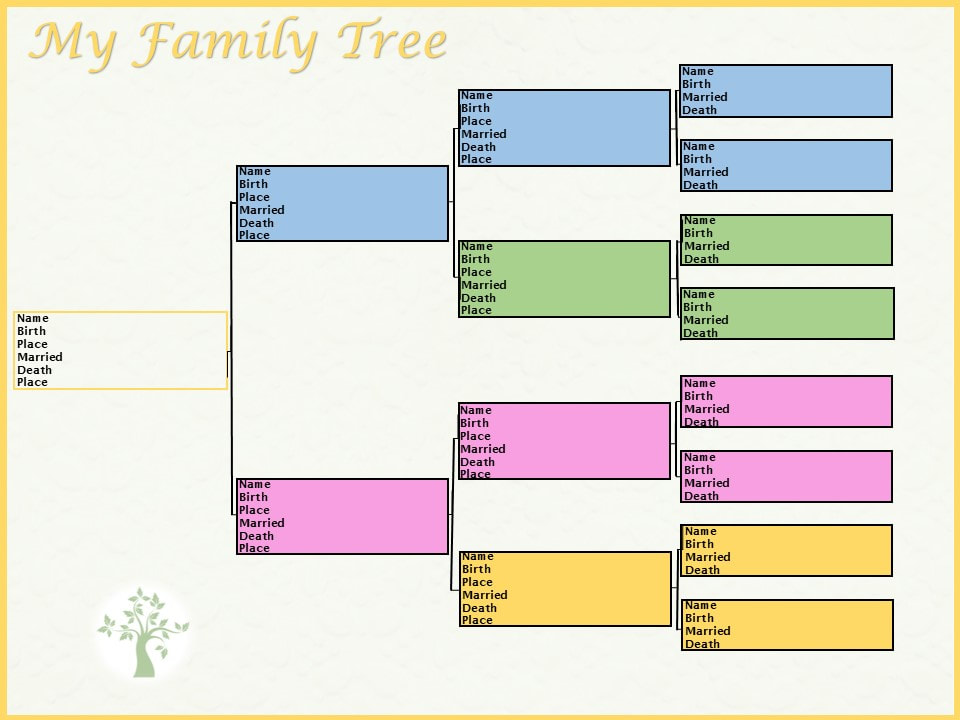
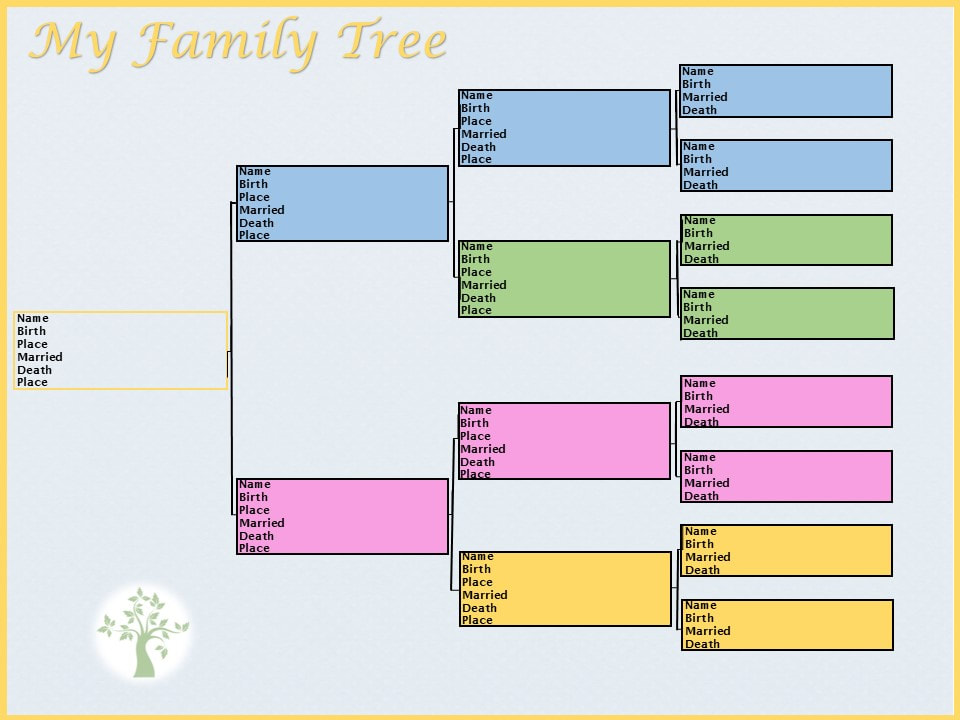
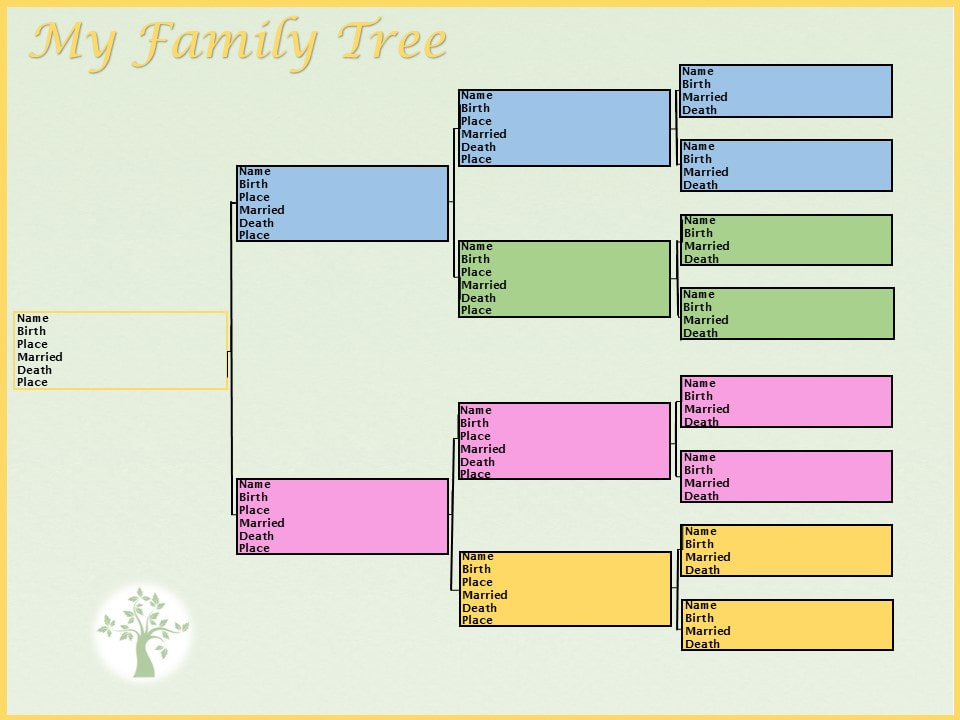
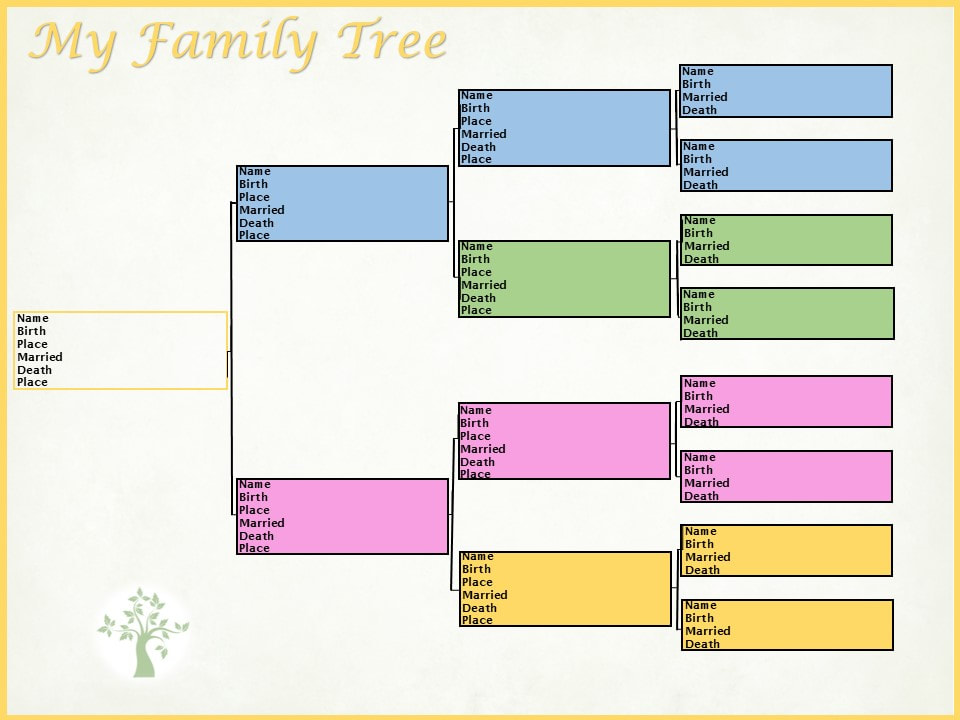
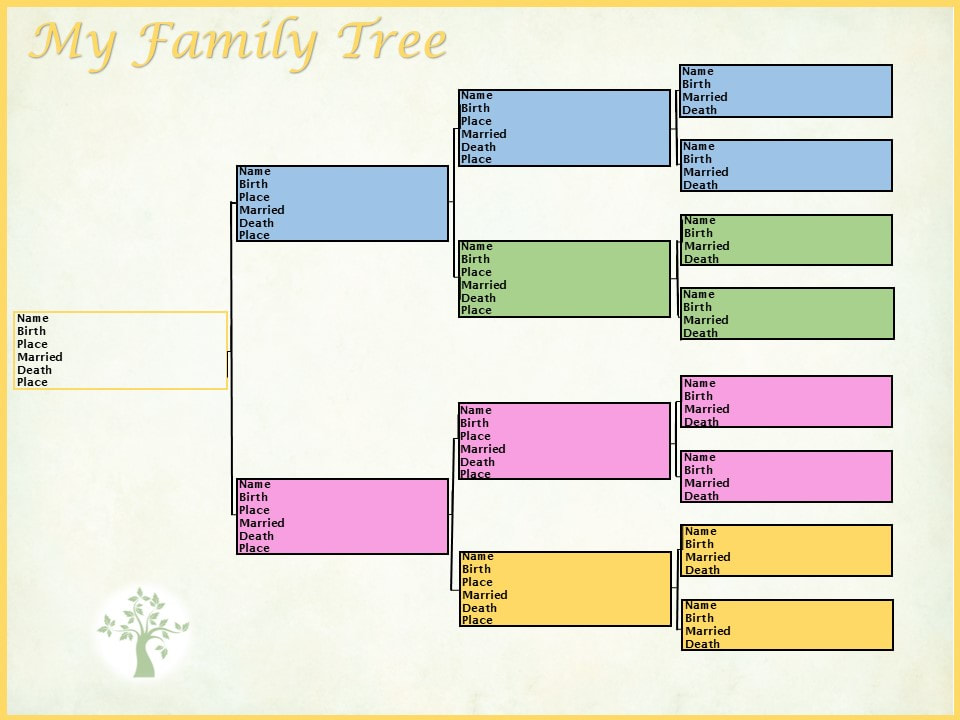
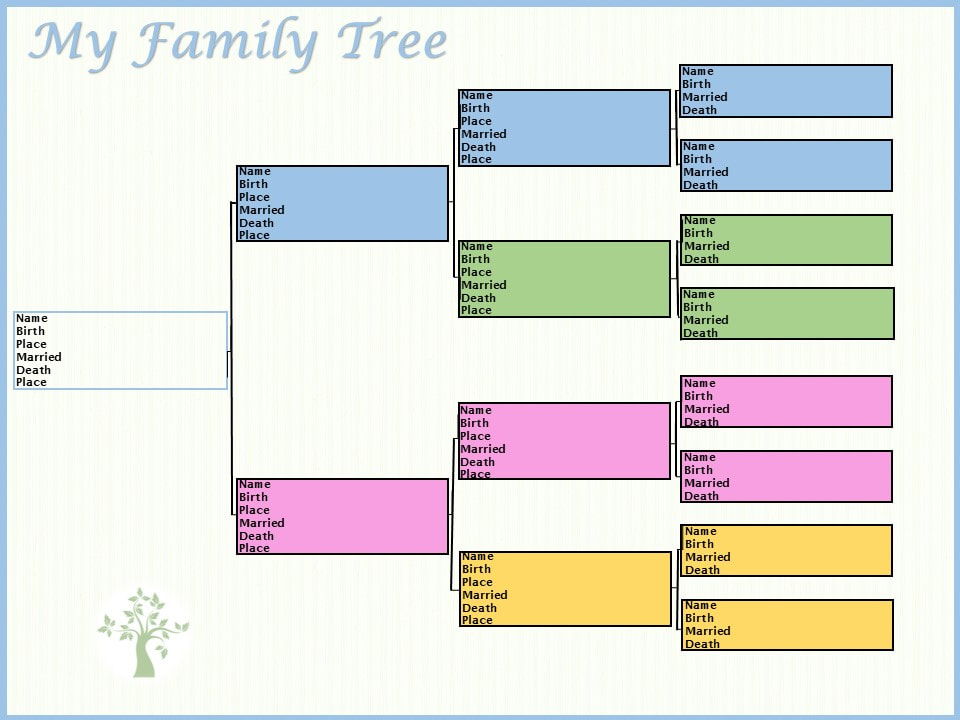
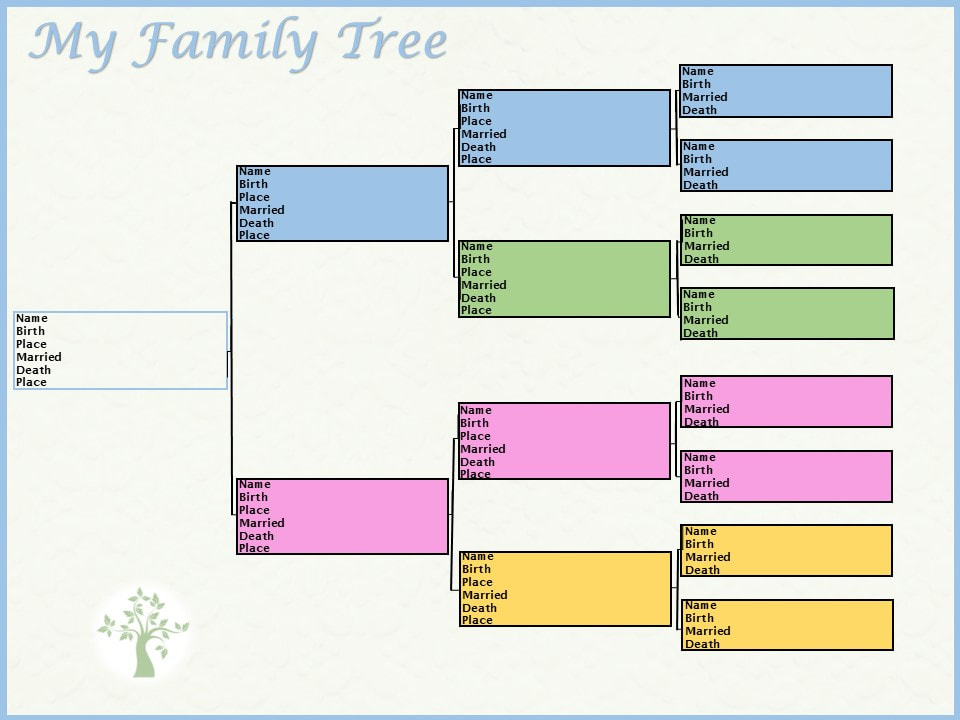
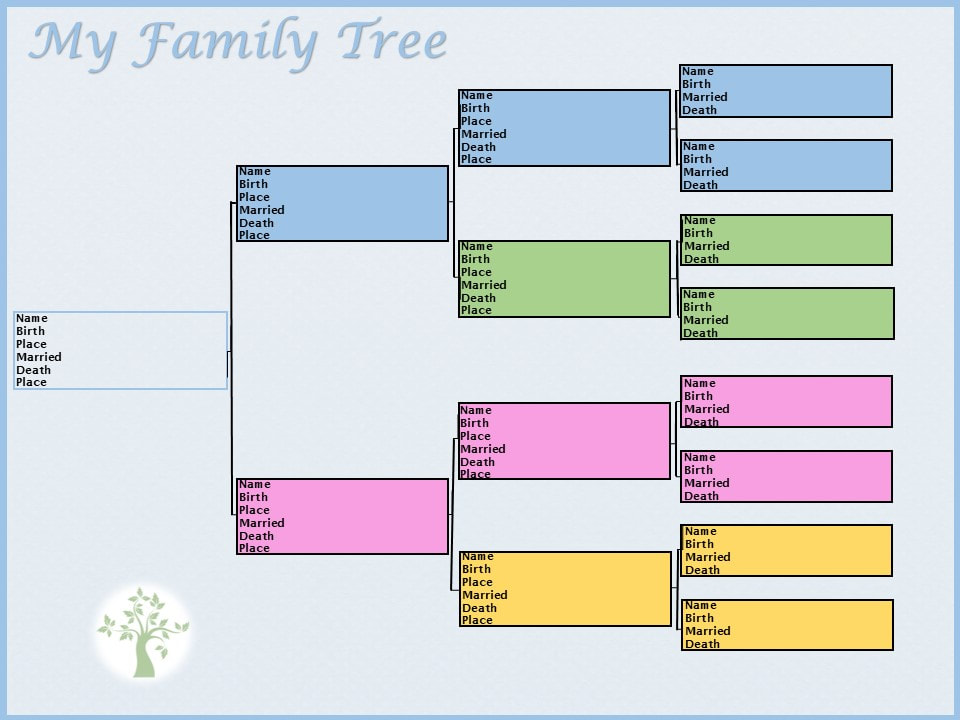
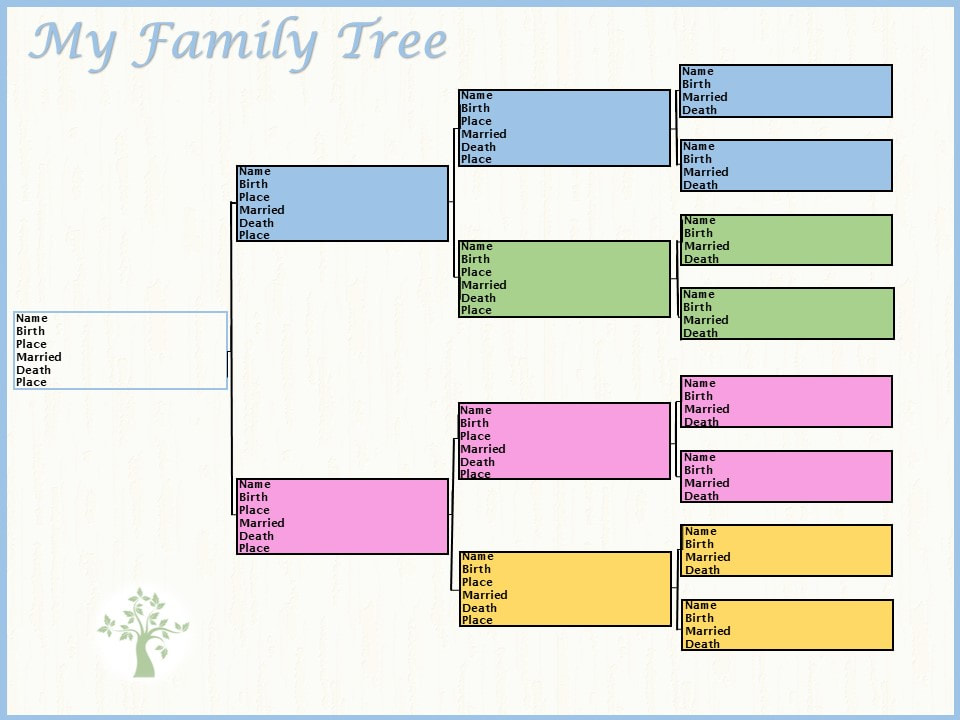
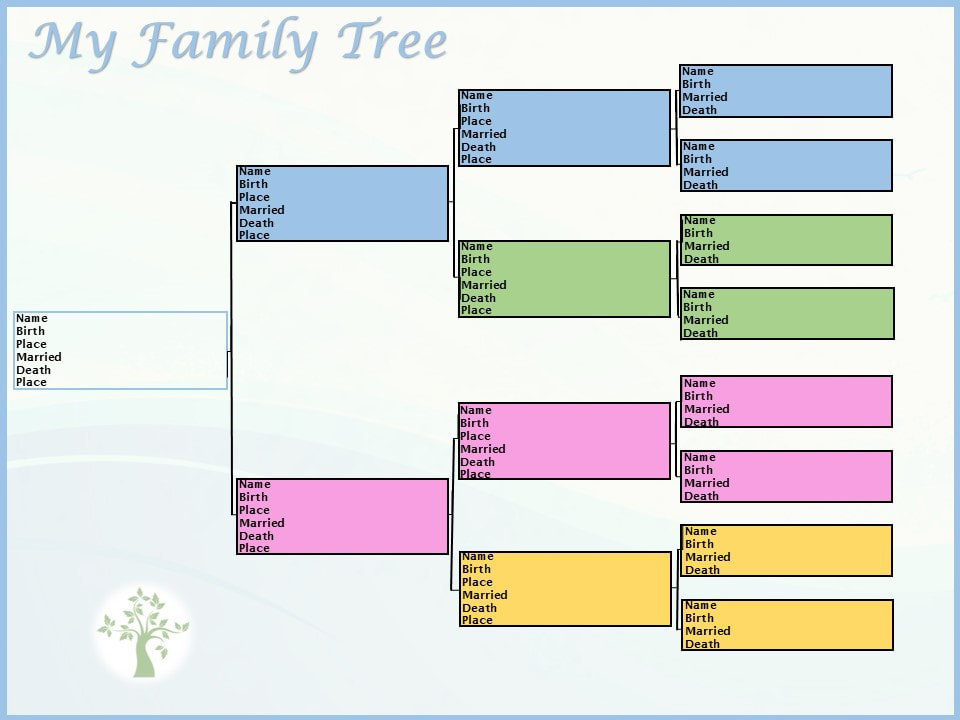
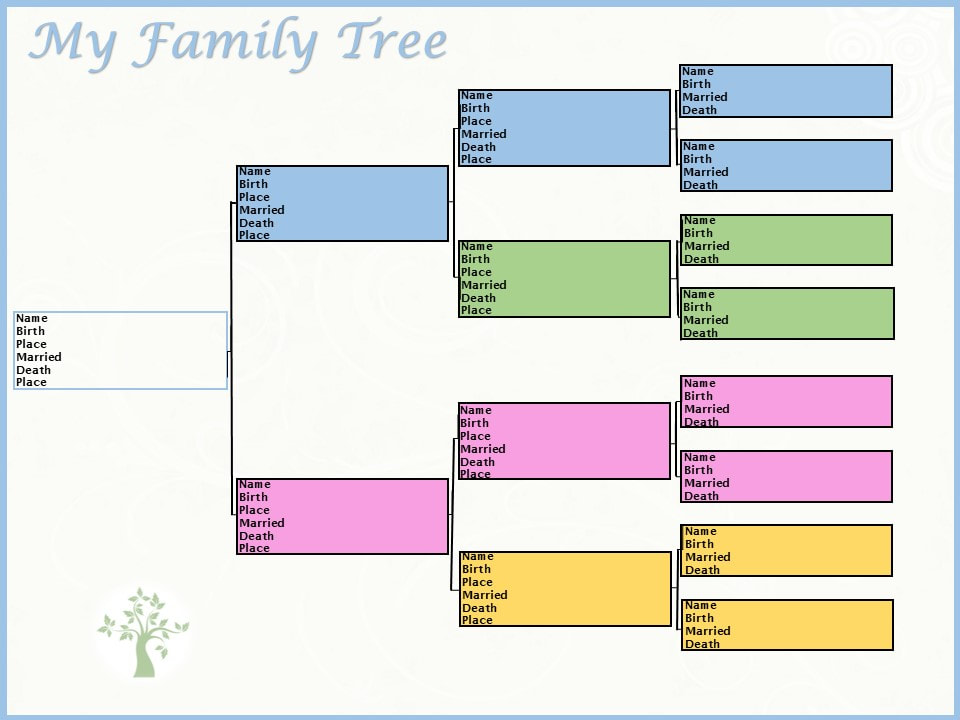
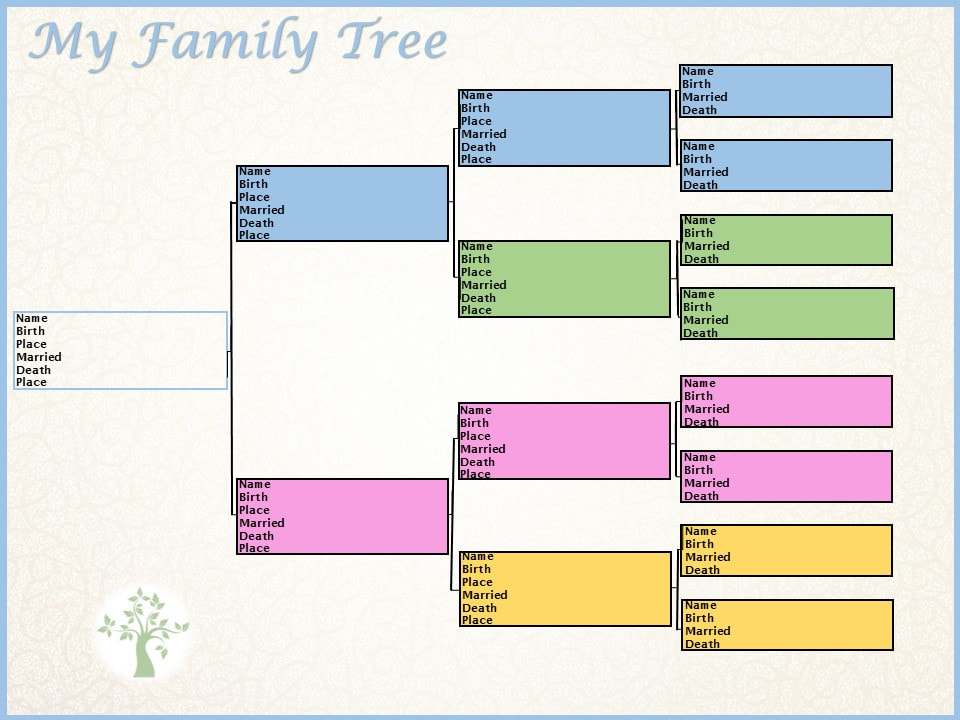
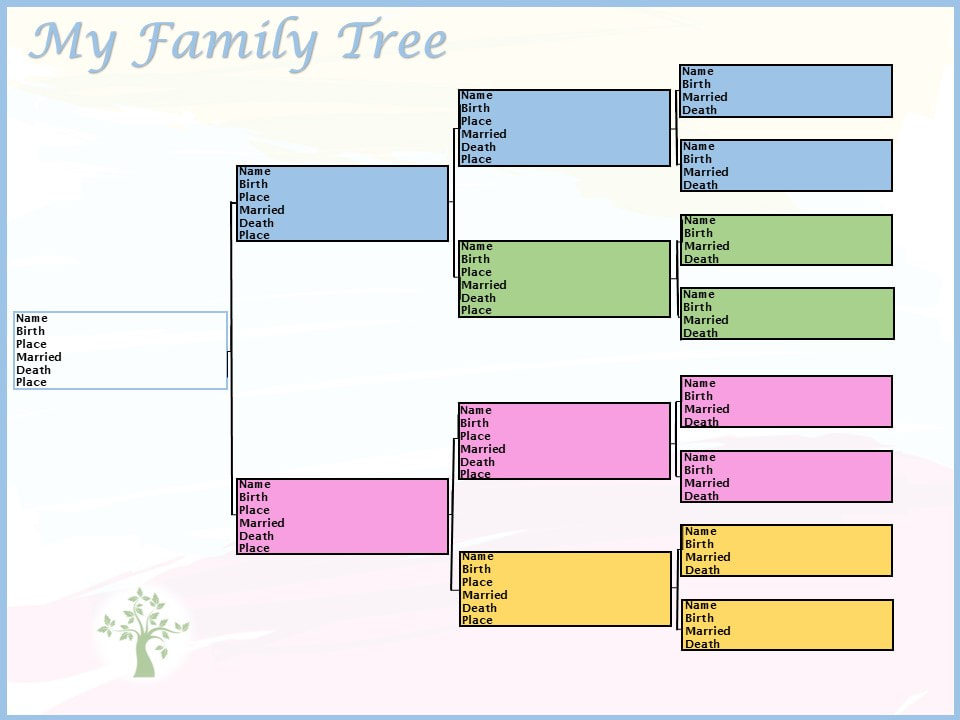
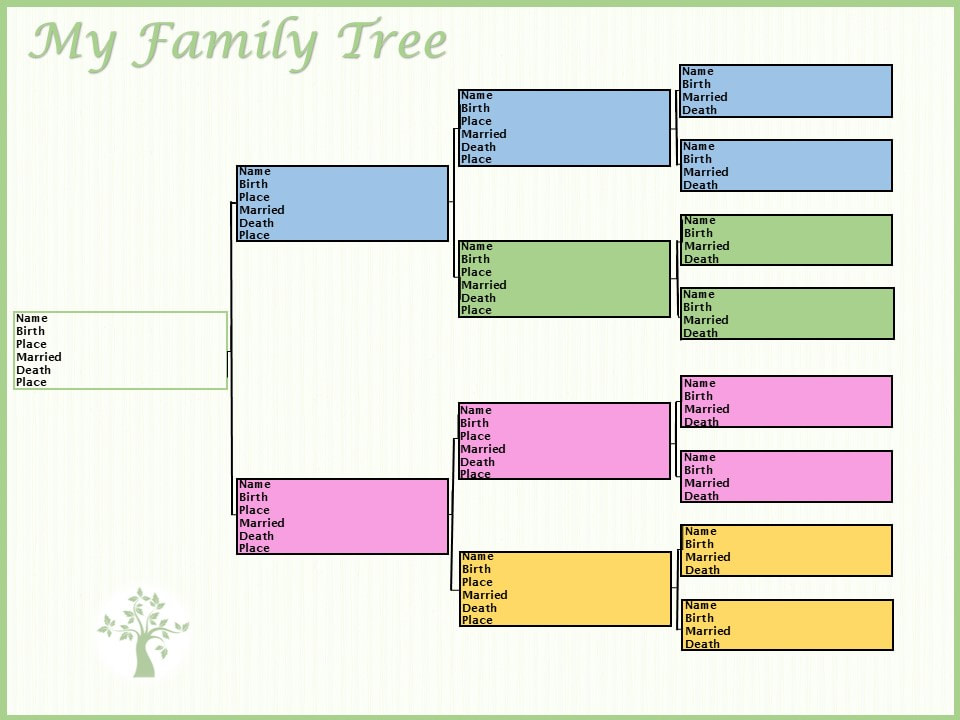
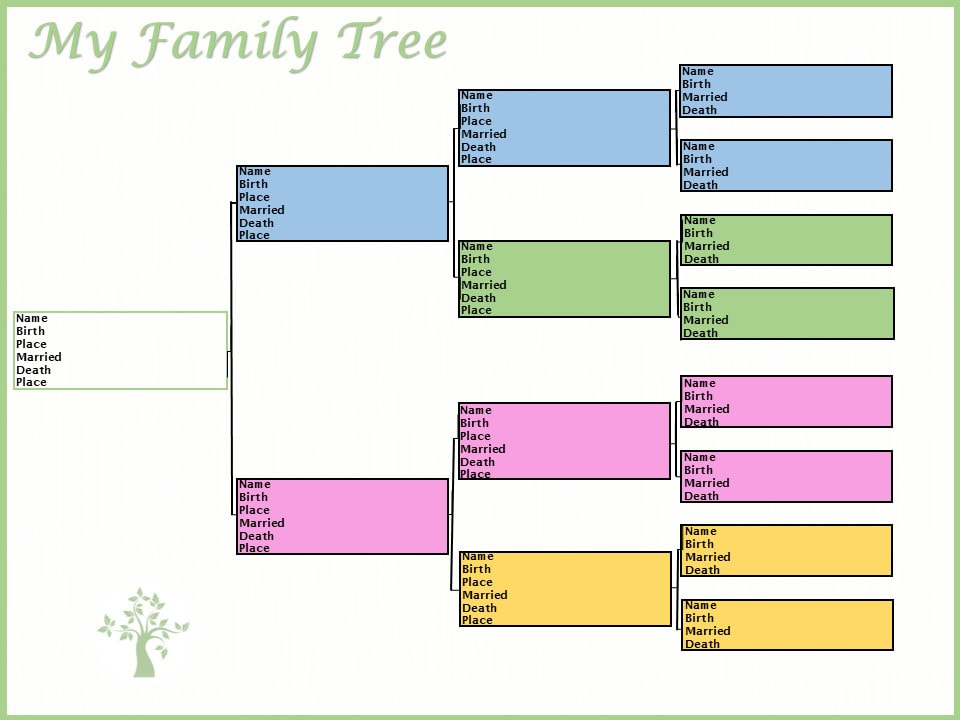
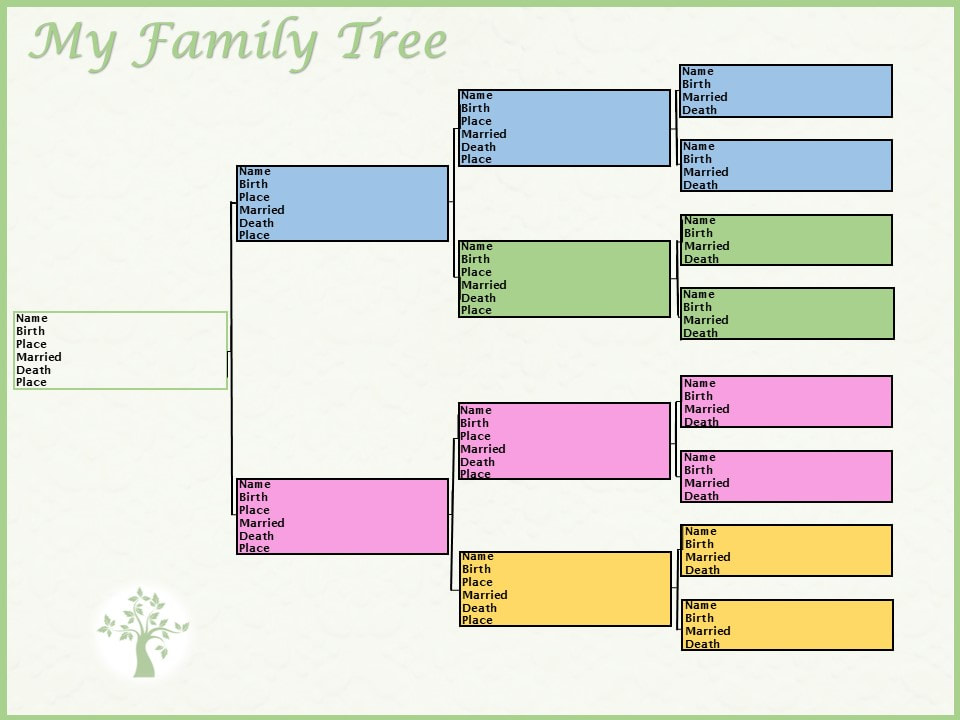
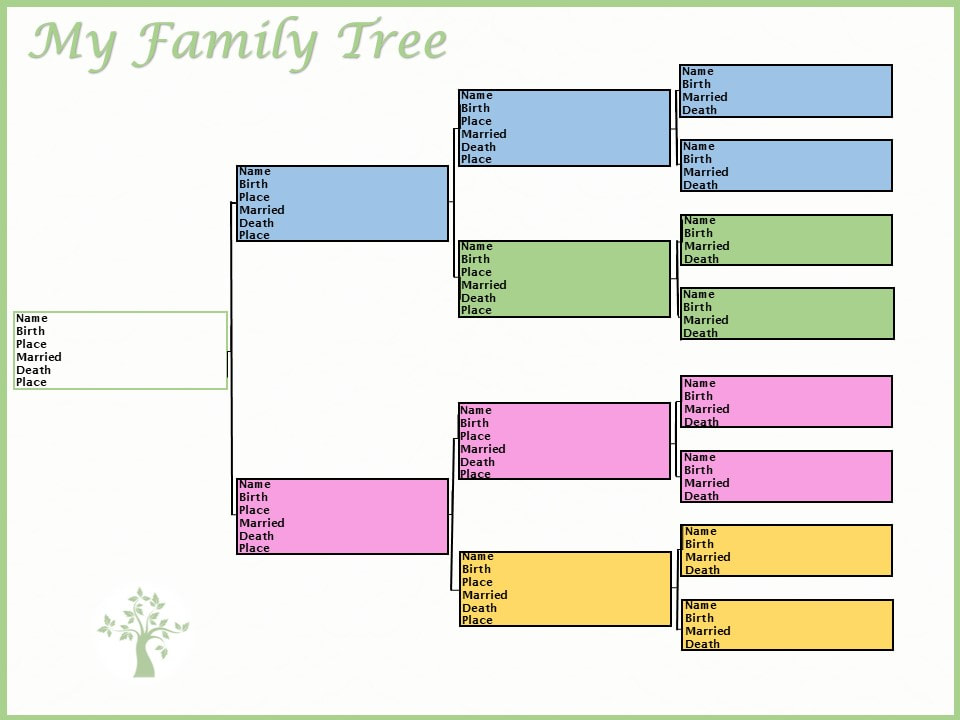
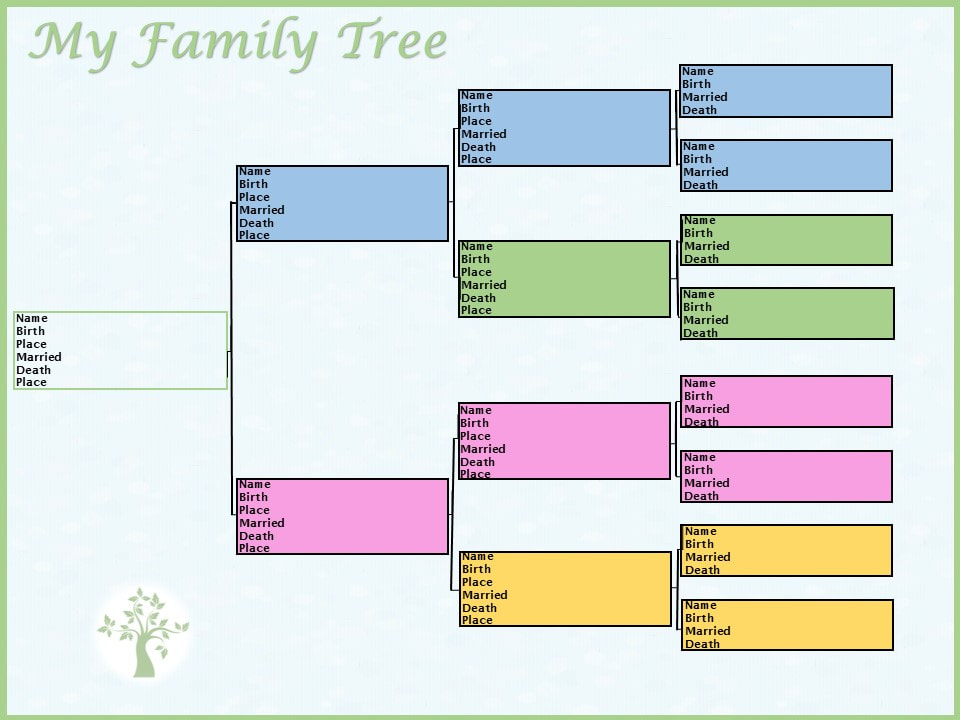
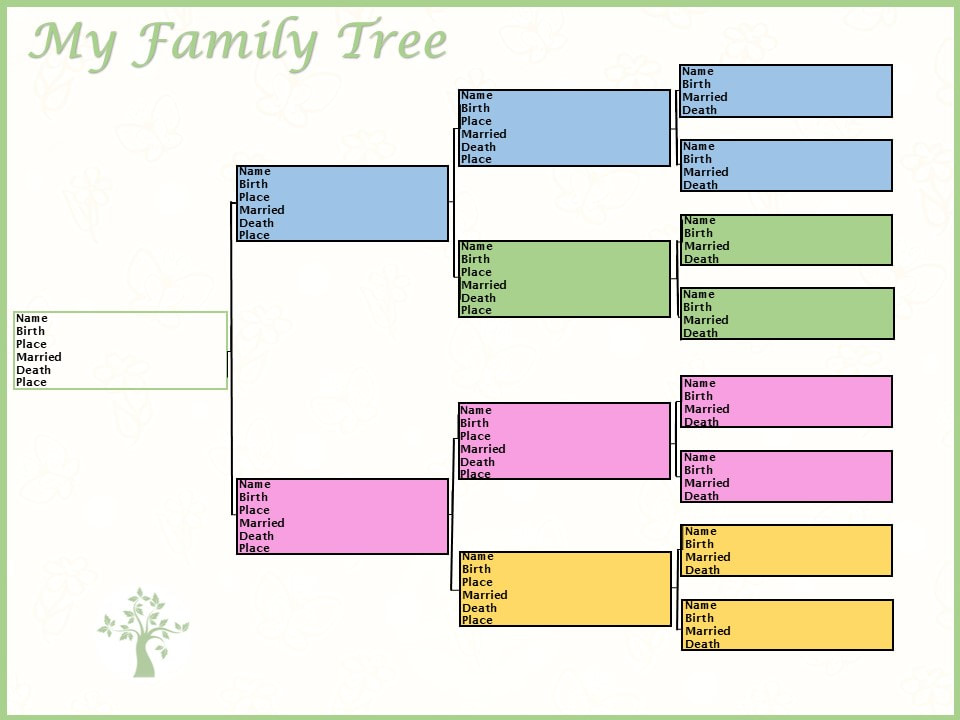
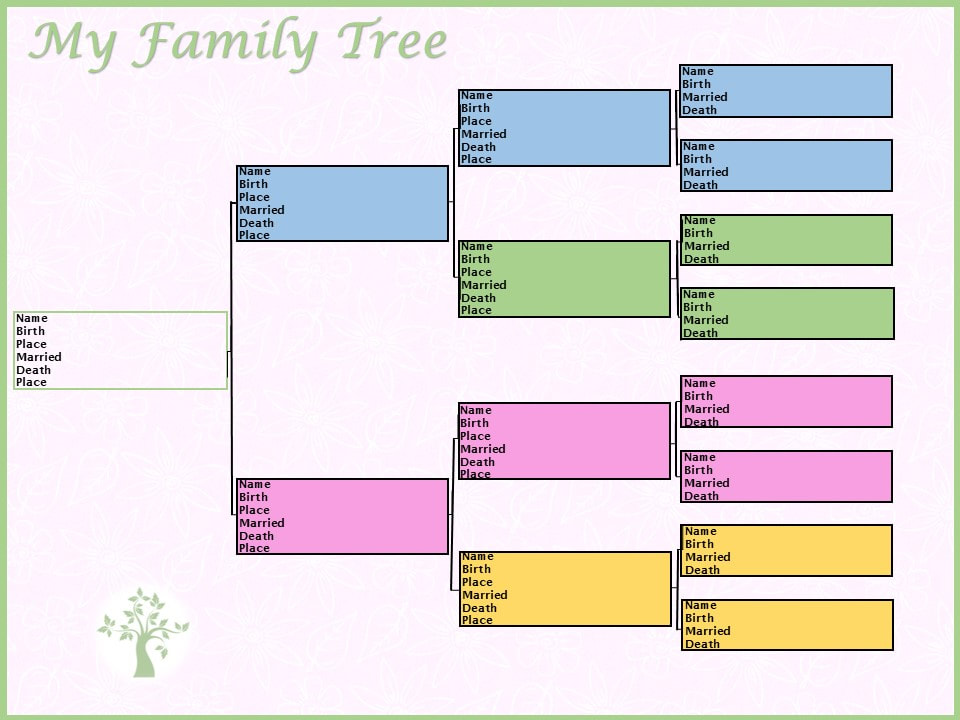
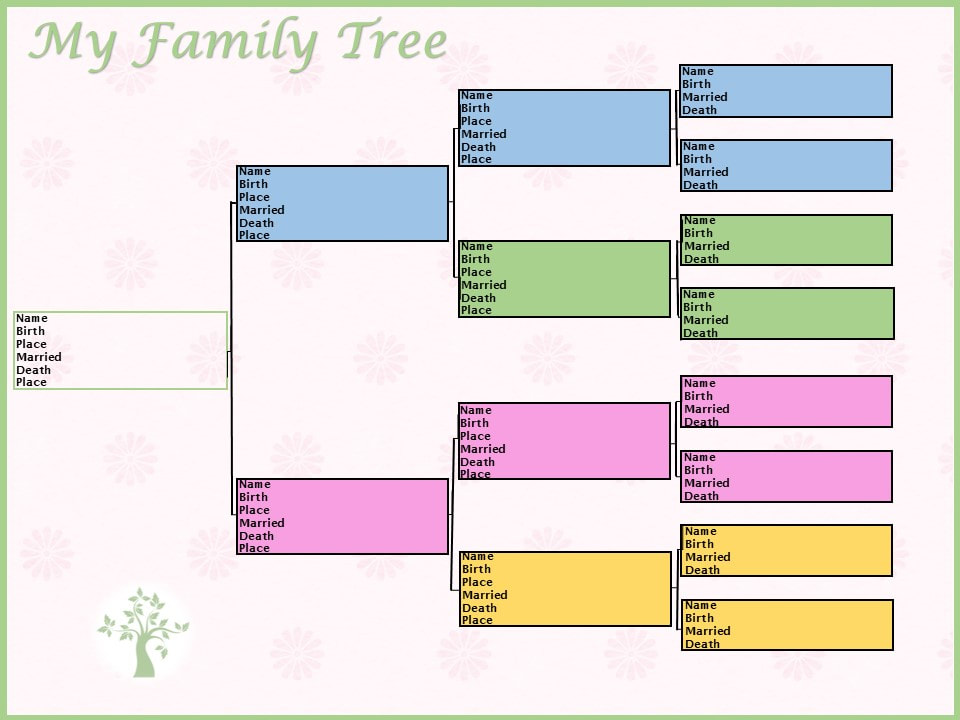
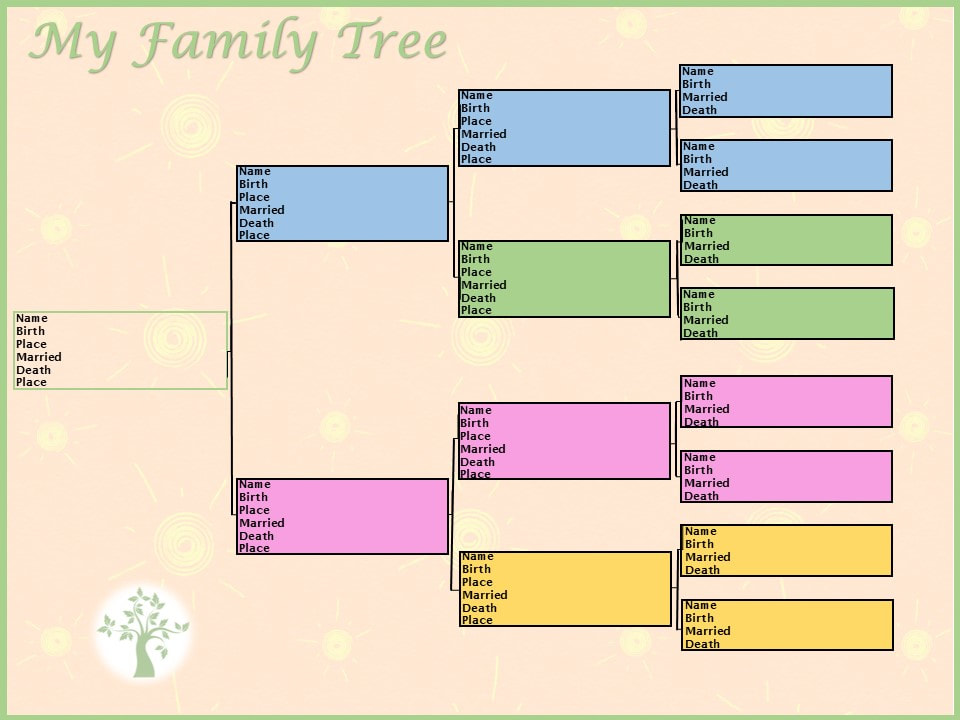
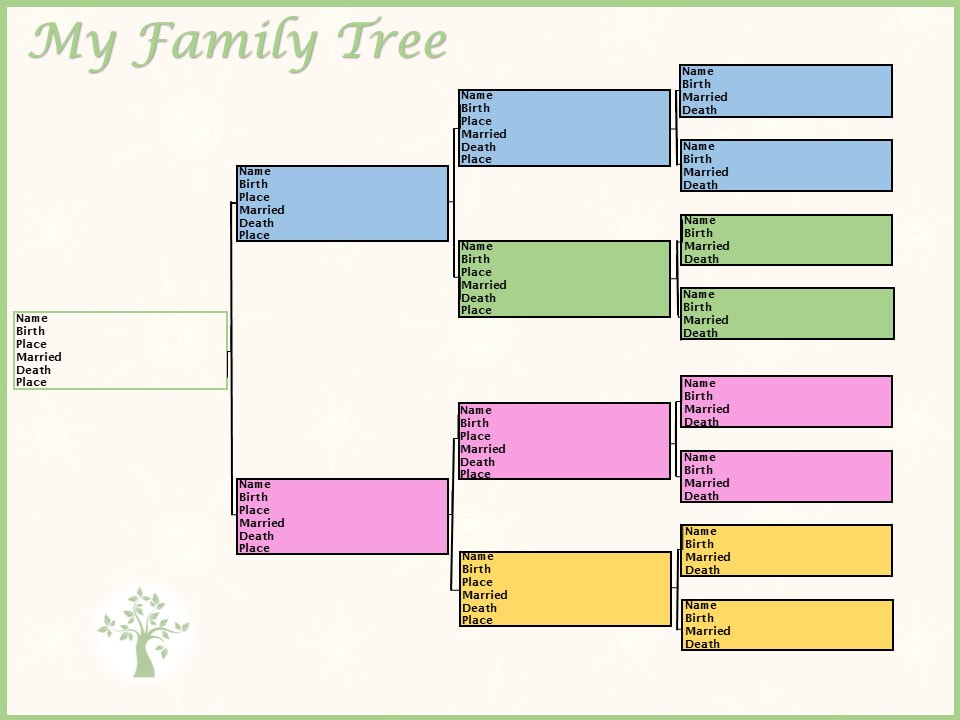
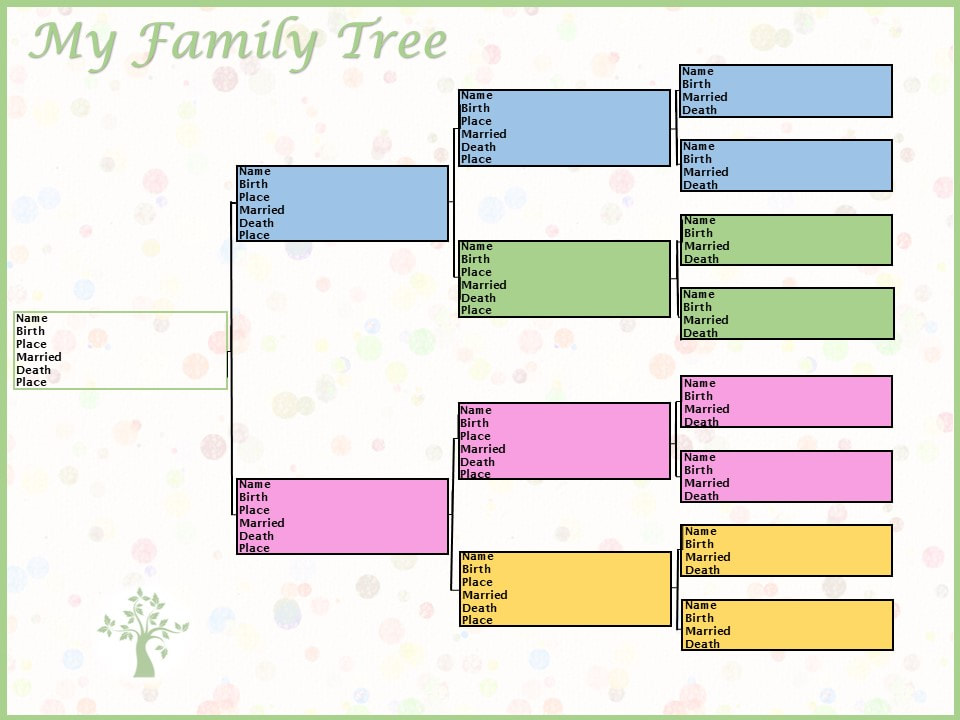
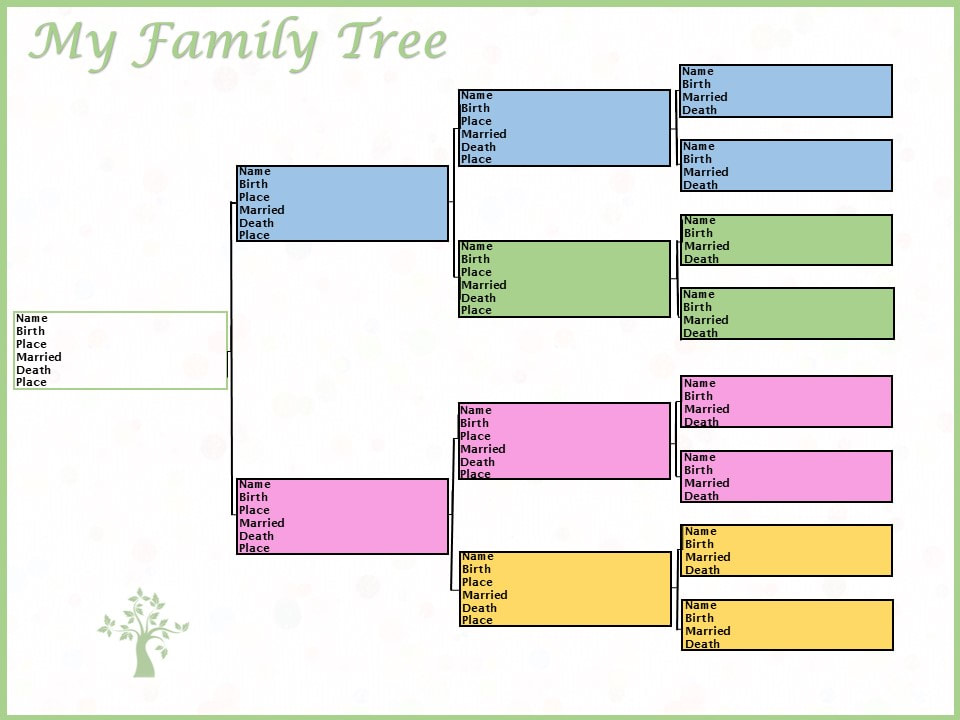
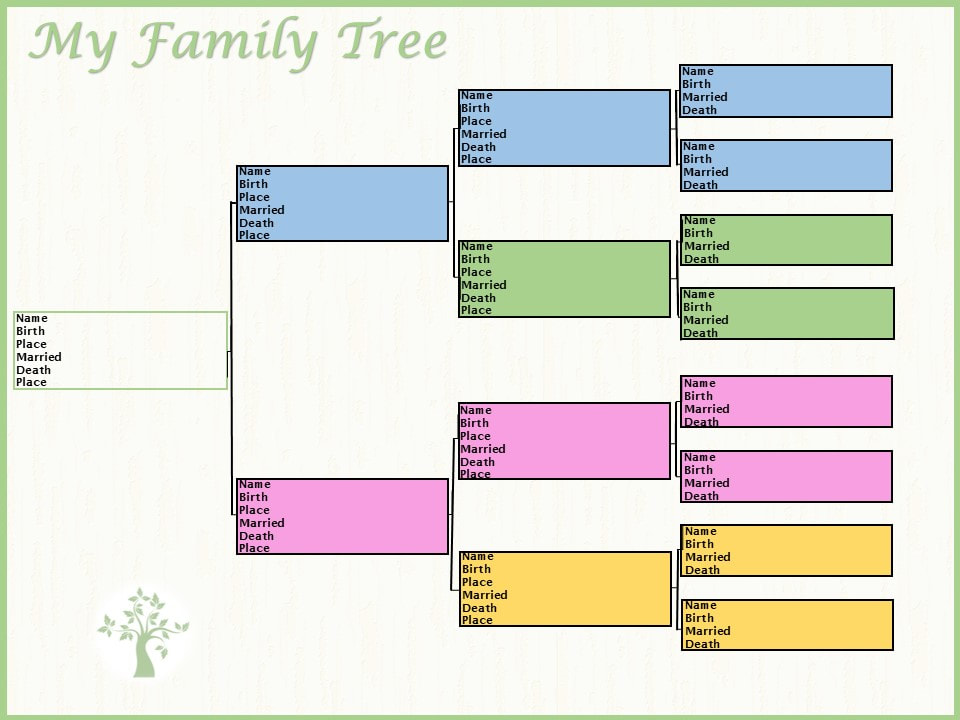
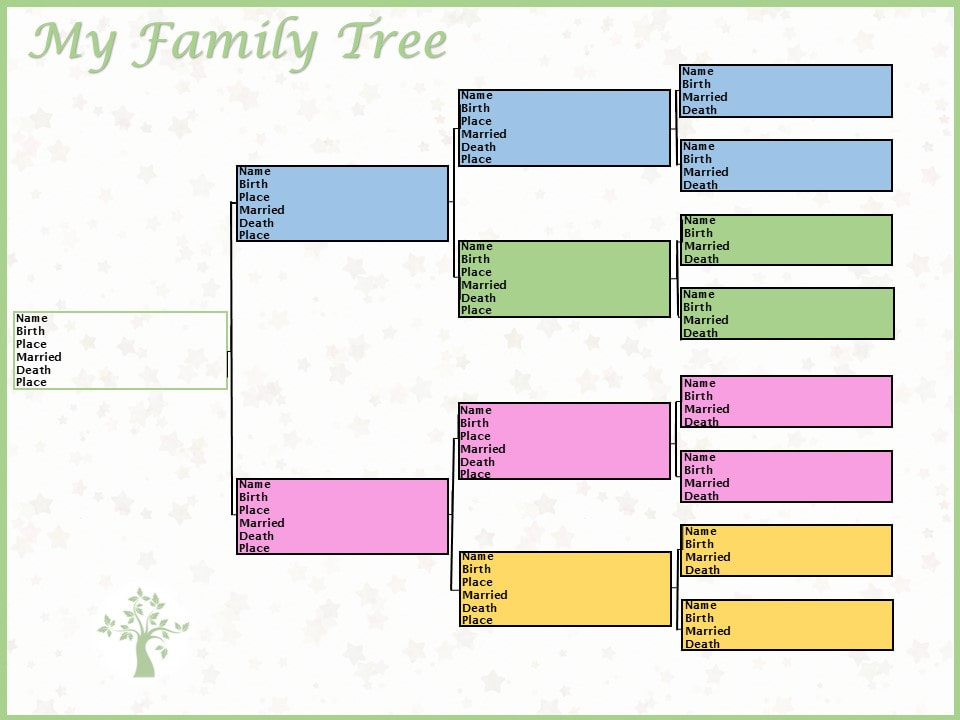
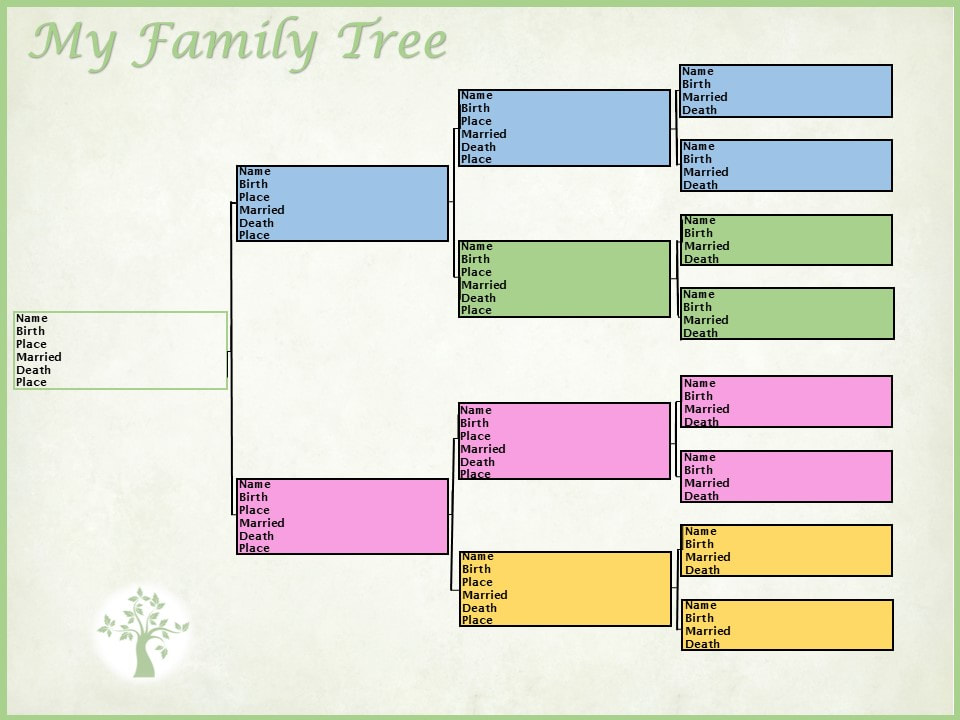
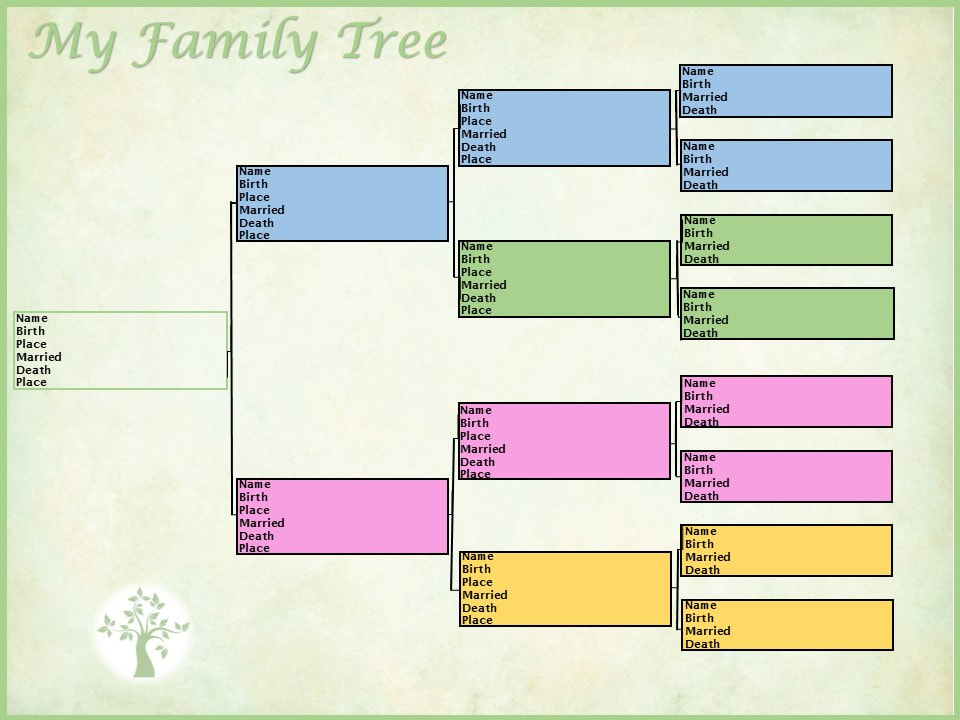
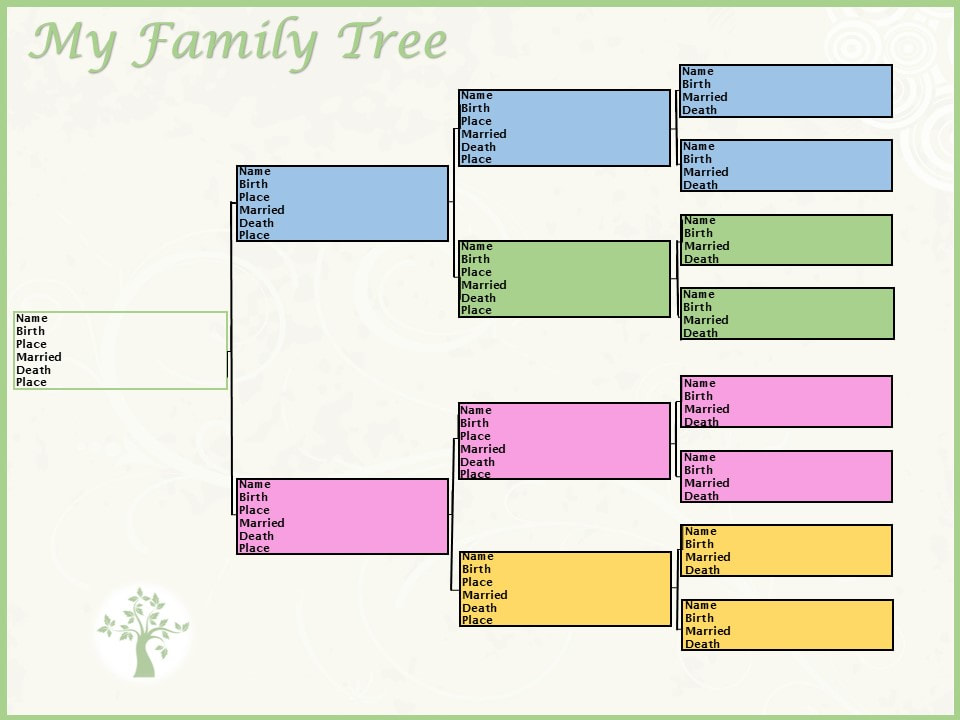
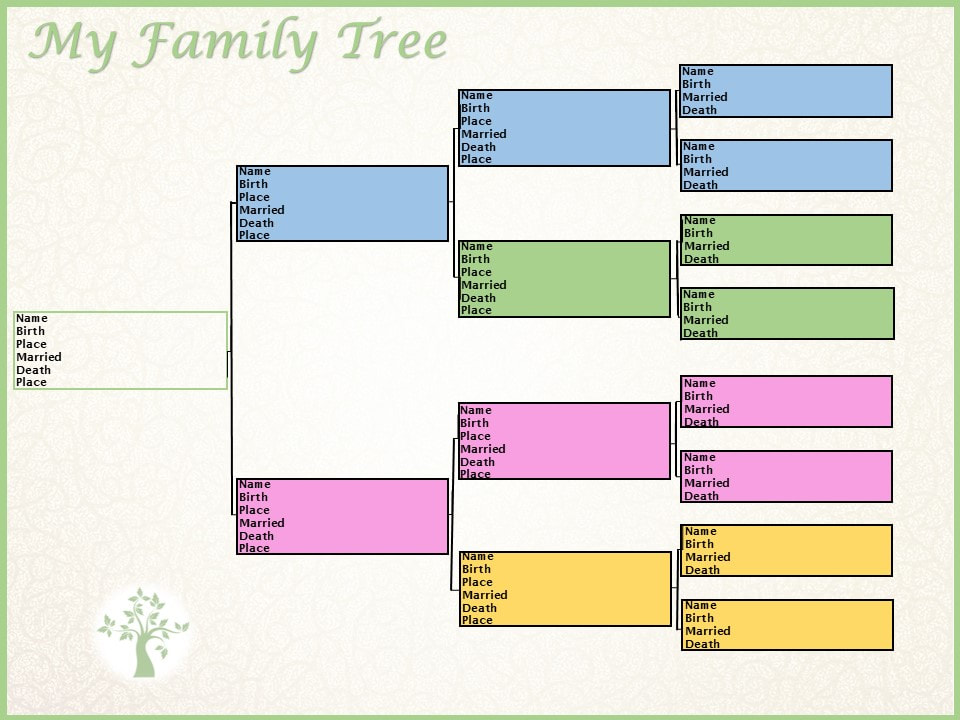
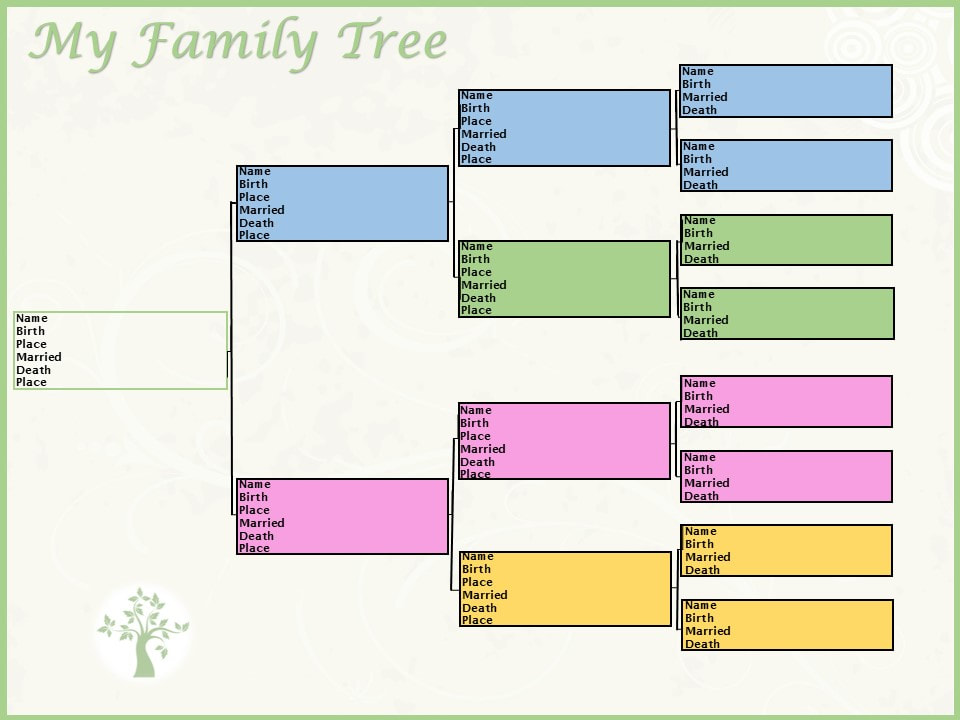
 DIY Family Tree Charts and Templates! Genealogy Resources: DIY Family Tree Charts and Templates! While organizing my personal family history and business digital file folders last week, mentioned in Help, I Can’t Find My Family History/Genealogy Stuff!, I came across some of the different family trees I had created on sites that offered pre-generated family trees based on my family tree research; free, fillable templates that different sites offered; and some that I had created in Family Tree Maker over a decade ago; along with others. This got me sidetracked to where I decided to try to create my own, easy, DIY templates for family trees, using various resources. What I Used to Create My Easy, DIY Family Tree Templates:
How I Designed My Simple, DIY Family Tree Charts:
Use Your Family Tree Chart Creations for:
Examples: My Family Tree Chart Heirloom ExamplesMy Other Family Tree Chart ExamplesEven though it is hard to tell on some, each one is different either with a different backround, a change in transparency, saturation, tone, or color or both.
There are many sites out there where you can get a pre-generated family tree heirloom printed out (blog coming soon), that offer fillable templates, and more, some free and some not. There are also many sites where you can create family tree templates to use for visual reference, presentations, and more (blog coming soon). But you can always DIY your own family history heirlooms to pass down through the generations or give as a gift, by creating your own family tree charts and templates! *Note: ©Diane Henriks (Copyright protected, and all rights are reserved. No portion of these images may be reproduced, stored in a retrieval system or transmitted in any form or by any means; whether electronic, mechanical, etc., such as through copying, screenshotting, downloading, or other without prior written notice from me)
0 Comments
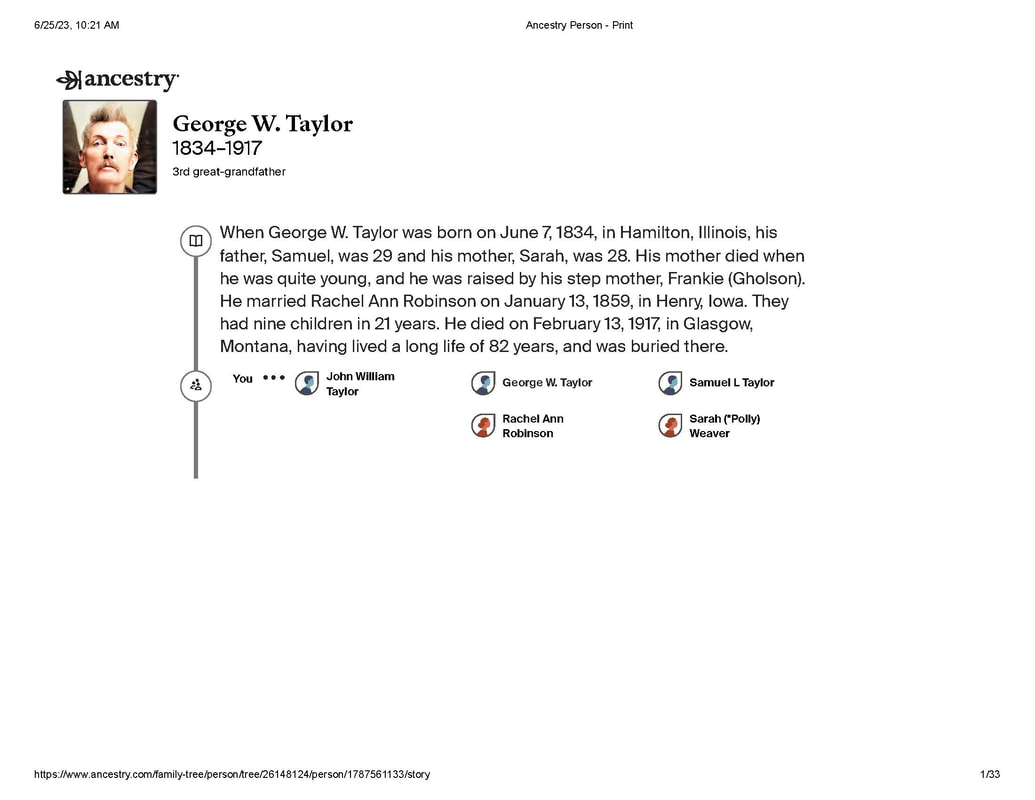
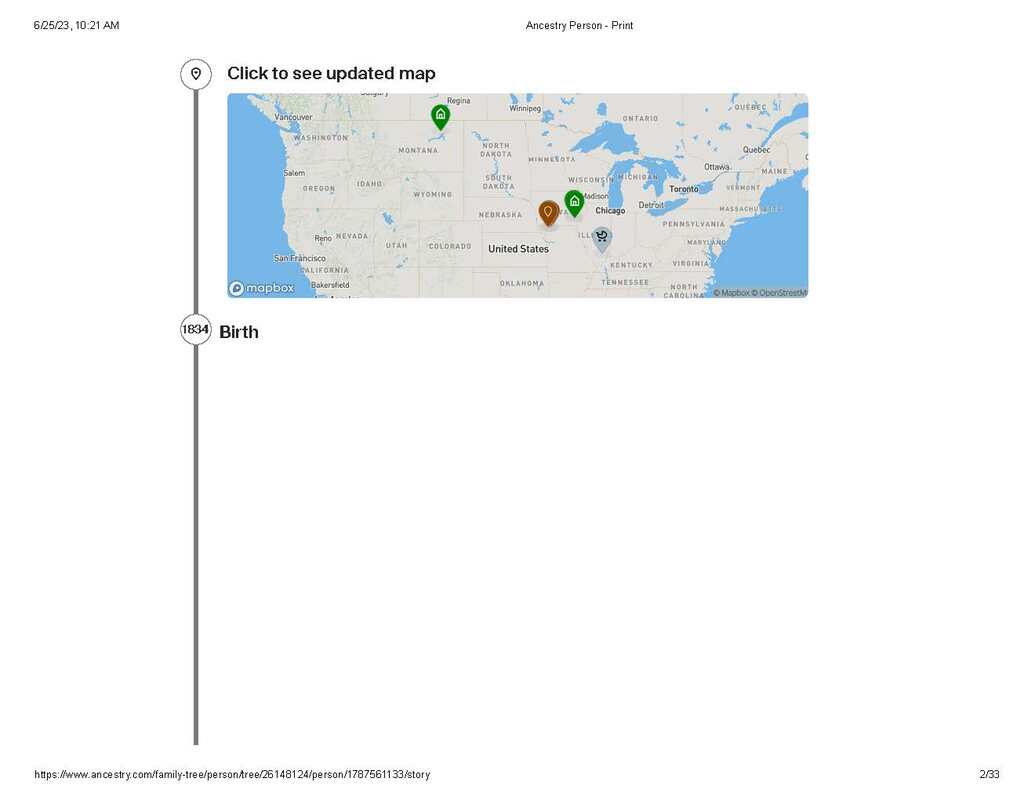
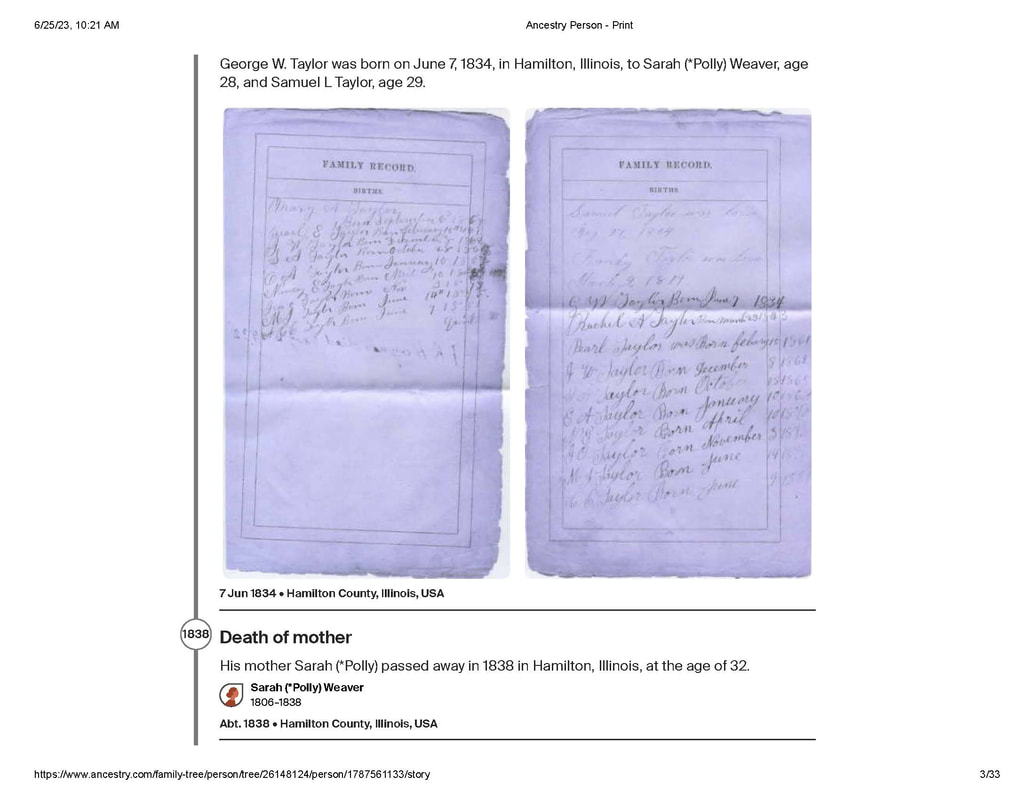
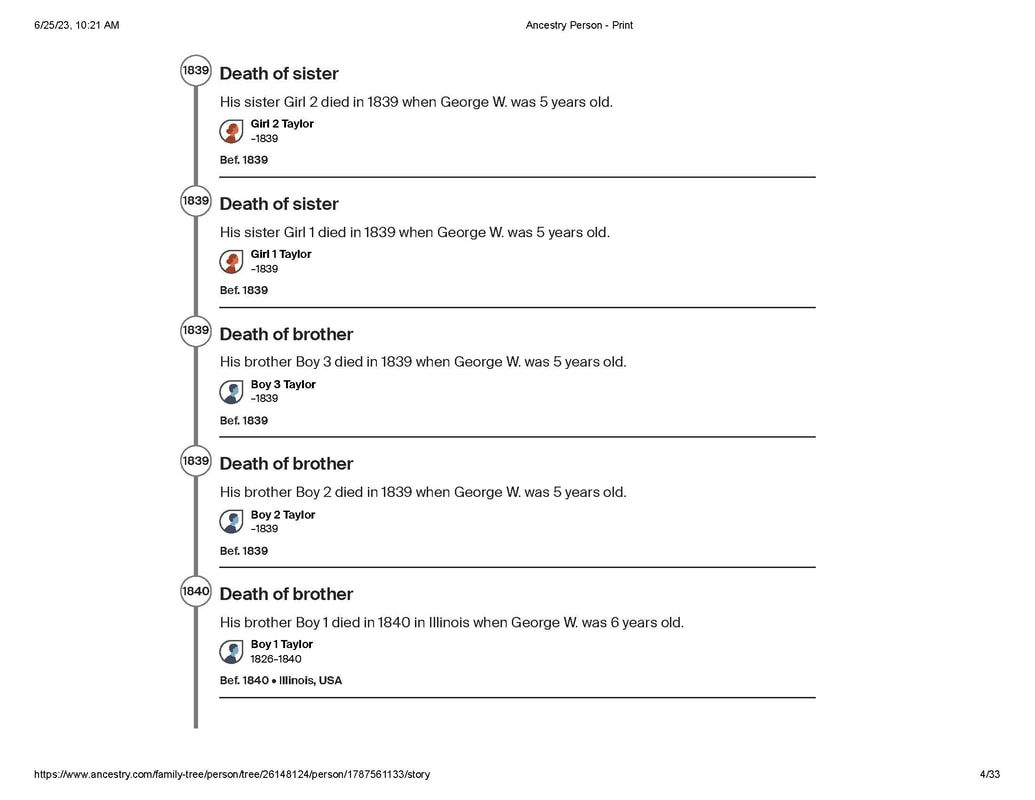
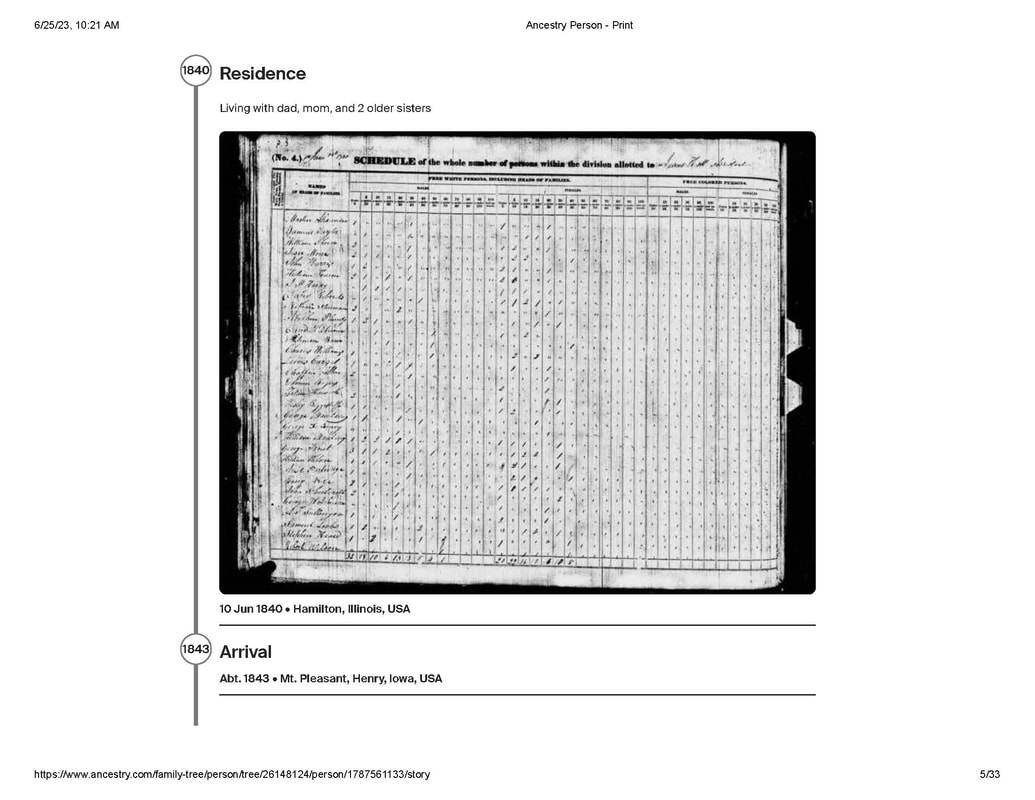
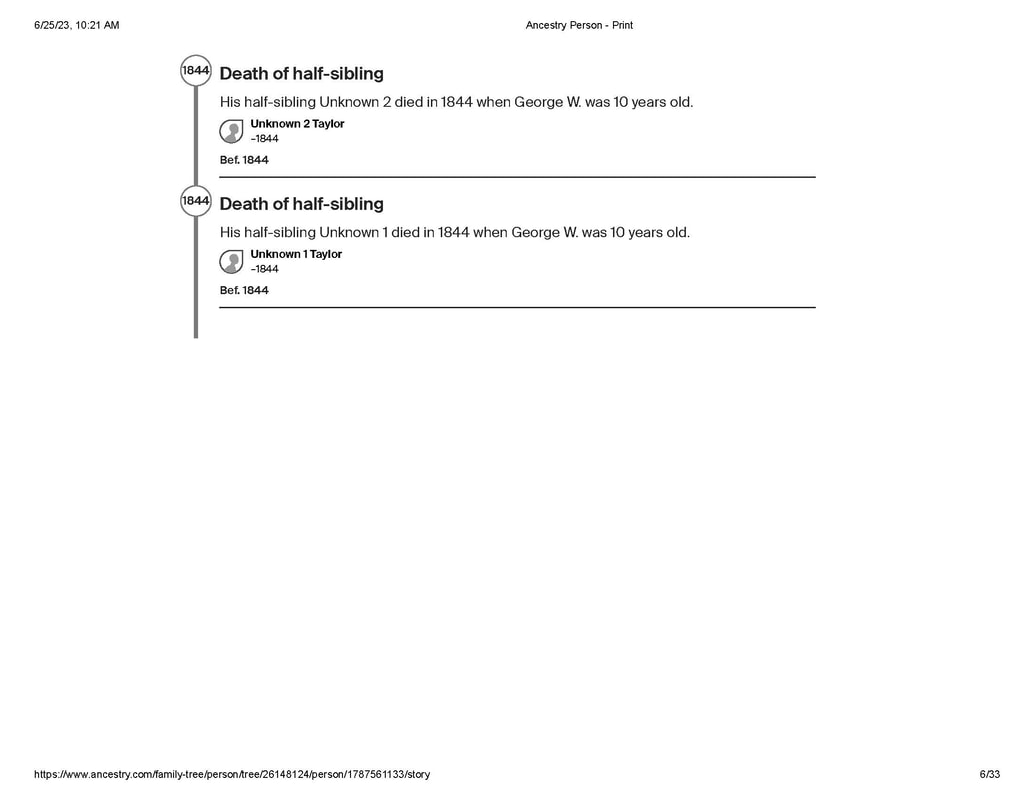
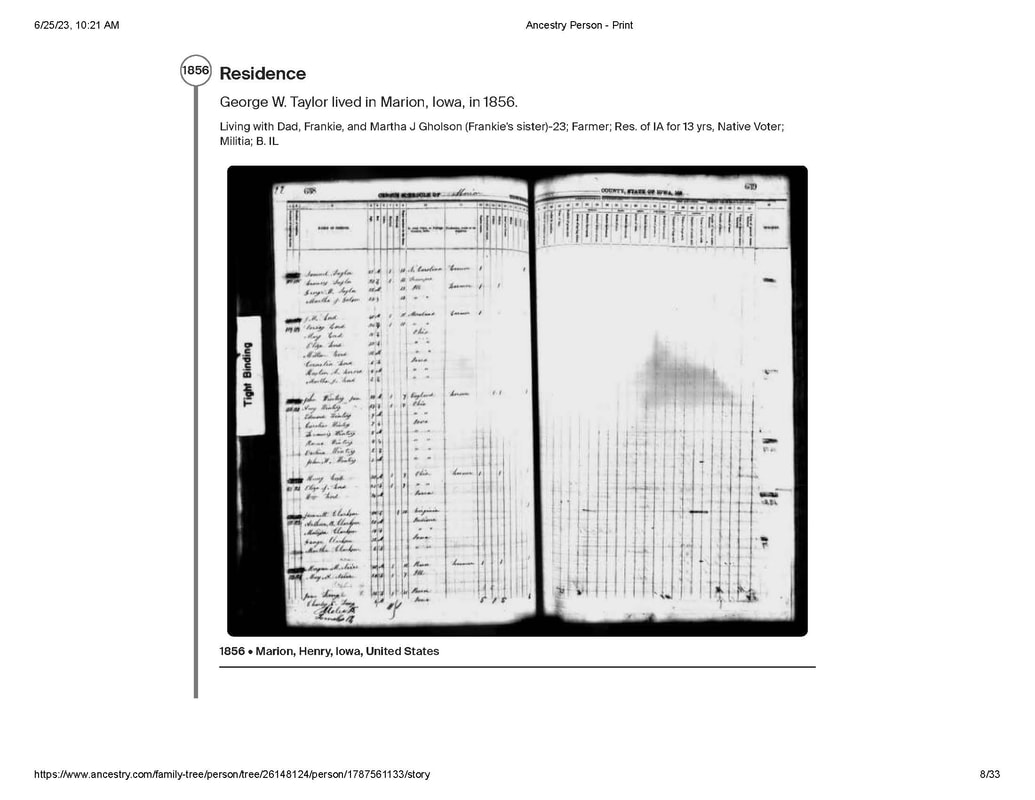
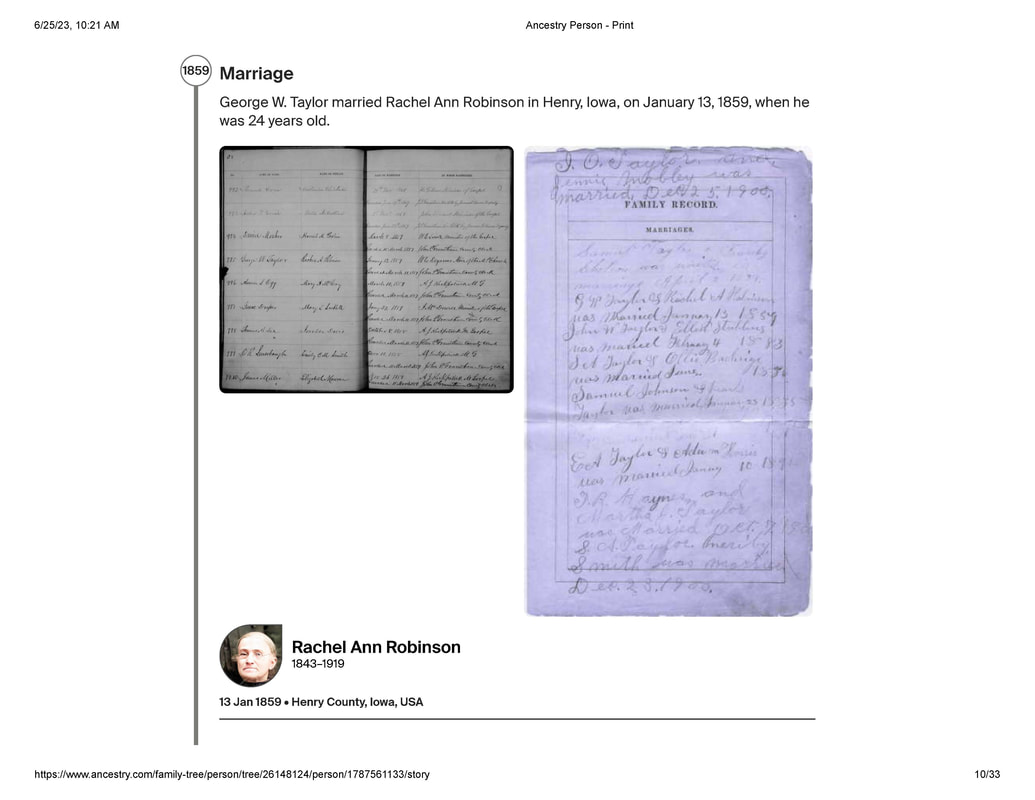
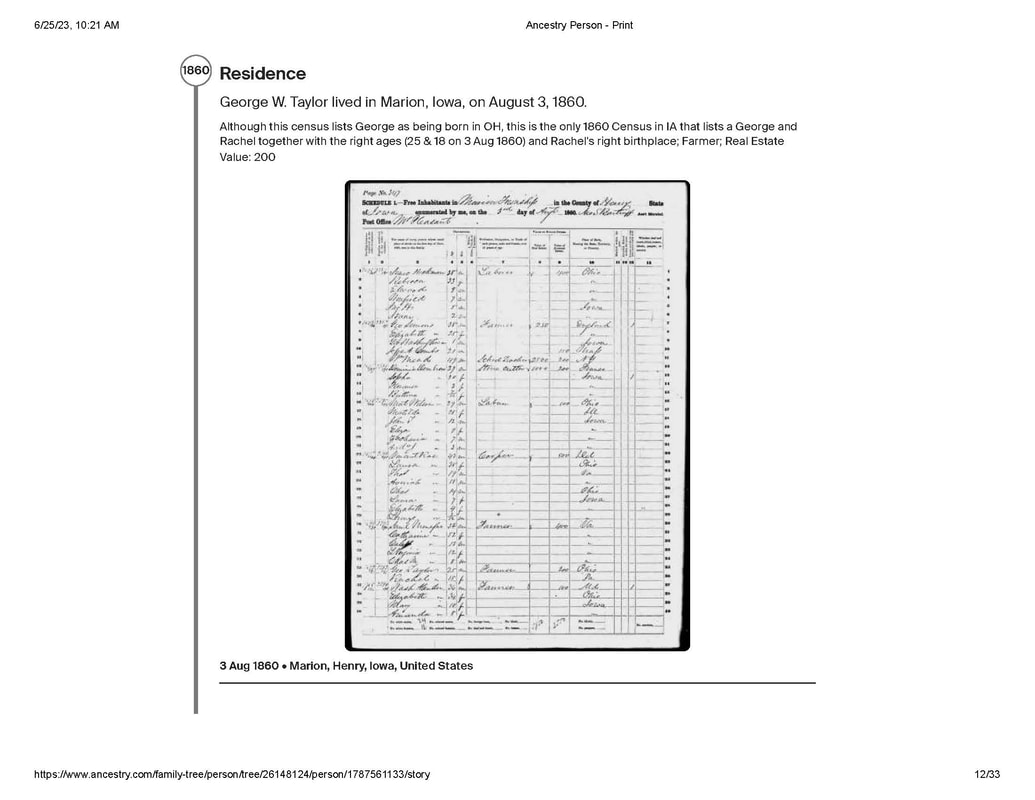
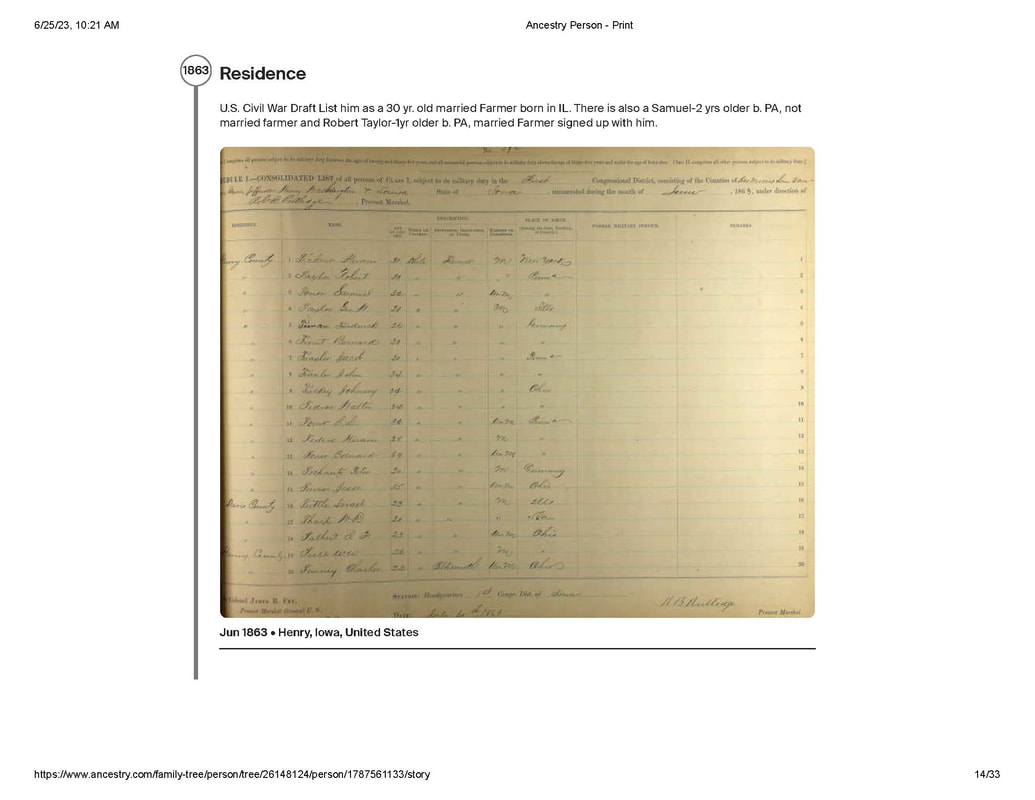
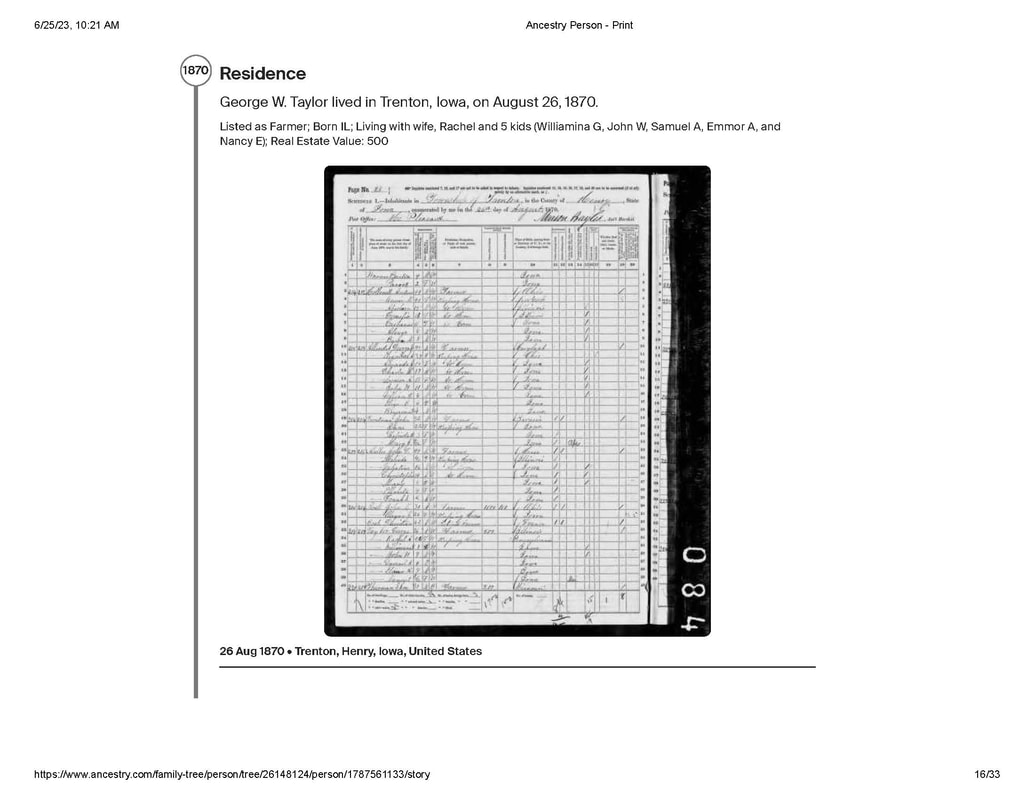
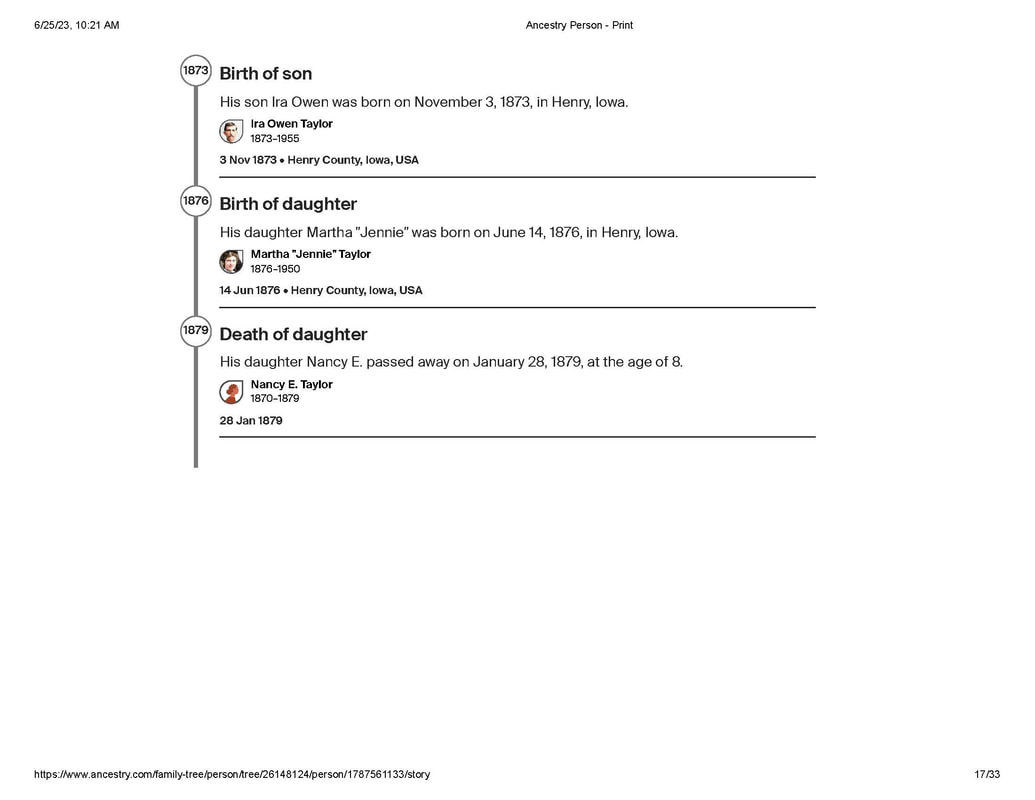
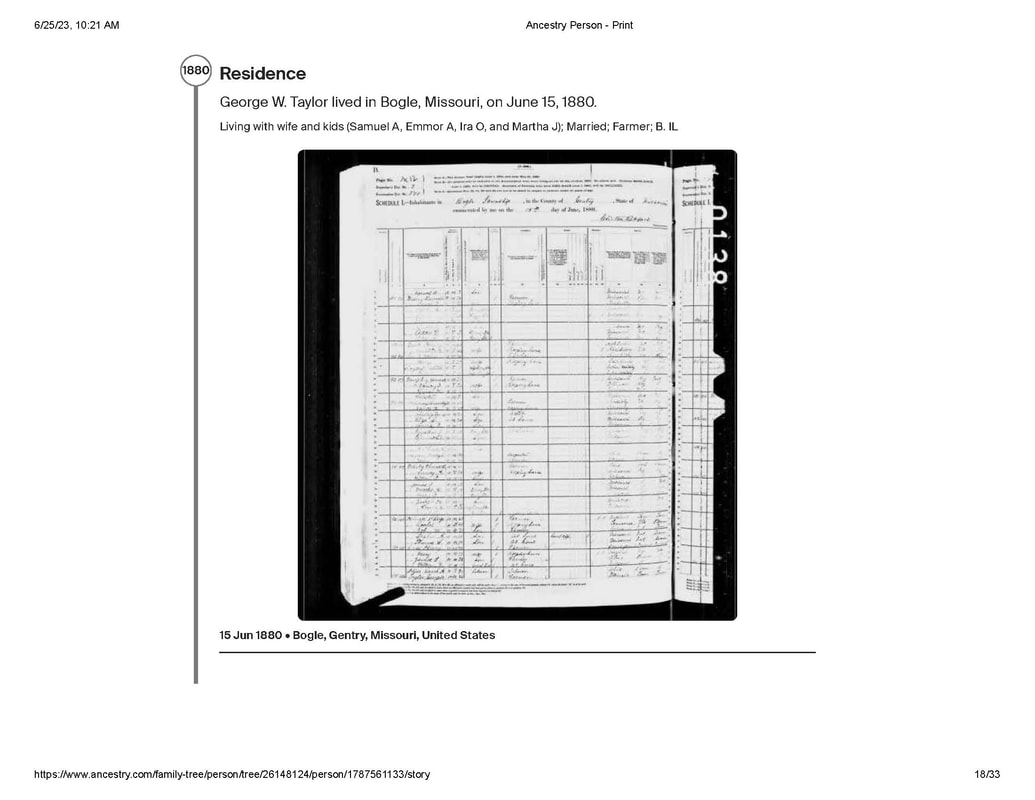
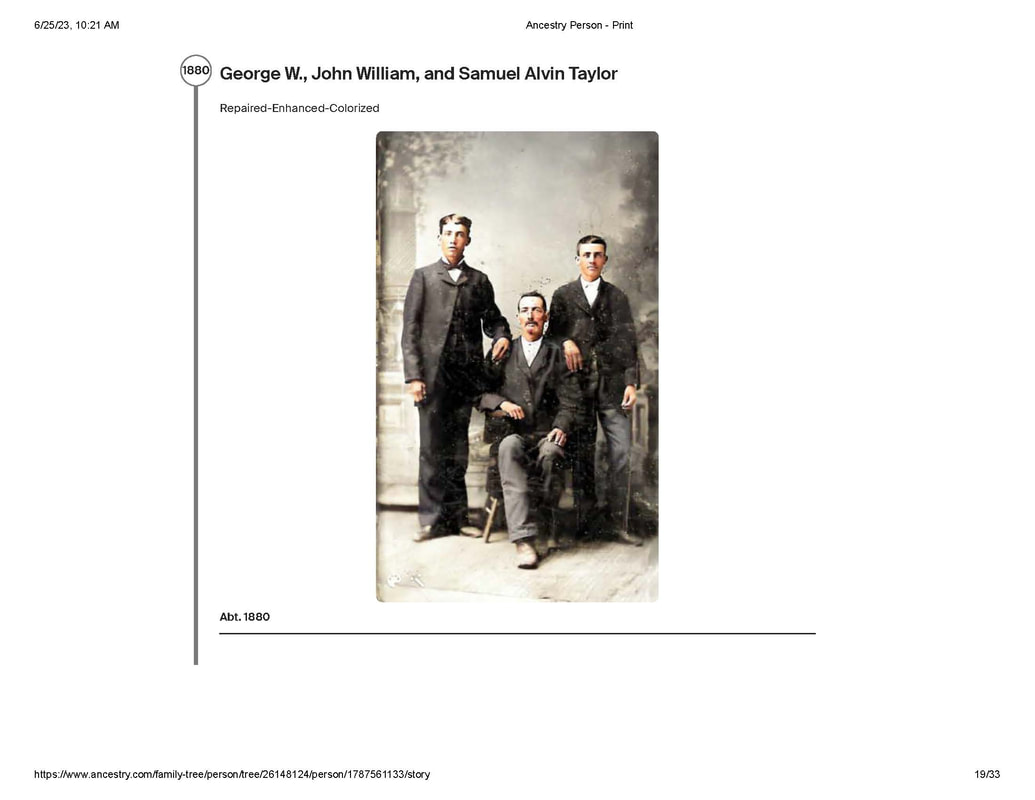
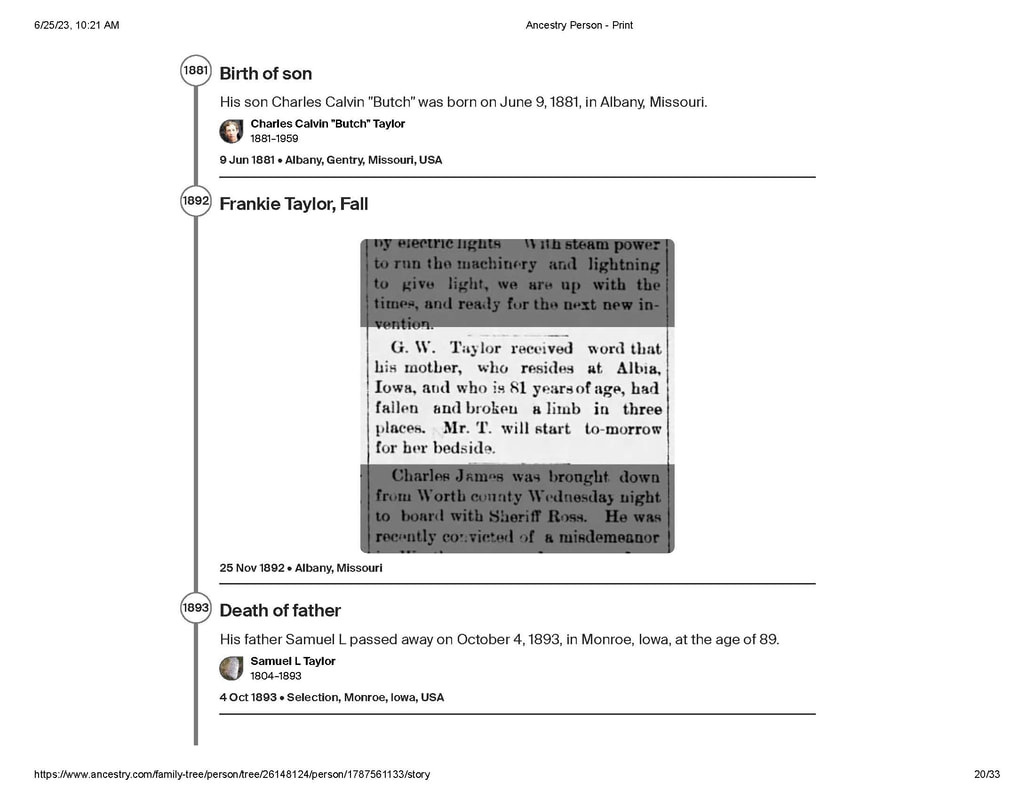
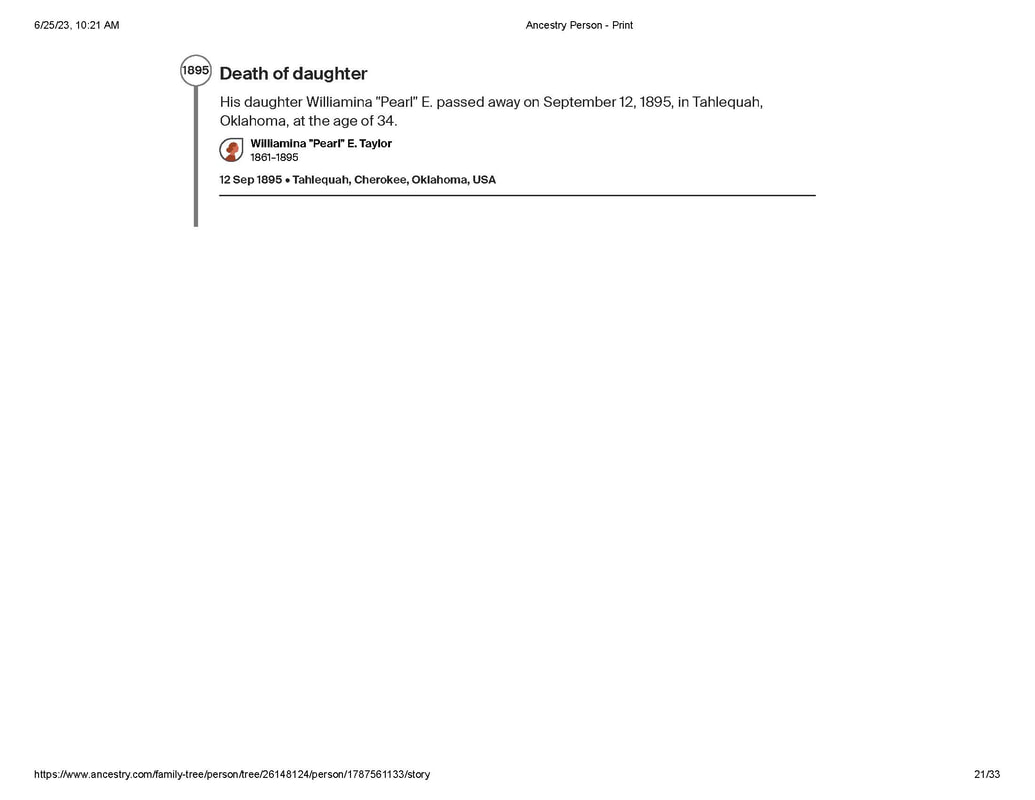
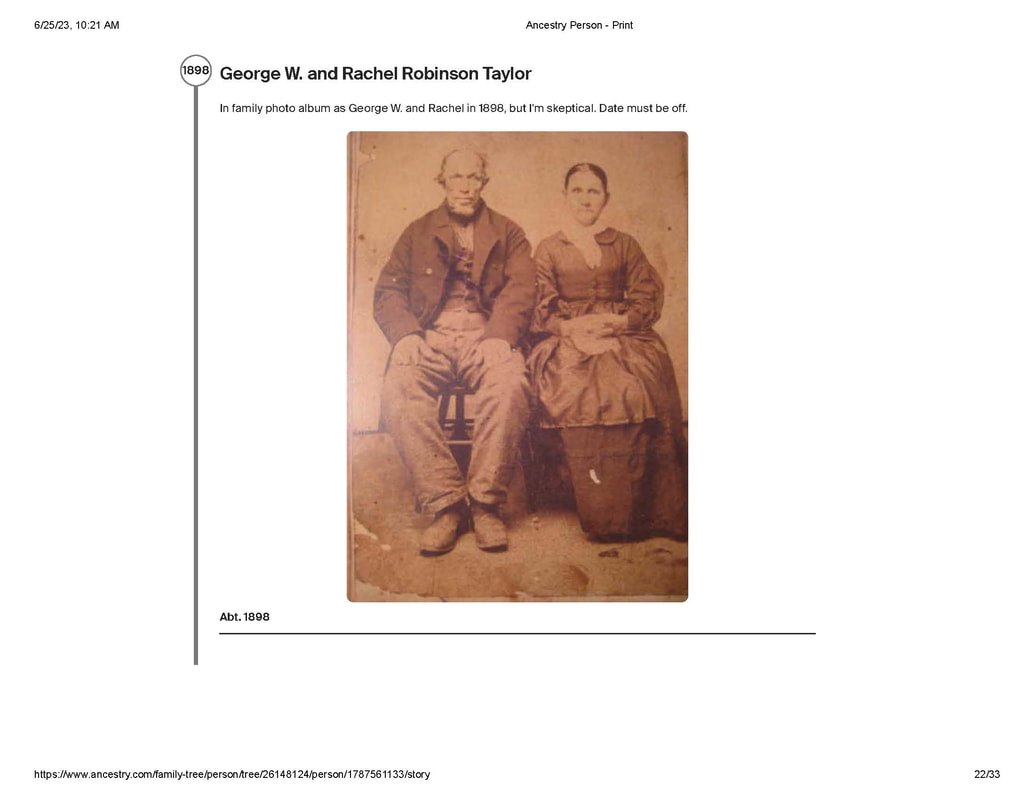
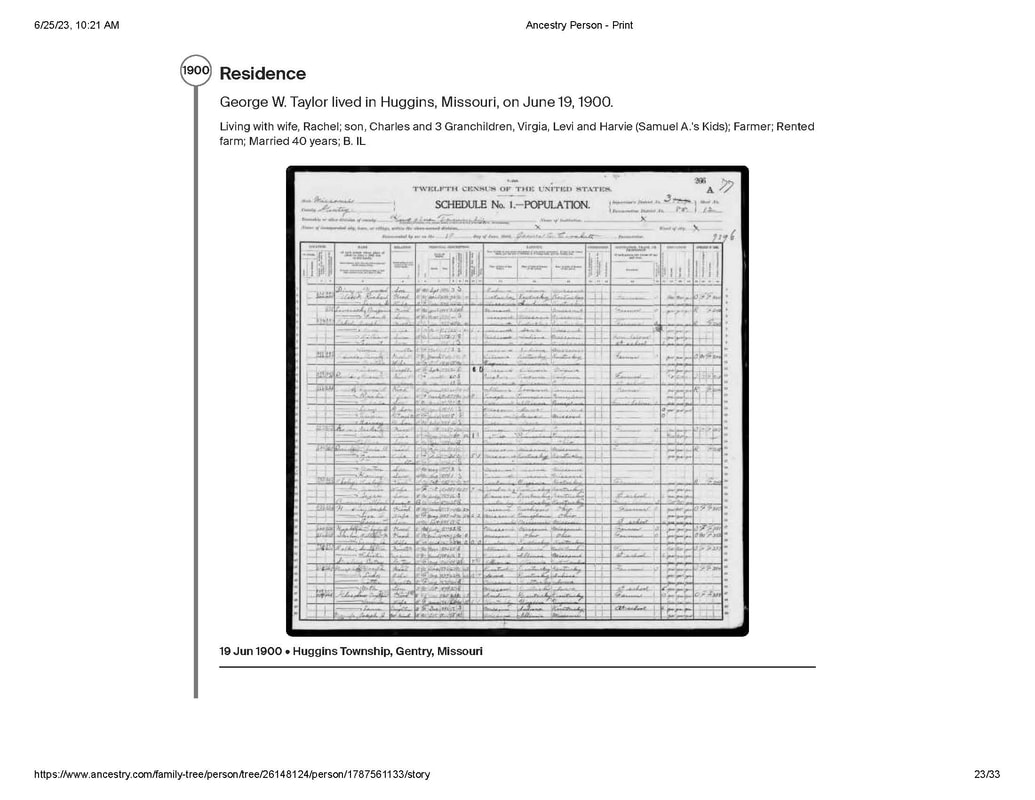
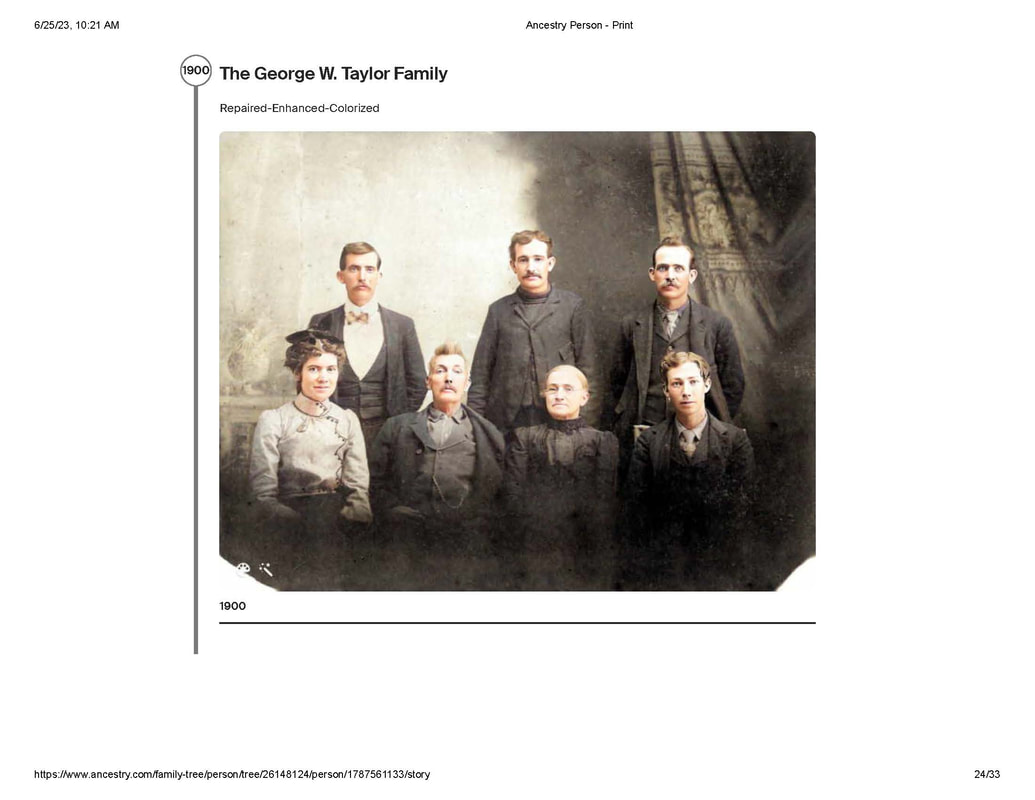
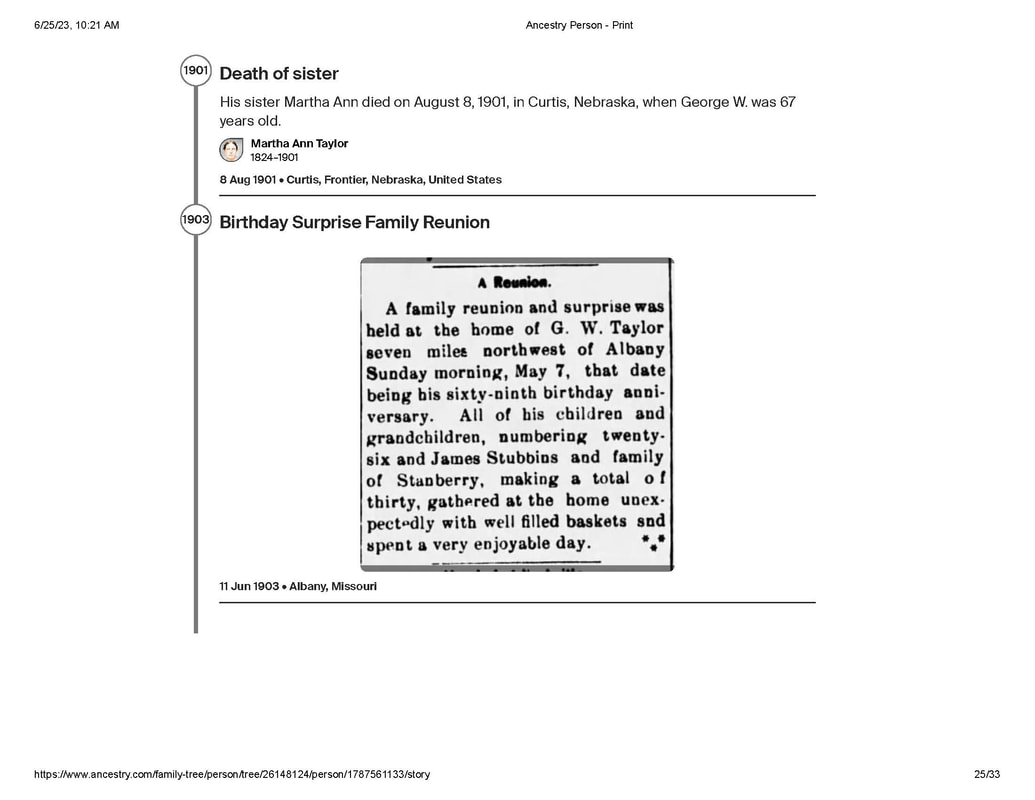
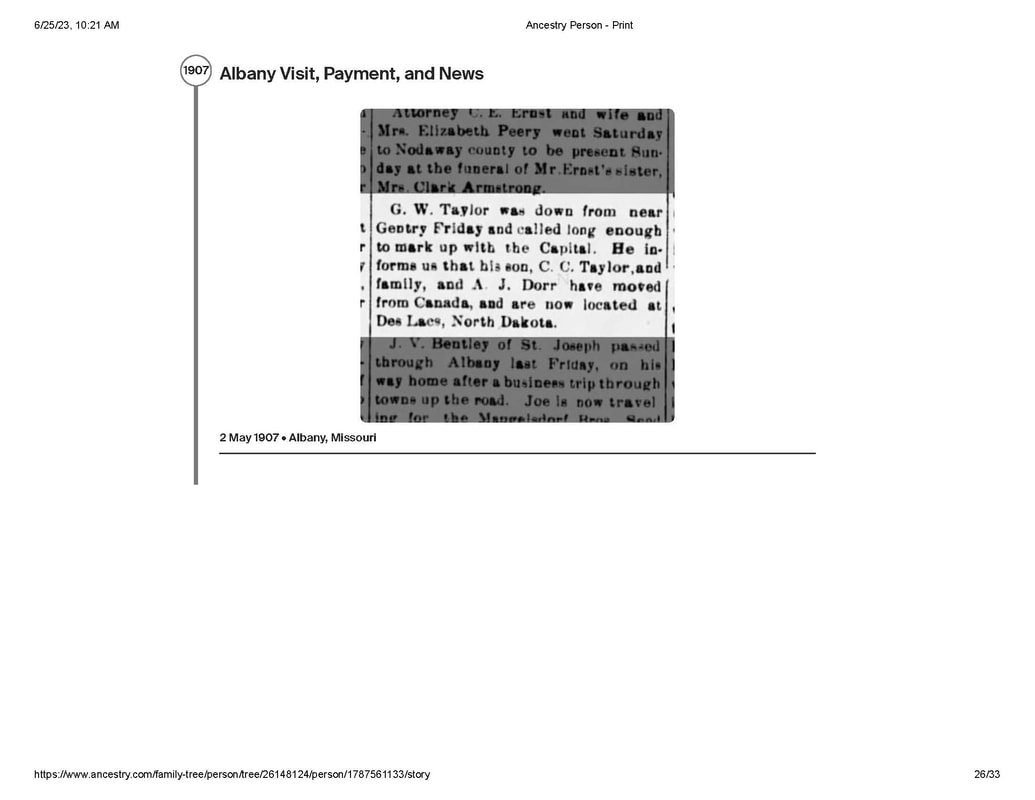
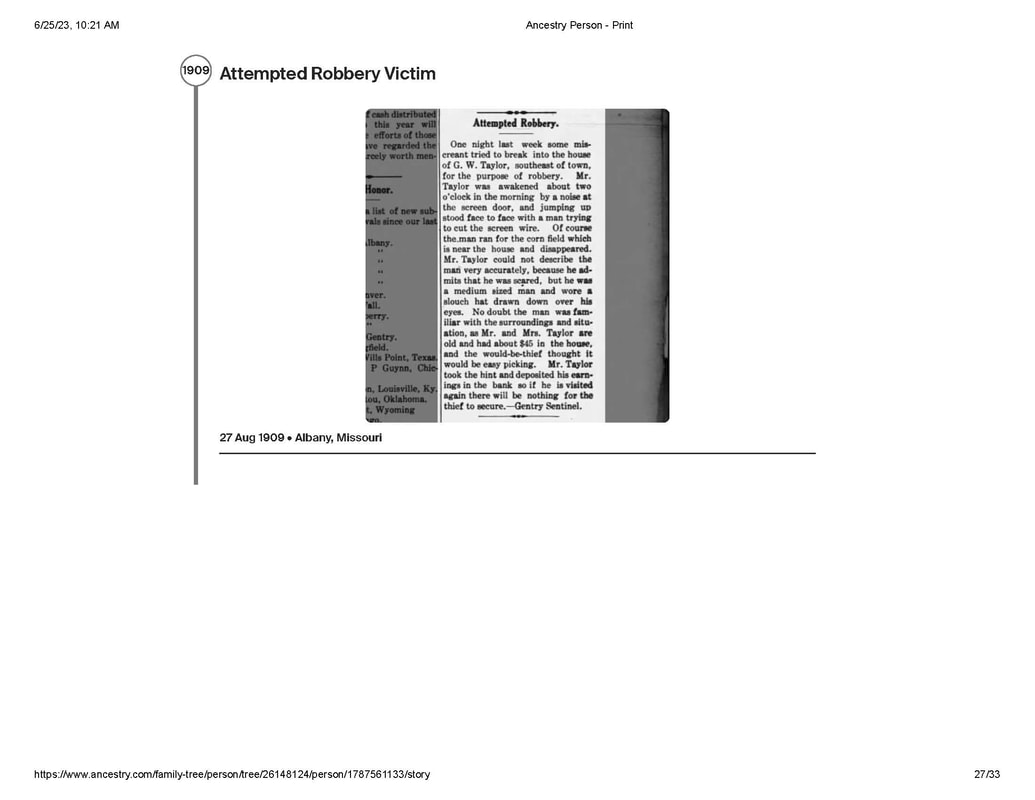
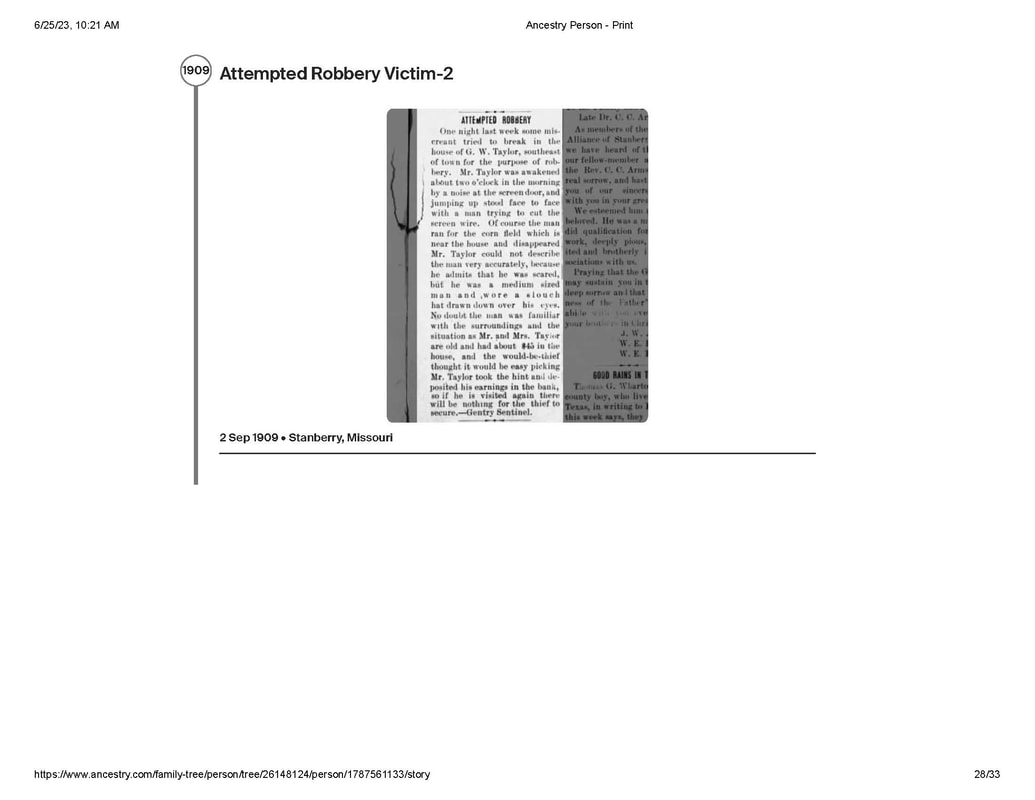
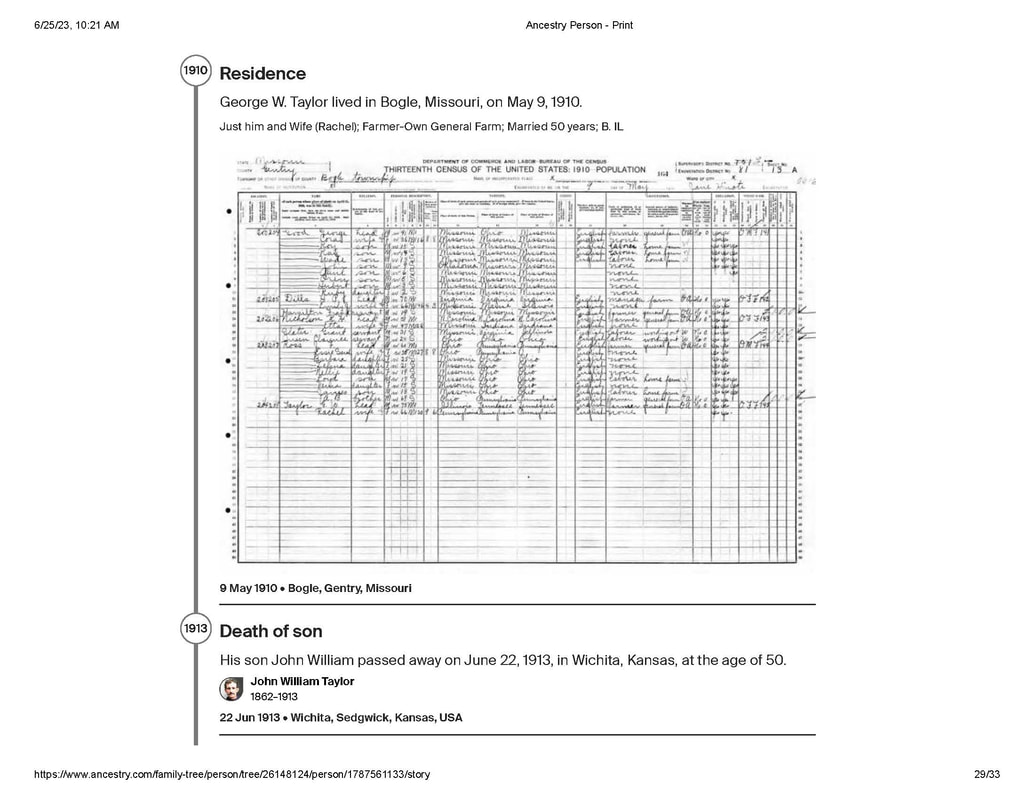
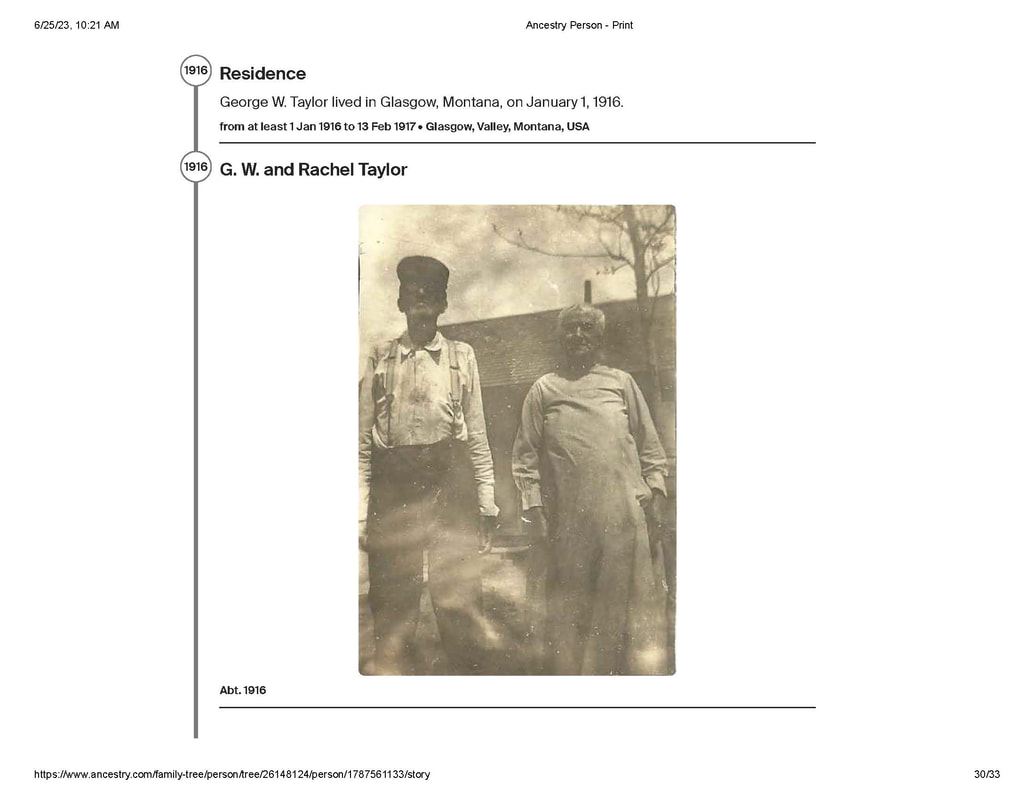
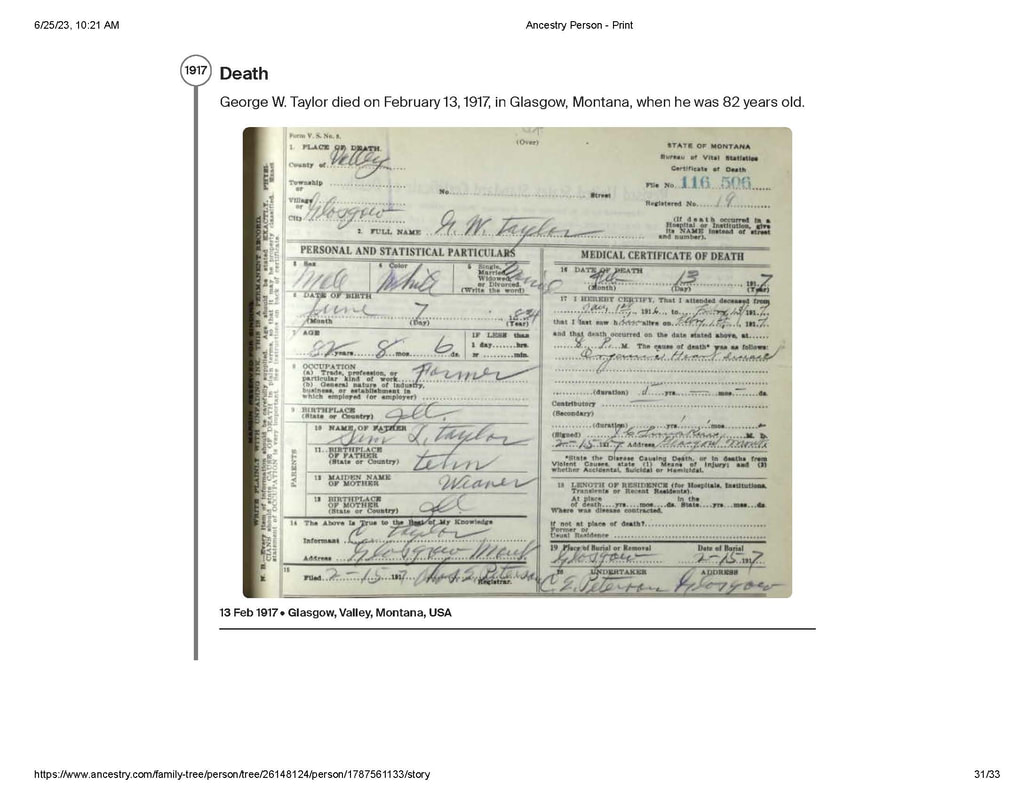
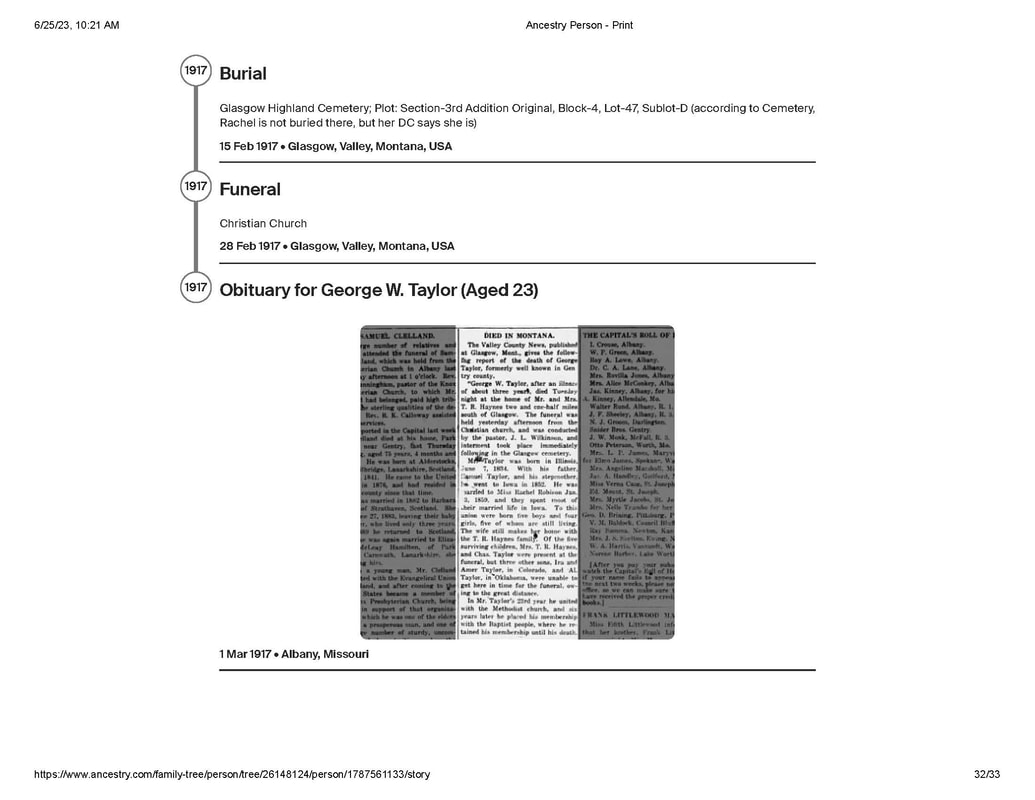
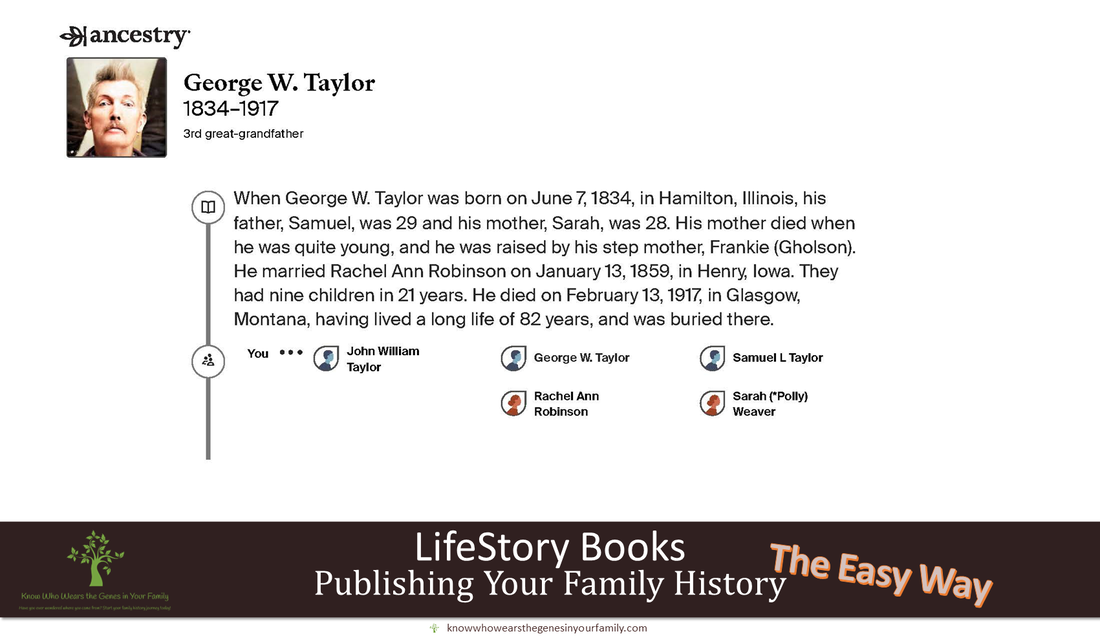 Publishing Your Family History: Stressless Ancestor Story/LifeStory Books Publishing Your Family History: Stressless LifeStory BooksAs mentioned in Publishing Your Family History: Stress-Free Timeline Books, you don't have to be a writer to publish your family history! Take the stress out of the daunting task of sharing all of your hard work, and publish your family history the easy way! One of the easiest ways to publish your family history, if you’re not much of a writer, is with a pregenerated ancestor story, which can also include a timeline! Print out your family history stories using ancestor profiles with facts and tidbits of info! Pregenerated Ancestor profile stories are a fantastic and easy option to share all your hard work with your family or the public! They are also an easy to view and absorb option, which makes them a great way to get others involved! I usually use a family tree/genealogy program, such as Family Tree Maker, to print out various reports, trees, timelines, stories, etc., but if you don't have a genealogy program, Ancestry has their LifeStory printouts! Check out what you can do with an Ancestry LifeStory, below! Ancestry LifeStory/Ancestor Profile Printout Example:*Tips:
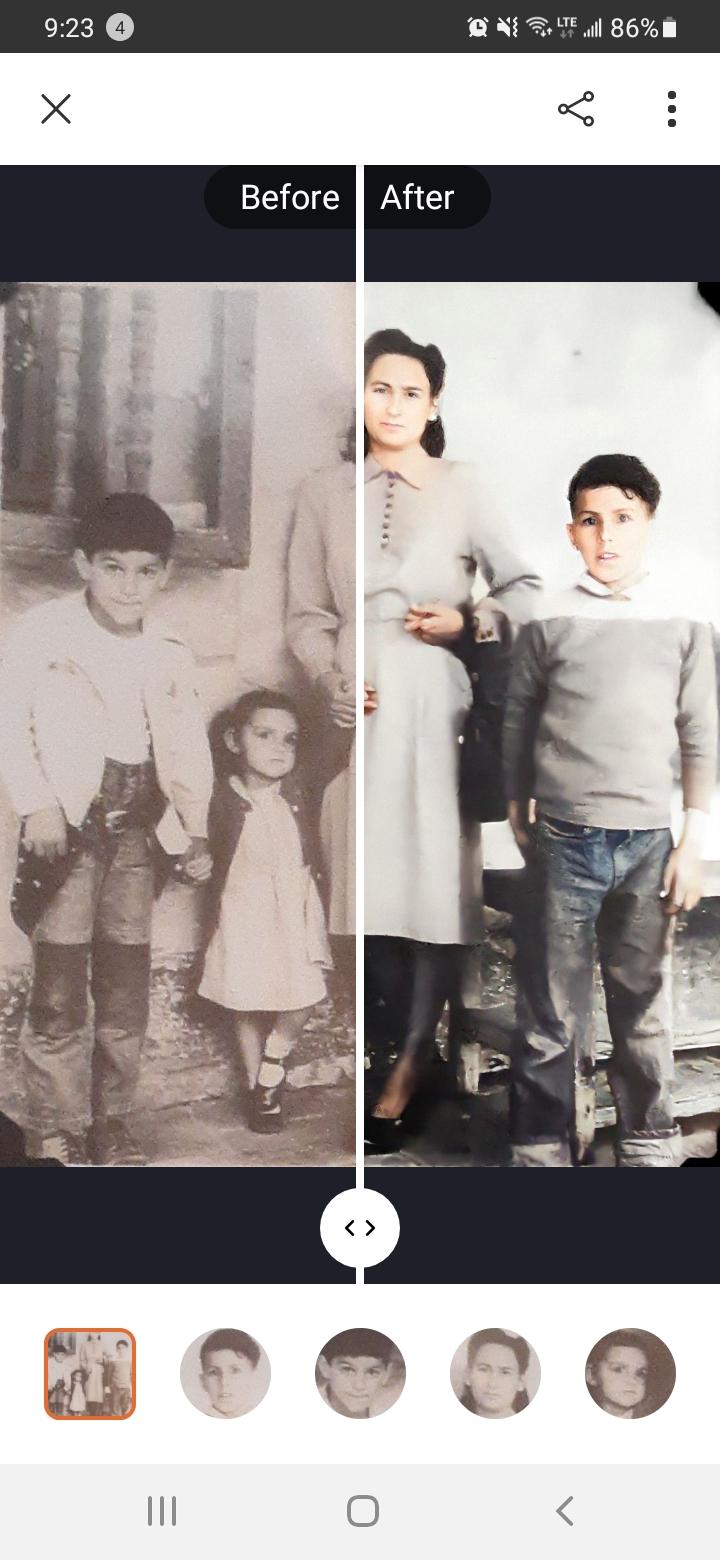
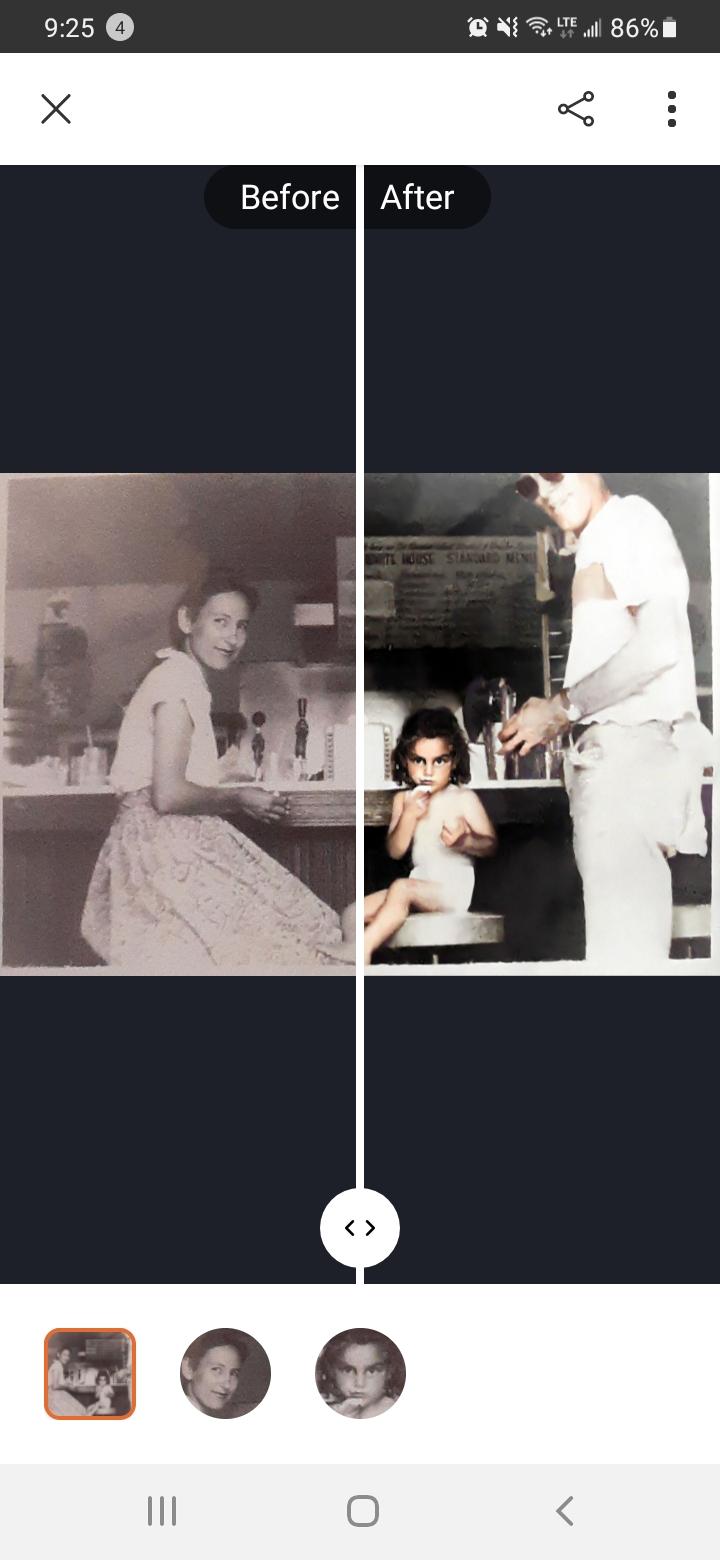
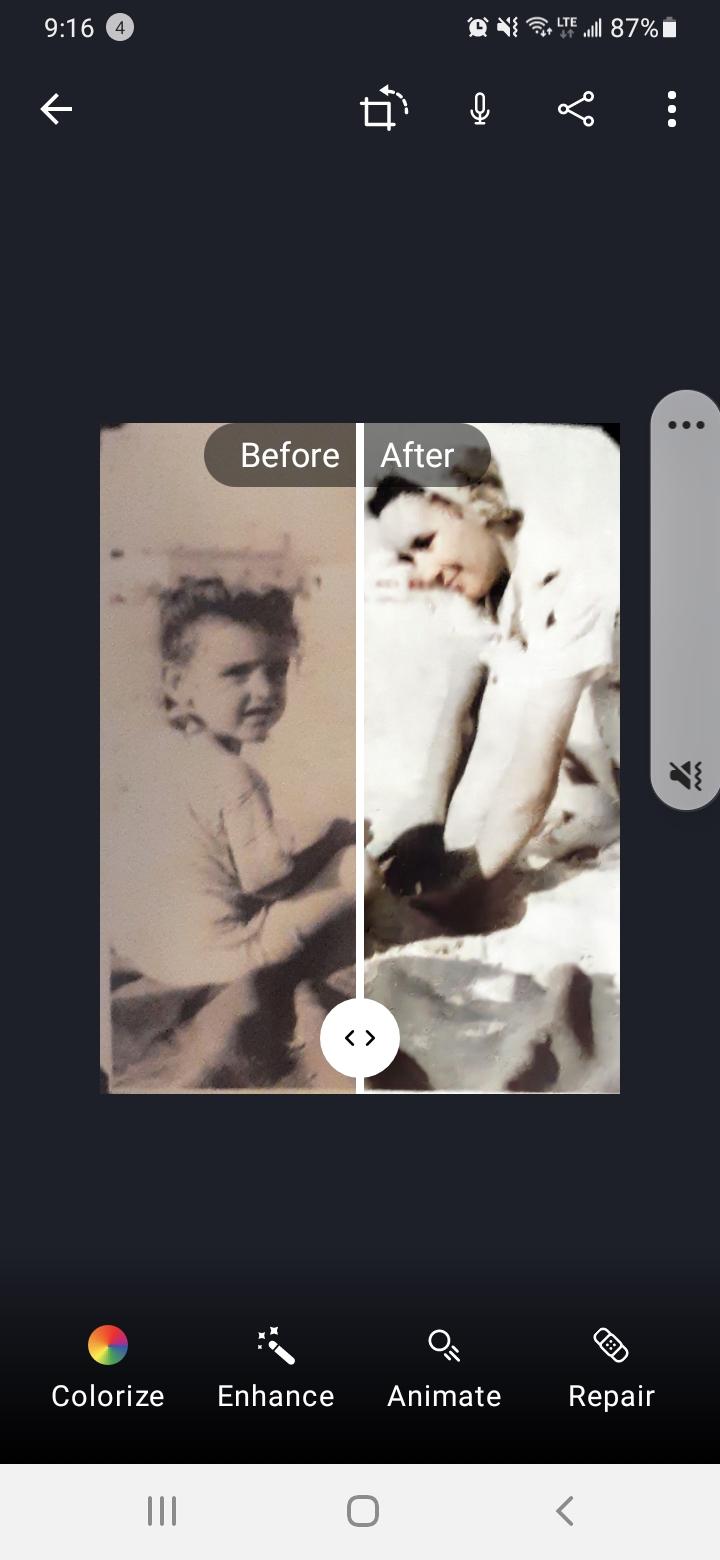
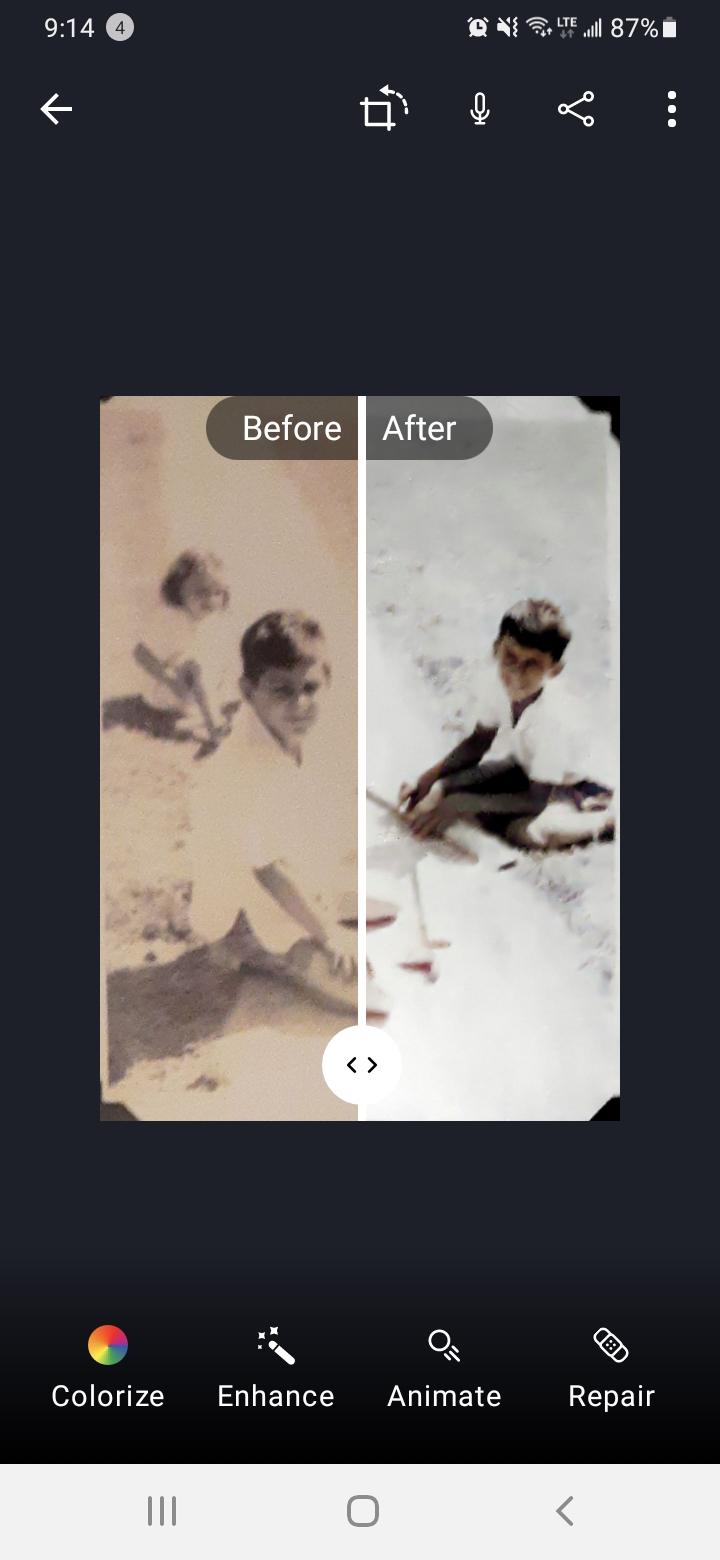
Remember…ANYONE can publish their family history! *Note: ©Diane Henriks (Copyright protected, and all rights are reserved. No portion of these images may be reproduced, stored in a retrieval system or transmitted in any form or by any means; whether electronic, mechanical, etc., such as through copying, screenshotting, downloading, or other without prior written notice from me) 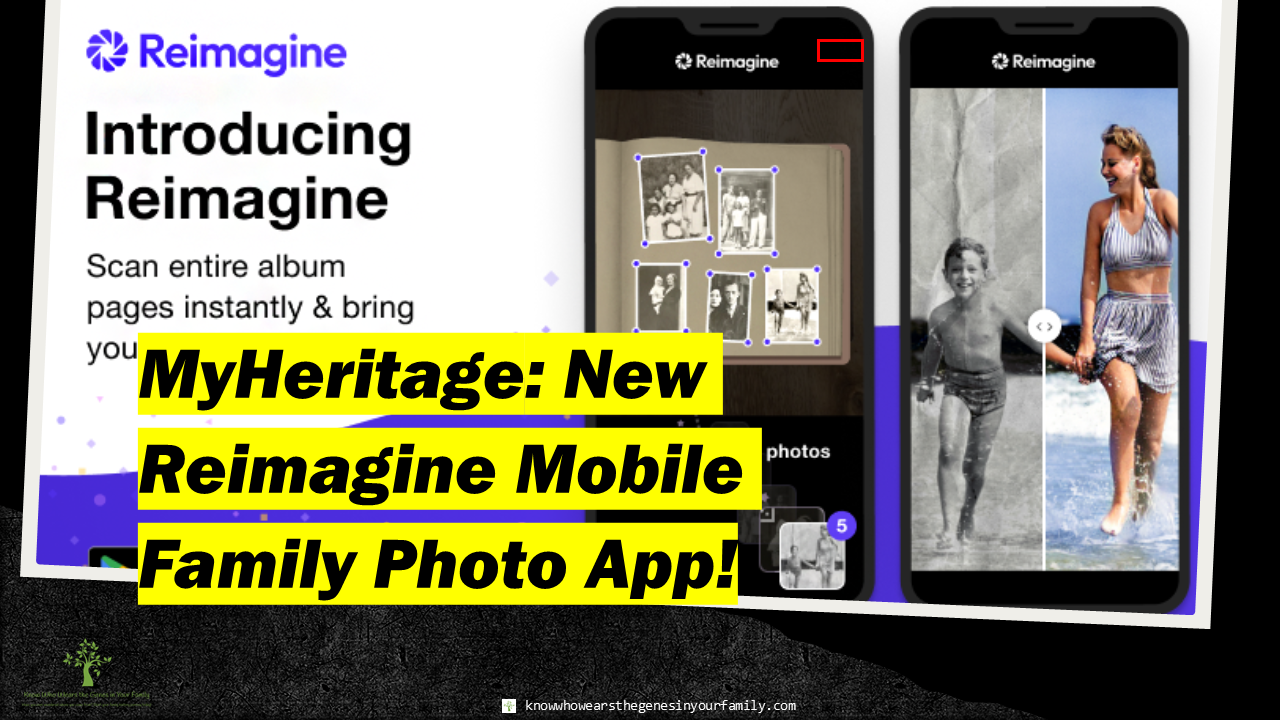 MyHeritage Updates: New Reimagine Family Photo App! MyHeritage Updates: New Reimagine Family Photo App! MyHeritage has done it once again; there is just no stopping them! They have just come out with another groundbreaking photo tool to help enhance your family history experience! Reimagine, their new state-of-the-art, all-in-one, mobile, photo app where MyHeritage, once again, uses top-of-the-line AI technology! It’s the perfect photo app, not only for genealogists, but for anyone and everyone! For family photos old and new, bring those family memories to life, then share them to get others interested and involved in their family history! Scan, colorize, restore, enhance, repair, animate, preserve, and share your family photos! Reimagine Photo App:
Cost of Reimagine:
Download Reimagine App:Stay tuned for exciting features and improvements already coming to Reimagine! More Genealogy Resources: Learn about more MyHeritage features and other family history and genealogy resources under the Genealogy Resources category and on my dedicated Genealogy Resources page. 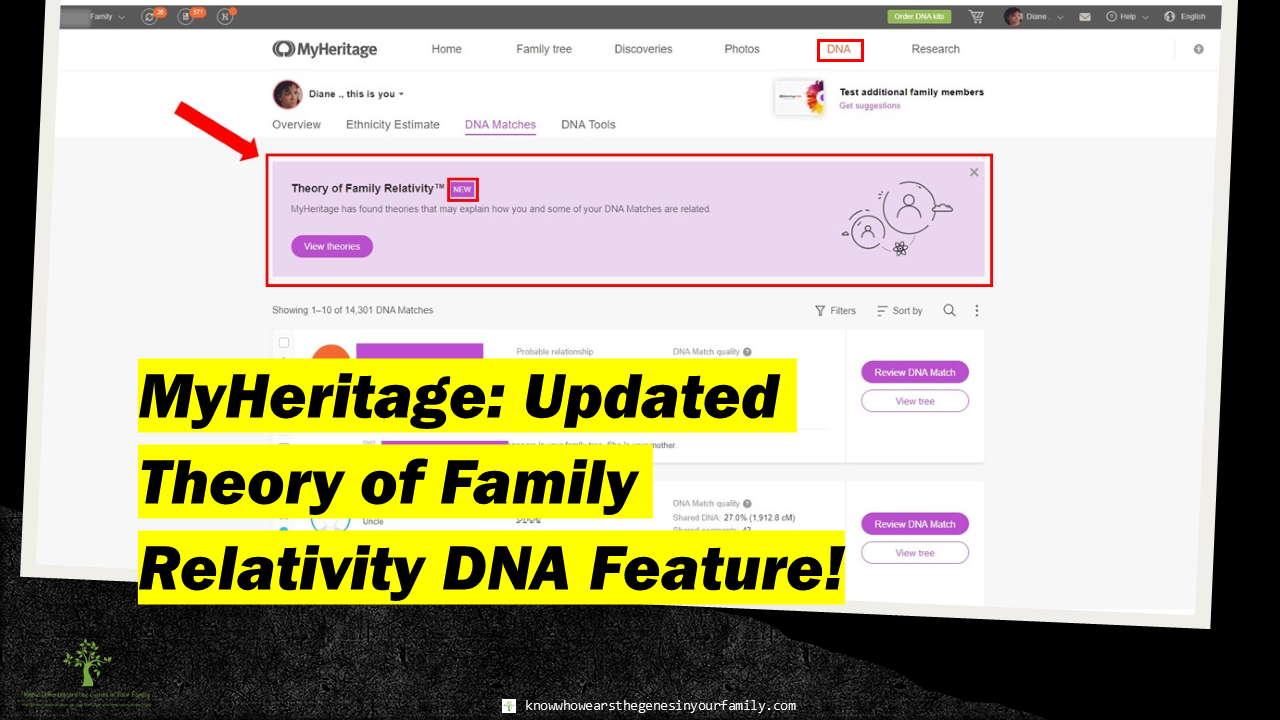 MyHeritage Updates: New Theory of Family Relativity UpdateMyHeritage has been working behind the scenes and around the clock to bring you tons of state-of-the-art new updates, tools, and features! One of these is the newly updated Theory of Family Relativity, that just added millions of new theories to help you discover how you’re related to your DNA Matches! Theory of Family Relativity can save you painstaking hours of trying to figure out how you’re connected to your DNA matches, using their large database of their family trees and historical records that provide you with probable theories about how you and your DNA matches are related! This feature sets DNA tools at a whole new level! And, as an extra bonus, they’ve made improvements to their DNA section! New Theory of Family Relativity Update:
How to get to Theory of Family Relativity:Right now it is super easy to get to the MyHeritage Theory of Family Relativity! Since they have an all new update for it, they have it advertised right in plain view under your DNA matches! 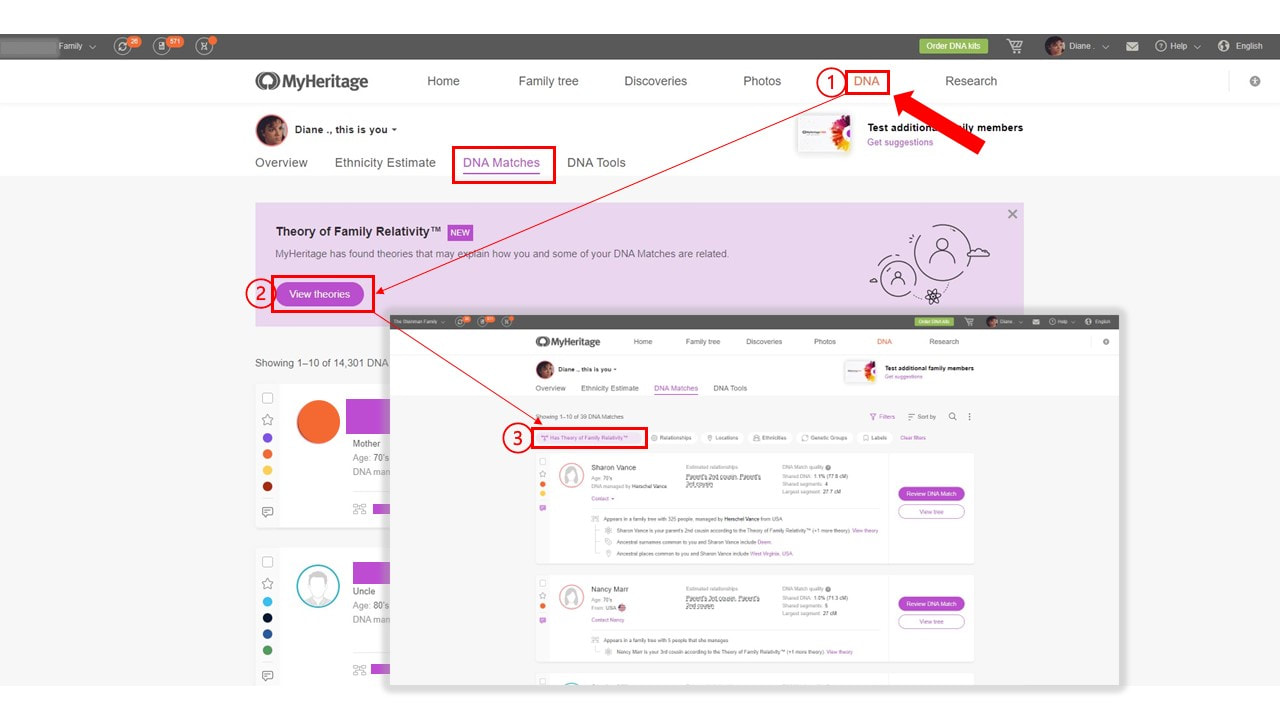 How to get to MyHeritage Theory of Family Relativity-1 It won't be advertised as new forever, so the standard way to get to your Theory of Family Relativity theories is from your DNA match list filters, under the "Tree details" labeled filter. Your "Tree details" is already set by default; just go ahead and choose "Has Theory of Family Relativity". 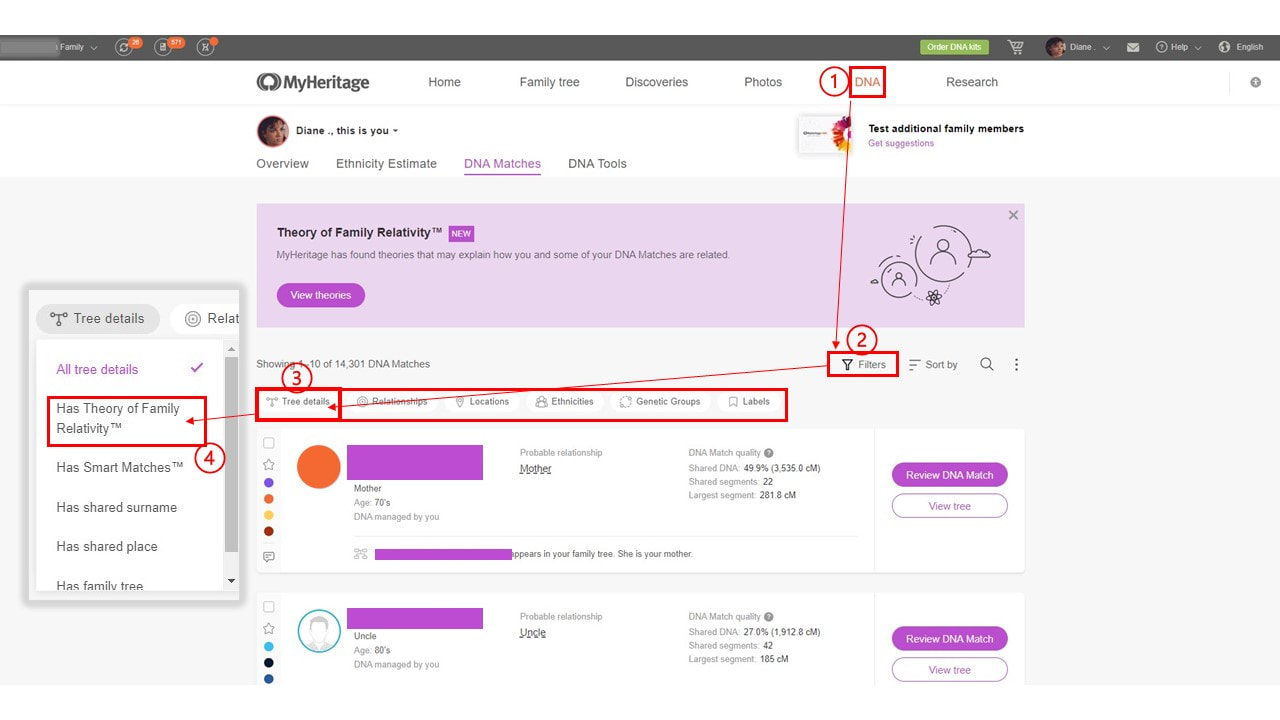 How to get to MyHeritage Theory of Family Relativity-2 How to View New Theories:MyHeritage makes it super simple to view any theories that are new and not yet viewed! Just look for the "NEW" button right next to the Theory of Family Relativity symbol, under your match's info. 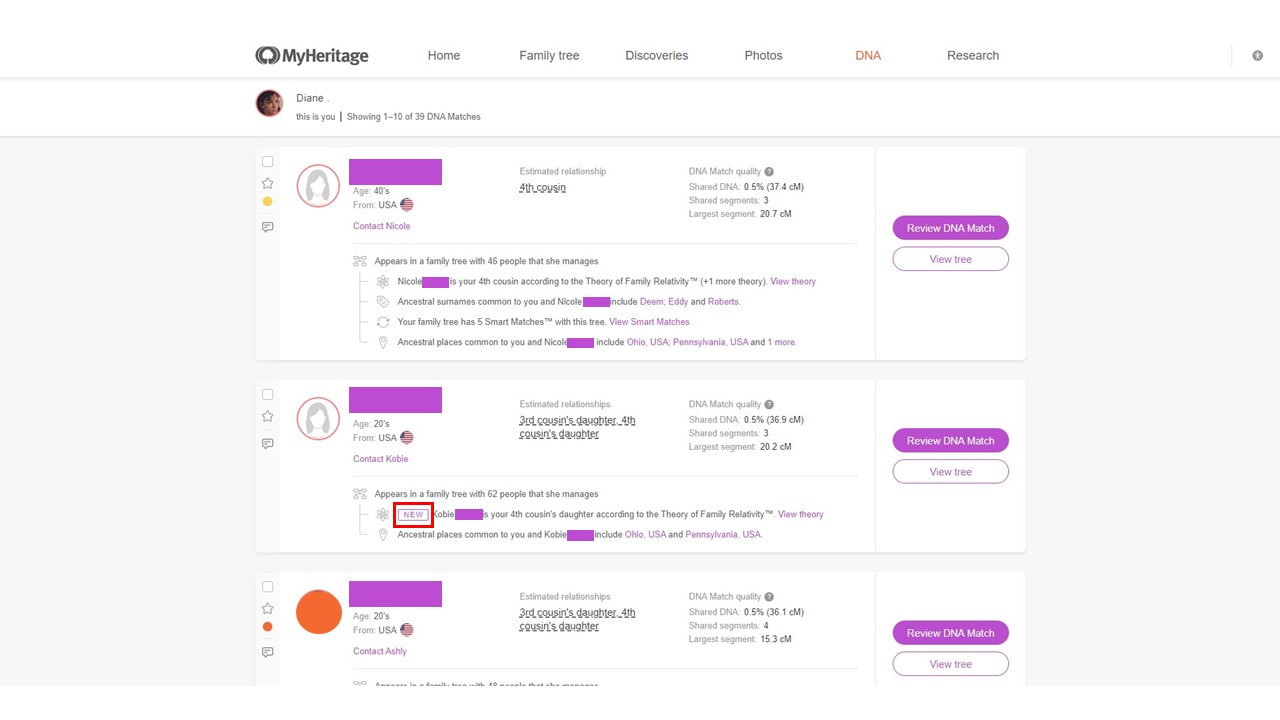 How to View the MyHeritage Theory of Family Relativity New Theories How to View ALL Theories:To view ALL of your theories, whether new or previously viewed, just click on the highlighted "View theory" at the end of the theory summary next to the Theory of Family Relativity symbol. 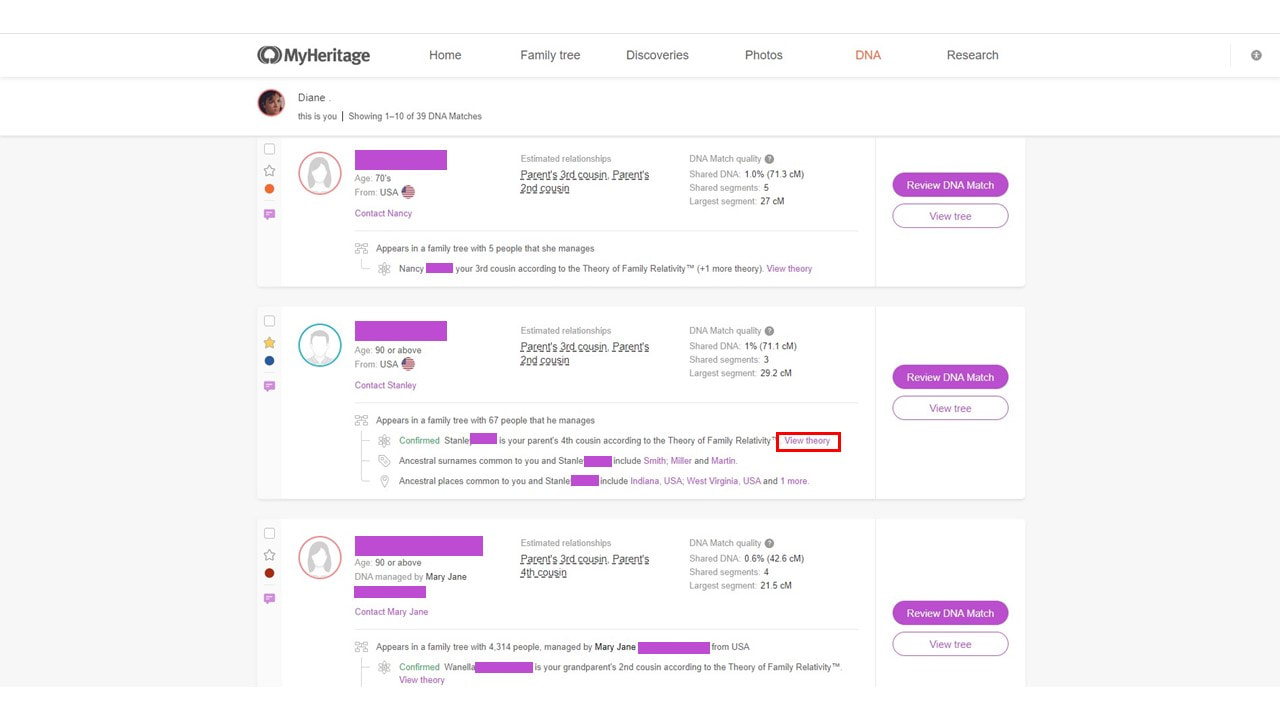 How to View All MyHeritage Theory of Family Relativity Theories Theory of Family Relativity Example:There may be just one or multiple paths that were taken to come up with your theories. The more paths you have, the stronger the reliability of the proposed relationship. The example below is a confirmed, by me, theory, which has 5 paths that were used to come up with the theory. You can toggle between the paths, to see the details of each. 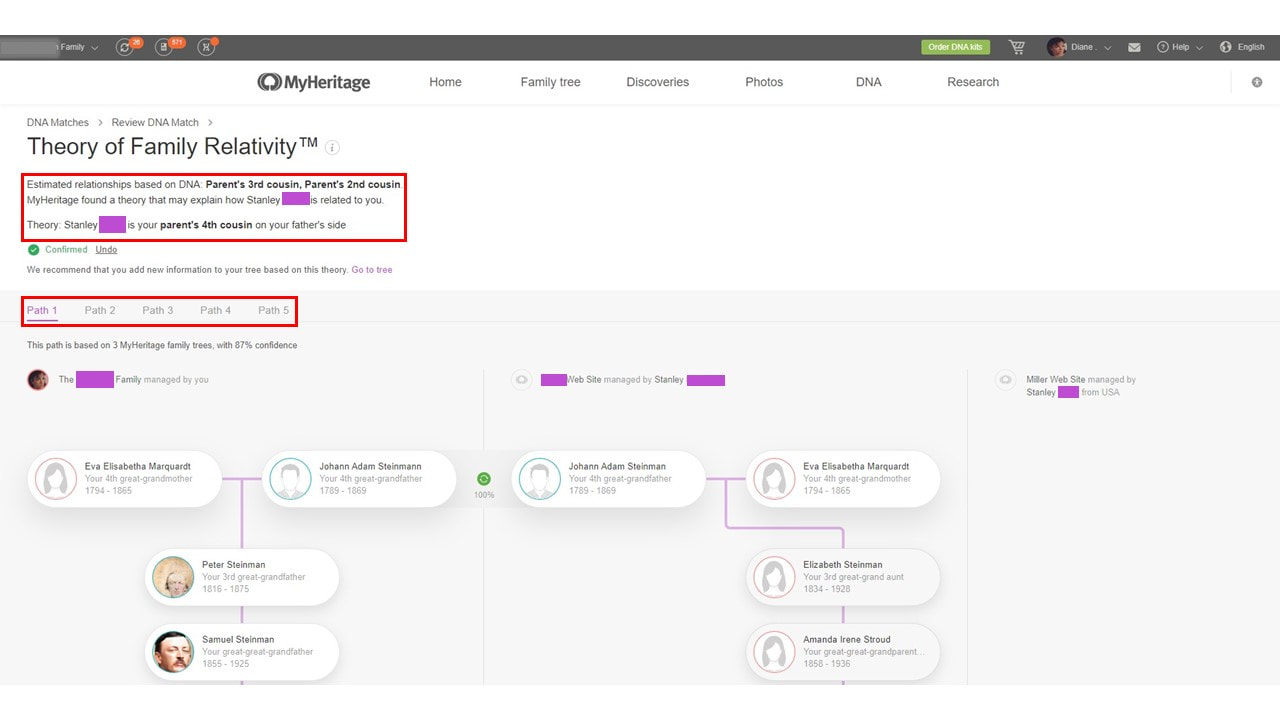 Theory of Family Relativity Example Path 1 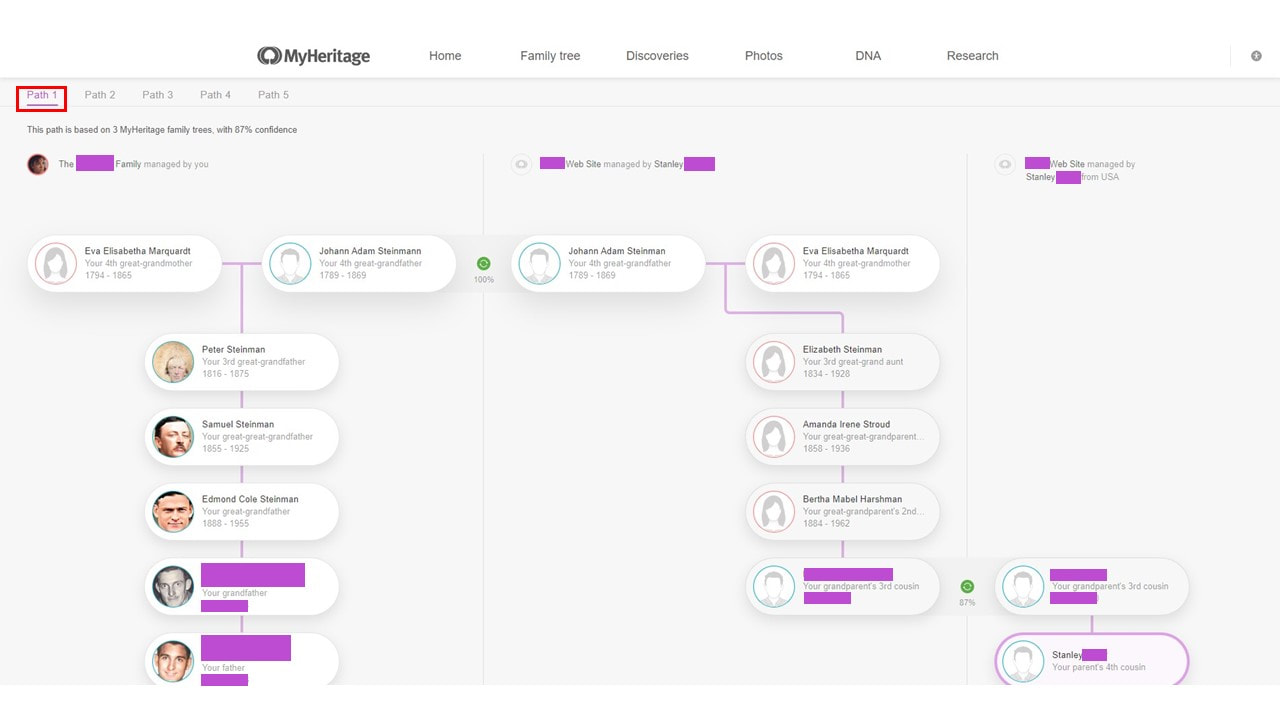 Theory of Family Relativity Example-Path 1 Path 2 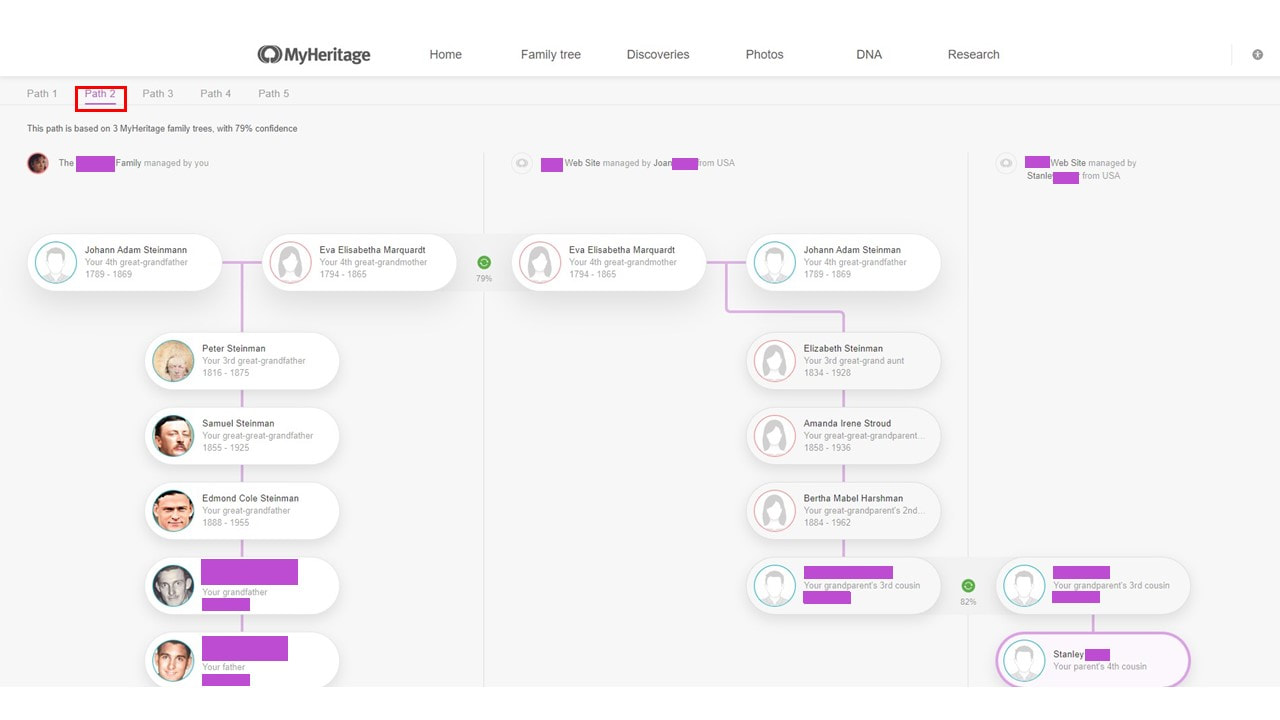 Theory of Family Relativity Example-Path 2 Path 3 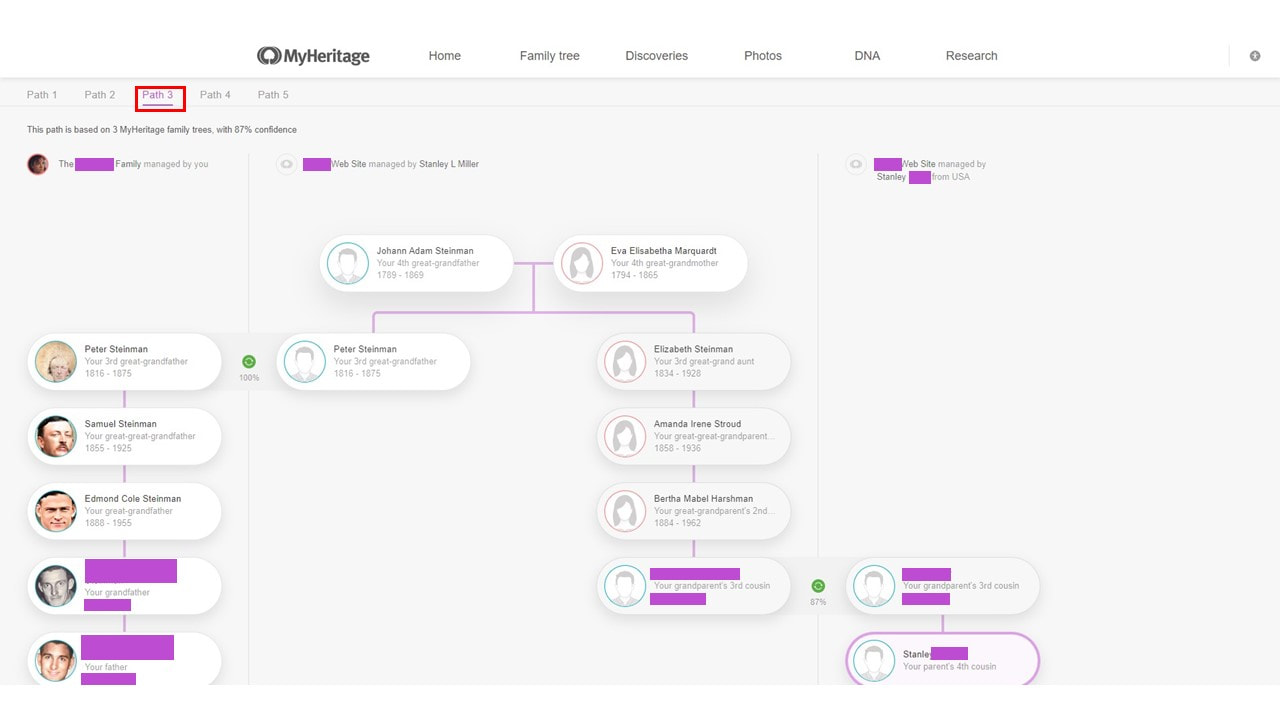 Theory of Family Relativity Example-Path 3 Path 4 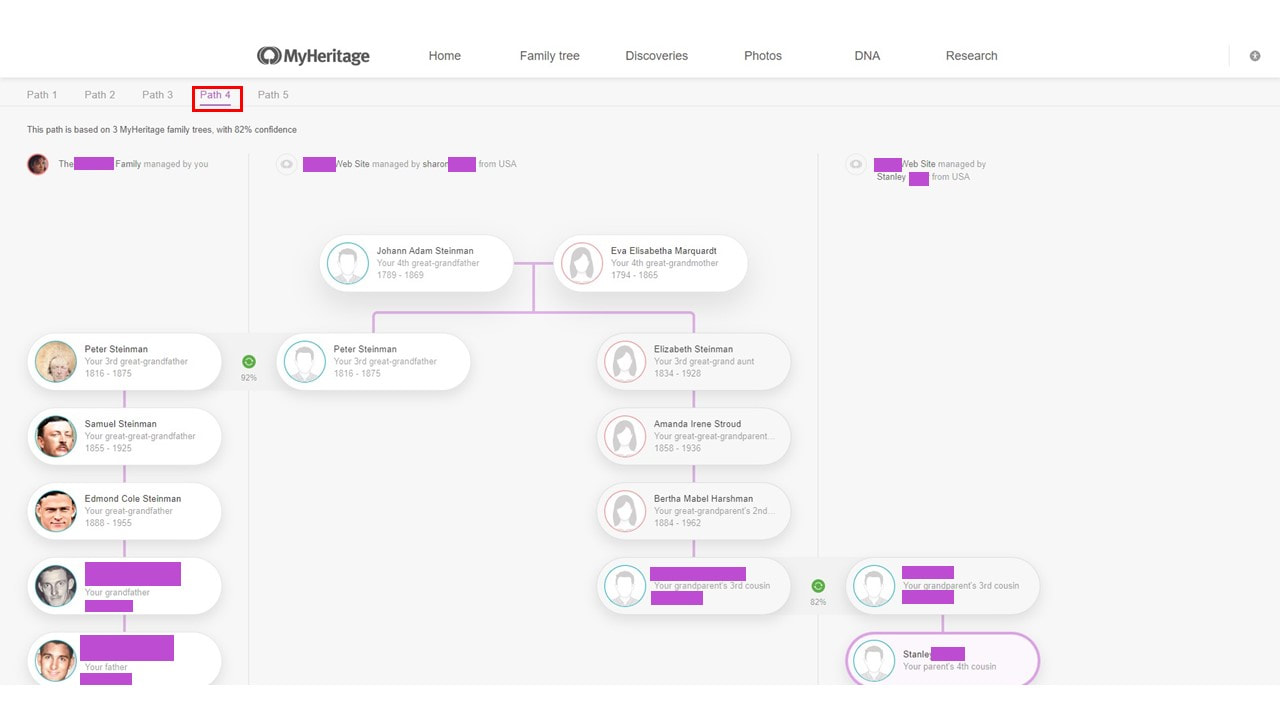 Theory of Family Relativity Example-Path 4 Path 5 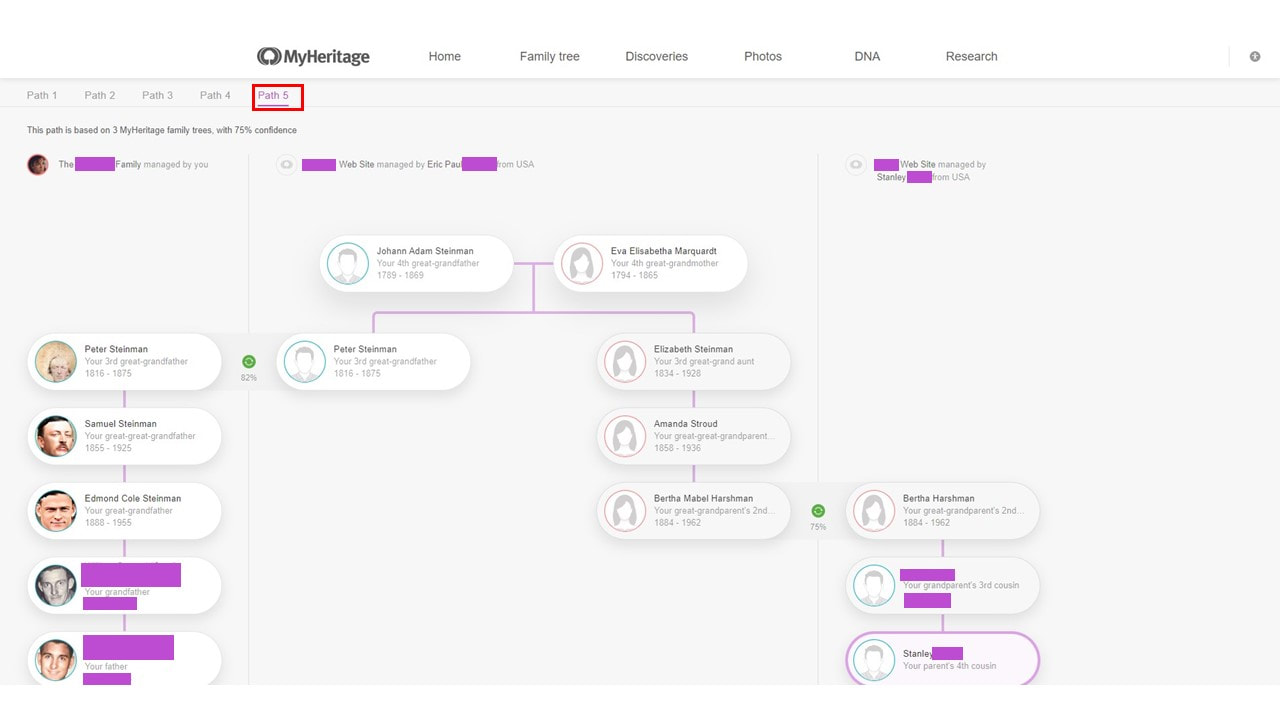 Theory of Family Relativity Example-Path 5 Confirming or Rejecting Your Theory:It is very important to confirm or reject your theory. By doing so, it will not only keep you organized, but it will also help to fine tune the algorithm. Don't worry if you've made a mistake confirming it; you can always undo it. 😉 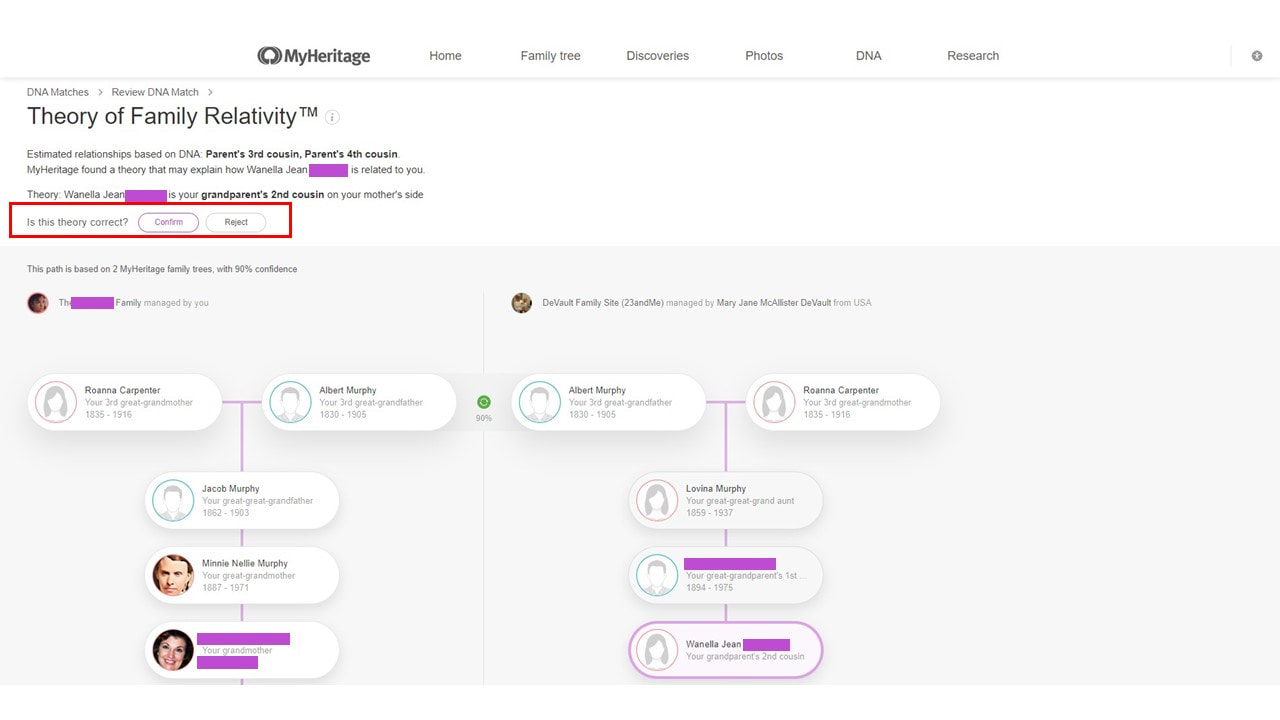 Confirming or Rejecting Your MyHeritage DNA Theory-1 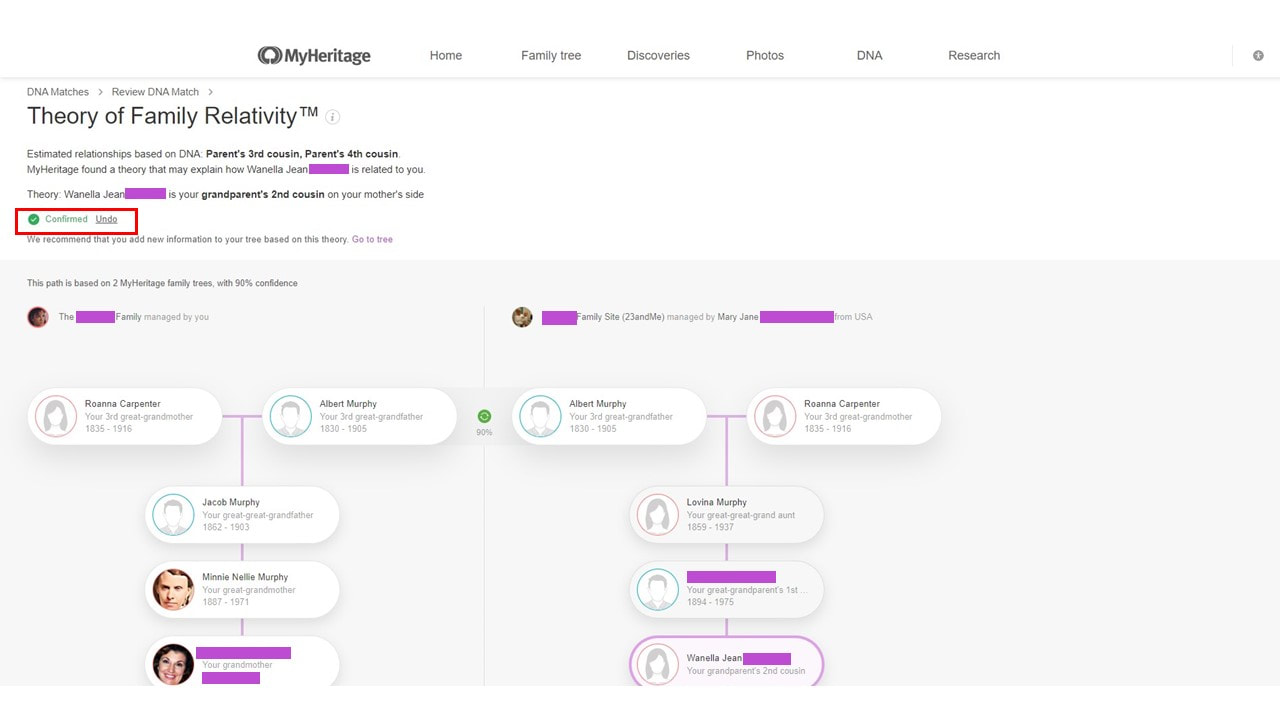 Confirming or Rejecting Your MyHeritage DNA Theory-2 My Personal Experience with Theory of Family Relativity:I've got to say, after checking out many of my known matches, they are ALL on point, which gives me hope for my unknown mathces! 😉 Something to think about:
MyHeritage is hard at work and constantly bringing you tons of new records. Want even better state-of-the-art tools and features, spread the word about MyHeritage, their DNA kits, and their FREE DNA transfers, which all add to improving the tools! A larger database = Improved tools and technology! 😉 Go into MyHeritage now, and try it out! More Genealogy Resources:Learn about more MyHeritage features and other family history and genealogy resources under the Genealogy Resources category and on my dedicated Genealogy Resources page.
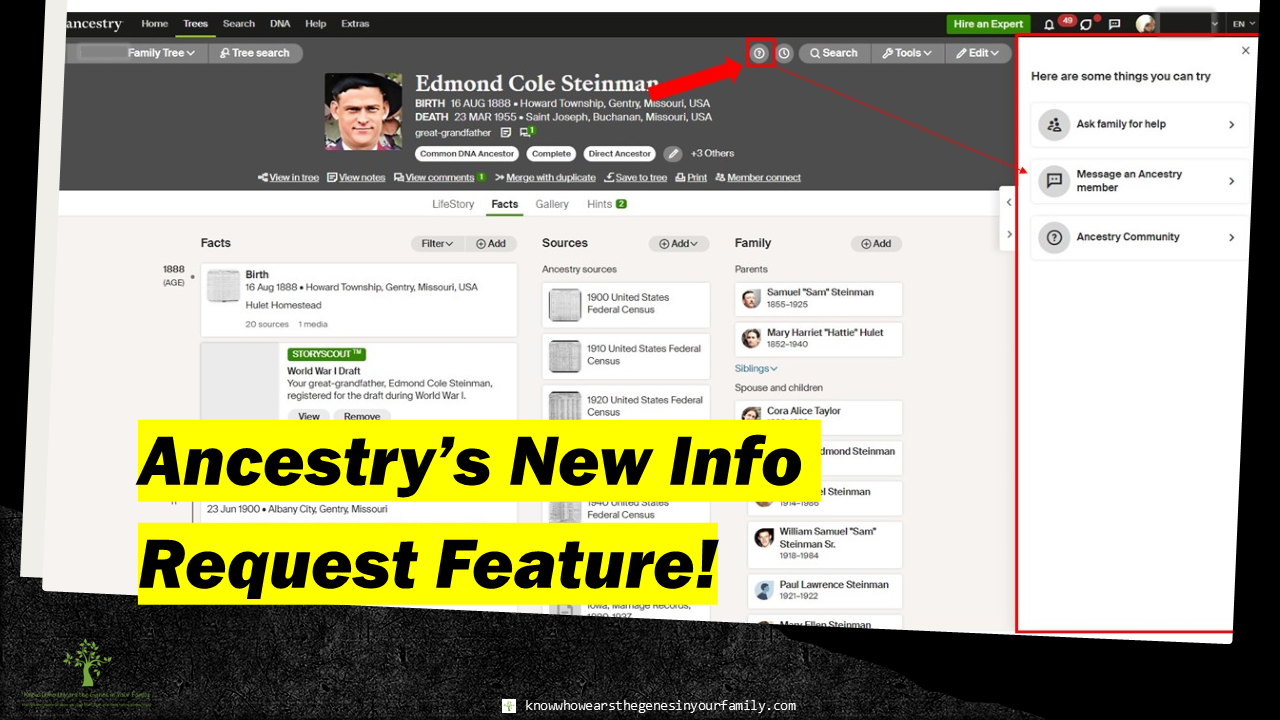 Ancestry Updates: New Info Request Feature! Ancestry Updates: New Info Request Feature!Ancestry has a new, much anticipated feature that was mentioned at RootsTech! This feature sets collaborating at a whole new level! As mentioned in Ancestry 2023 Updates: New Genealogy and DNA Tools and Features, they have tons of new tools and features coming out as part of their new updates for this year. As of yesterday, May 25th, they released their new Info Request feature (well, at least I have it), with it’s own icon, where you can request info on a family member! You can get help by asking family, by messaging an Ancestry member, or from the Ancestry Community! This makes collaborating with others so much easier, while getting any info you may need even from outside the Ancestry community! How to Get to Info Request:
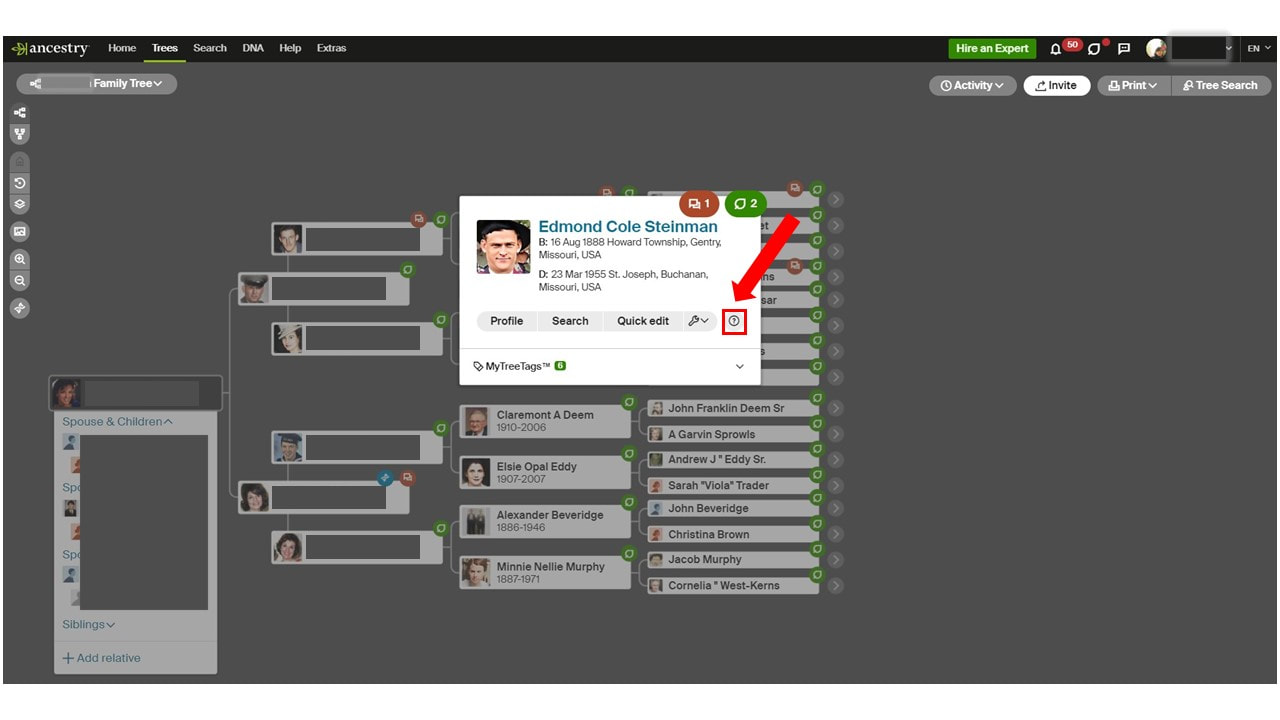 Get to Ancestry's New Info Request in Quick Profile View from Pedigree"/"Horizontal" View 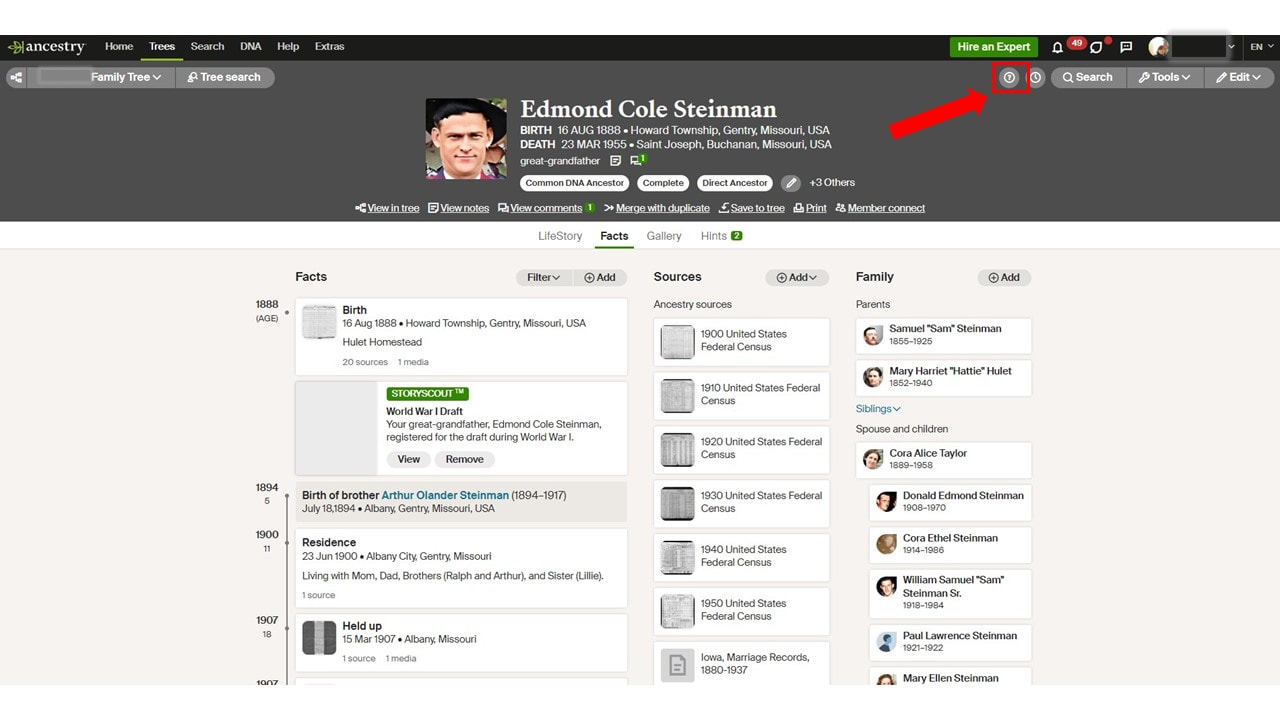 Get to Ancestry's New Info Request from the Ancestor/Relative Profile page 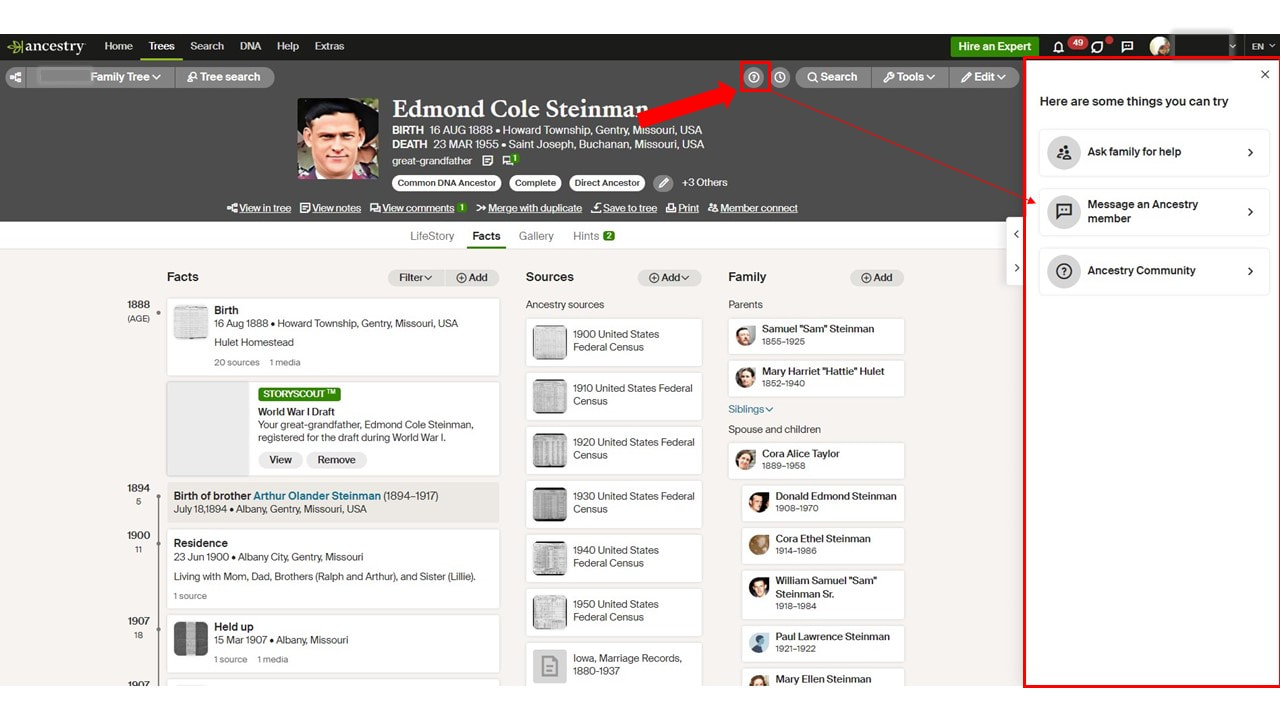 Ancestry's New Info Request Feature Ask Family for Help: Ask family for help with a particular ancestor or relative, by emailing them a link to that person that includes fields to suggest name, birth, and death info!
*Note: I have tested it out multiple times, but I cannot figure out where you can find the suggestions that are made; I have checked anywhere and everywhere so far. Since this just came out yesterday, they may be working out any kinks in it or still working on that part. When they were talking about this, they were thinking it would go straight into your tree, but I am not sure that is the case. I guess we’ll just have to wait and see. I’ll update this post when they have figured that portion out. 😉 *Update 5/28/23: This morning I was able to find the emailed suggestions under my notifications. Hopefully they will come up with alternate ways to find them, to make it easier, maybe with a notification icon for those suggestions on the person's profile page or quick view profile in Family Tree View. 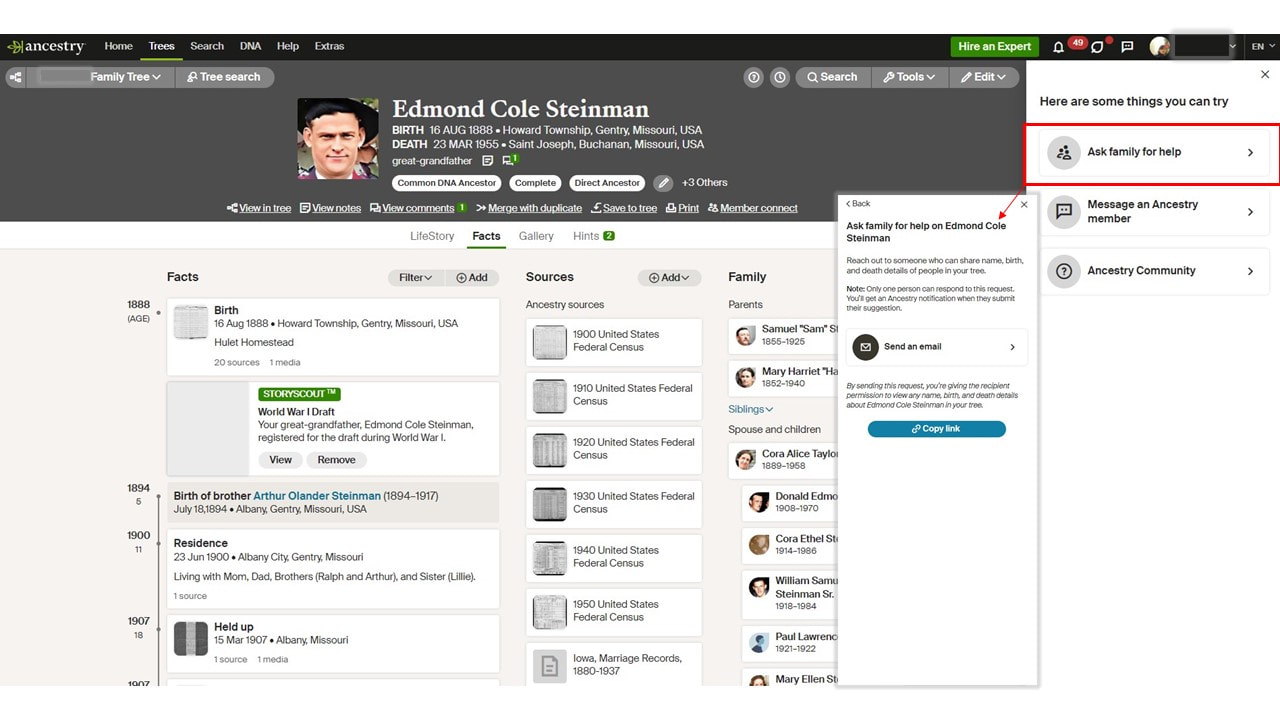 Ancestry's New Info Request Feature: Ask Family for Help Option 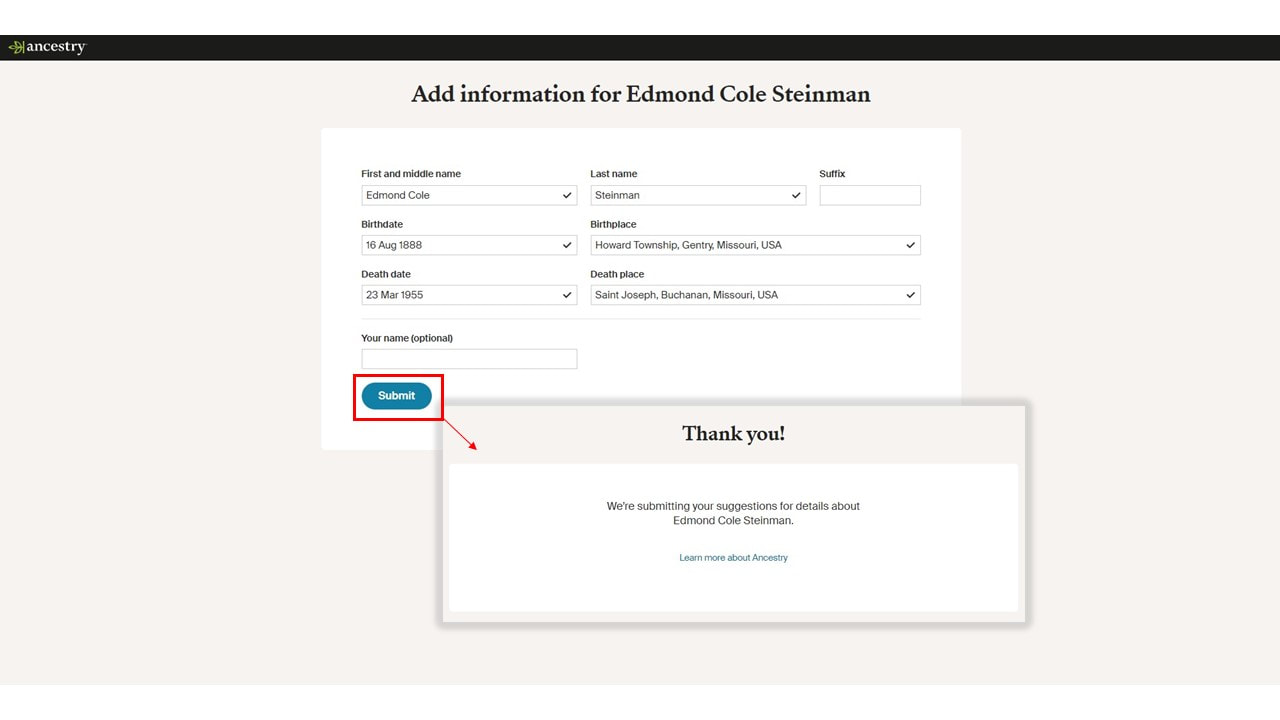 Ancestry's New Info Request Feature: Family Suggestion Input Email 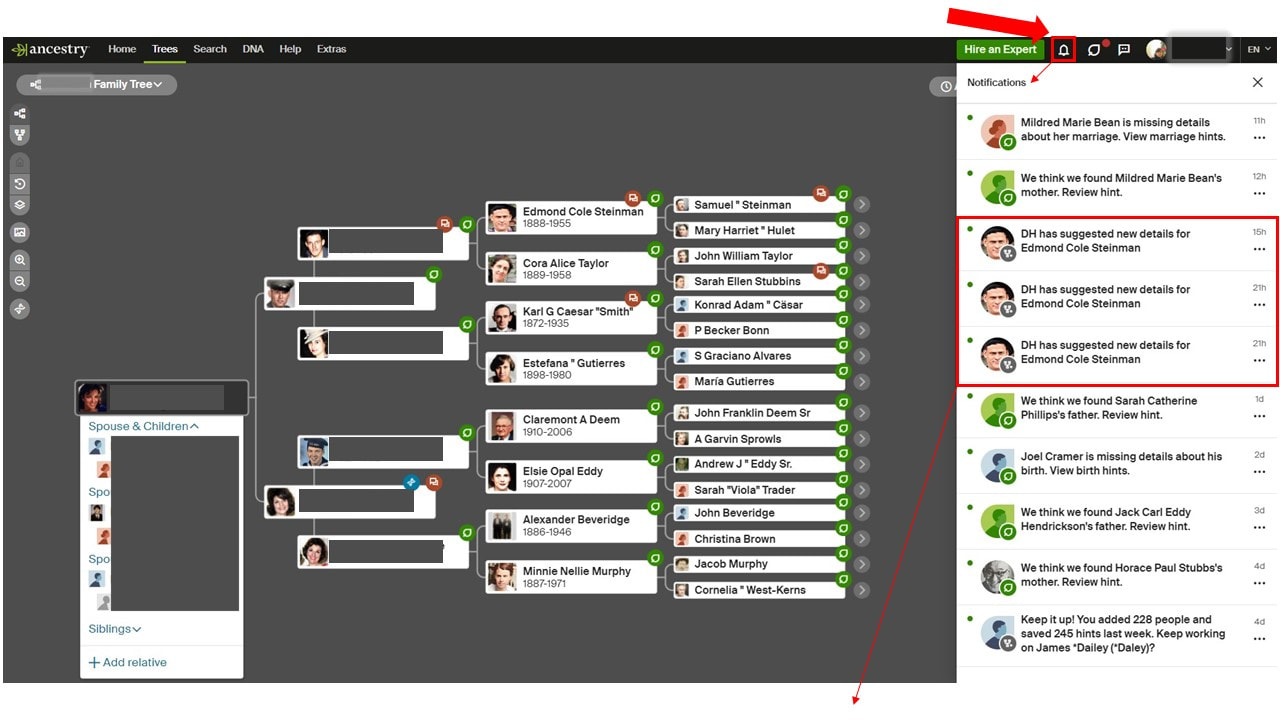 Ancestry's New Info Request Feature: Family Suggestions Under Notifications 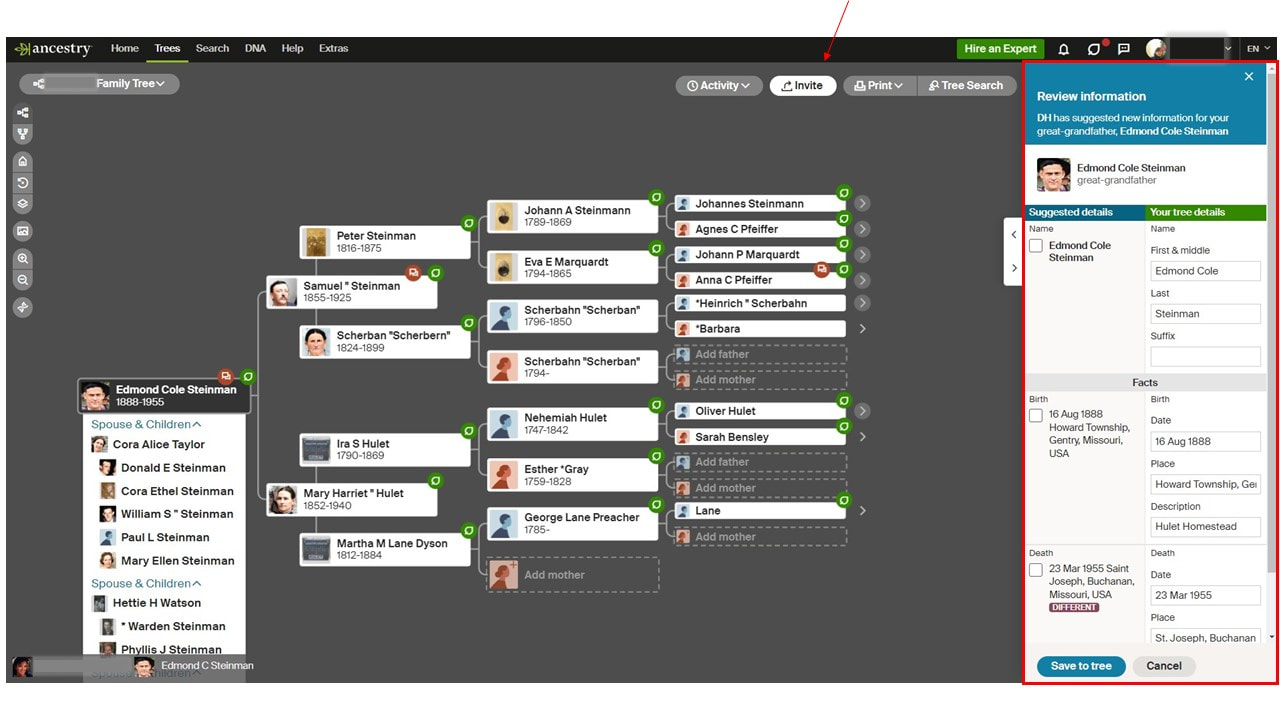 Ancestry's New Info Request Feature: Family Suggestion Review Message an Ancestry Member: Takes you straight to your Ancestry messaging center, where you can search your contact list or message them on their profile, etc. 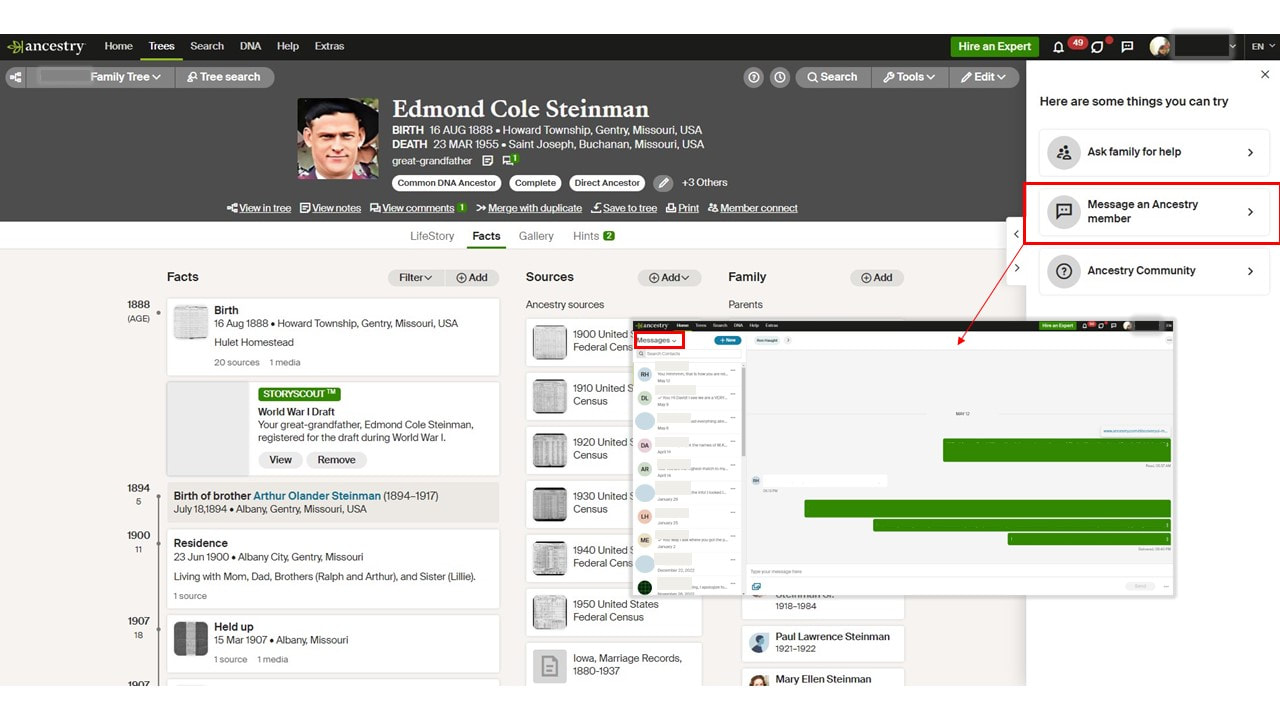 Ancestry's New Info Request Feature: Message an Ancestry Member Option Get Help from the Ancestry Community:
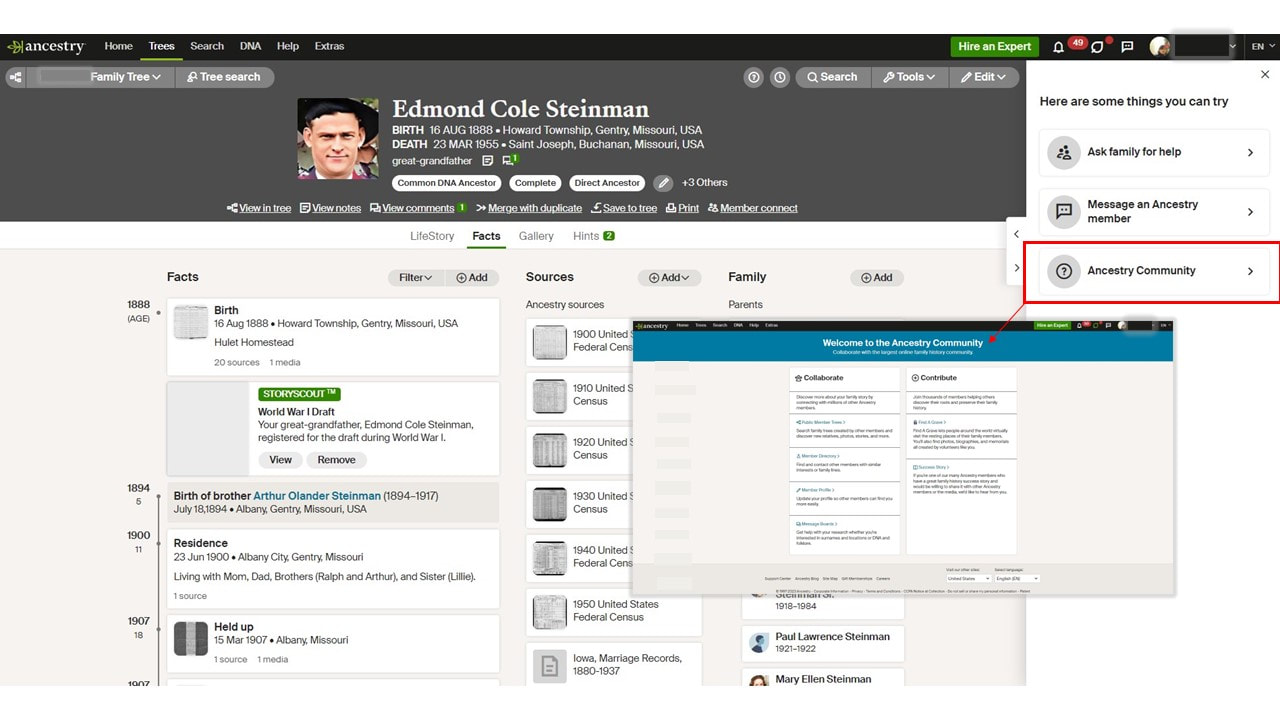 Ancestry's New Info Request Feature: Ancestry Community Option 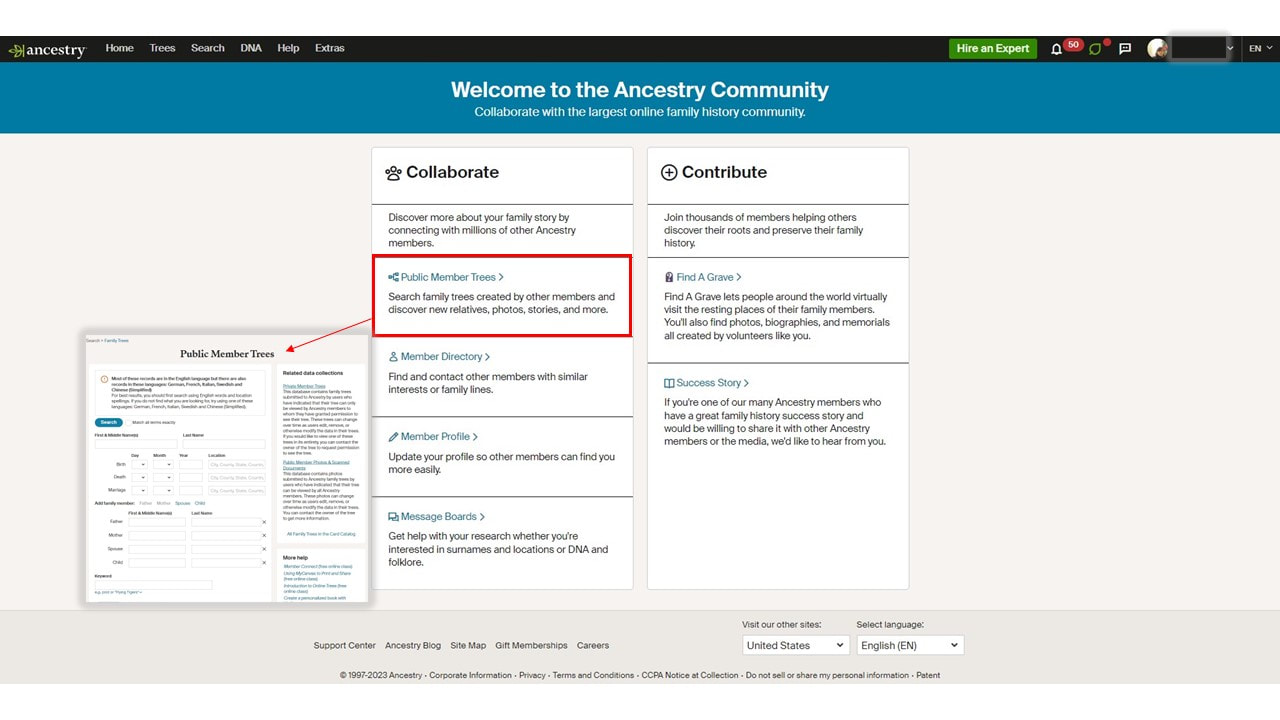 Ancestry's New Info Request Feature: Ancestry Community, Public Member Trees 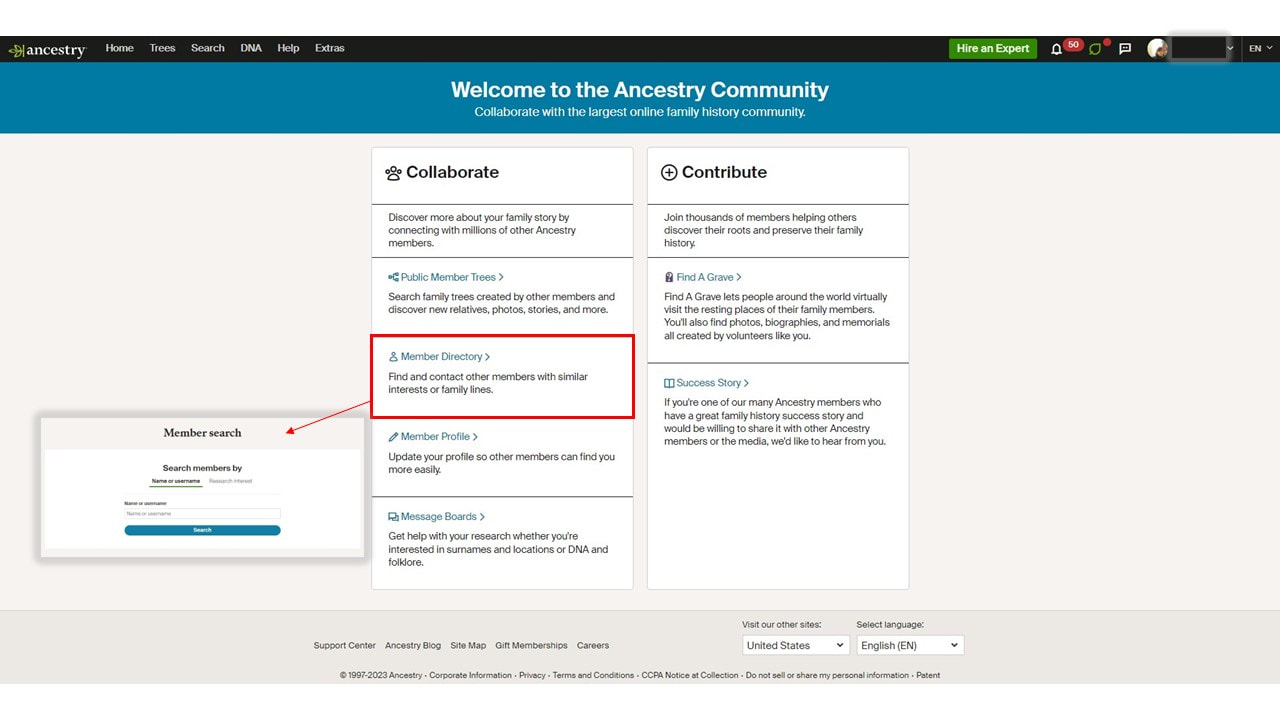 Ancestry's New Info Request Feature: Ancestry Community, Member Directory-1 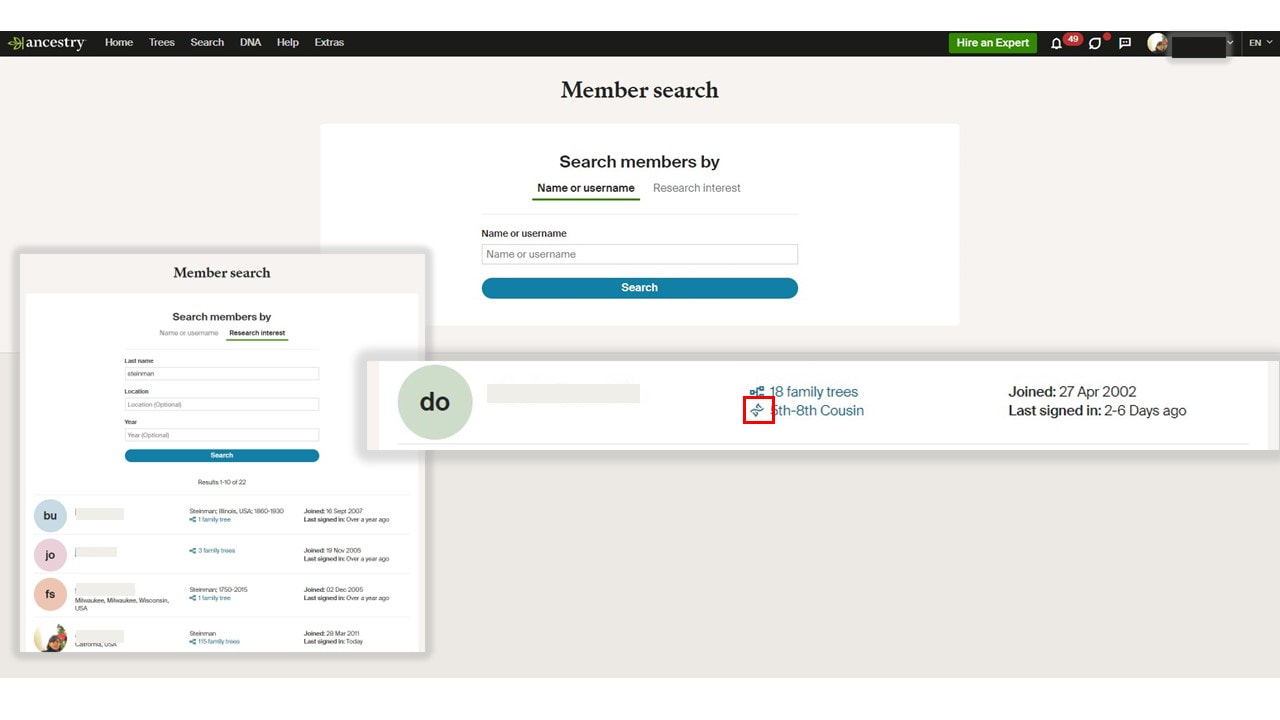 Ancestry's New Info Request Feature: Ancestry Community, Member Directory-2 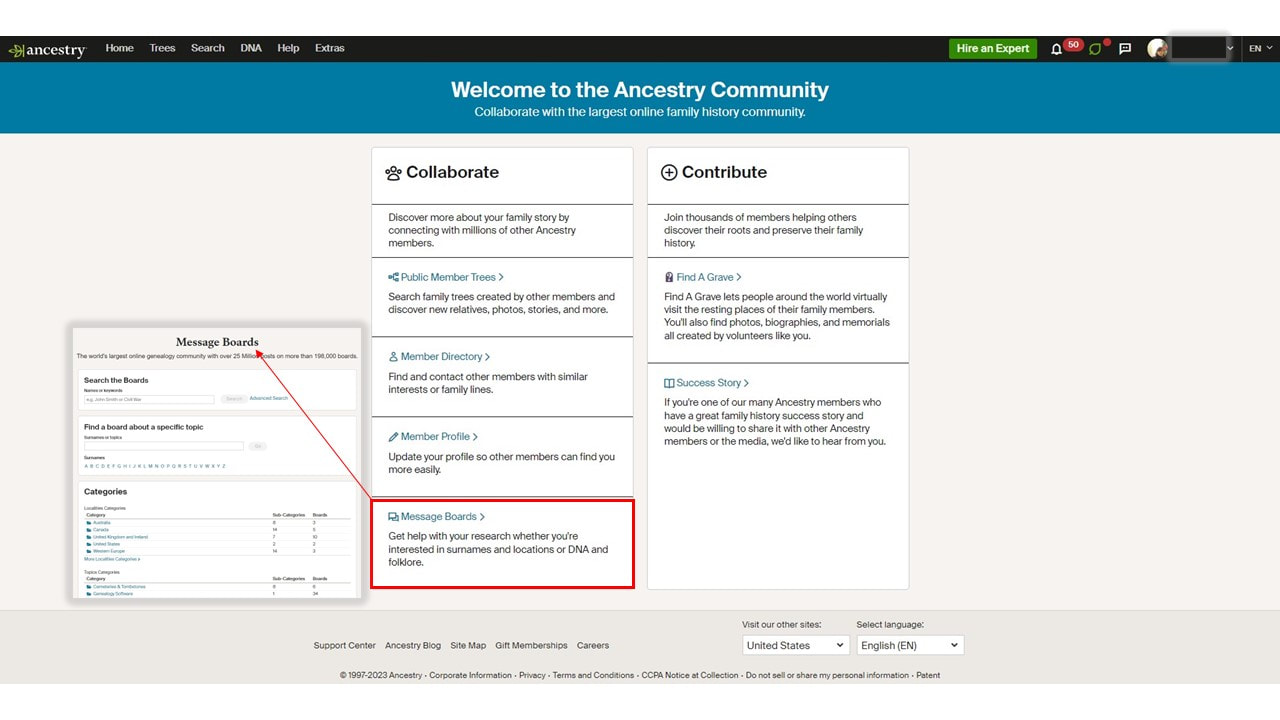 Ancestry's New Info Request Feature: Ancestry Community, Message Boards Thoughts about the New Info Request Feature: I’m still not sure about using a question mark icon for this feature yet; maybe they’ll come up with a better one for it, while they are working out the kinks. 😉 This seems like a great way to collaborate and even get help from outside Ancestry! Maybe one day they’ll even ramp it up so that you can have others see an entire ancestor’s or relative’s profile page without having to make your whole tree public or share your whole tree, to request info. If so, that would be an extremely fantastic feature that is much needed! More Genealogy Resources: Learn about more Ancestry features and other family history and genealogy resources under the Genealogy Resources category and on my dedicated Genealogy Resources page.
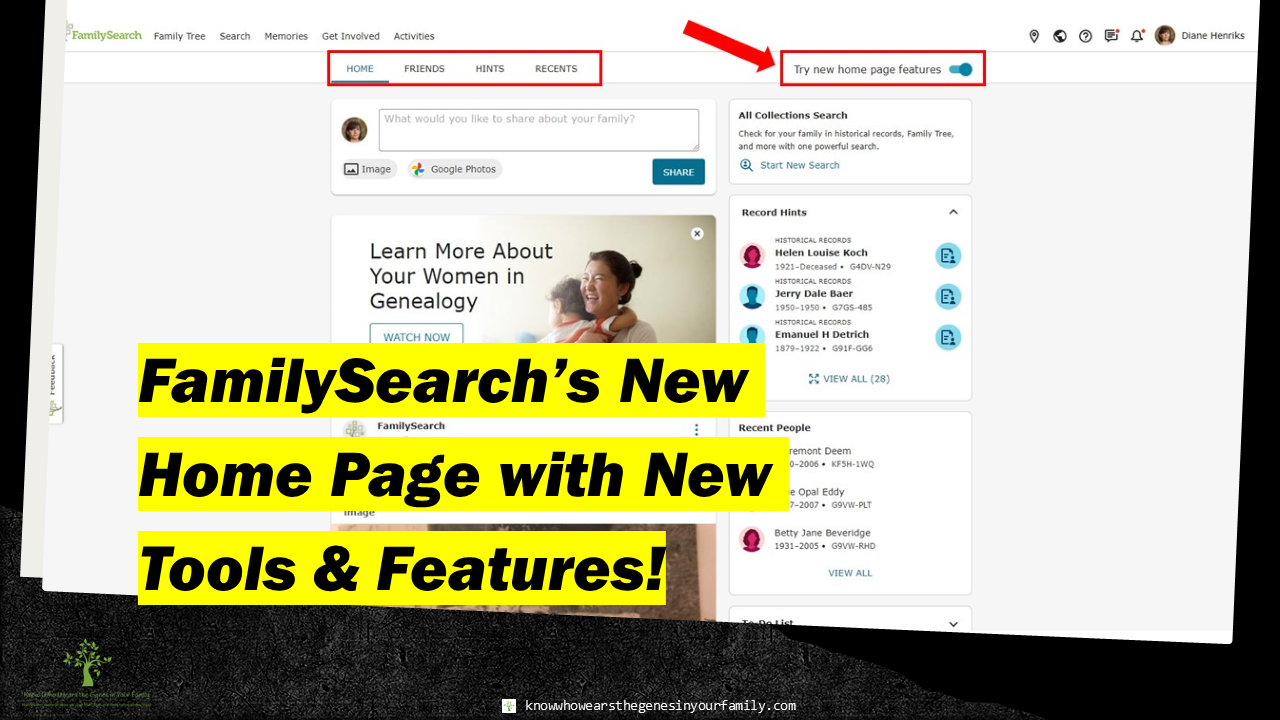 FamilySearch Updates: New Home Page with New Tools and Features! FamilySearch Updates, Tools, and Features: New Home Page! FamilySearch has made a lot of new changes recently with new tools and features to make it easier for you to not only discover and learn about your family history but to be able to connect with living relatives as well! One of these recent changes, that came out a few months ago, is an all new home page with a modern look, ease of access to tools and features, and some brand-new tools and features! This is only one of the recent updates they have made, of many already, this year! This is just the beginning; there will be many more new tools and features still to come! FamilySearch is always bringing you innovative ways to discover and connect with family, whether it be past, present, or future! New FamilySearch Home Page Tools and Features:
New FamilySearch Home page Feature:Toggle the switch to try out the new home page features, with new tools and quick access to friends, hints, and recently viewed people! Not ready to navigate the new yet? Then you can toggle the switch back off. 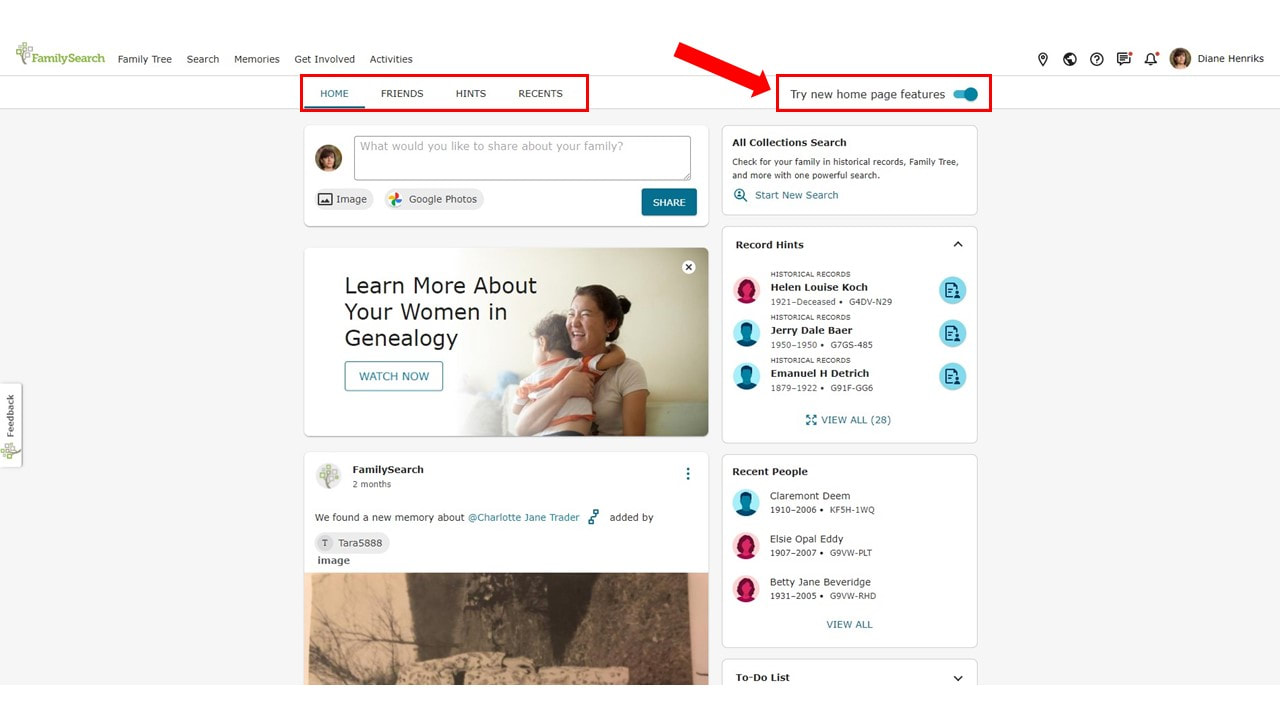 Family Search New Home Page Features New FamilySearch Post Feature:Create and share a post, such as photos, stories, and memories to either the public, just yourself, or to your friends in your created friends list! 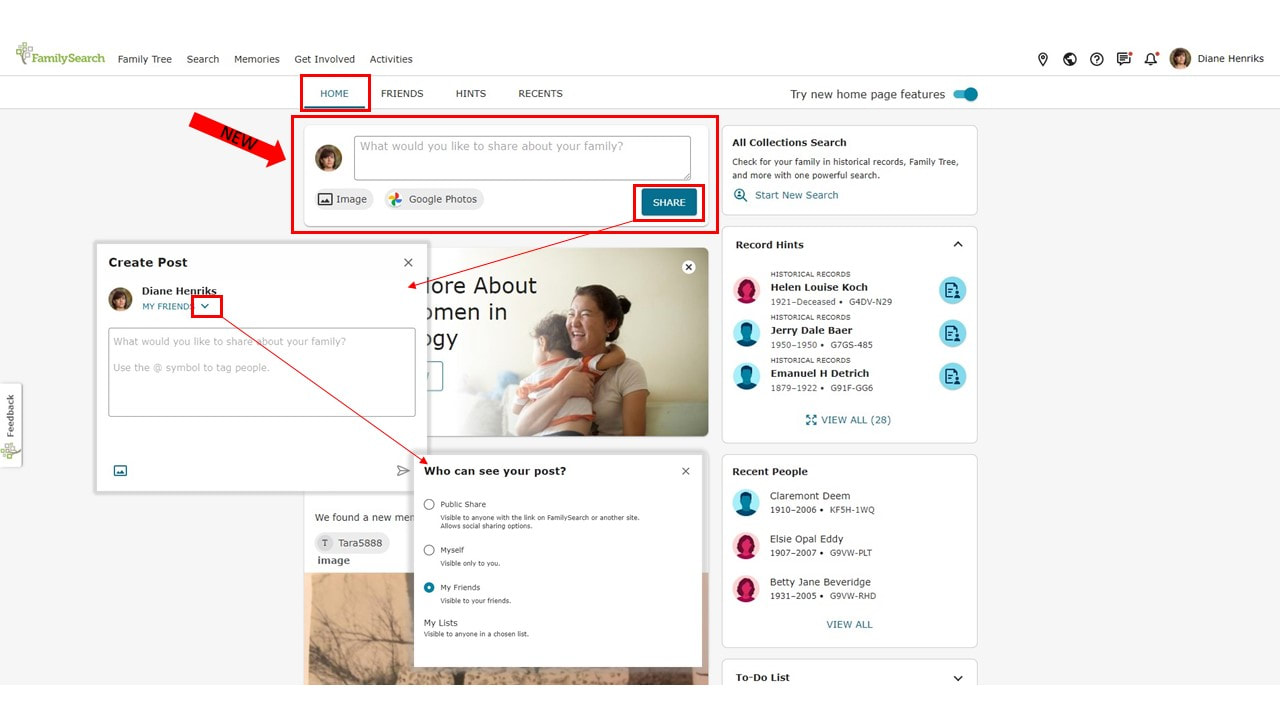 FamilySearch New Create and Share a Post (Photos, stories, and memories) Feature New FamilySearch Discovery Search Feature:If you're not yet an experienced researcher, FamilySearch's new Discovery Search feature has a new, easier way to research your family history! 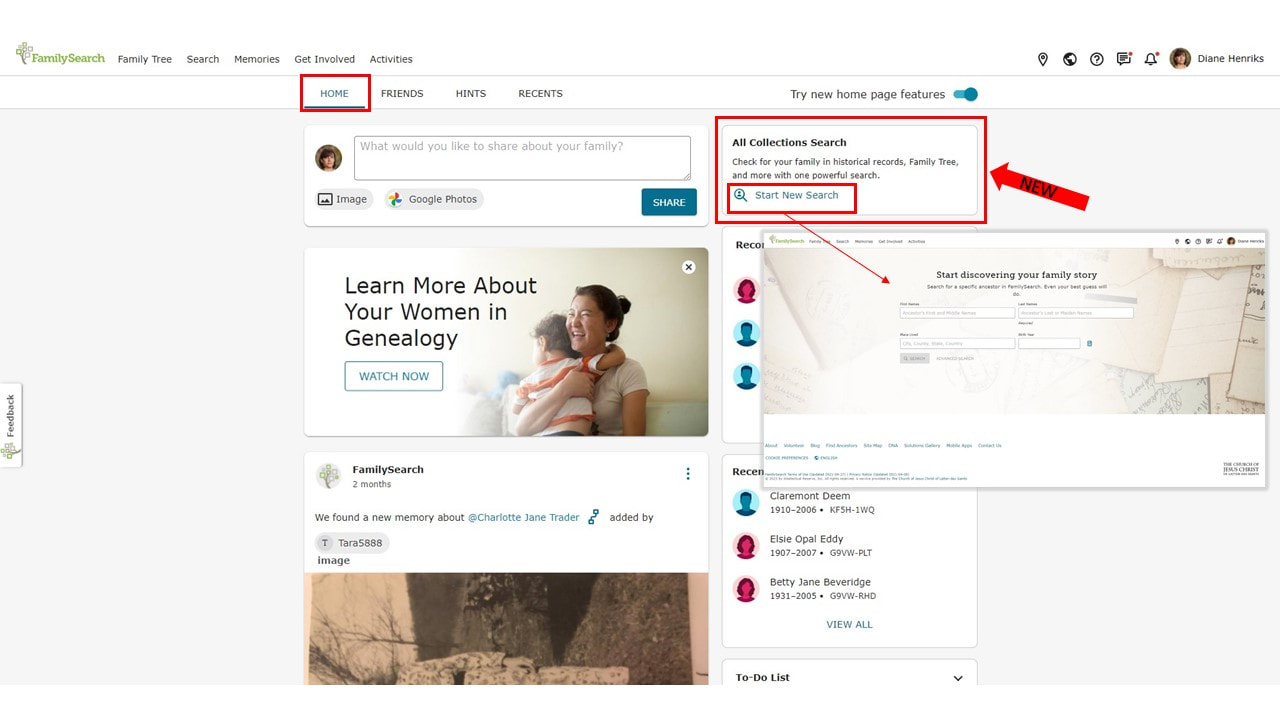 FamilySearch New Discovery Search Feature FamilySearch Friends Feature:You can access the "Friends" feature directly from the new "Home" page navigation bar! Create a friends list by adding friends on FamilySearch to share posts with, such as photos, stories, memories, or comments! FamilySearch makes it super easy to invite friends! You can invite them through Facebook, Messenger, Twitter, WhatsApp, email, FamilySearch, or by copying a sharable link! 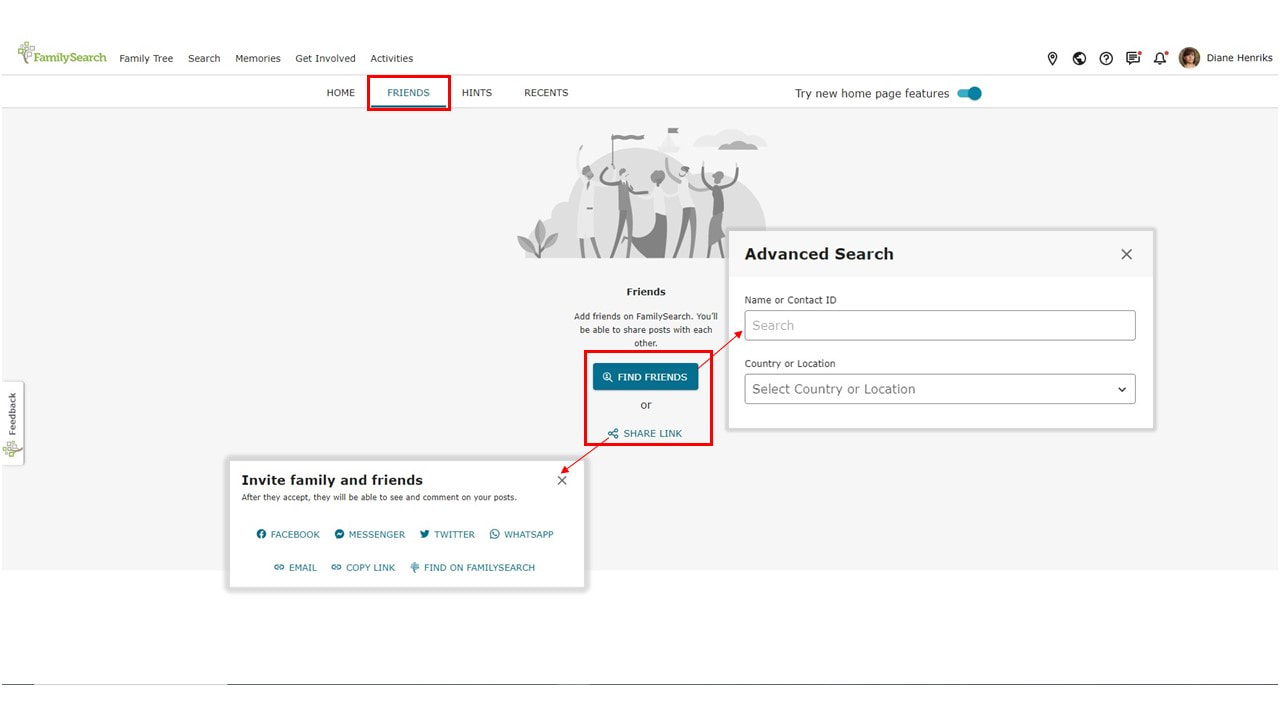 FamilySearch Friends Feature and Tools FamilySearch Hints Feature:FamilySearch is making it as easy as possible to see all your hints; you can access them right from the new "Home" page navigation bar, under "Hints" or the "Record Hints" category on the "Home" page! 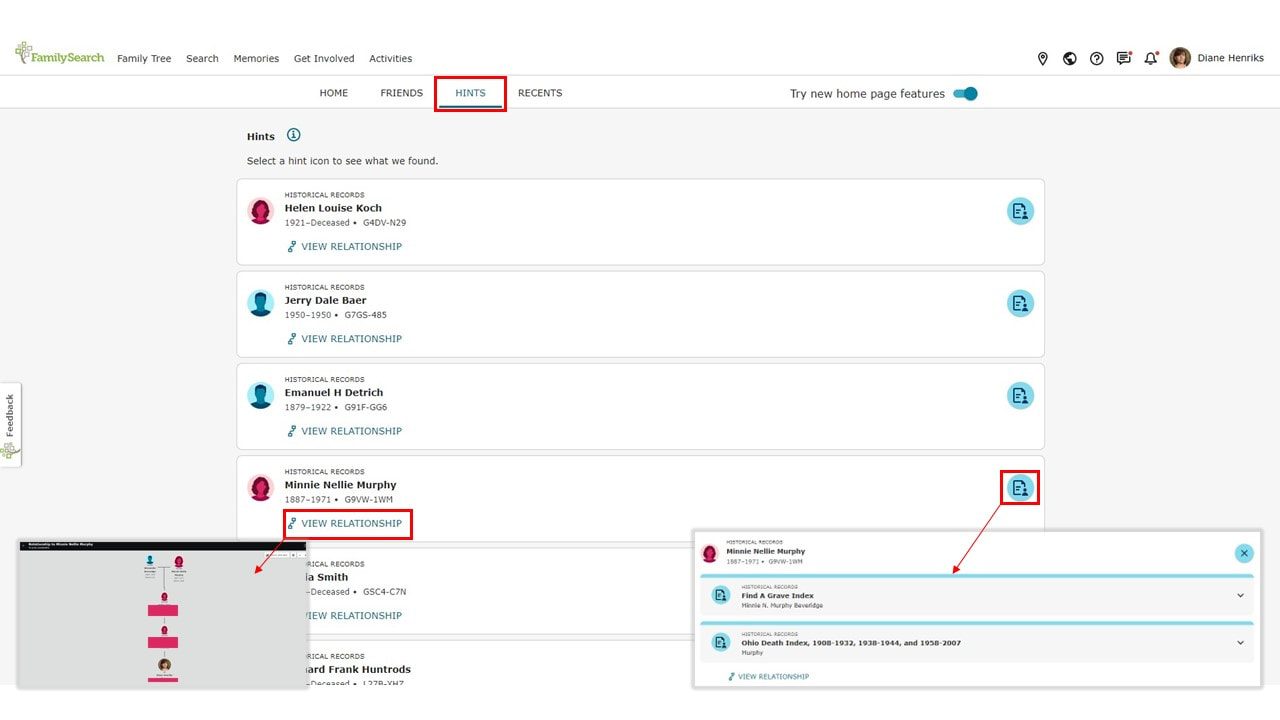 FamilySearch Hints Feature and Tools FamilySearch Recent People Viewed Feature:They are also making it quick and easy to see all your recently viewed, or contributed to, people so that you can quickly see what you were last working on get back to it easily! You can either access it from the "Home" page navigation bar, under "Recents" or the "Recent People" category on the "Home" page. 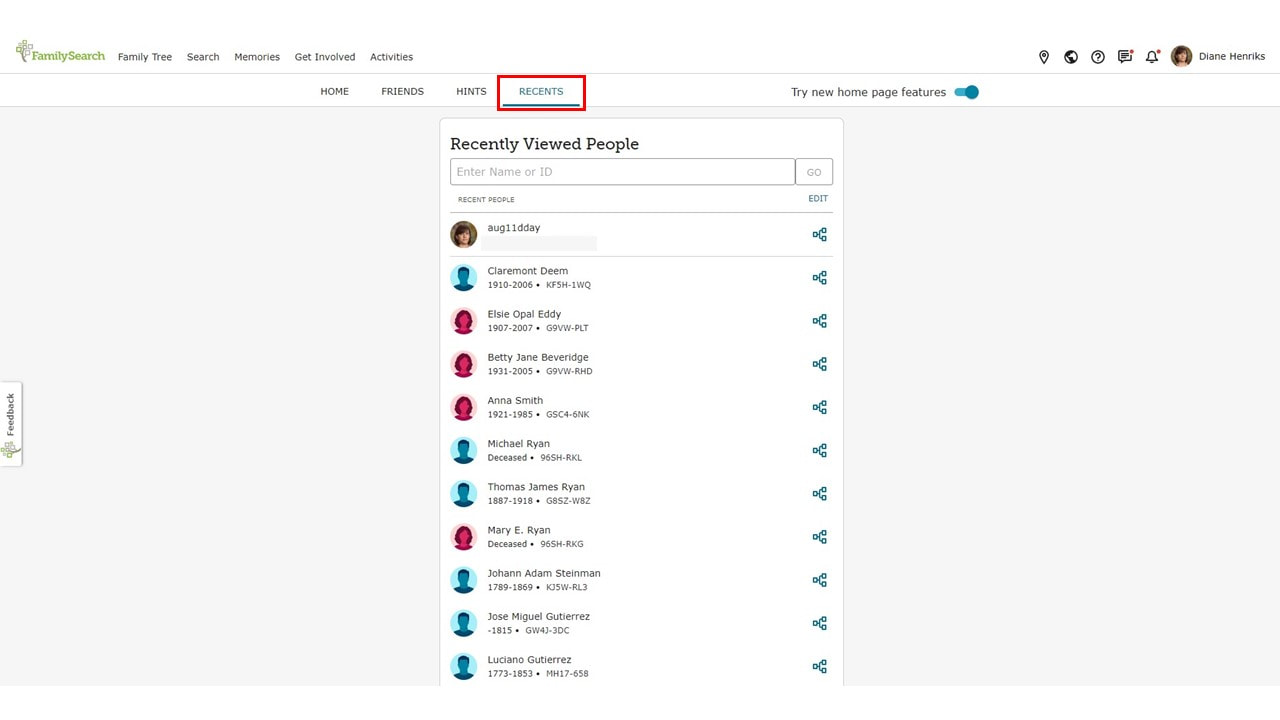 FamilySearch Recently Viewed People Feaure and Tools FamilySearch To-Do List Feature and Tool:Access a "To-Do List" right from your home page to plan your next research steps, ideas, or questions! From here you can also check off items that have been completed, sending it to a "Completed Items list". You can also include links to web pages or people in your family tree for shortcuts! 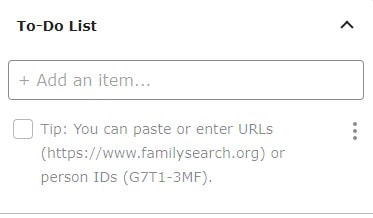 FamilySearch To-Do List Feature and Tool FamilySearch Memories Found Feature:Right on your "Home" page, you have the ability to see any newly found memories on FamilySearch for your family, whether it be photos, stories, records, memories, or more. You can also easily see who it was added by, including their family search I.D., so that you can easily invite them to your friends list! You can also quickly see how you are related to the person that is tagged for that memory, by clicking on the icon right next to it! You are also able to easily share the memory and/or comment on it right there from your "Home" page! 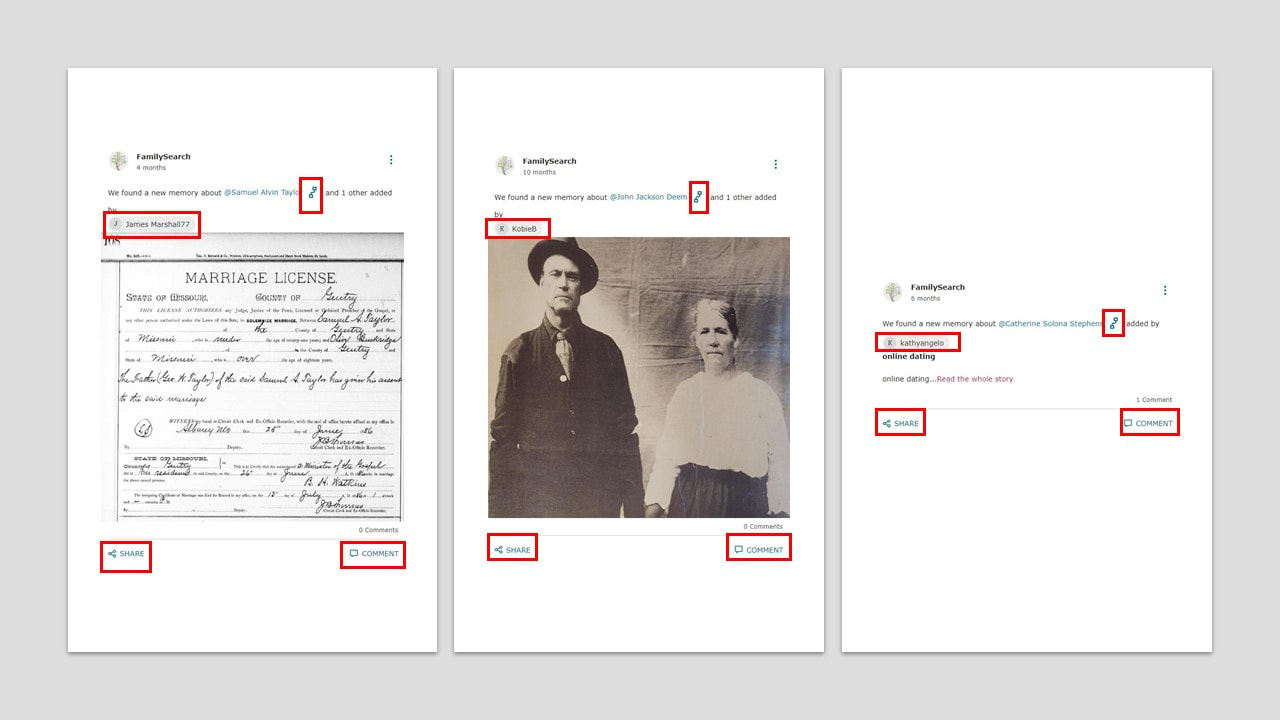 FamilySearch Memories Found Feature FamilySearch Volunteer Oppotunities:Have you ever thought about volunteering to help out in record searches, etc? Well, right from your "Home" page, FamilySearch makes it super simple to volunteer just a little bit of your time to help make a huge difference in the world of genealogy, with a chance to make a difference with a quick, new, non overwhelming volunteer opportunity! For example, you could just spend a few minutes improving the accuracy of a family tree by reviewing just 10 places to associate a user entered place with a standard place found on a map. 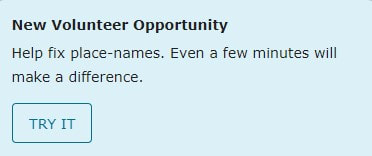 Stay tuned for more updates!
More FamilySearch and Genealogy Resources: Learn about more FamilySearch updates, tools, features, and events, along with other family history and genealogy resources under the Genealogy Resources category and on my dedicated Genealogy Resources page. 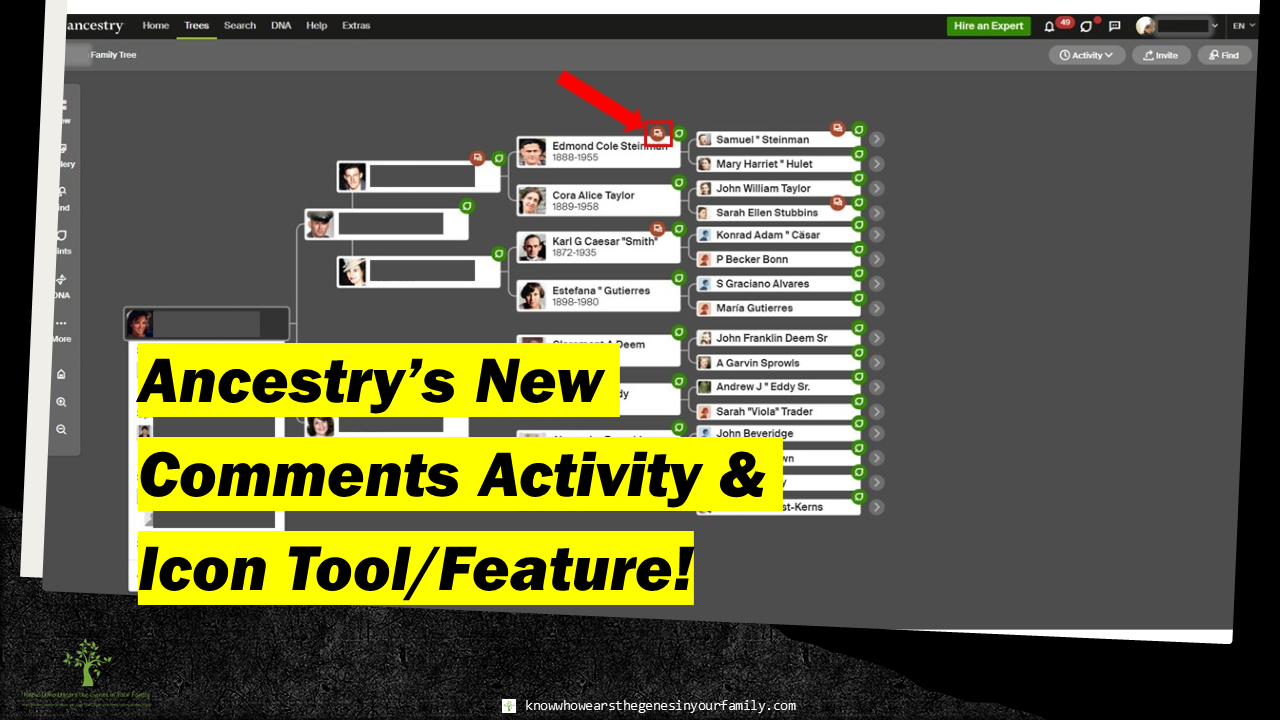 Ancestry Updates: New Comments Activity and Icon Feature! Ancestry Updates: New Comments Activity and Icon Feature!Ancestry has just made it a whole lot easier to collaborate! As mentioned in Ancestry’s New Tree Edit History Feature and Tool Icons and Ancestry Updates: BETA Family Tree Views and Toolbox Icons, Ancestry has been testing their family tree views and toolbox icons, along with the placement of icons, as part of their new updates for this year. You can learn more about some of their new and upcoming features and tools in Ancestry 2023 Updates: New Genealogy and DNA Tools and Features. They are trying to make it as easy as possible to find everything you need and to be able to collaborate! As of 2 days ago, on May 12th, they released their new comments activity icon that you can now find (or choose to show) in your family tree views! This makes collaborating with others so much easier! Guests, whether for a public or private family tree, and Contributors and editors to a private tree, can now make or see a comment on someone in a tree quickly, while in family tree view! You can also share important comments for public view as well. Comments Activity and Icon:
Where to Find the New Ancestry Comments Activity Icon:
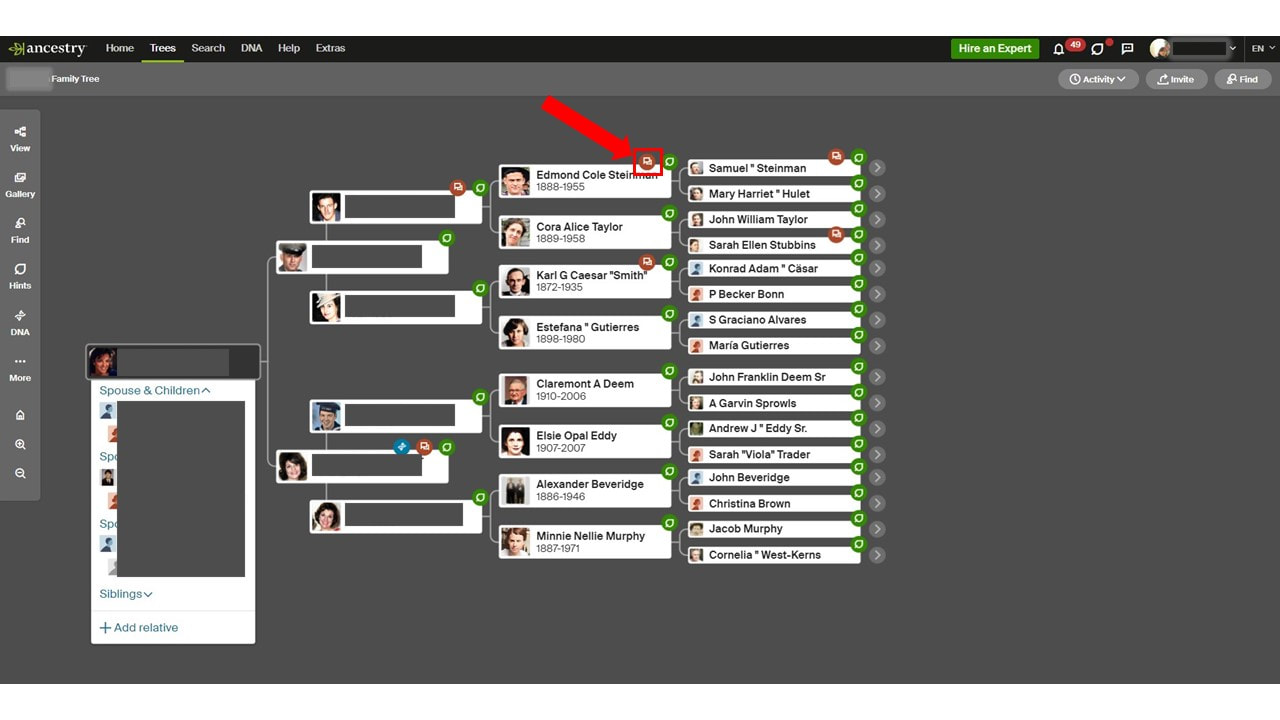 Ancestry's New Comments Activity Icon in "Pedigree"/"Horizontal" View 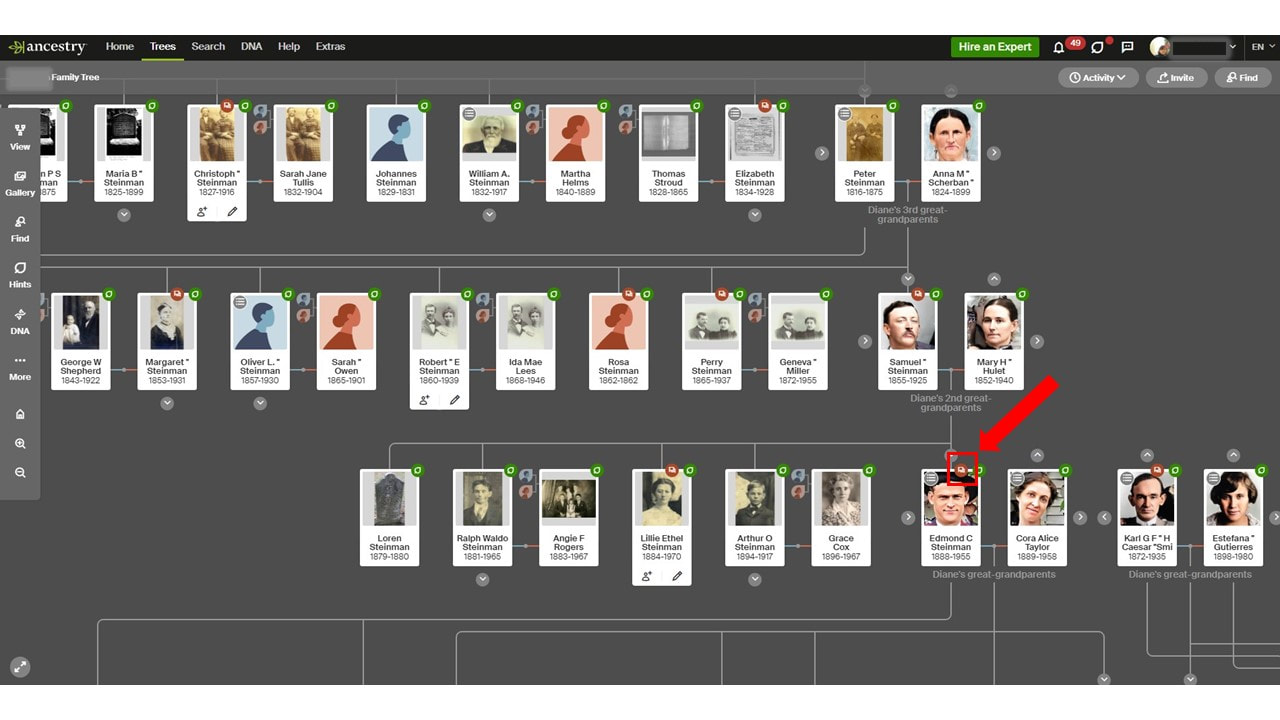 Ancestry's New Comments Activity Icon in "Family"/"Vertical" View 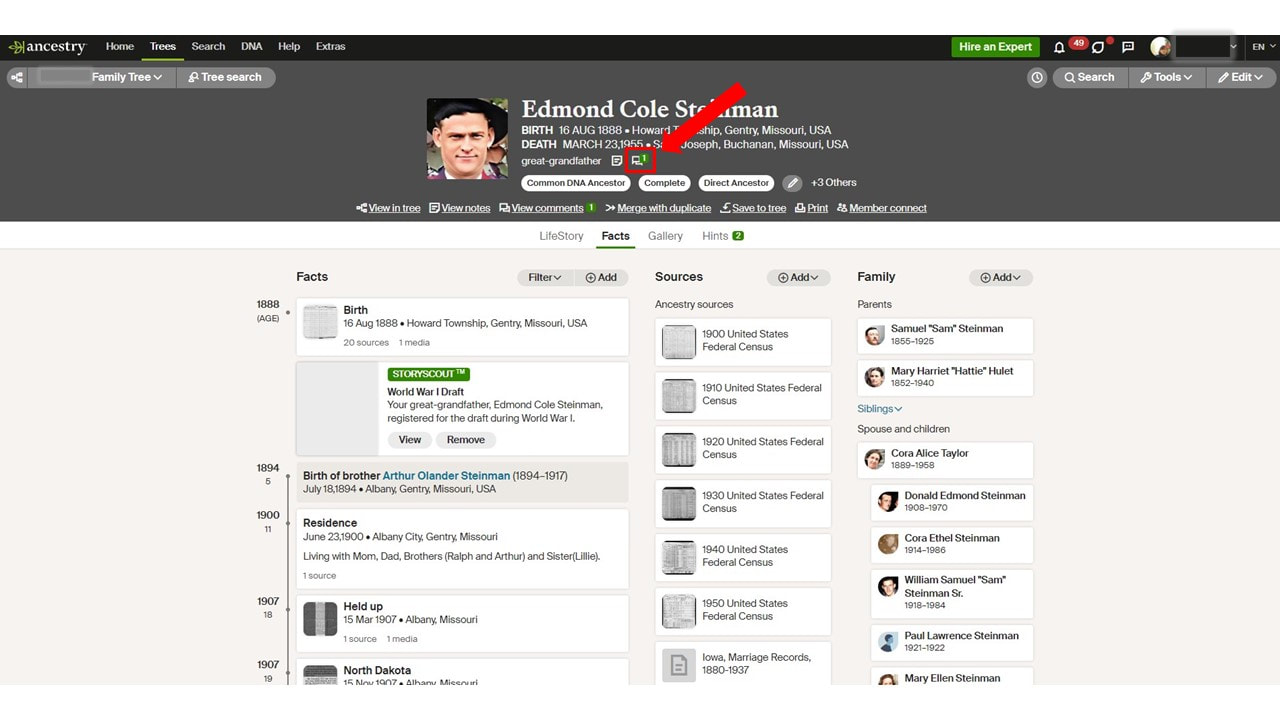 Ancestry's New Comments Activity Icon on "Profile Page" How to Get to Ancestry Updated Comments Activity:
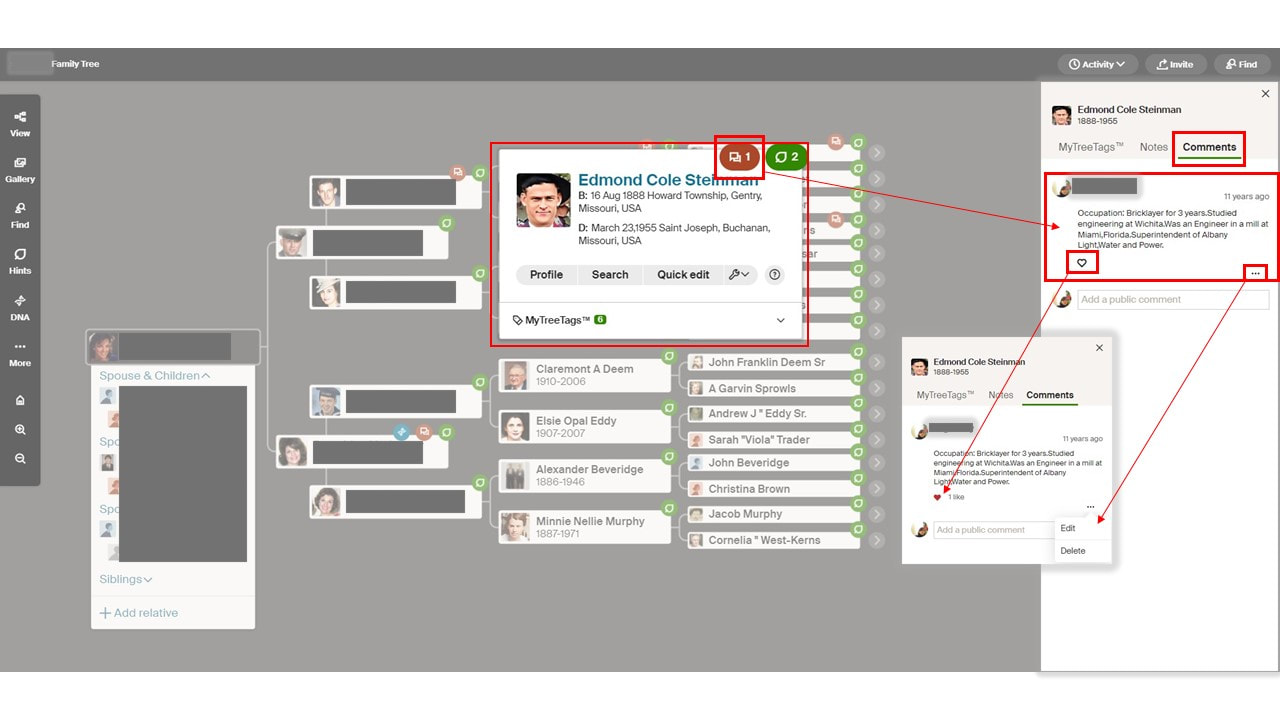 How to Get to Ancestry Updated Comments Activity-1 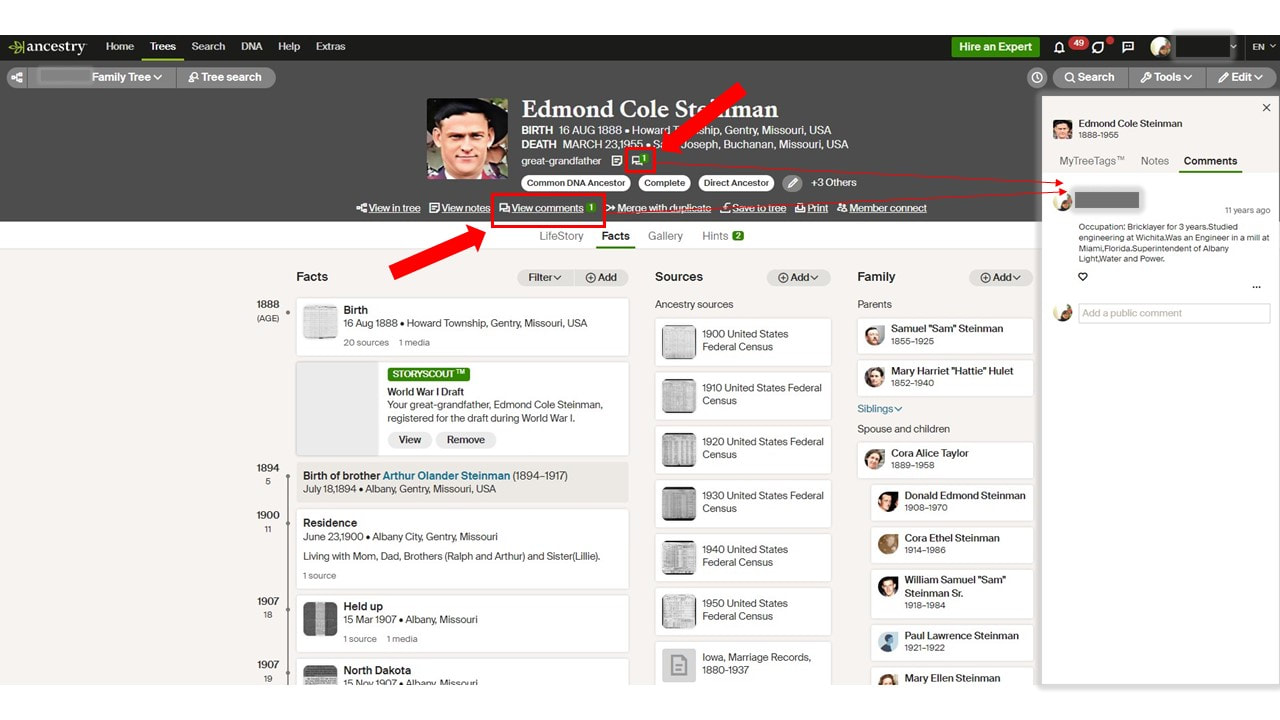 How to Get to Ancestry Updated Comments Activity-2&3 How to Turn Off the Ancestry Comments Activity Icon:You can toggle your “Family Tree View” icon either off, if you find it annoying or an eyesore, or on if you find it useful to see new comments right away from your tree as a whole. 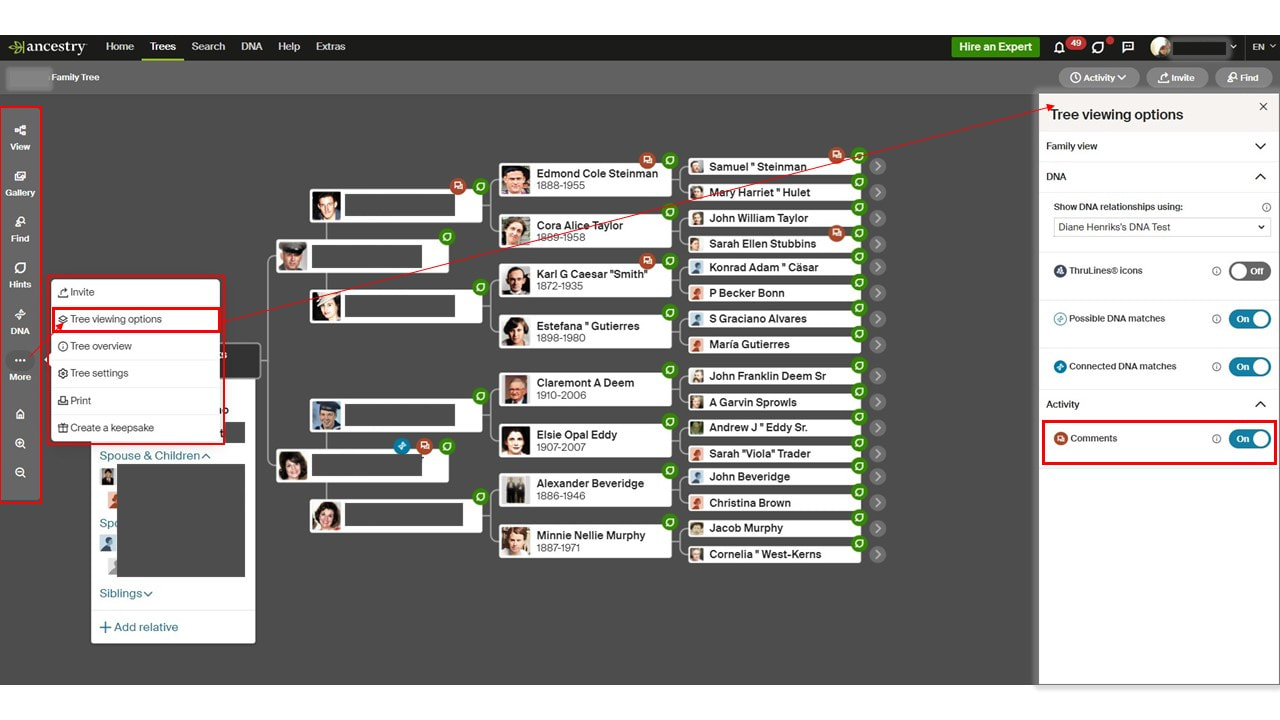 How to Turn Off the Ancestry Comments Activity Icon in "Pedigree"/"Horizontal" or "Family"/"Vertical" Views More Genealogy Resources:
Learn about more Ancestry features and other family history and genealogy resources under the Genealogy Resources category and on my dedicated Genealogy Resources page. 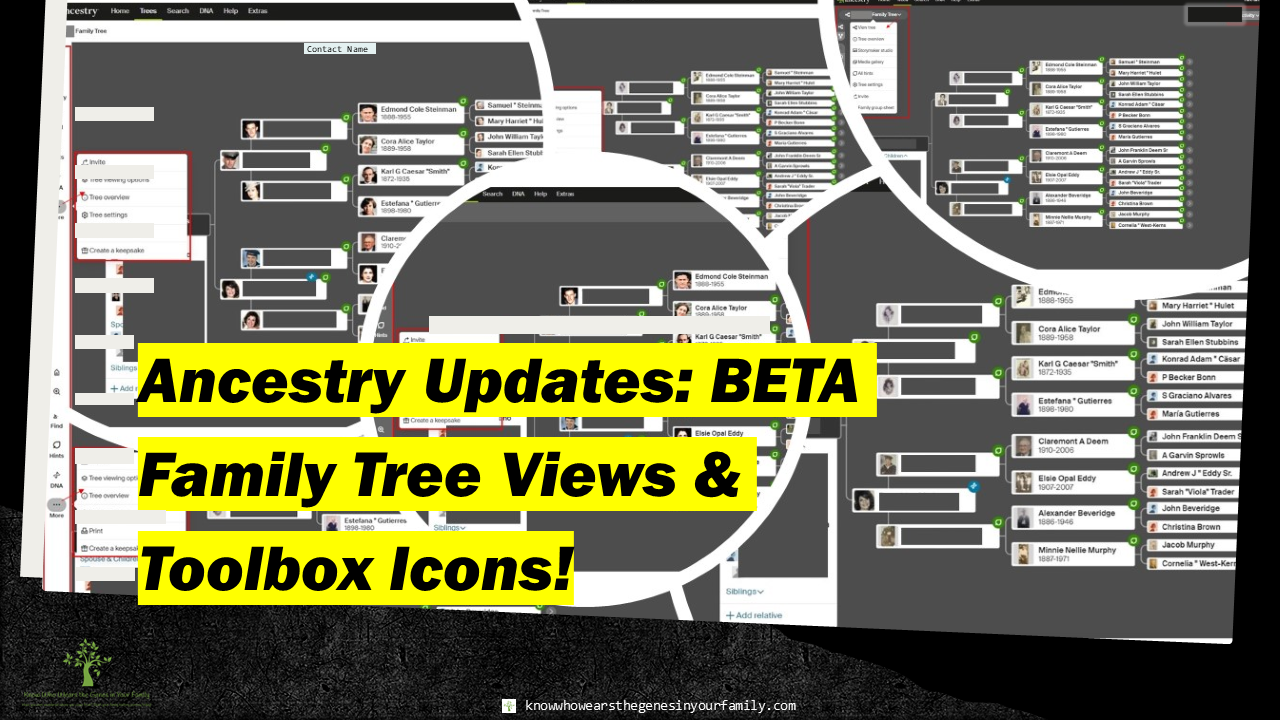 Accestry Features and Tools Updates: BETA Family Tree Views and Toolbox Icons Ancestry Updates: BETA Family Tree Views and Toolbox Icons Ancestry is at it again. As mentioned in Ancestry’s New Tree Edit History Feature and Tool Icons, Ancestry has been testing their family tree views and toolbox icons as part of their new features and tools updates for this year. You can learn more about some of their new and upcoming features and tools in Ancestry 2023 Updates: New Genealogy and DNA Tools and Features. In the past 6-8 weeks or so, I have gotten multiple BETA versions of how their family tree view and toolbox icons, and placement, may look soon. My family tree view has gone back and forth between different BETA versions and the current version. There was one particular version that let you change the background color of your family tree view, but they just changed the BETA version again, yesterday, and it is no longer an option; therefore, I will not be able to include a screenshot of that feature. Family Tree View and Toolbox Icon Versions:Ancestry's Current family tree view and toolbox icons for the majority, and my standard view until recently. 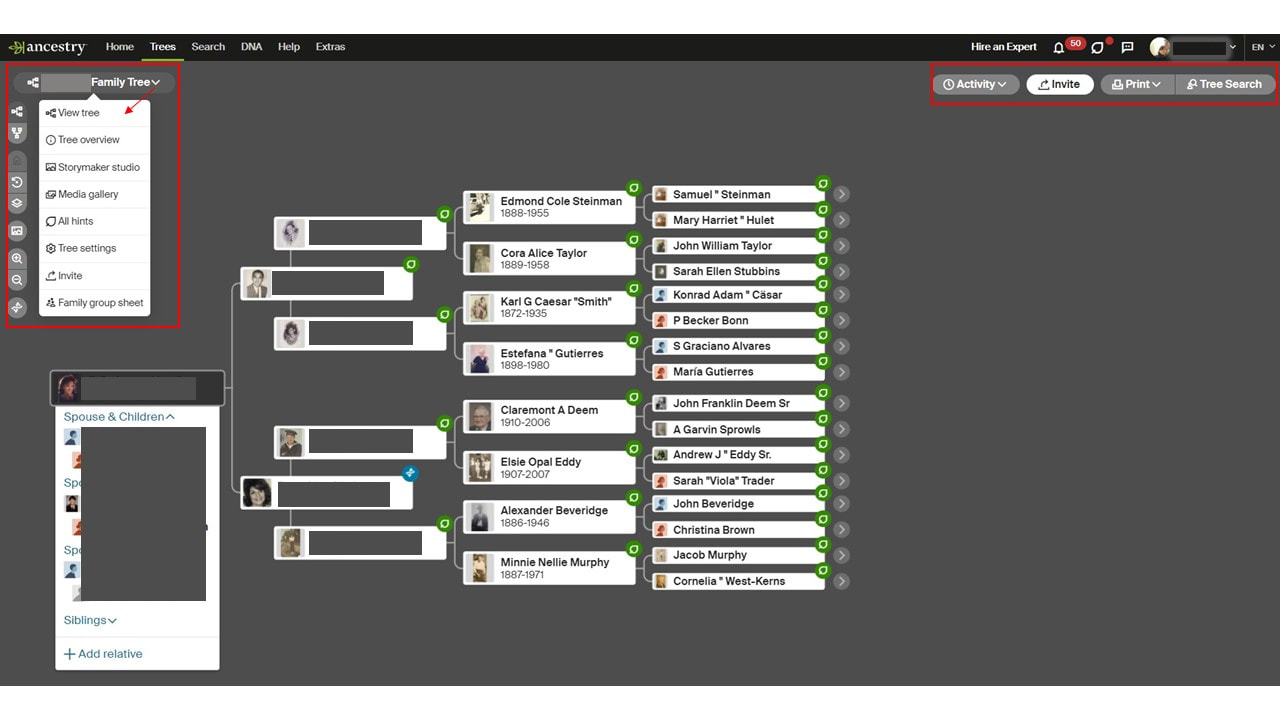 Ancestry's Current Family Tree View and Toolbox Icons Ancestry's BETA family tree view and toolbox icons version 1 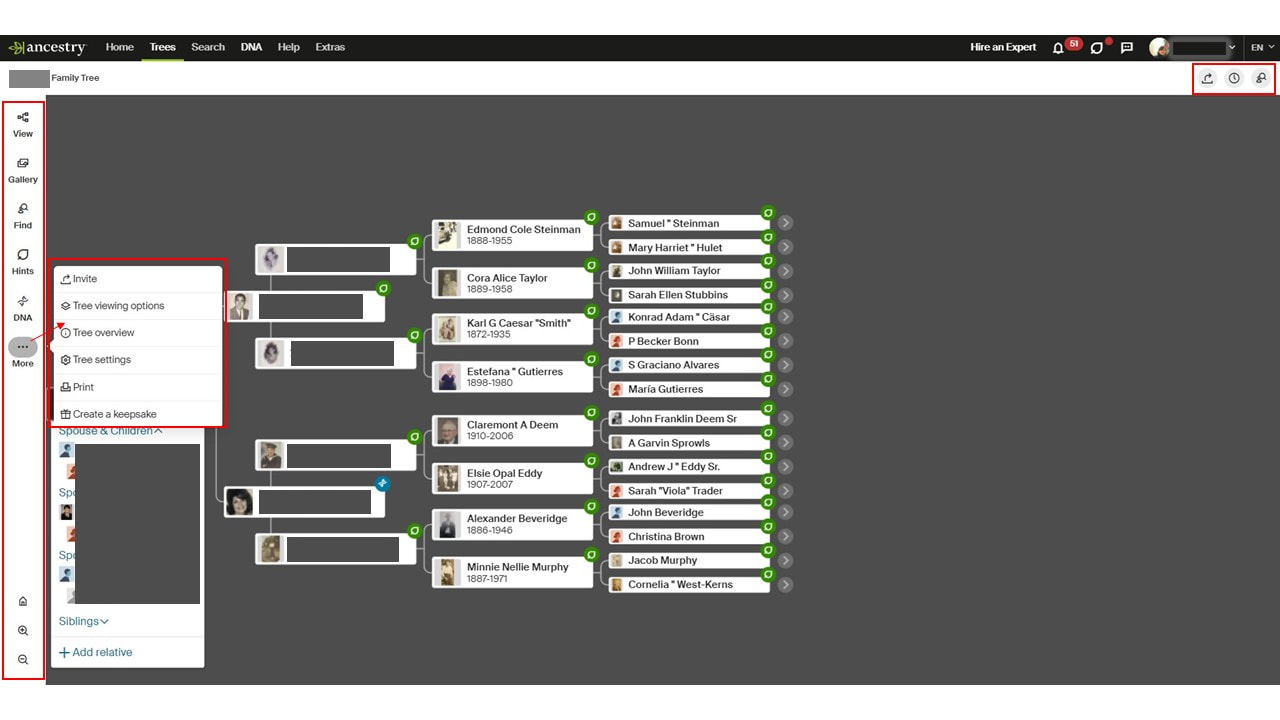 Ancestry's BETA Family Tree View and Toolbox Icons Version 1 Yay, I was back to the current version for about a week or so, then Ancestry's BETA family tree view and toolbox icons version 2 popped up. This was just an ever so slight change. Can you spot it? Only the toolbox icon buttons in the top, upper right changed a wee bit. 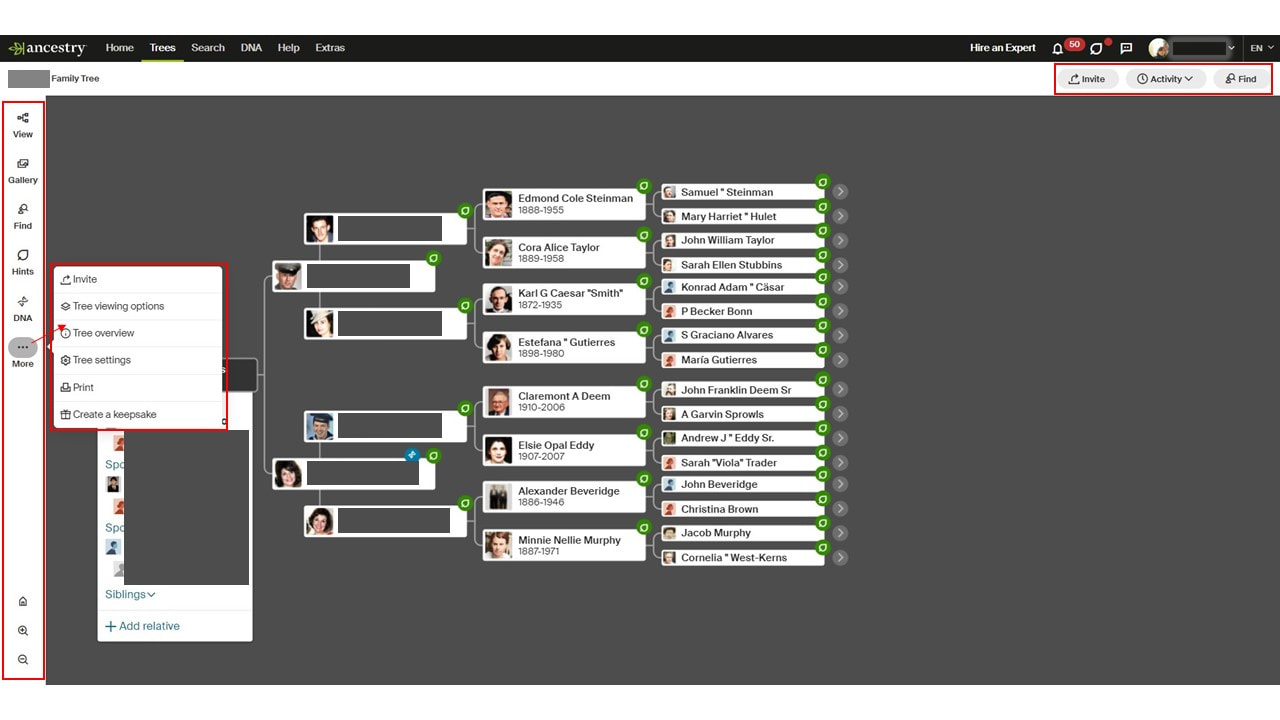 Ancestry's BETA Family Tree View and Toolbox Icons Version 2 Then I was back to the current version again for about another week, then Ancestry's BETA family tree view and toolbox icons version 3 popped up, yesterday. 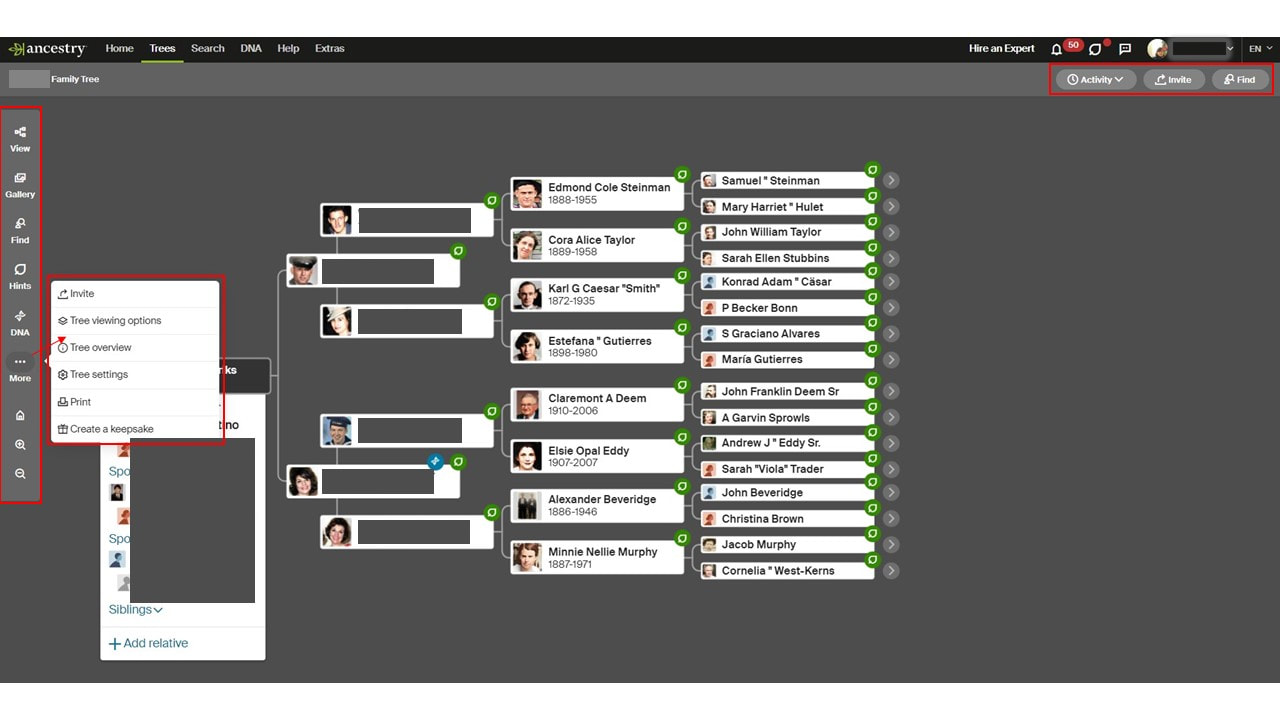 Ancestry's BETA Family Tree View and Toolbox Icons Version 3 Family Tree View and Toolbox Icons Version Poll: To be honest, I prefer the current version (first image). The versions with the white border are too much of an eyesore and takes away from the view space, along with looking like just that, in BETA mode. However, I do like the idea of the "tree search" icon button being changed to "find", along with there being a "create a keepsake" button. Overall, I like the current version. I like the look of the view and the look and navigational ease of the toolbox and icons.
I would love to get your feedback on which version, thus far (there may be more coming until they settle on a new version), you prefer.
More Genealogy Resources: Learn about more Ancestry features and other family history and genealogy resources under the Genealogy Resources category and on my dedicated Genealogy Resources page. 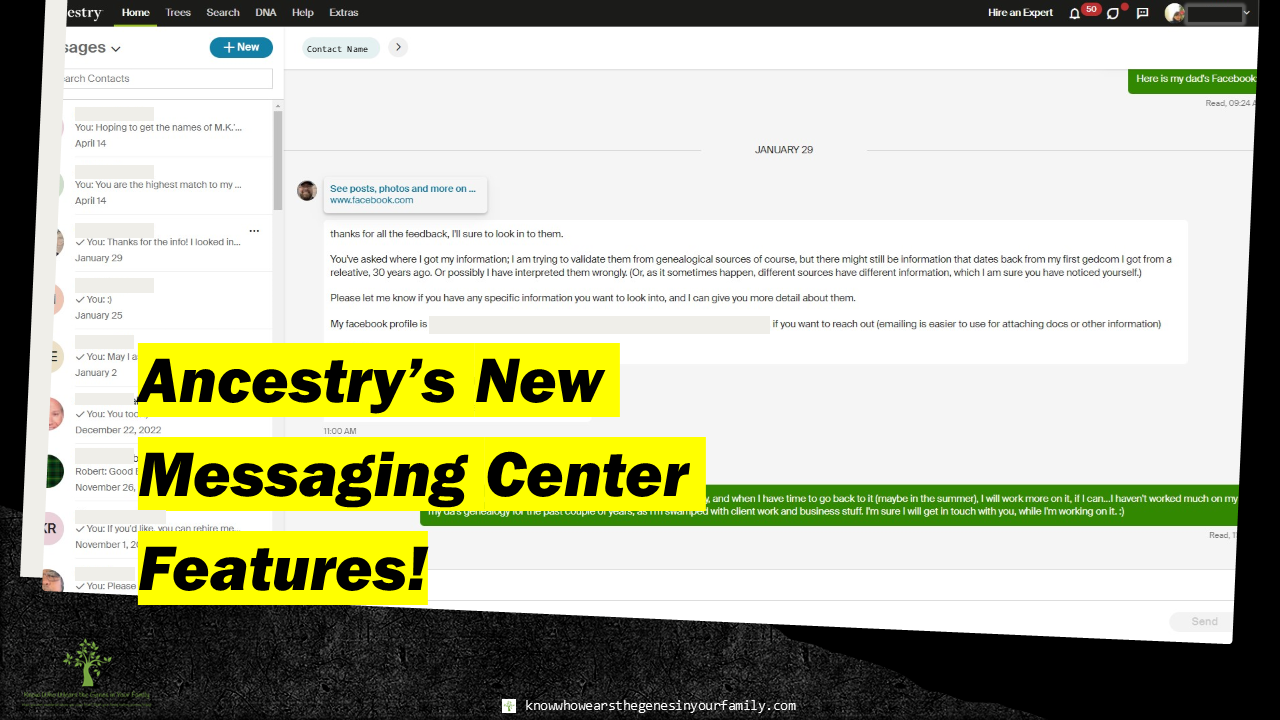 Ancestry's New Messaging Center Features and Tools! Ancestry’s New Messaging Center FeaturesAs mentioned in Ancestry 2023 Updates: New Genealogy and DNA Tools and Features, one of the new Ancestry updates includes a revamped messaging center with new features and tools that brings your messaging through Ancestry to a whole new level, while also making your messaging a whole lot easier! New Messaging Center Features:
Group Messaging on Ancestry:Group chat with up to 10 people at once! From the “New” message button, you can start a group message to chat with up to 10 people at once! This is very handy if you have multiple DNA matches to a particular line or have multiple people researching the same line, making it so much easier to collaborate (share photos to the group, solve brick walls, collaborate on how everyone is DNA matched to each other, etc.), along with less individual messages in your inbox to keep up with! How to Start Group Messaging:
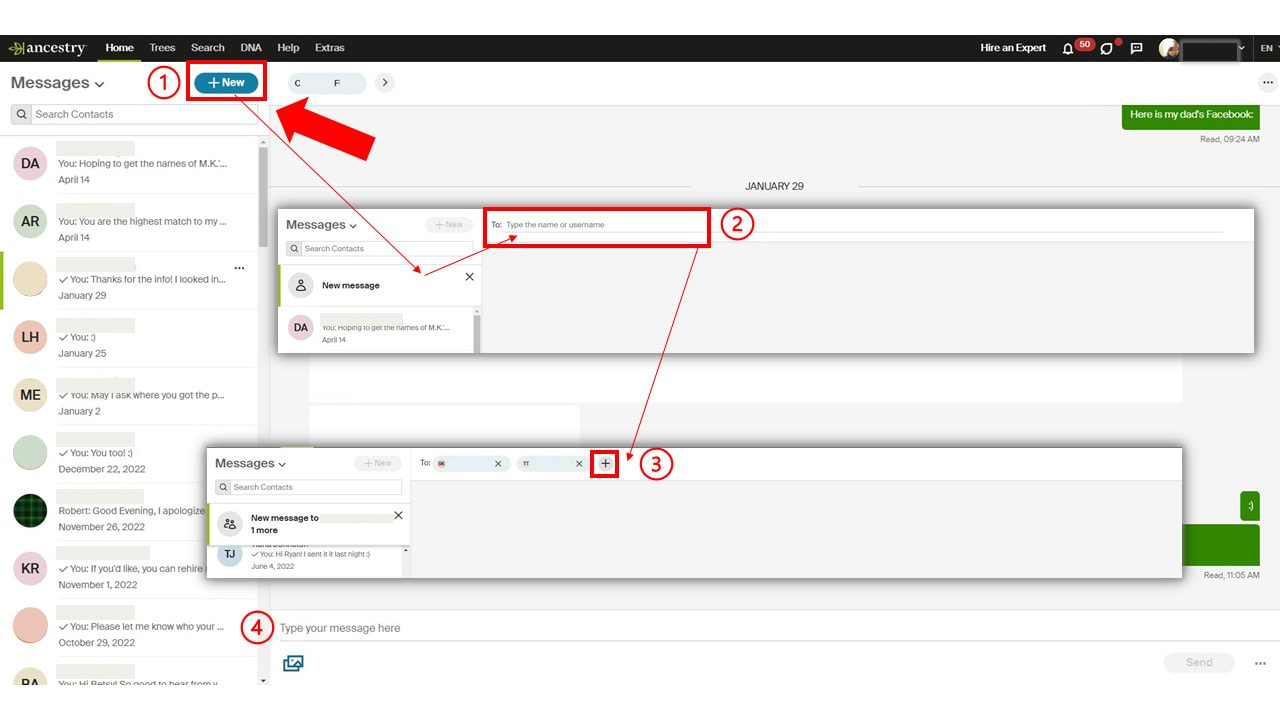 Ancestry's New Group Messaging Feature Message Archiving on Ancestry:Clean up your inbox! You can now archive your messages to declutter your messaging inbox, making it so much easier to find current ongoing messages! Don’t worry about not being able to find the archived messages; they make it super easy to get to them, with their new filtering! You can also add them back to your inbox at any time! There are multiple ways to archive your messages; I guess they want to make it as easy as possible for you! 😉 2 Ways to Archive Messages on Ancestry:
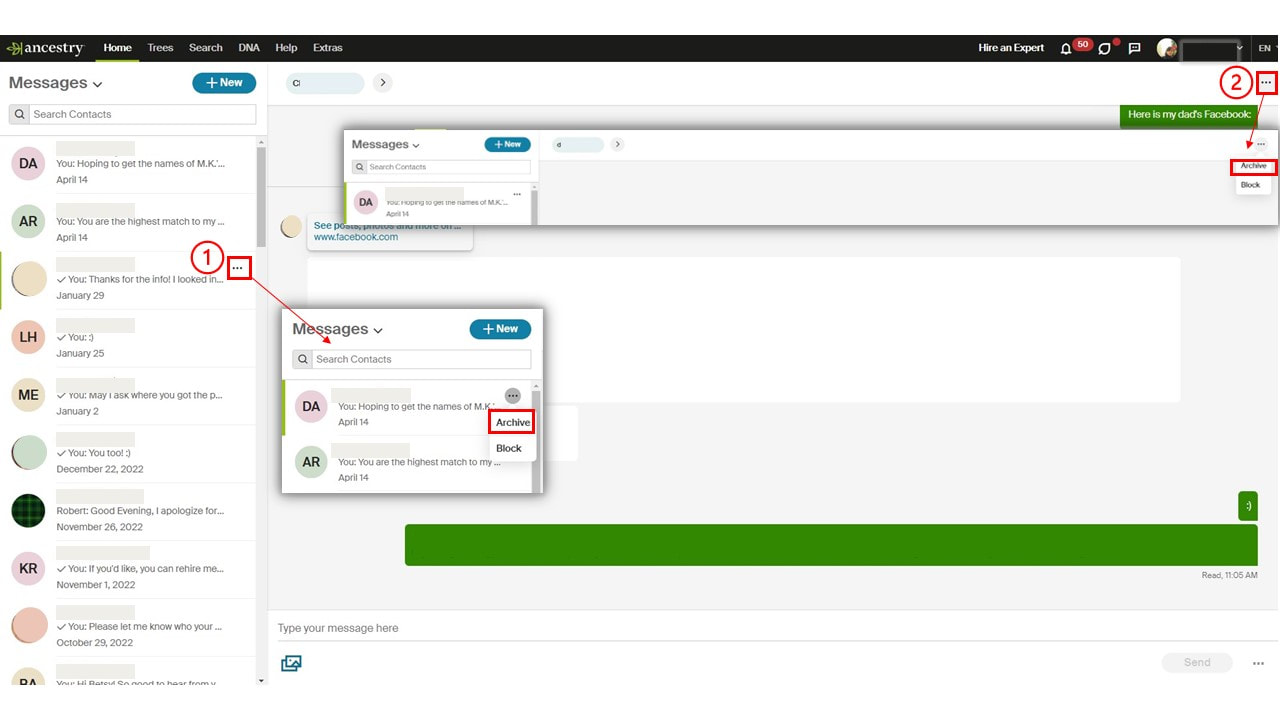 Ancestry's New Messaging Archive Feature Message Filtering on Ancestry: You can now easily filter your messages to find your unread and archived messages, along with viewing them all at one time, making this a time saver! I really like being able to view just my unread messages; although, they are usually at the top of your inbox anyway. 😉 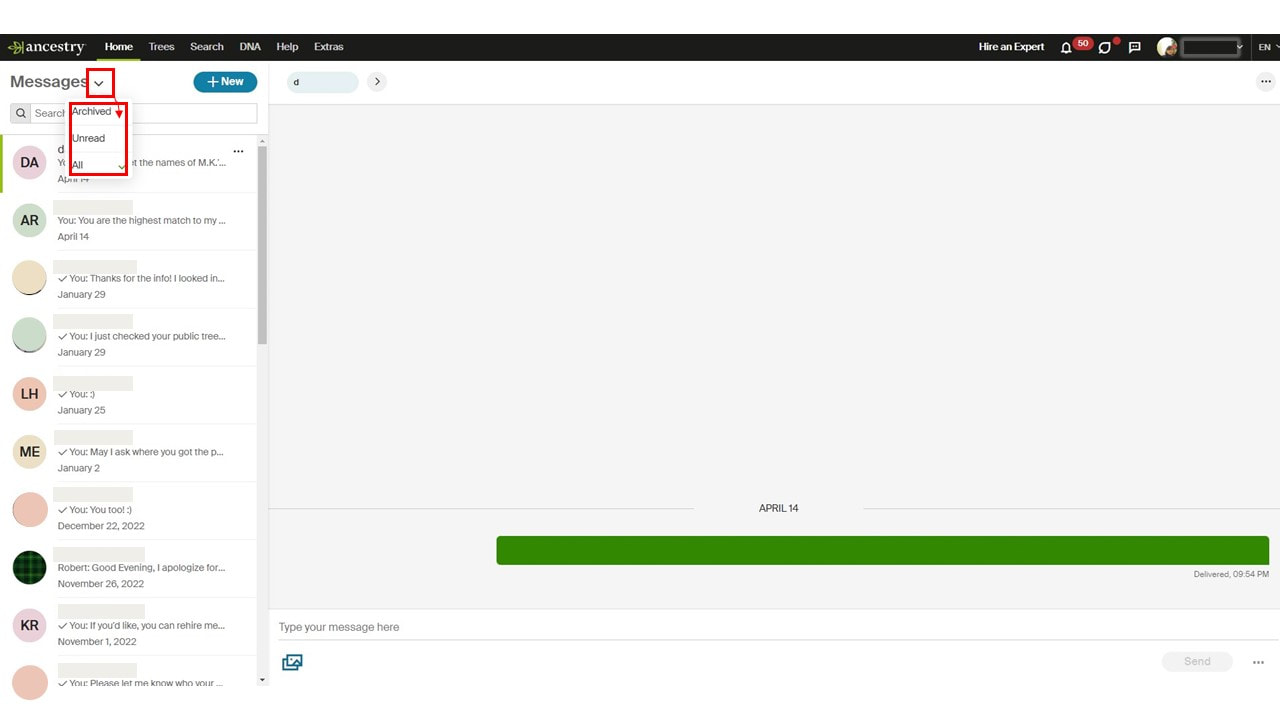 Ancestry's New Message Filtering Feature Photo Sharing in Ancestry Messaging: You can now attach images from any of your PUBLIC family trees on Ancestry right into the message itself! Although anyone can attach your PUBLIC photos from your PUBLIC tree anyway, this just makes it a little easier for anyone who hasn’t come across your tree yet, or a DNA match. What I am waiting for is a feature where you can share any photo from your family tree, whether from your PRIVATE family tree (as you may not want ALL your photos set to public but may be okay with sharing a few) or a family photo that is not in your tree (I understand why this one would be difficult, as it would be harder for Ancestry to make sure sharing this way follows their policy), so you don’t have to give your personal email out to email photos to share, etc. How to Photo Share in Ancestry Messaging:
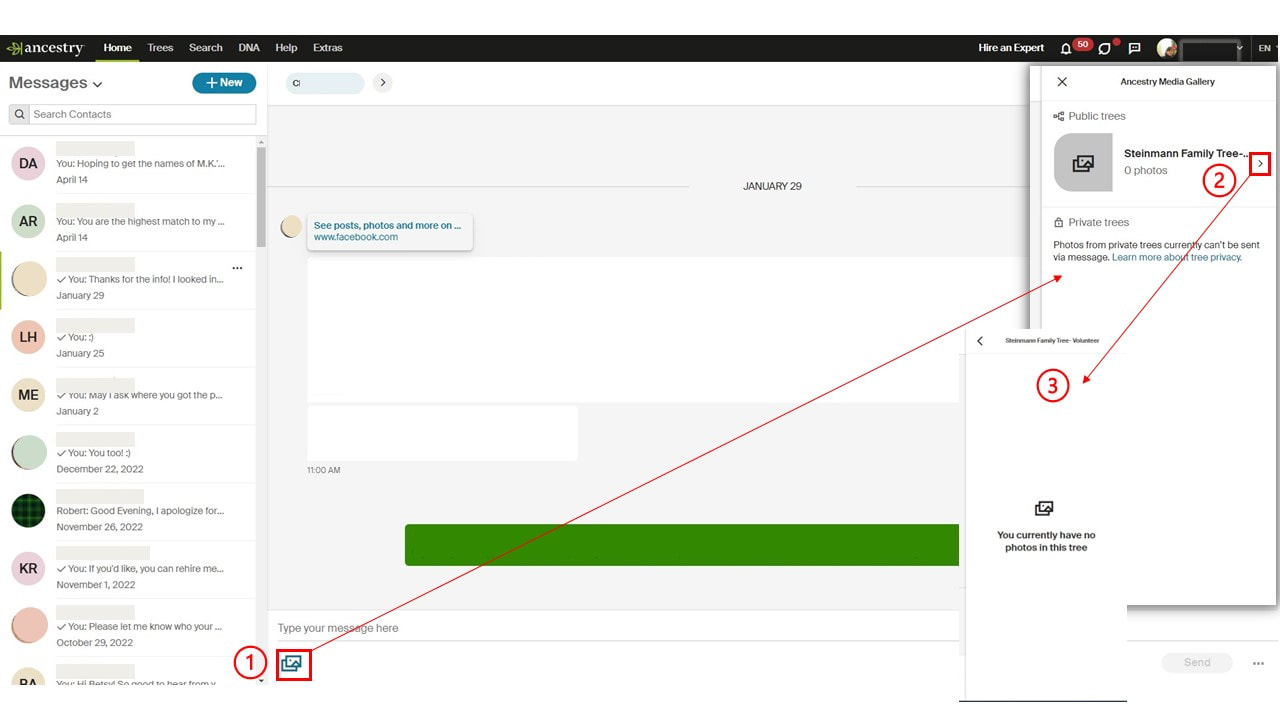 Ancestry's New Messaging Center Photo Sharing Feature There is a glitch right now that is not letting me choose any other of my public trees, which will hopefully be fixed soon. As this was just 1 of well over 100 trees that I have, and it was just a quick volunteer job tree, there are no photos. How to Get to Ancestry Message Center:
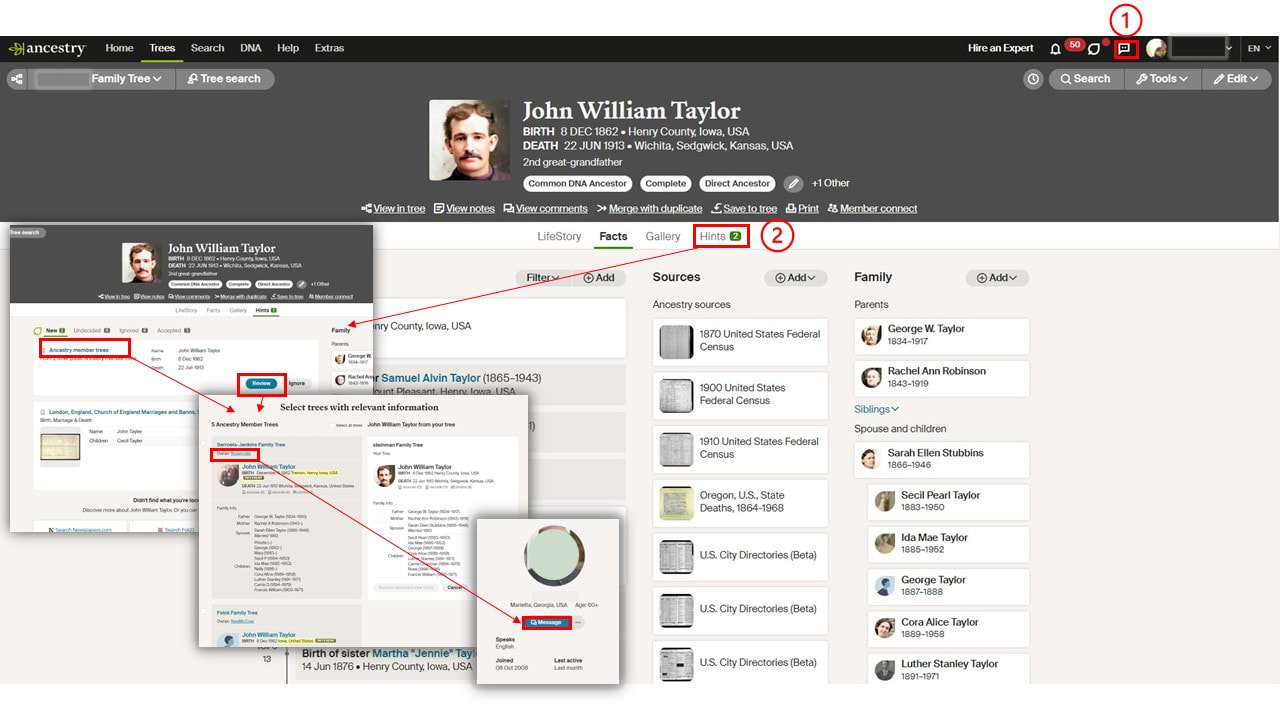 Getting to Ancestry's Messaging Center: Places 1 & 2 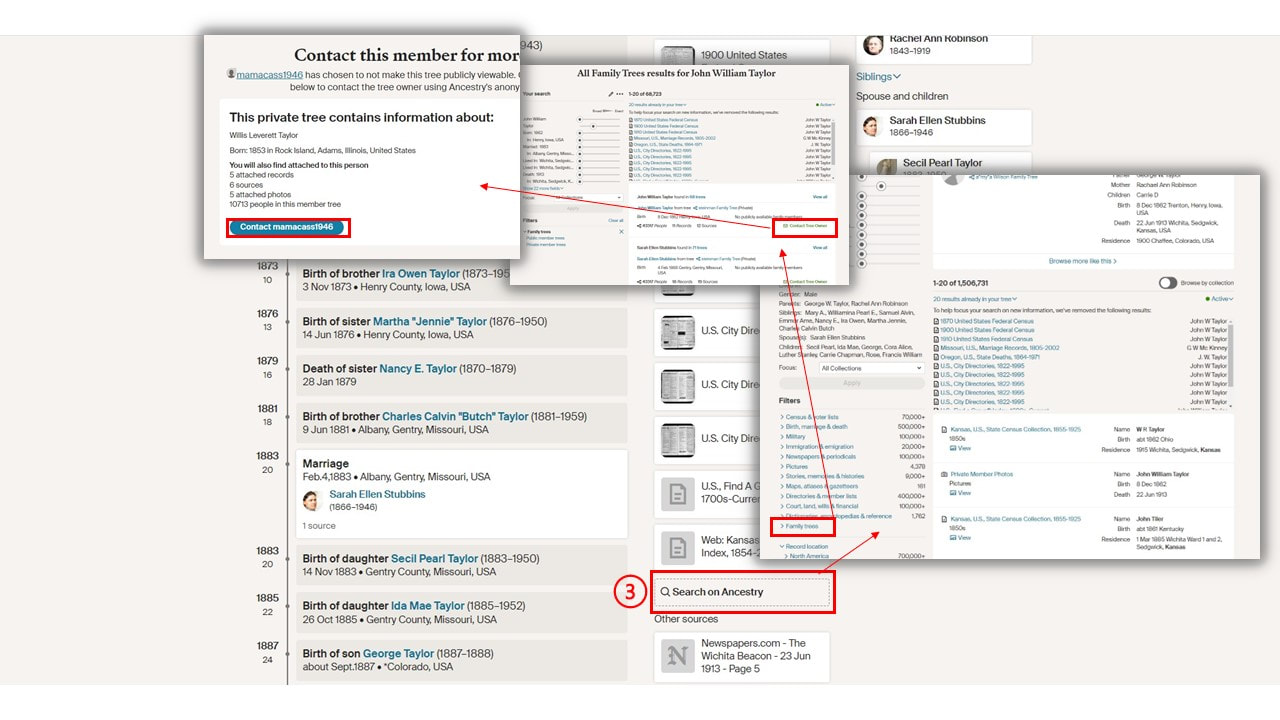 Getting to Ancestry's Messaging Center: Place 3 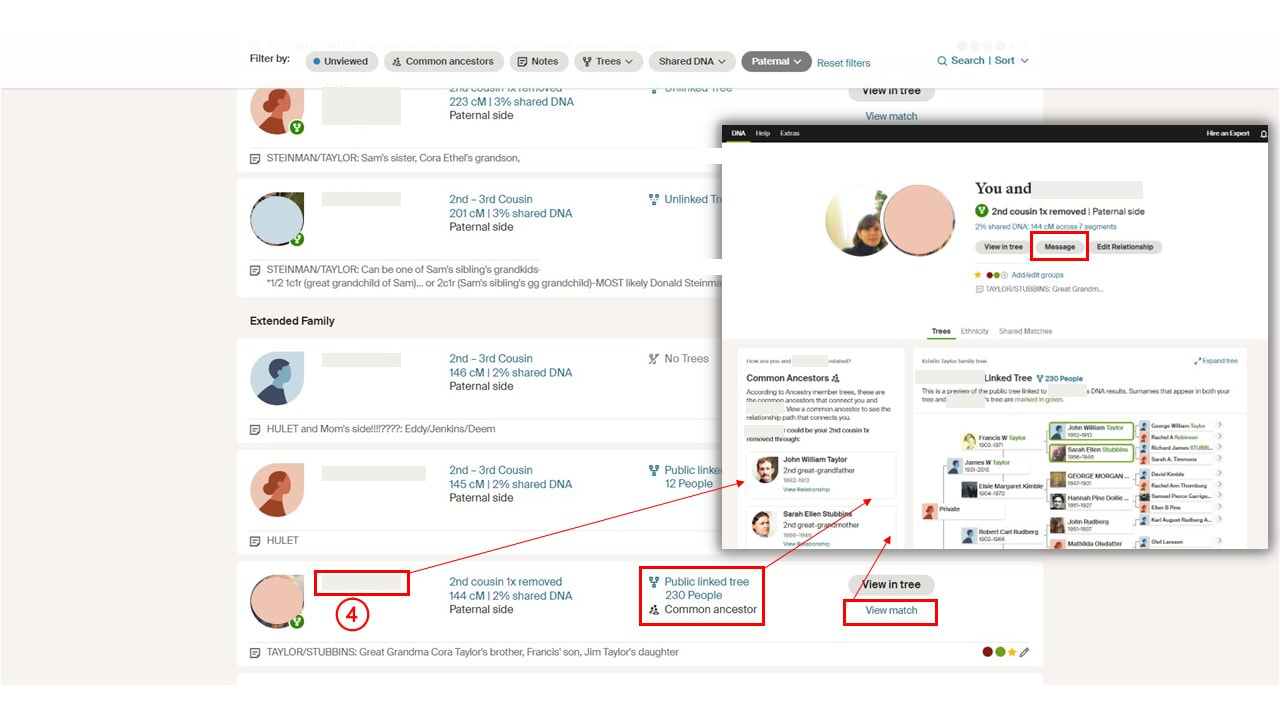 Getting to Ancestry's Messaging Center: Place 4 This is all still in BETA mode, so I’m sure they will be tweaking and updating these features, along with fixing any glitches! And who knows, they may even add more to it!
More Genealogy Resources: Learn about more Ancestry features and other family history and genealogy resources under the Genealogy Resources category and on my dedicated Genealogy Resources page.  Top 5 Scottish Genealogy WebsitesDo you have Scottish ancestors and looking for records, tools, and resources that can help in your Scottish genealogy research? Here are my top 5 Scottish genealogy websites to help you climb your family tree! 1. ScotlandsPeople ($ & FREE) 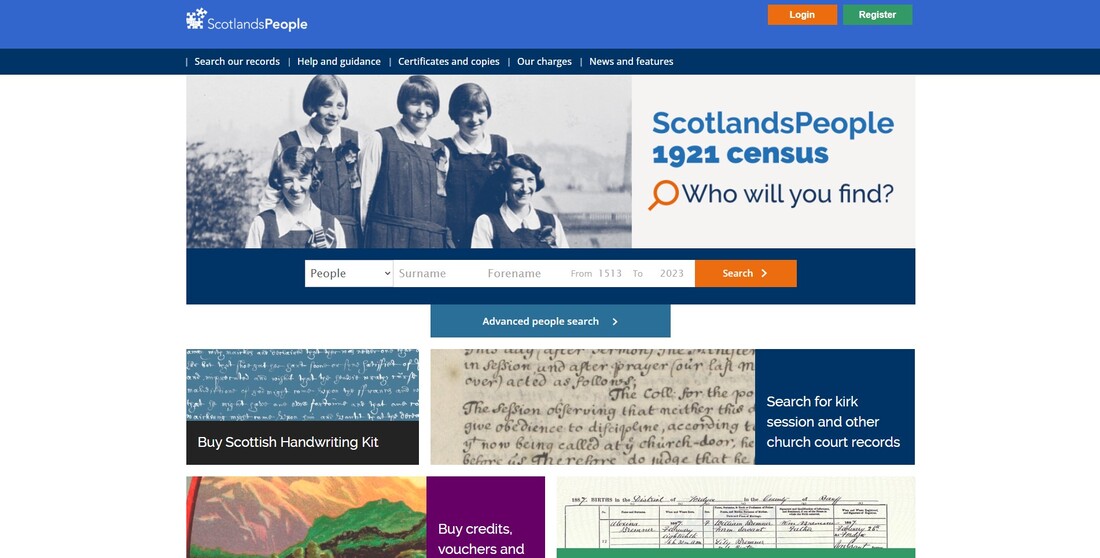 ScotlandsPeople for Scottish Genealogy Research
2. ScotlandsPlaces (FREE) 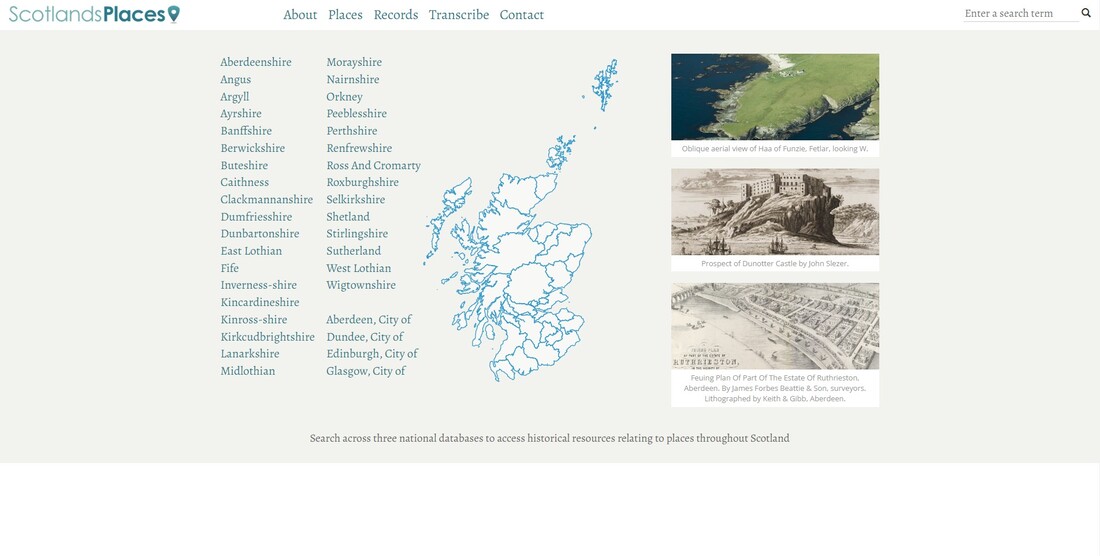 ScotlandsPlaces for Scottish Genealogy Research
3. FamilySearch & FamilySearch Scotland Genealogy Wiki (FREE) 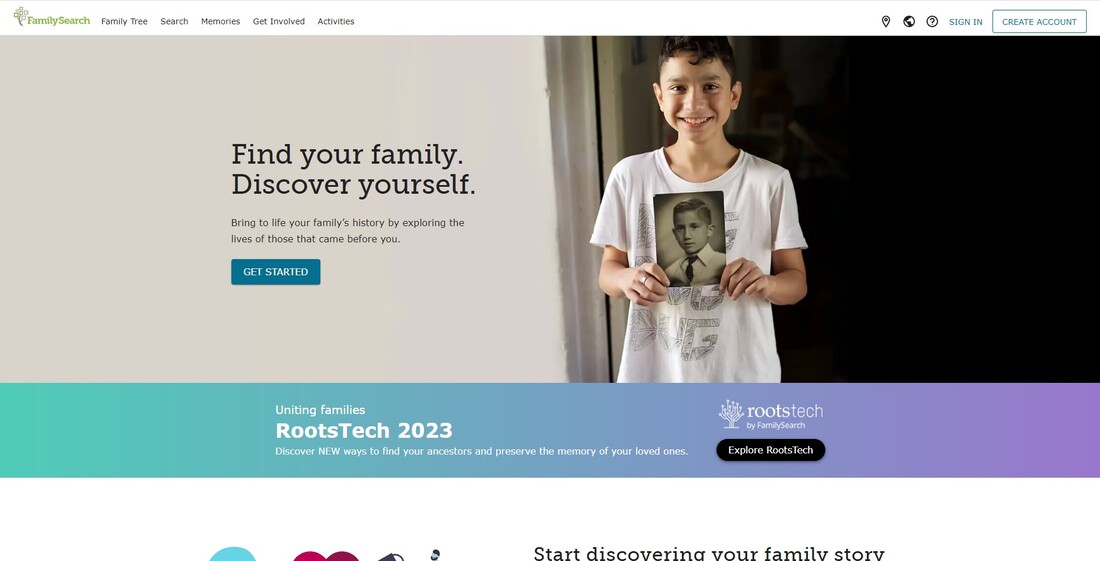 FamilySearch for Scottish Genealogy Research 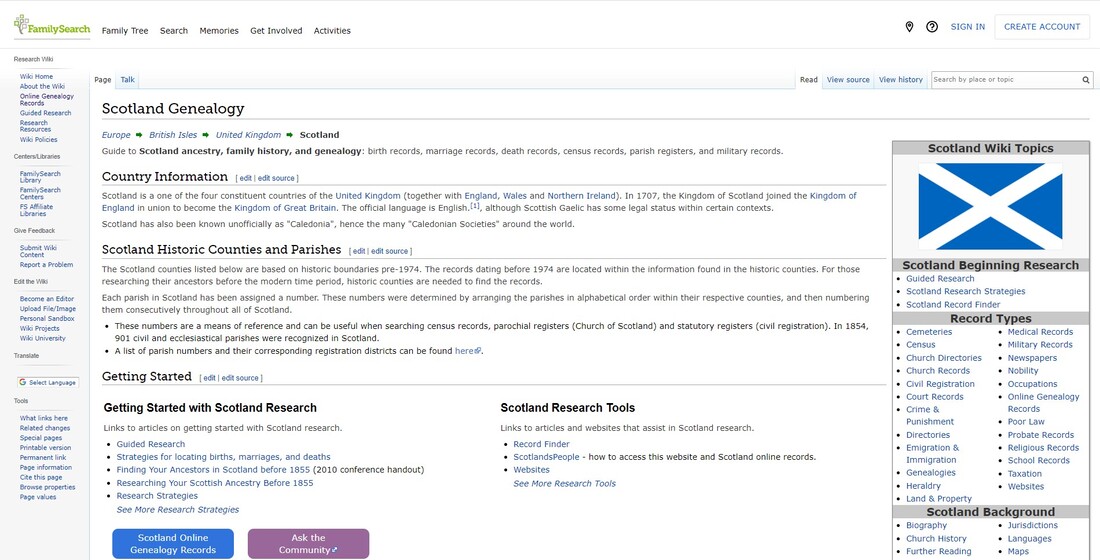 FamilySearch Scotland Genealogy Wiki for Scottish Genealogy Research
4. National Records of Scotland (FREE) 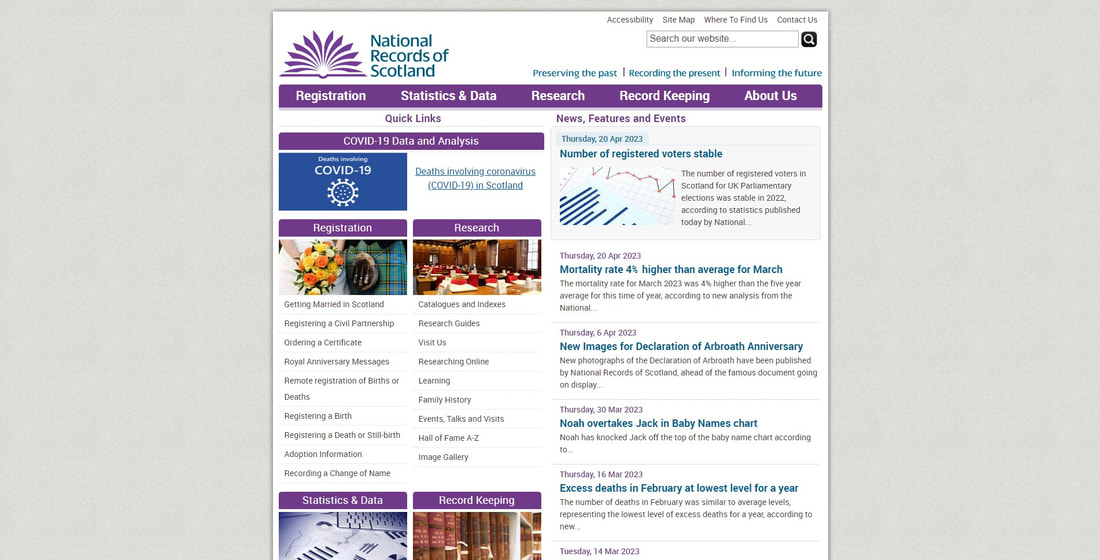 National Records of Scotland for Scottish Genealogy Research
5. The National Library of Scotland (FREE) 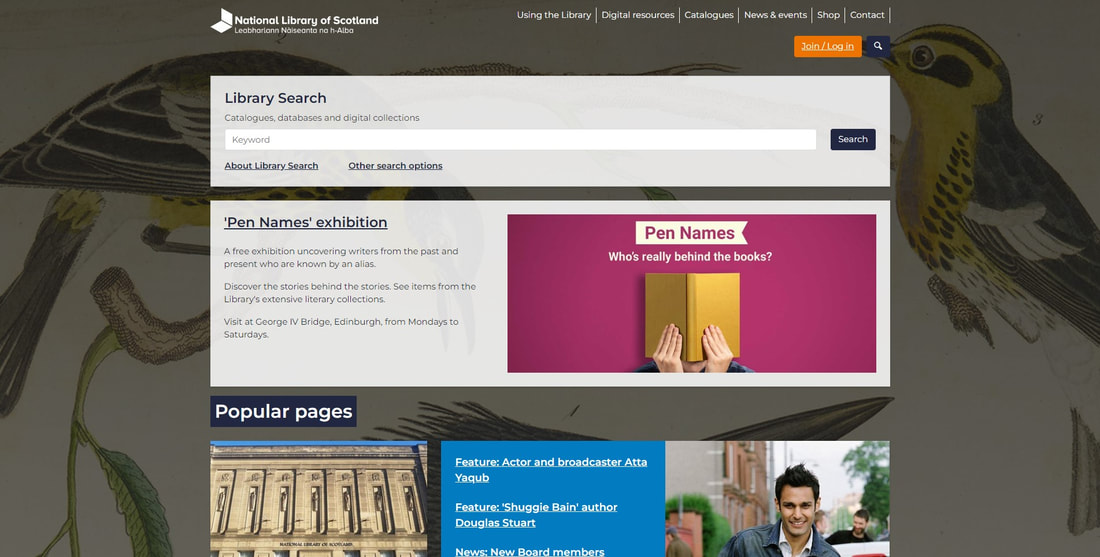 National Library of Scotland for Scottish Genealogy Research
More Genealogy Resources: Learn about more Ancestry features and other family history and genealogy resources under the Genealogy Resources category and on my dedicated Genealogy Resources page. More Top Genealogy: Find more of the best of family history and genealogy under the The Best of Genealogy category. |
Categories
All
Featured
Top Posts
BlogrollEvalogue.Life, Heart of the Family, Molly's Canopy, Climbing My Family Tree, Cami Mayer, Field Genealogist, Ancestor Detective, DNA Breakthroughs, Your DNA Guide, Ancestral Findings, Genealogy Tip of the Day, Family History Daily, Genea-Musings
BlogI hope my family history and genealogy blog on genealogy research tips, resources, events, and more, along with my own genealogy journeys, will help you in your research and in building your family tree to learn more about your ancestors and family history to preserve for future generations to come! 
Come visit me at Know Who Wears the Genes in Your Family if you're interested in starting your family history journey, booking me for your next speaking event, or family history and genealogy heirloom products!
          Archives
May 2024

|



 RSS Feed







HoursM-Su: 8am - 8pm


|
Know Who Wears the Genes in Your Family is dedicated to promoting family history and genealogy, while maintaining commitment to client care and professional service, and adheres to the Code of Ethics and Professional Practices put forth by the Association of Professional Genealogists.
|