|
For many of us in the genealogy community, our computers are our lifelines—our virtual libraries, archives, and research labs. But if you’re still running Windows 10, there’s an urgent deadline looming that could affect your access to security updates and compatibility with new genealogy software: Microsoft will end support for Windows 10 on October 14, 2025. As a genealogist who just spent days cleaning and clearing my C: Drive, let me share what I learned from this digital deep-clean, and how you can avoid tech headaches while preserving your research and preparing your system for the transition. ⚠️ Why This Matters: The Windows 11 Upgrade Deadline Windows 10 will no longer receive updates after October 14, 2025, meaning your computer could become vulnerable to security threats—and some genealogy programs may eventually stop supporting it. Upgrading to Windows 11 isn’t just a click-and-go process. It requires a minimum of 64 GB free space on your C: Drive just to begin the upgrade, and ideally 20+ GB additional to temporarily store the old system files during the process. For genealogists, that’s a tall order—especially if you’ve been running Family Tree Maker or other data-heavy programs on your system drive for years. 💡 Lessons Learned from My Upgrade Prep Here are a few critical takeaways from my own prep process that I believe every genealogist should consider: 1. Don’t Store Research Files on Your C: Drive When I installed Family Tree Maker 2019 five years ago (waiting to upgrade to Windows 11 before I install my FTM 2024 I received a few months ago), it defaulted to the C: Drive on my then new computer. I hadn’t realized just how much space had accumulated--over 144 GB of media files, backups, and client folders. While this was fine back then, it became a major roadblock when preparing for the Windows 11 upgrade. System updates depend on having enough space on the system drive, and FTM data can quickly eat up that room. ✅ Genealogist Tip: If your computer has a data drive (D:), move your Family Tree Maker media and backup folders there and change the default path in FTM's settings. If you're using a laptop without a D: Drive, consider using a reliable external SSD as your default path. 2. Keep Multiple Backups—But Know Where They Live Before deleting anything, I backed up my Family Tree Maker folders and other important files in three different locations: an external SanDisk Extreme Portable SSD, a Samsung T7 Shield Portable SSD, and a WD Elements Desktop External Hard Drive. I also use cloud storage selectively for vital documents. ✅ Genealogist Tip: Always back up in at least two or three places—especially before moving or deleting any genealogy files. Think of it as digital preservation insurance for your life's work. 3. Clean Your Computer Regularly Even after deleting huge folders like Pictures, Videos, and Music, I noticed my C: Drive space mysteriously disappearing over time. Turns out, many apps and background processes slowly creep back in. ✅ Genealogist Tip: Schedule routine digital cleanups every few months. Uninstall unused apps, clear browser caches, and move or delete non-essential files. Use tools like Disk Cleanup or Storage Sense in Windows to automate some of this process. 🛠️ How to Move Family Tree Maker Files to Another Drive For those using Family Tree Maker, here’s a simplified step-by-step guide to changing the file path:
💻 What to Do If Your Computer Can’t Run Windows 11 If your device doesn’t meet the Windows 11 Upgrade hardware requirements (such as TPM 2.0 or processor compatibility), you have a few options:
🧬 Why This Matters for Genealogists We spend countless hours building, sourcing, and preserving our family trees. Losing access to updates, programs, or data because of a full C: Drive or outdated operating system could stall—or worse, derail—our work. By keeping our systems clean, our files organized, and our programs properly configured, we’re not just managing technology—we’re preserving history. Final Thoughts Cleaning up my computer was exhausting, but it was a wake-up call. Whether you’re preparing for the Windows 11 upgrade or simply trying to keep your system running smoothly, make this a regular part of your genealogical routine. It’s not just good computer hygiene—it’s good family history preservation. ✅ Quick Checklist for Genealogists
If you’ve recently gone through a digital cleanup, I’d love to hear about it. Share your experience in the comments below—or better yet, let us know your best tip for keeping your genealogy work organized and safe! More Genealogy Software and OrganizationLearn about more family history and genealogy software and organization under the Genealogy Software and Organization categories and on my dedicated Genealogy Resources page.
2 Comments
6/1/2025 Exploring Google NotebookLM for Genealogy: An AI-Powered Research and Storytelling AssistantRead NowIn the ever-evolving landscape of technology and genealogy, few tools have excited me recently as much as Google NotebookLM (short for “Language Model”). Designed as a powerful, AI-enhanced note-taking and research assistant, this tool is not only versatile but genuinely fun to use. Over the past few days, I’ve had the opportunity to test out its features, run multiple experiments, and explore its potential for genealogy, client work, family history storytelling, blogging, and even podcast creation. Here’s a look at what I discovered—and why this tool may quickly become one of your favorite digital companions in genealogical research. What Is Google NotebookLM? Google NotebookLM is an AI-powered notebook environment designed to help users understand, organize, and interact with their sources. It works by uploading or linking to your research materials—whether that be documents, PDFs, blog posts, URLs, or a combination of these. The AI then enables you to generate summaries, timelines, FAQs, study guides, audio overviews, and even creative outputs like presentation drafts or mind maps. You can think of it as your personal research assistant that reads, processes, and reflects back insights from the content you give it. How I Tested Google NotebookLM for Genealogy To evaluate its effectiveness for genealogical research, I created four notebooks focusing on different kinds of sources: 1. Using URLs as Sources
2. Blog-Based Notebook from a PDF
3. Ancestor Profile & Research Summary PDFs
4. Expanded Family Unit Research
What Can You Do With It? Here are some of my favorite features—and how I think genealogists can benefit from each: ✅ Generate Summaries Instantly turn long-form blog posts, research notes, or PDFs into a short and clean summary—perfect for client reports or family history write-ups. ✅ Create Study Guides This feature is ideal for genealogical lectures or self-paced learning. Upload materials related to a topic—say, U.S. Census research—and NotebookLM can produce a study guide with key concepts, takeaways, and learning objectives. ✅ Timelines Upload an ancestor profile, then generate a timeline of life events, residence changes, or historical context. Great for visualizing migration paths or summarizing a person’s life for storytelling. ✅ Briefing Documents Useful for prepping for presentations, consultations, or writing, these documents highlight the most important content in your source and synthesize it for quick reference. ✅ Mind Maps Visually organize related people, events, or themes in your research. Helpful for identifying clusters of activity, neighborhood patterns, or overlapping timelines. ✅ Source Guide Summaries & Discussions Let the AI pull out key topics, themes, and facts from a group of sources and engage with it like a thought partner—perfect for refining your analysis. ✅ Audio Overviews By far one of the most exciting features: NotebookLM can generate an audio summary of your notebook, reading out insights and highlights across your sources. You can download these as .wav files. Pro Tip: I took these audio clips and ran them through Adobe Podcast AI, which allowed me to polish them into high-quality MP3 podcast episodes. I even turned them into audigram videos (animated captioned transcripts) and posted them on YouTube using custom background images. This is a game-changer for genealogists looking to share research in accessible, engaging formats. How Genealogists Can Use NotebookLM The possibilities are vast, but here are a few practical ideas for everyday family historians and professionals:
NotebookLM: The Specs As of now, the date of this post (free version):
Final Thoughts: A Research Assistant in Your Pocket Google NotebookLM is still evolving, but its current feature set already offers an incredible amount of support for genealogical professionals, researchers, and bloggers. Whether you’re compiling research, creating content, or just trying to organize your thoughts and findings, this AI tool acts like a personalized assistant—one that reads your sources, listens to your needs, and responds with meaningful output. If you're looking to experiment with AI and haven’t yet tried NotebookLM, I highly recommend giving it a test drive. You may be surprised at how much it can enrich your research, storytelling, and creative process. Have you tried Google NotebookLM yet? What features are you most excited about—or curious to try? Let me know in the comments, and stay tuned for a follow-up post where I’ll share some real examples from my test notebooks, blog-to-podcast experiments, and ancestor research timelines! More AI and Genealogy ResourcesLearn about more AI in Genealogy and other family history and genealogy resources under the AI in Genealogy and Genealogy Resources category and on my dedicated Genealogy Resources page.
As a professional genealogist, ongoing education is crucial to stay current with research methodologies, technological advancements, and the tons of records becoming more accessible each year. For many years, I’ve accumulated a massive amount of genealogy education through conferences, webinars, courses, and self-study. However, I recently realized I had been significantly underreporting my continuing education for my Association of Professional Genealogists (APG) membership requirements. The reason? Lack of organization. So, in the past few weeks, I took the plunge to fully organize my genealogical education history, and the results were definitely eye-opening. Here’s what I learned and how this process helped me not only stay on top of my education reporting but also manage my professional development more effectively. The Need for Organization: A Revelation Like many genealogists, my continuing education consists of various formats: live webinars, virtual conferences, in-person events, self-paced courses, and even independent study. I was doing what many of us tend to do—taking scratch notes, saving digital files here and there, and quickly logging attendance at conferences and workshops without creating a comprehensive record. This made tracking and reporting my education hours an overwhelming task at the end of each year. It wasn’t until I started going through old emails, registration confirmations, attendance certificates, title slide screenshots from webinars (that I take to help remember the presentation, date, and instructor) and even paper notes that I realized how much I had missed. Some educational experiences were completely undocumented in my official reports. I discovered a substantial gap between what I had reported and what I had actually accomplished. This discovery led me to dig through every possible source of educational material I had collected—paper notes, digital files, conference handouts, downloaded syllabi, and more, since the beginning of my educational journey. It wasn’t just about fulfilling my reporting requirements; it was about honoring the investment I had made in my professional growth. The Outcome: 684.75 Hours and Counting After combing through years’ worth of genealogical education, I tallied an impressive 684.75 hours from numerous organizations and institutions, including:
This extensive list includes conferences and webinars from 2014 onward (couldn’t find old handouts before then-must have thrown them away 😉), though my education truly accelerated during the COVID-19 pandemic. With so much online, I could attend a wide range of events, sometimes at no cost due to being a speaker, and I had the rare gift of time this past year and a half as I recovered from a work injury. Looking back, the pandemic period allowed my professional development to flourish in ways I hadn’t anticipated. Lessons Learned: The Importance of Tracking Genealogy Education The biggest takeaway from this experience is that organization is key to staying on top of continuing education, particularly when you’re juggling a variety of events, both in-person and virtual. My underreporting was simply a result of poor organization—not a lack of dedication. Here’s what I plan to do moving forward to ensure I stay on top of my genealogical education:
ExampleI have created spreadsheets for each year since 2014. Here are a couple of example pages, from 18 and counting, for 2024. A New Perspective on My Educational Journey One surprising realization during this process was how much I had grown as a genealogist since 2014. My education truly evolved, particularly when so much went online during the pandemic. The ability to participate in conferences and webinars from the comfort of home expanded my horizons significantly. I also saw how much I had learned through self-study, which often goes unrecognized but is equally valuable. Going forward, I’m committed to keeping my education organized, not only for reporting purposes but also to help me find handouts, syllabi, and materials more easily when I need them. This organization will also serve as a resource if anyone ever asks about my educational background or if I want to reflect on particular subjects. Final Thoughts: Get Organized Now, Not Later If you’re a professional genealogist—or even a dedicated hobbyist—it’s never too early to start organizing your genealogy education. You may be surprised by how much you’ve learned and accomplished when you start documenting it fully. Don’t let disorganization hold you back from accurately reporting or leveraging your hard-earned knowledge. Trust me, the process will make your life easier in the long run and allow you to continue growing as a genealogist. So, take a few hours to go through your old notes, emails, and certificates. Your future self will thank you! © 2024 Diane Henriks @ Know Who Wears the Genes in Your Family More Organization and other Genealogy ResourcesLearn about more organization tips and other family history and genealogy resources under the Organization and Genealogy Resources categories and on my dedicated Genealogy Resources page.
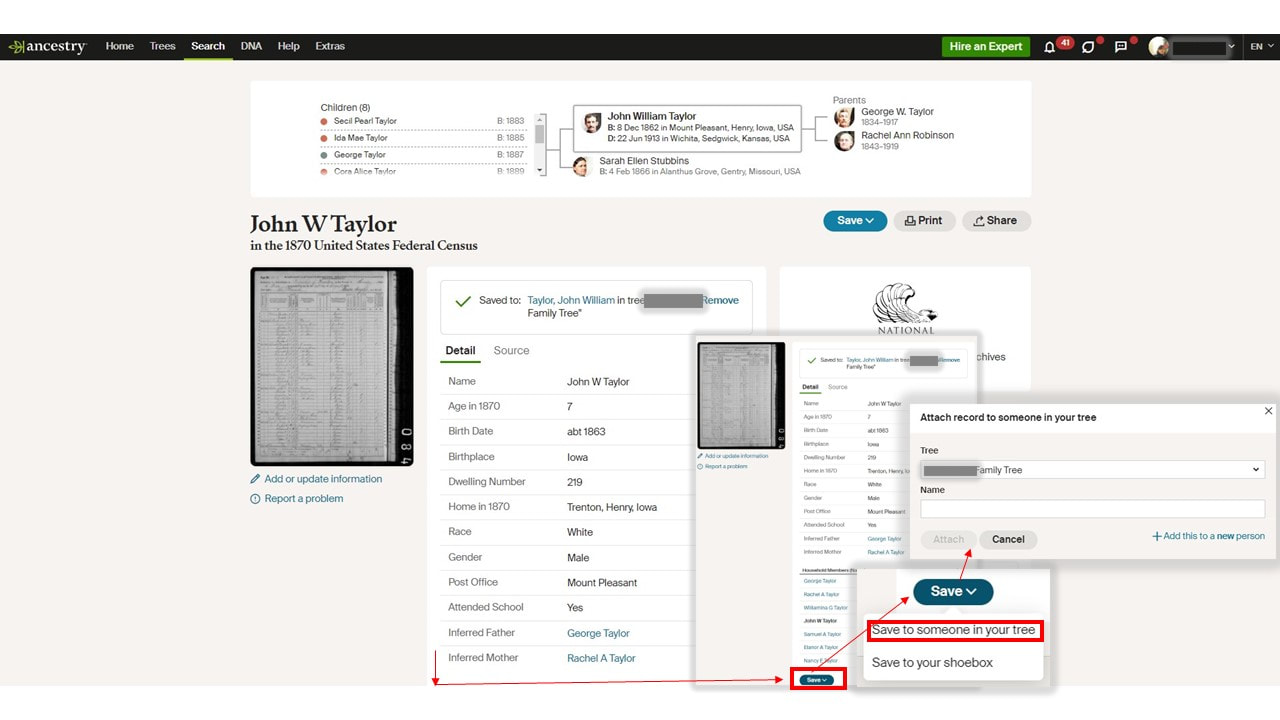
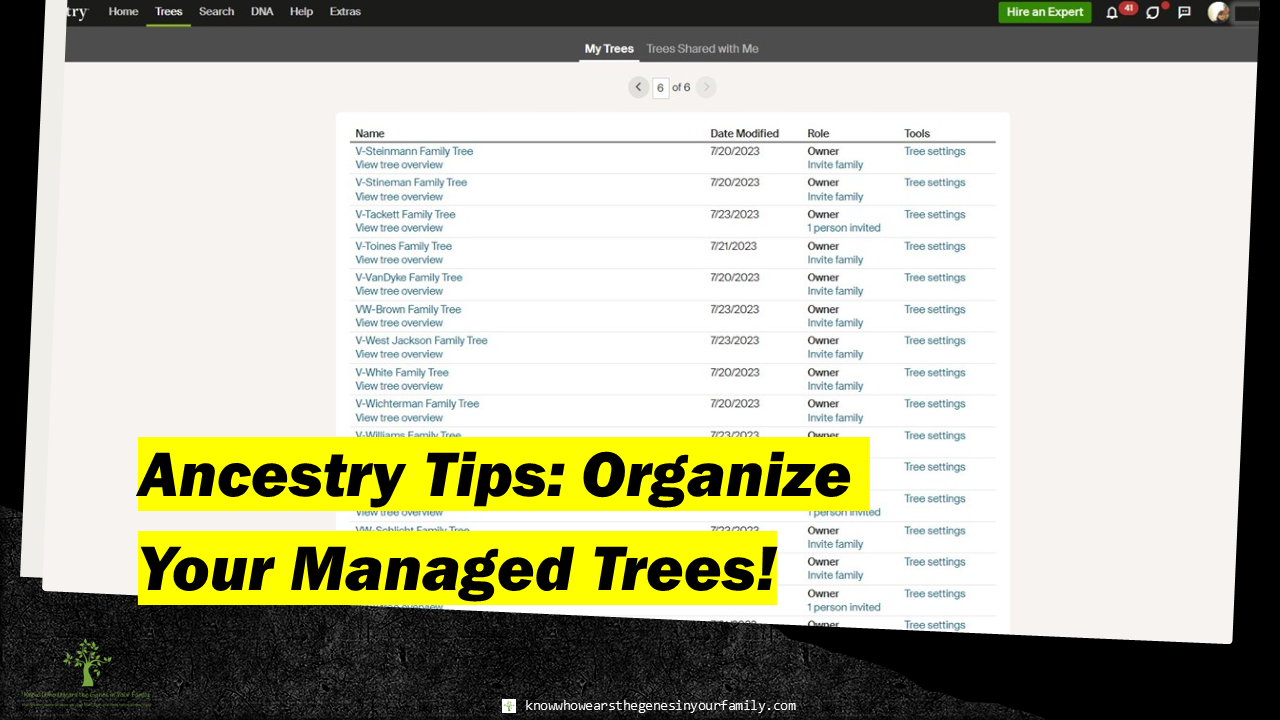
Ancestry Tips: Why You Should Organize Your Managed Trees! Do you have a long list of managed family trees on Ancestry? That list can get fairly long with more than just your personal family tree; you may have DNA match trees, client trees, test trees, family trees for friends, and volunteer case trees, and more! If so, it may be time to start organizing them! Organizing your managed trees on Ancestry may be a lot more important than you may think. If your managed trees aren’t organized, you may not be able to use some of the tools and features on Ancestry with them. Some Ancestry Tools/Features That May Not Work
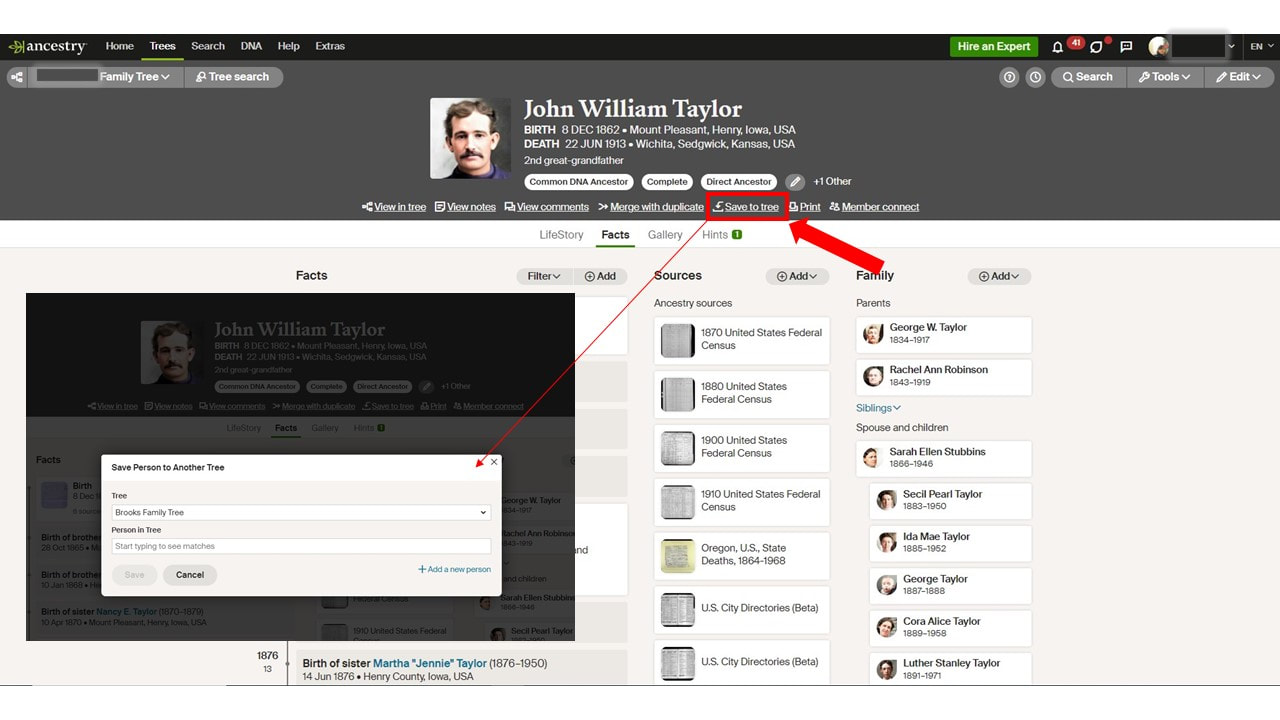
If you have more than 100 trees, you may not be able to use these features for some of your trees. Ancestry cuts the drop-down lists (shown in the above examples) for these features off at 100, so any trees after the first 100 will be affected. My main/personal family tree starts with an “S”; therefore, it was near the end of the list, and I couldn’t use the “save a record to someone” else feature, which was very frustrating and time consuming. This feature is meant to make things easier and save valuable time. You will want to make sure that any trees that are no longer important, such as archived clients, etc., are moved to the bottom of the list. You can think up any clever naming/labeling system that works for you. I quickly chose a temporary system, for the meantime, that allows me to use these features for the trees that I need to use them on. It is simple, but not only does it let me use these important features, but it also helps me stay organized, by knowing what types of trees they are. I may need to give it a lot more thought in the future. 😉 My temporary Naming/Labeling system
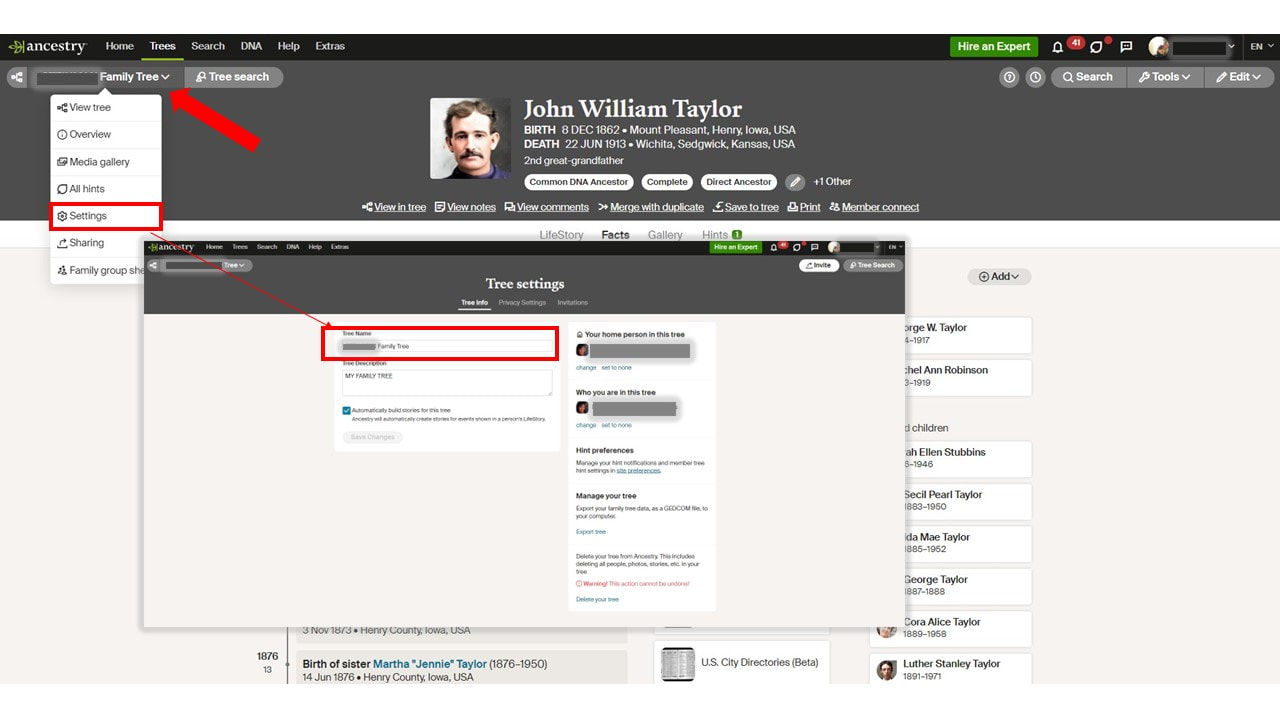
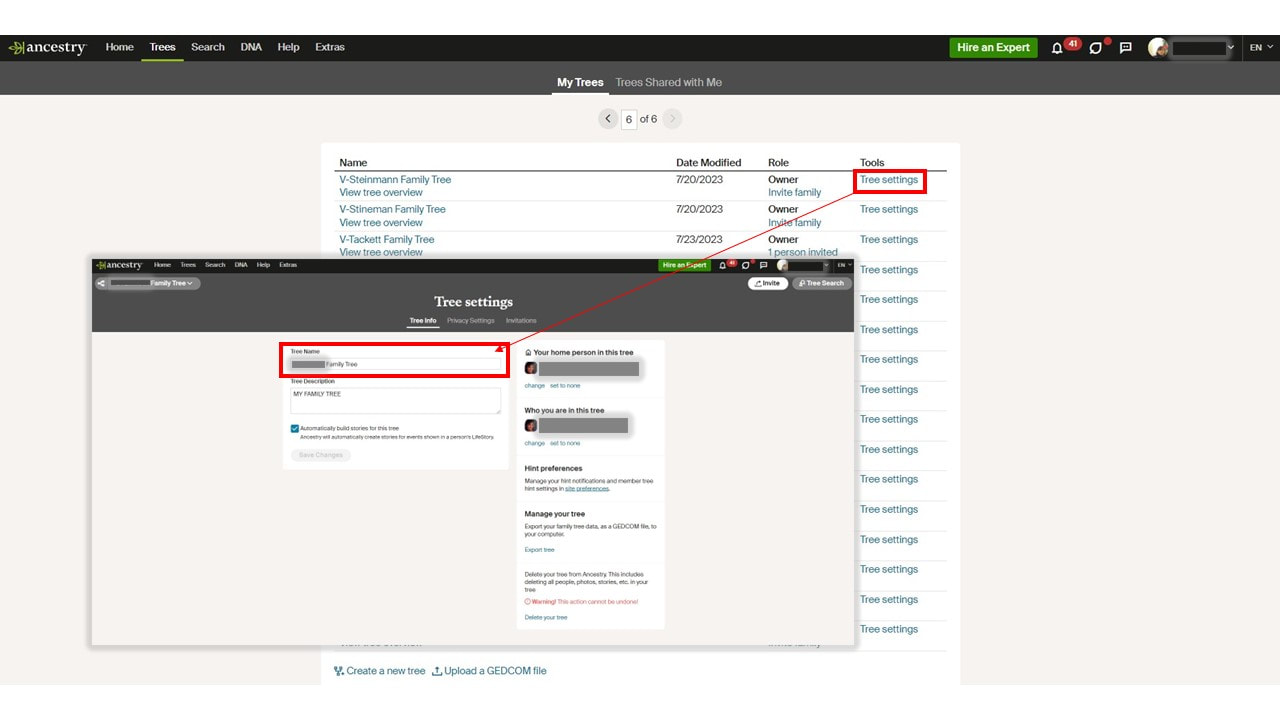
All my personal trees are scattered between, but still fall in the drop-downs. Where to Change Tree Names
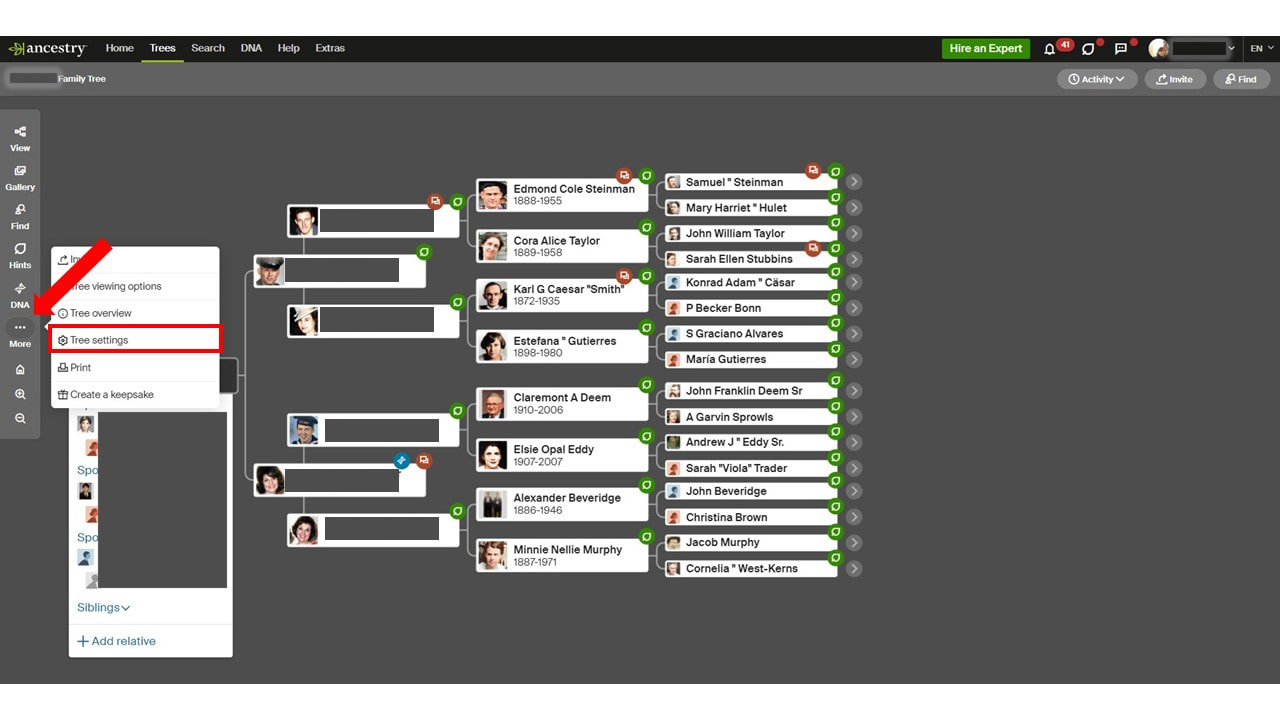
*Note: Your labeling system can be changed at any time, as well as removing a name for syncing or reports, then renaming again. *Note: You can also do this for any trees shared with you, as editor. More Ancestry, Organization, and other Genealogy ResourcesLearn about more Ancestry tips, tools, and features; organization; and and other family history and genealogy resources under the Ancestry.com, Organization, and Genealogy Resources categories and on my dedicated Genealogy Resources page.
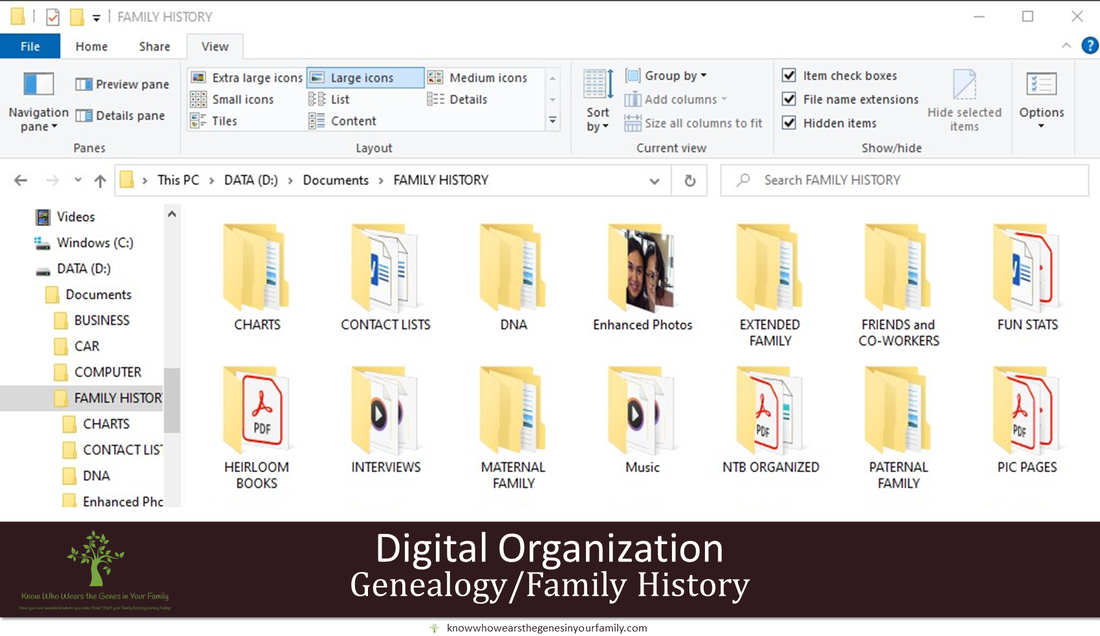
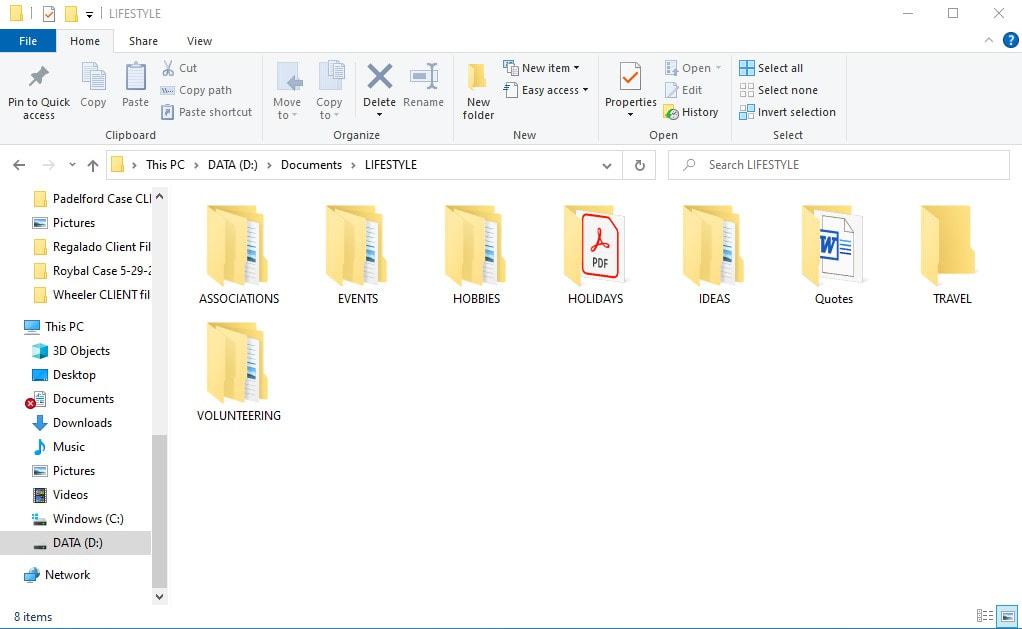
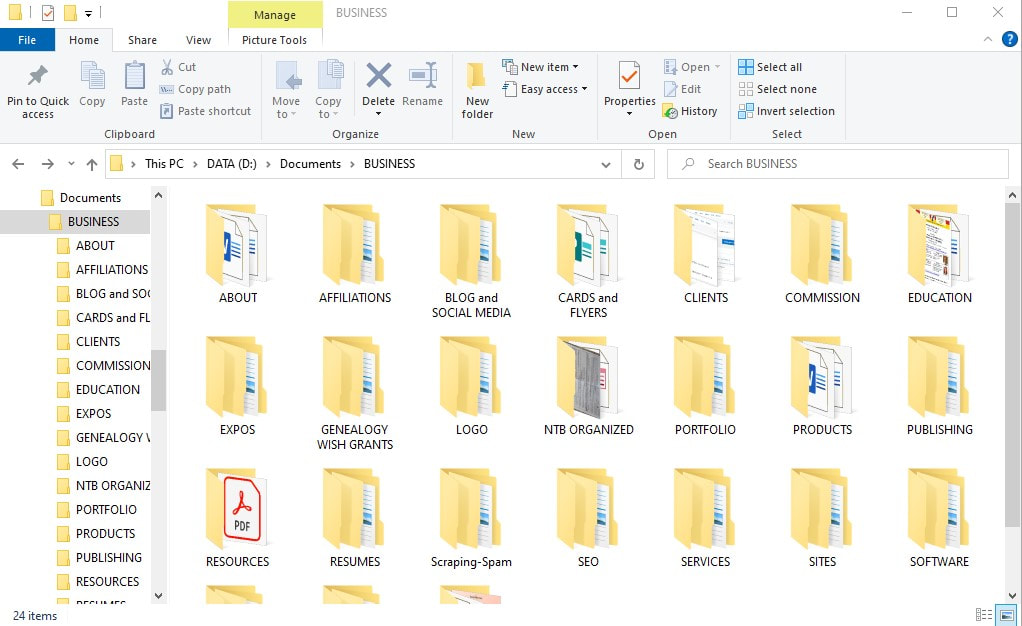
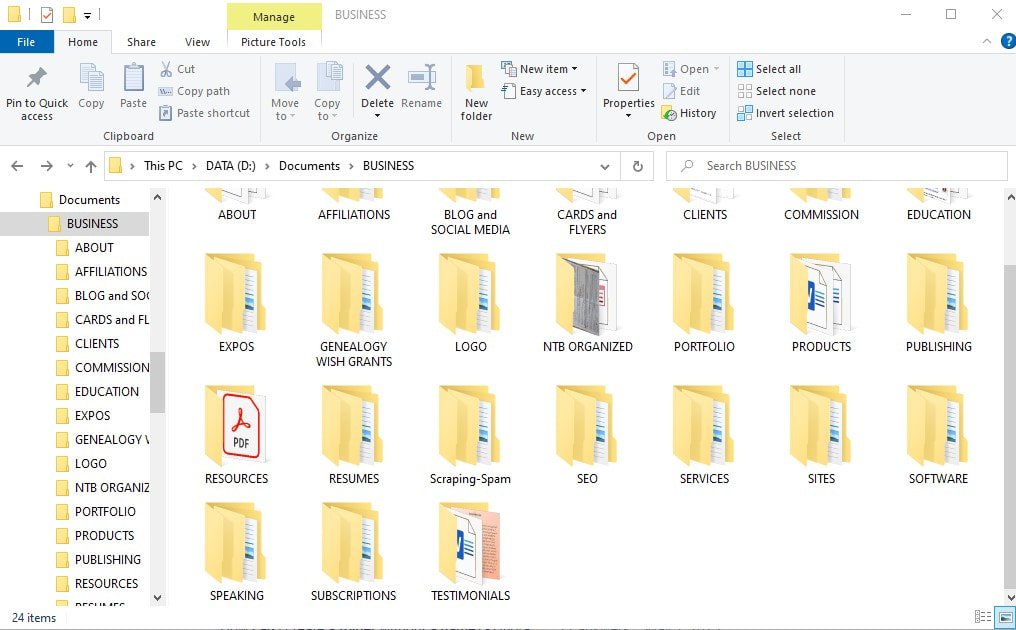
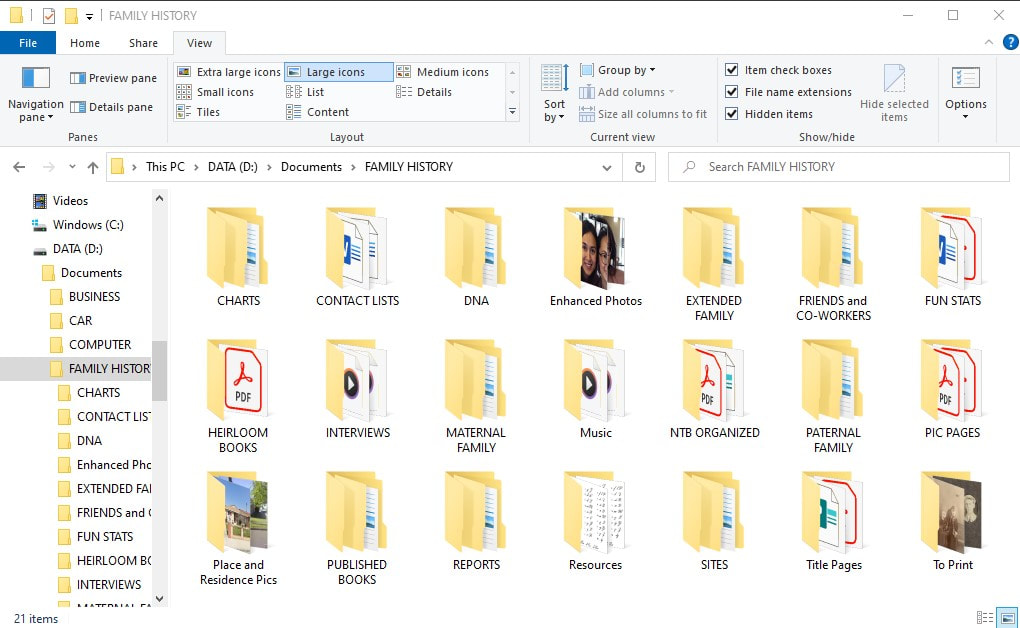
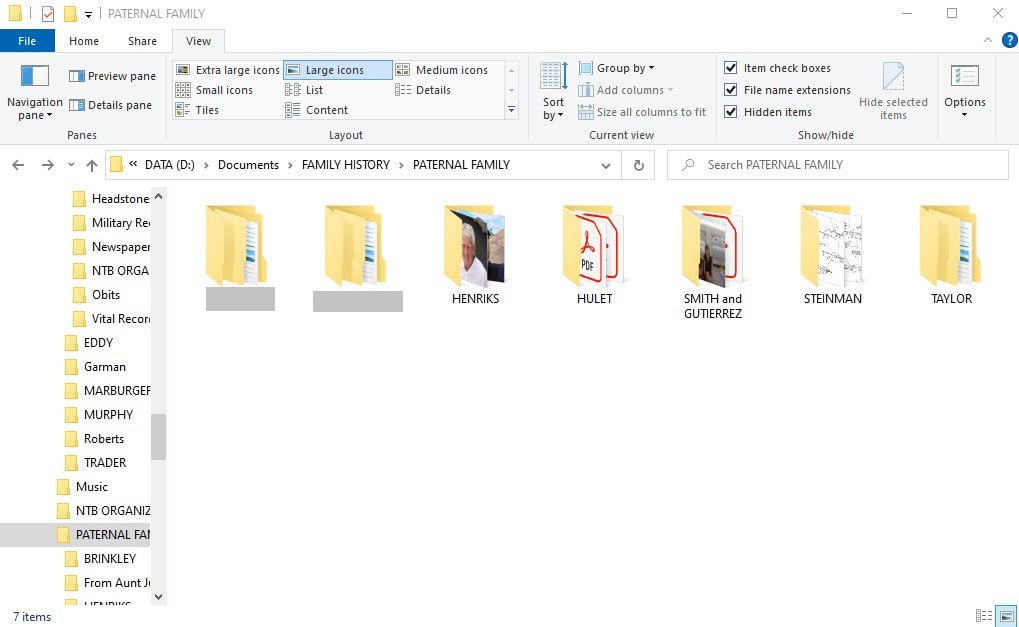
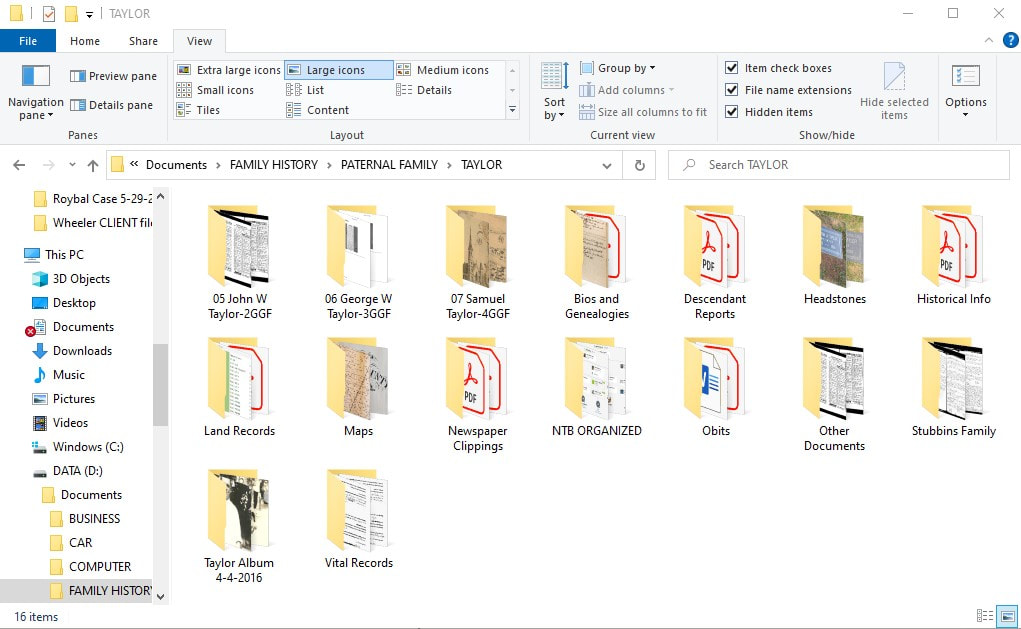
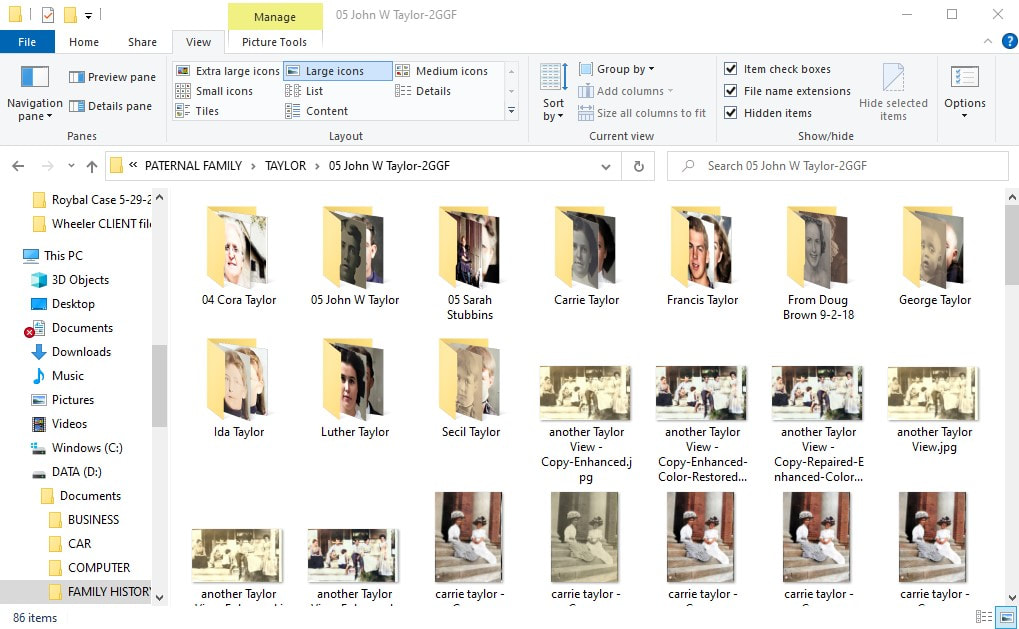
Help, I Can’t Find My Family History/Genealogy Stuff!Does this hit a chord? The past 2 weeks, I have spent my spare time renaming and organizing all my hard drive folders, including my business stuff and family history/genealogy stuff because I couldn’t find a thing when I needed it! Sound familiar? 😉 I am now in the process of backing everything up to new SSD drives, as my old portable HDD drives are too slow when it comes to backing up a whole hard drive and/or cloud backup, even the one I just bought last year. My HDD drives could take hours to even a whole day! So far, I have backed up just my business folder and family history folder, with the former taking about 15 minutes to back up, and the latter taking about 20. I’m not one for reading up on genealogy/family history/family tree digital organization, as I believe everyone needs to organize things the way that feels right for them, and everyone has their own method for doing things. I pretty much have this belief system for anything and everything, but I do like to learn new tips, just not follow someone else’s method for doing something. What I Did To Organize:
I am still not 100% happy with the way I organized everything, but it is WAY better than the mess it was! 😉 I must have renamed and reorganized folders over 10 times, each, before I was somewhat happy with them, especially my family history! Why did I feel the need to have to spend the last 2 weeks doing it all at once? It was time to back it up again! I’ve learned my lesson about renaming and moving folders, and then trying to back them up on the same portable hard drive! It takes LONGER, much longer, and it will stop repeatedly, asking you to confirm almost each and every thing, so you can’t just walk away, come back, and expect it to be done! Not only that, but it will miss copying many items. Like I said, lesson learned. Examples: Overall Documents FolderBusiness FolderFamily History/Genealogy FolderThings to keep in mind:No matter how messy or hard it is to find something, you can always search for something in the search bar, but keep in mind that you would have to remember what you named something, at least ballpark, to find it. 😉
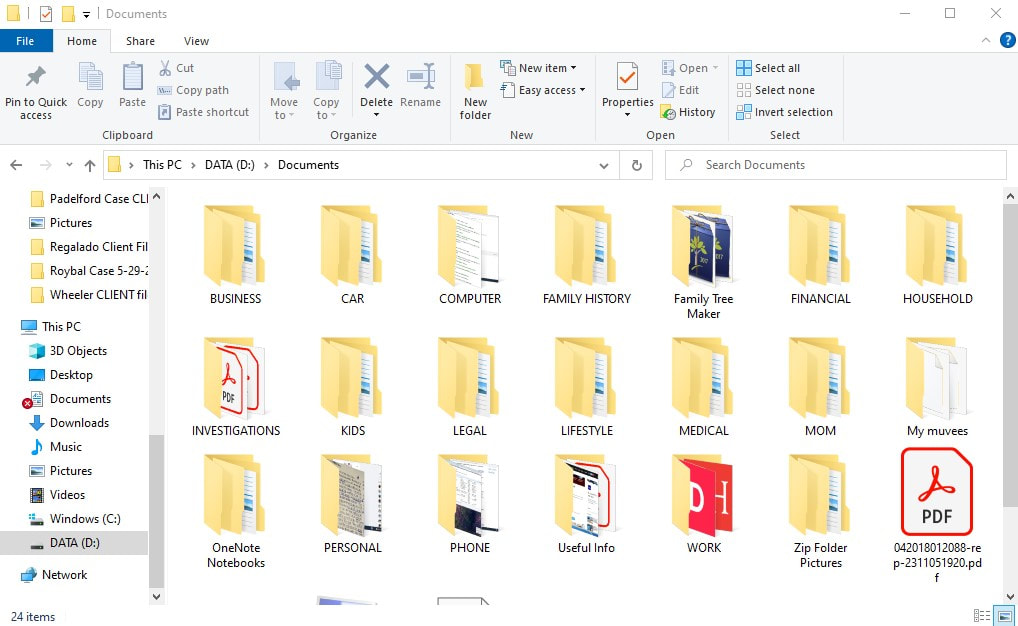
Back in the day, well over a decade ago, I had just saved my downloaded, scanned, etc. family tree stuff as named into just my general family tree folder, and sometimes to a surname folder, so searching for things is extremely difficult, for the old stuff that is. I do not want, nor do I have the time, to go back and rename ALL the thousands of old family tree files, so renaming and reorganizing the folders was the best I could do, for now. |
Details
Author, Diane HenriksHi, I'm Diane Henriks, a professional genealogist and investigator who... Know Who Wears the Genes in Your Family: Family History and Genealogy BlogI hope my family history and genealogy blog on genealogy research tips, resources, events, and more, along with my own genealogy journeys, will help you in your research and in building your family tree to learn more about your ancestors and family history to preserve for future generations to come! Categories
All
FeaturedTop PostsBlogrollEvalogue.Life, Heart of the Family, Molly's Canopy, Climbing My Family Tree, Cami Mayer, Field Genealogist, Ancestor Detective, DNA Breakthroughs, Your DNA Guide, Ancestral Findings, Genealogy Tip of the Day, Family History Daily, Genea-Musings
Come visit me at Know Who Wears the Genes in Your Family if you're interested in starting your family history journey, booking me for your next speaking event, or family history and genealogy heirloom products!
Archives
October 2025
|
RSS Feed