
|
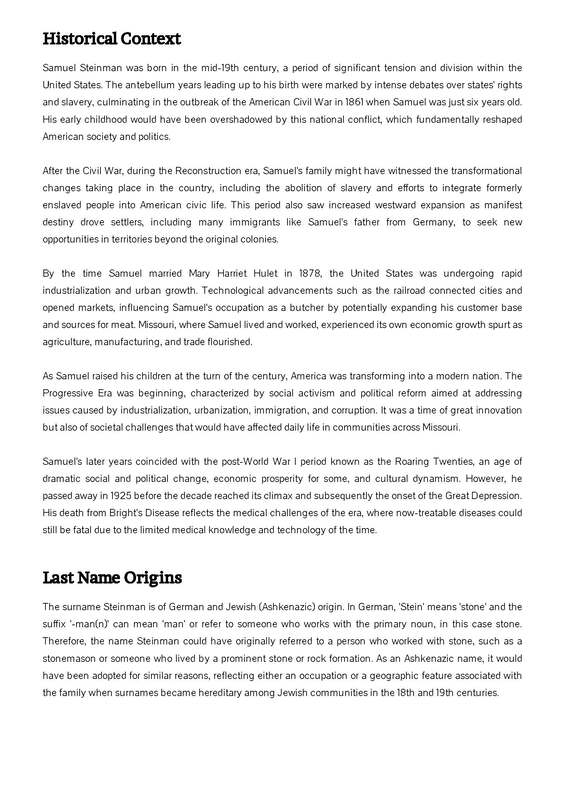
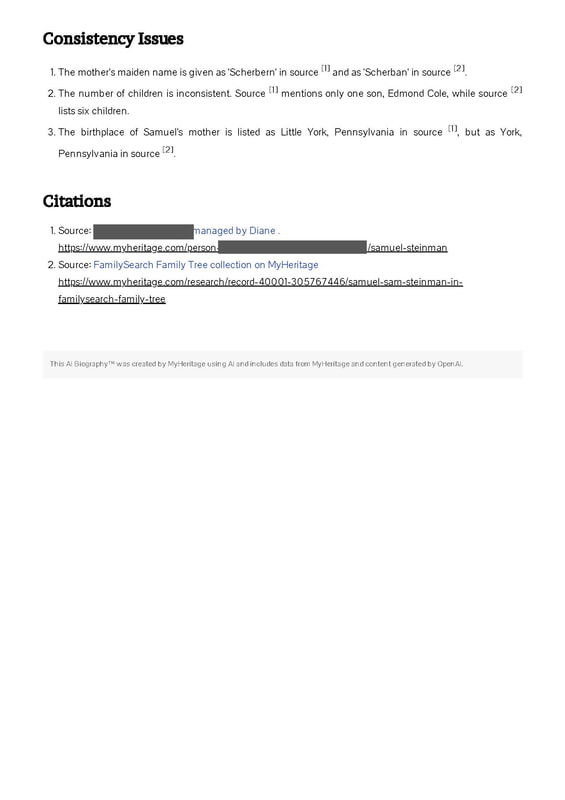
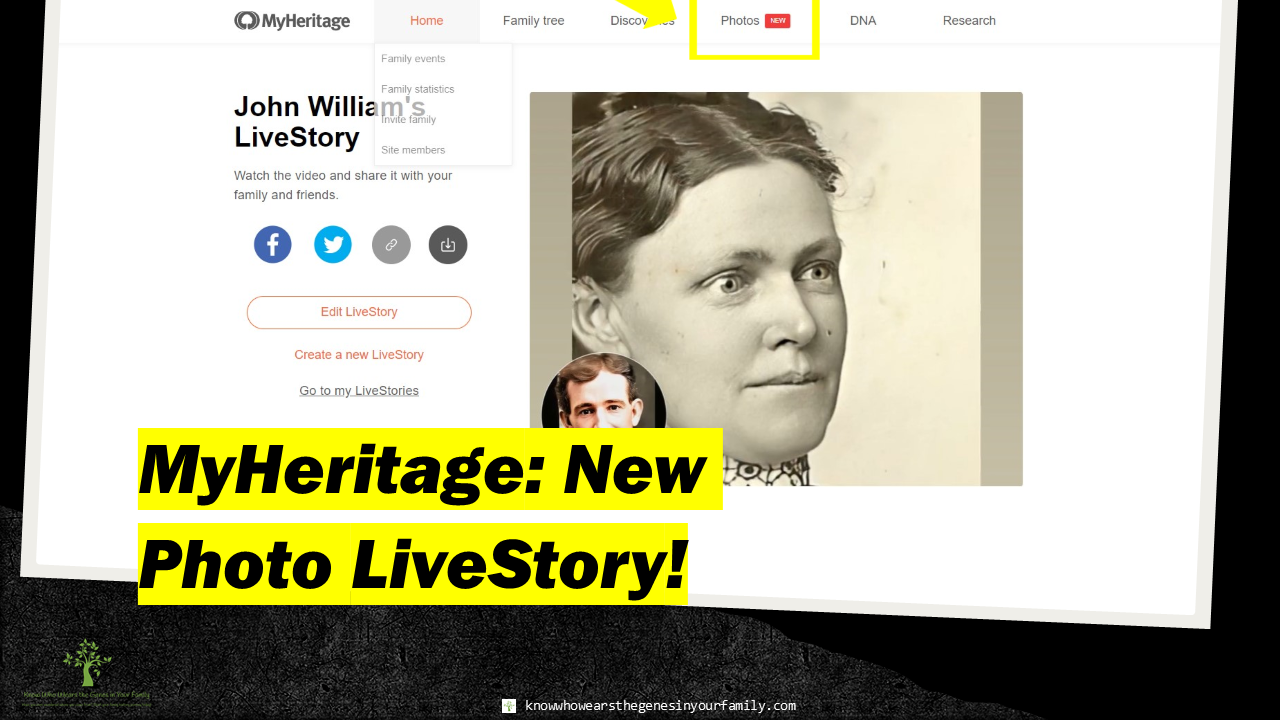
12/30/2023 New MyHeritage Feature, AI Biographer, Creates Instant Biographies for Your Ancestors!Read Now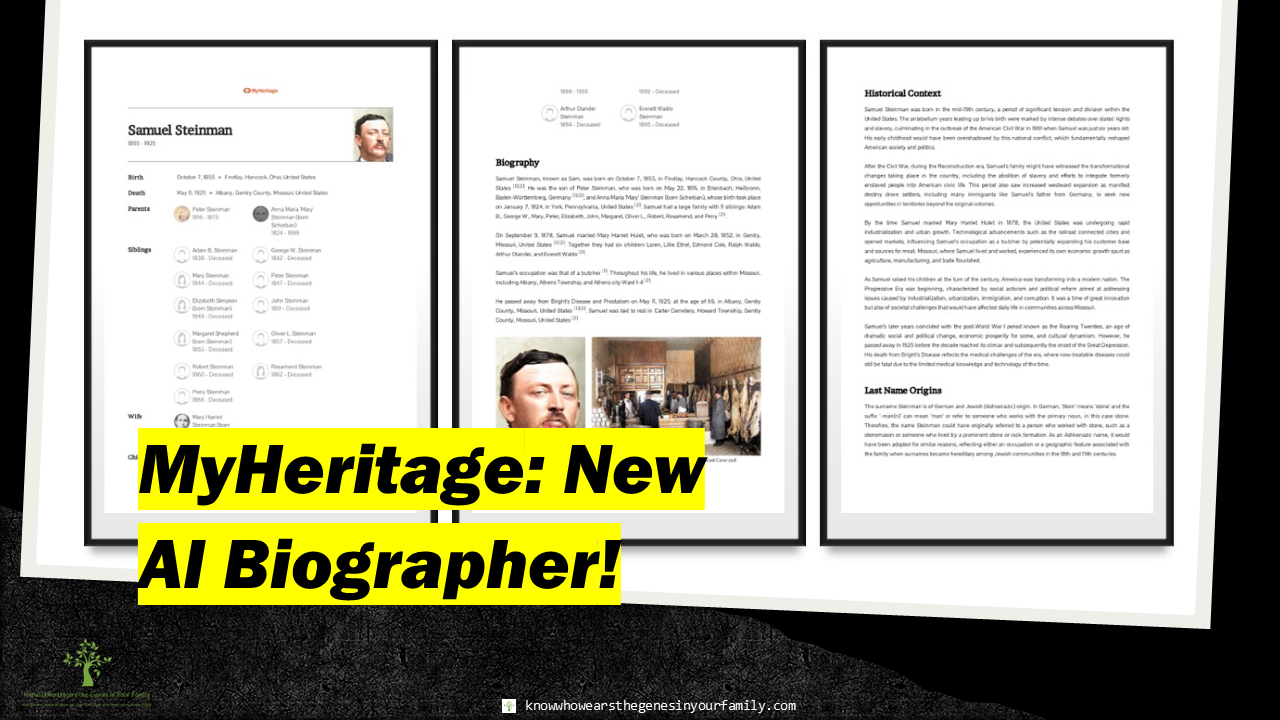 New MyHeritage Feature, AI Biographer MyHeritage, the leader in innovative family history tools, has just surprised us with 2 new, groundbreaking features! The first day after Christmas MyHeritage gave to me…AI Record Finder and AI Biographer to enhance my genealogy! MyHeritage AI BiographerMyHeritage is constantly churning out the best state-of-the-art tools and features to enhance, preserve, and share your family history! The all new MyHeritage AI Biographer, a genealogists and/or family historian dream come true, automatically creates a “Wikipedia-style” biography of your ancestor’s life, utilizing details from matching historical records and family tree profiles, using AI technology! Enhance your family history and genealogy experience by Instantly creating beautiful biographies with historical context to pass down through the generations! This came at the perfect time for me! What had I literally been doing the few days before this was announced to me? I was taking all my own historical facts from my timeline and copying and pasting them in an AI rephraser tool to create something just like this! At the same time, I was telling myself that it would be cool if either Ancestry or MyHeritage came out with a feature that did exactly what I was doing manually, take everything from your timeline/ancestor’s timeline and create a story or biographical sketch using AI. Who knew that MyHeritage was working on just that behind the curtains, right at the time I was envisioning it! What’s Included in the AI Biography
AI Biographer Uses
How to Get to AI Biographer
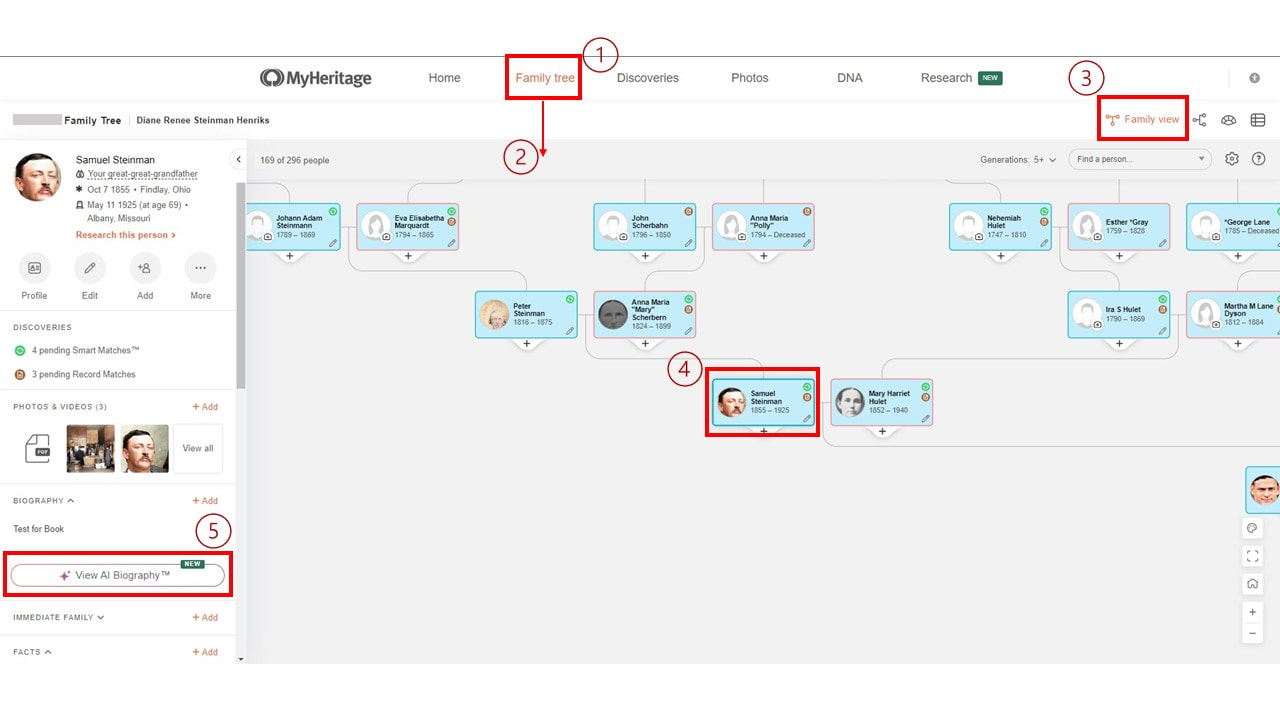 How to Get to MyHeritage AI Biographer Current Limitations
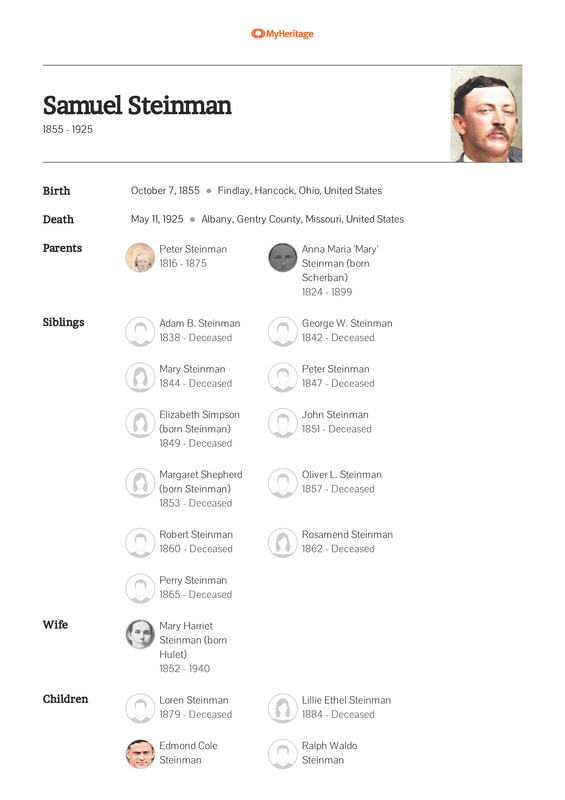
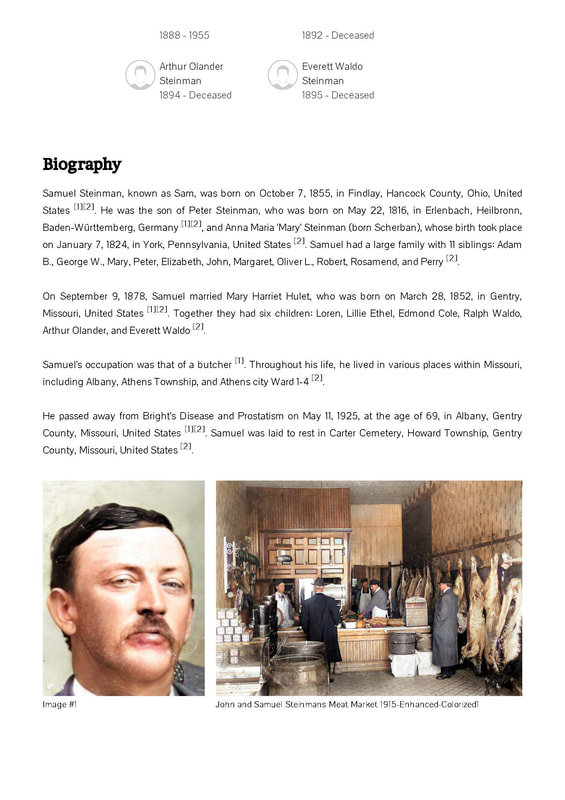
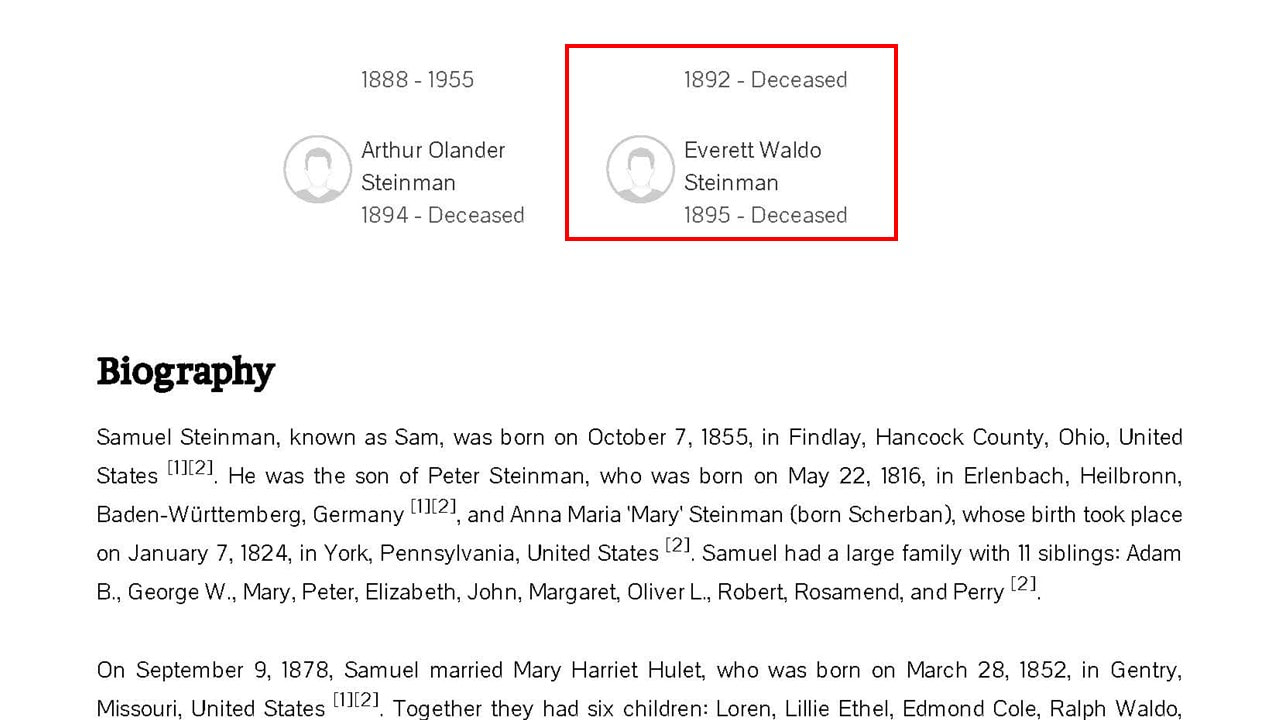
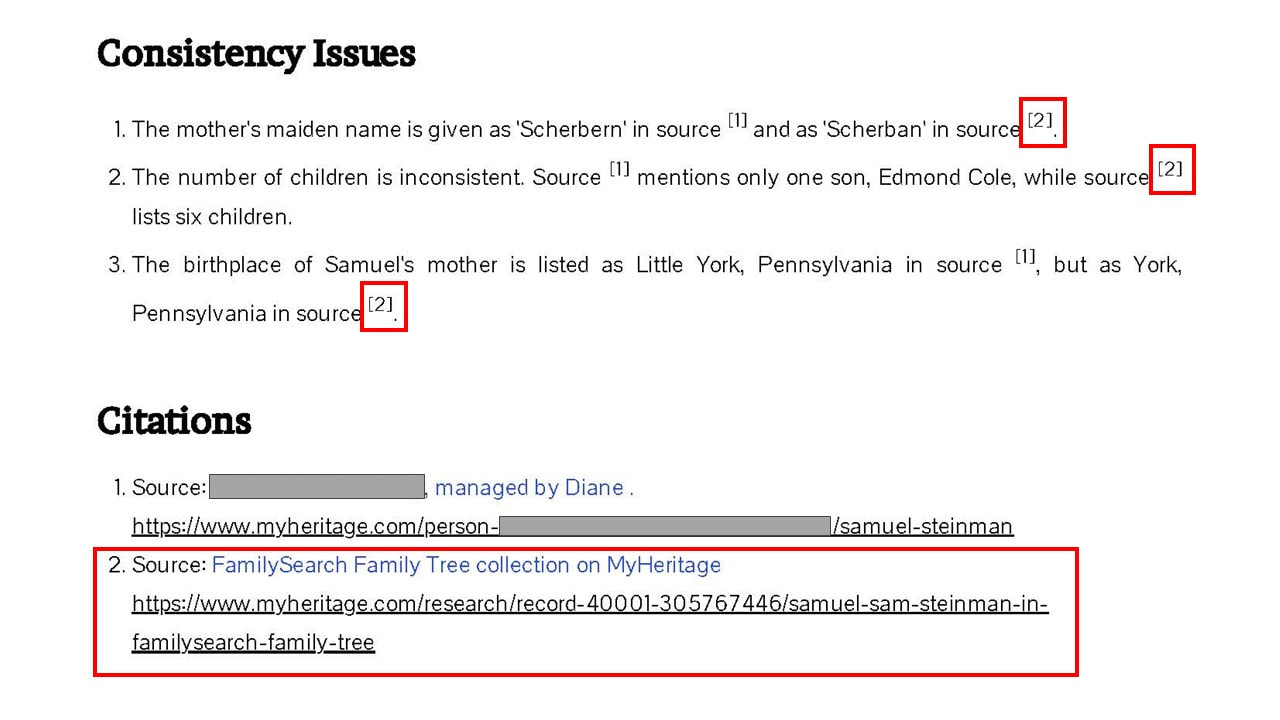
As you can see from the images below, it also pulled info from another family tree (the FamilySearch Collaborative World Tree of all things 😉), showing some incorrect info. My 2nd great grandfather did not have a child named Everett Waldo; my great grandfather, Edmond Cole (already listed) had changed his name, in his later years, to this. Right after I saw this, I went in and removed the Everett Waldo from the FamilySearch Collaboative World Tree, but who knows when someone else will add it again.😉 I HOPE MyHeritage creates an option to just pull from your own tree, while also pulling info from the web for historical context, then it would be a true dream come true. 😉
Try It for FREEThere is currently an unspecified number of free biographies for anyone who wants to try out this new groundbreaking feature! So, give it a try at: MyHeritage (currently they do not have a try button as with other new features in the past, so not sure how you try for free). More MyHeritage and Other Genealogy ResourcesLearn about more MyHeritage and other family history and genealogy resources under the Genealogy Resources category and on my dedicated Genealogy Resources page.
9 Comments
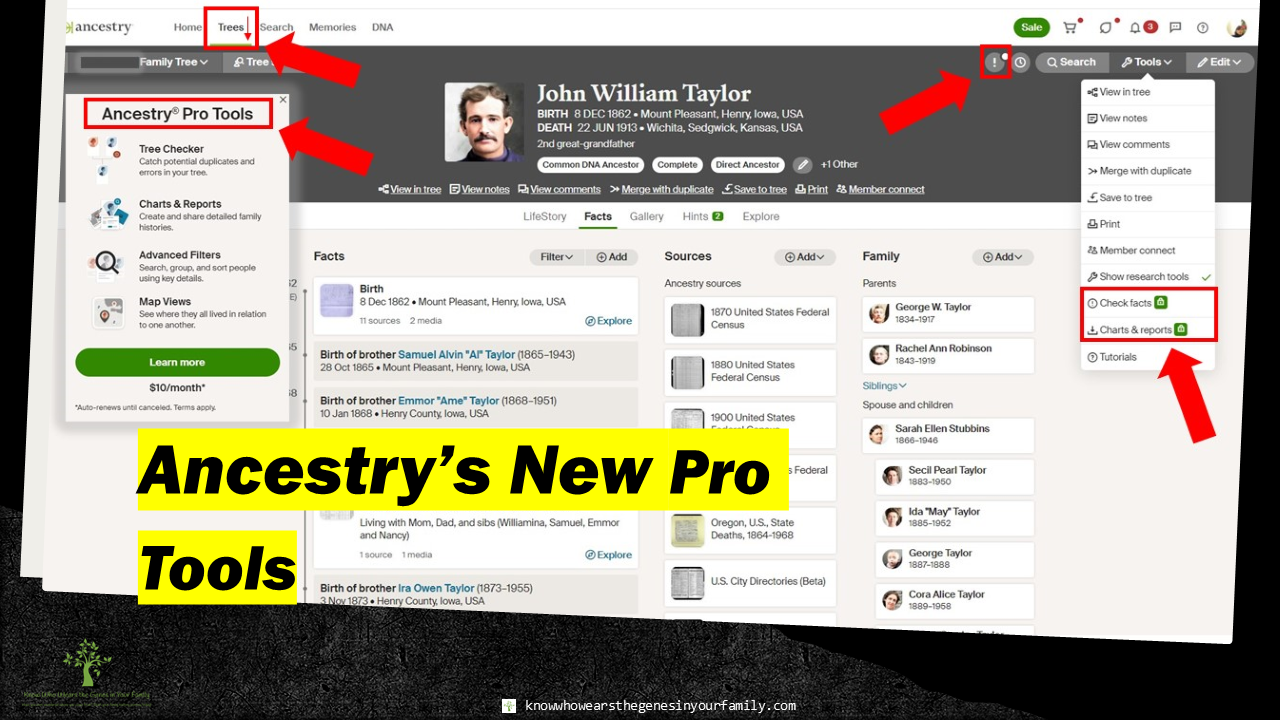 Ancestry's New Pro Tools for Your Family Tree Ancestry has just come out with some new features to enhance your genealogy research and family history experience, Ancestry Pro Tools. These are an assortment of tools that are intended to work with your family tree that you have on Ancestry. Ancestry Pro Tools
Tree Checker Find duplicates or errors in your tree, such as dates, locations, and relationships. Charts and Reports Create, print, download, and share detailed family histories, where you can choose anywhere from 2 to 7 generations, a birch or pine layout, and your focus person. Advanced Filters Search, group, and sort people in your tree with advanced filters by family line (direct line, paternal line, maternal line, and end of line), events and places (birth, marriage, death, lived in, and any event you choose the time or place for), Possible Errors (possible duplicates, other possible issues), and Hints. Map Views See where everyone in your family tree lived in respect to one another. The Catch
How to Order Ancestry Pro Tools
Is It worth it?Is it worth it? Up to you. As of now, these features don’t seem very useful to me; although, if there were a way to include sources and citations, along with who created the report, I would consider this. Some have said they love it, and some have said it is definitely not worth it. It’s ultimately up to you to try it out for yourself. You do have the option to just purchase it 1 month at a time and cancel it whenever you’d like (at least 2 days before), so it may be worth it to try it out for at least a month. To be honest, I DO NOT AGREE WITH SOME OF THESE BEING behind a pay wall/EXTRA, like the Fact Checker or Advanced Filters. These are a necessity for any tree and should already be included in the already high price of Ancestry. Let me know what you think, in the comments below. More Ancestry and Genealogy ResourcesLearn about more Ancestry updates, tips, tools, and features and other family history and genealogy resources under the Genealogy Resources category and on my dedicated Genealogy Resources page.
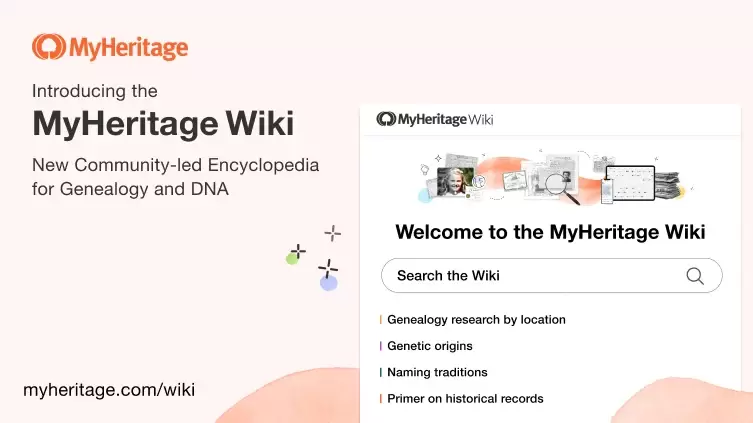 MyHeritage has just come out with their new MyHeritage Wiki, an all-in-one learning hub! With this new, FREE, fantastic genealogy and DNA resource, you’ll find tons of topics to help in your family history research! It’s like an online genealogy and DNA encyclopedia right at your fingertips! This is just the beginning, as it is a new and ongoing resource, so more and more will be added as time goes by. MyHeritage Wiki Categories
The best part is that it is a community-led resource that will be offered in dozens of languages and aims to be the ultimate online genealogy and DNA encyclopedia out there, so if you have an area of expertise, you could apply to become a MyHeritage Wiki contributor! Start learning, for FREE, and head on over to the MyHeritage Wiki now! More MyHeritage and Other Genealogy ResourcesLearn about more MyHeritage and other family history and genealogy resources under the Genealogy Resources category and on my dedicated Genealogy Resources page.
 The Top Gifts to Give Guide: The Best Family History and Genealogy Gifts The Gift that Keeps on Giving: Family History and GenealogyIf you are looking for a meaningful and memorable present for your loved ones this holiday season, consider giving them a family history gift. A family history gift is one of the most personalized and thoughtful gifts you can give that keeps on giving! Spread the joy of genealogy, while helping others discover who they are and where they came from! Whether it is a book, a photo album, a DNA test, or a family tree, a family history gift is the perfect gift to help others connect with their past and inspire their future! The Best Family History and Genealogy Gifts
More Genealogy ResourcesLearn about more family history and genealogy resources under the Genealogy Resources category and on my dedicated Genealogy Resources page.
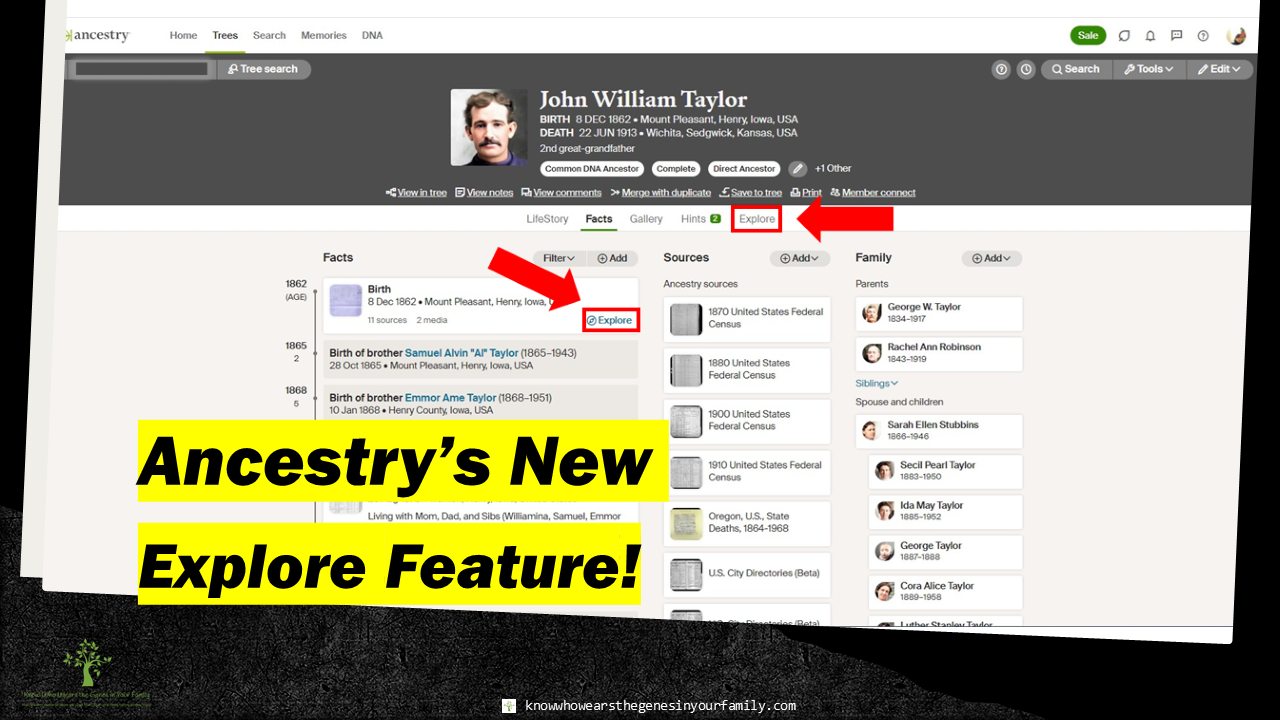 Ancestry's New Explore Feature! Explore Your Ancestors through Media!As mentioned, a few weeks ago, in “New at Ancestry: The Explore Feature in Storymaker Studio!”, Ancestry had come out with a new BETA feature they were testing out, Explore, where you can explore the times your ancestor lived in, through media, giving you yet another way to enhance your family history and genealogy! Then, as quickly as it had appeared, it had disappeared, only a few days later. They had then revamped their whole Storymaker Studio and changed the name to Memories, which is the same name under FamilySearch, and the short lived Explore feature vanished. All of these changes, along with the new Memories page was mentioned in, “Ancestry’s New Dedicated Media Hub, Memories!”. Well, the Explore feature is back! This feature lets you explore images that other members have in their public trees, that may have to do with either a particular ancestor of yours or a certain place and time period that you may be researching. How to get to Ancestry's New Explore FeatureThere are 5 ways to get to Ancestry's new Explore feature , in which you will get slightly different results.
They seem to be making it super easy to get to, by giving you many ways to get to it. 😉 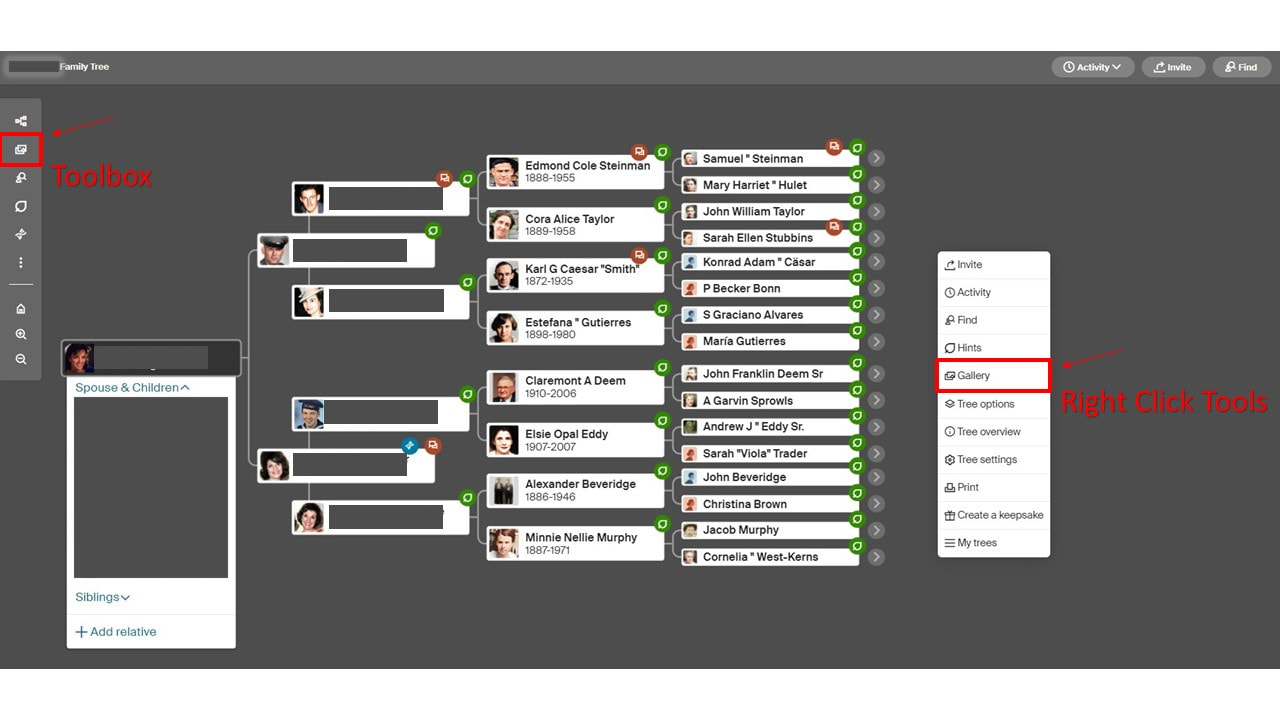 How to Get To Ancestry's Explore Feature from Pedigree View 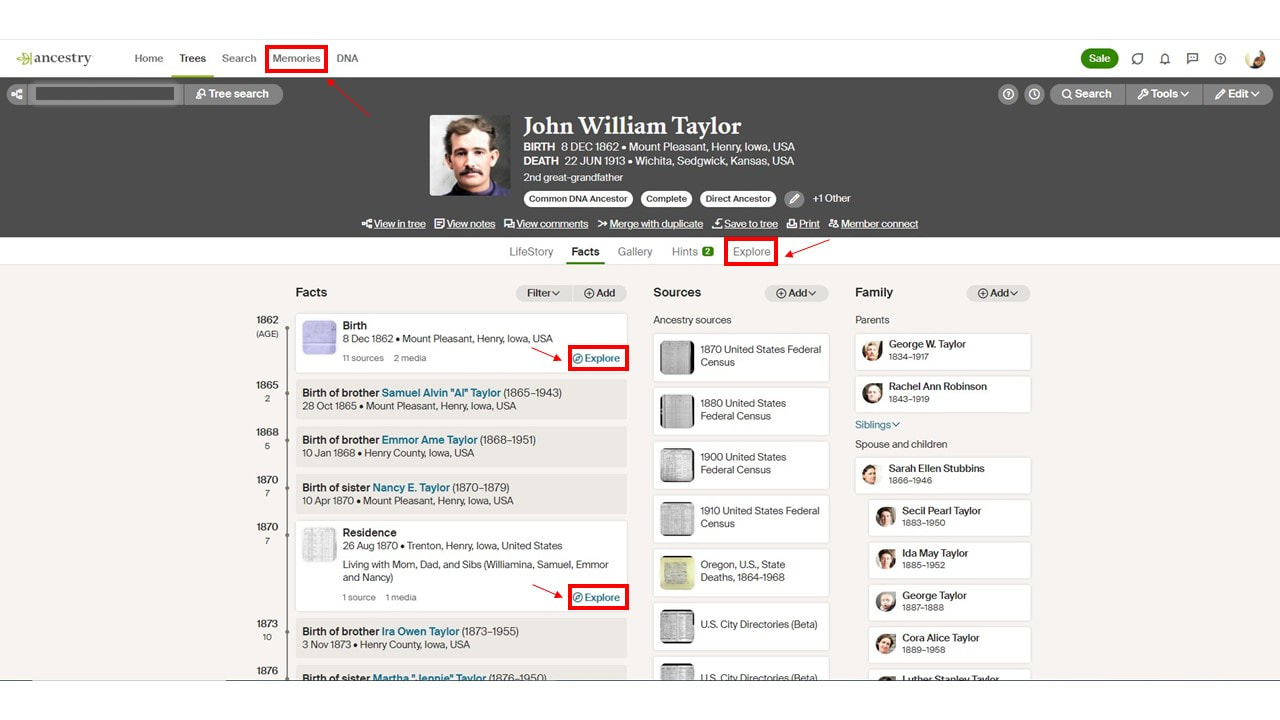 How to Get To Ancestry's Explore Feature from an Ancestor Profile Ways to Explore from the Memories Tab or Gallery Icons
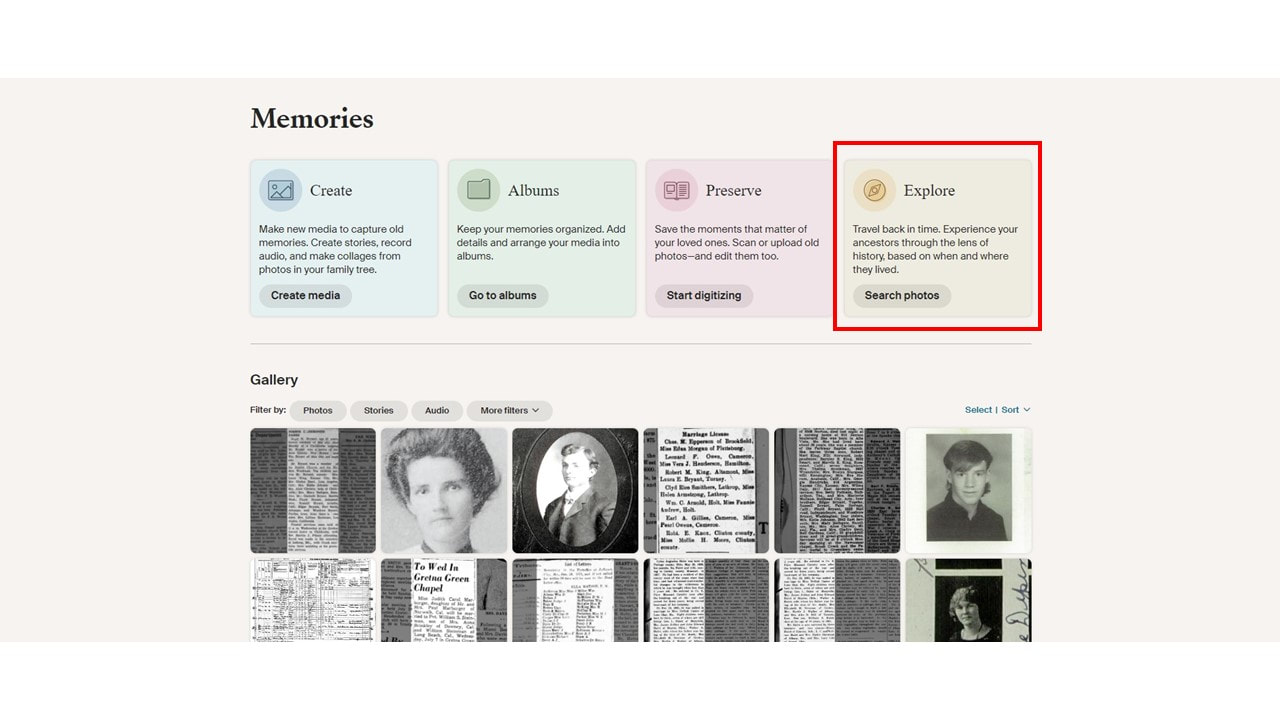 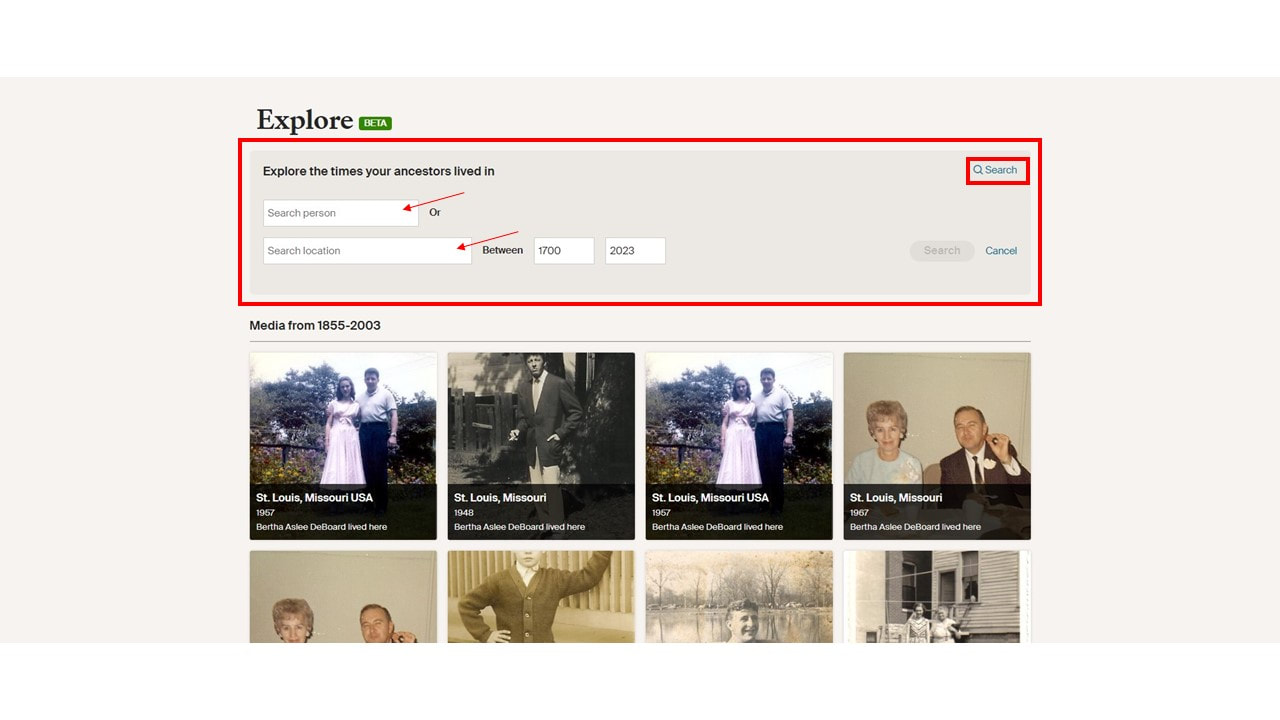 Ways to Explore from an Ancestor Profile
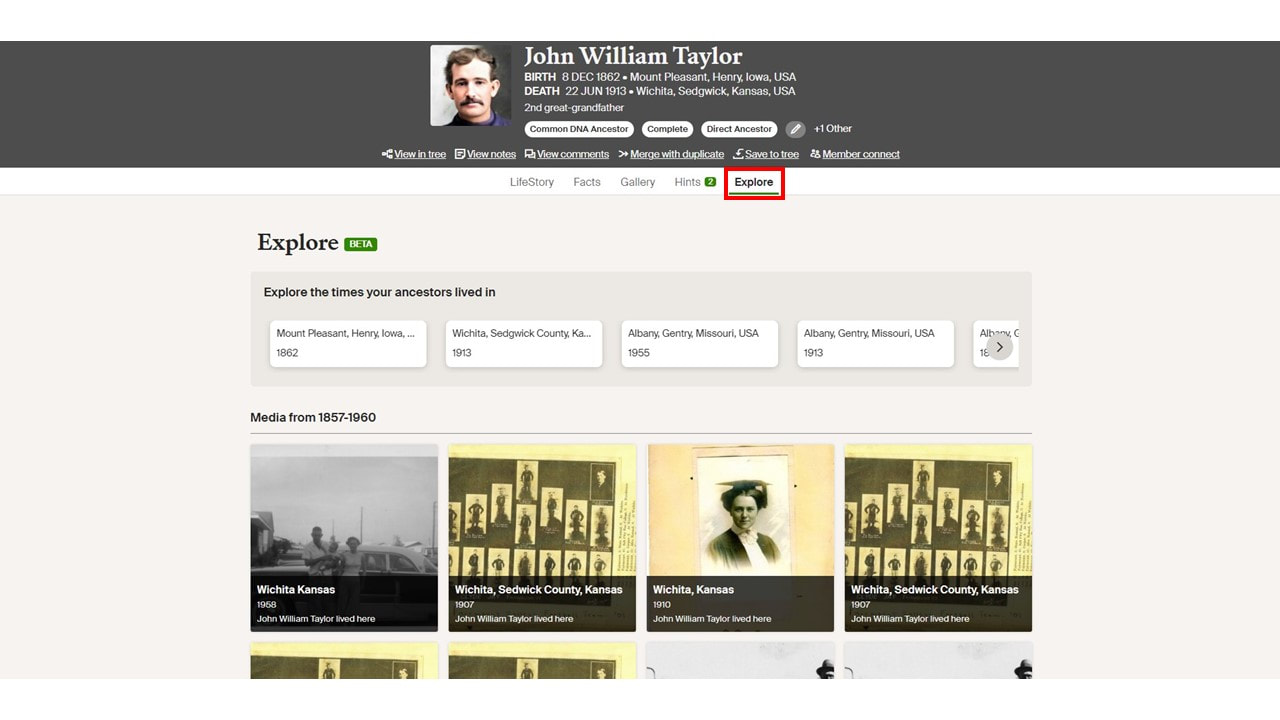 Explore Your Ancestor from Their Profile
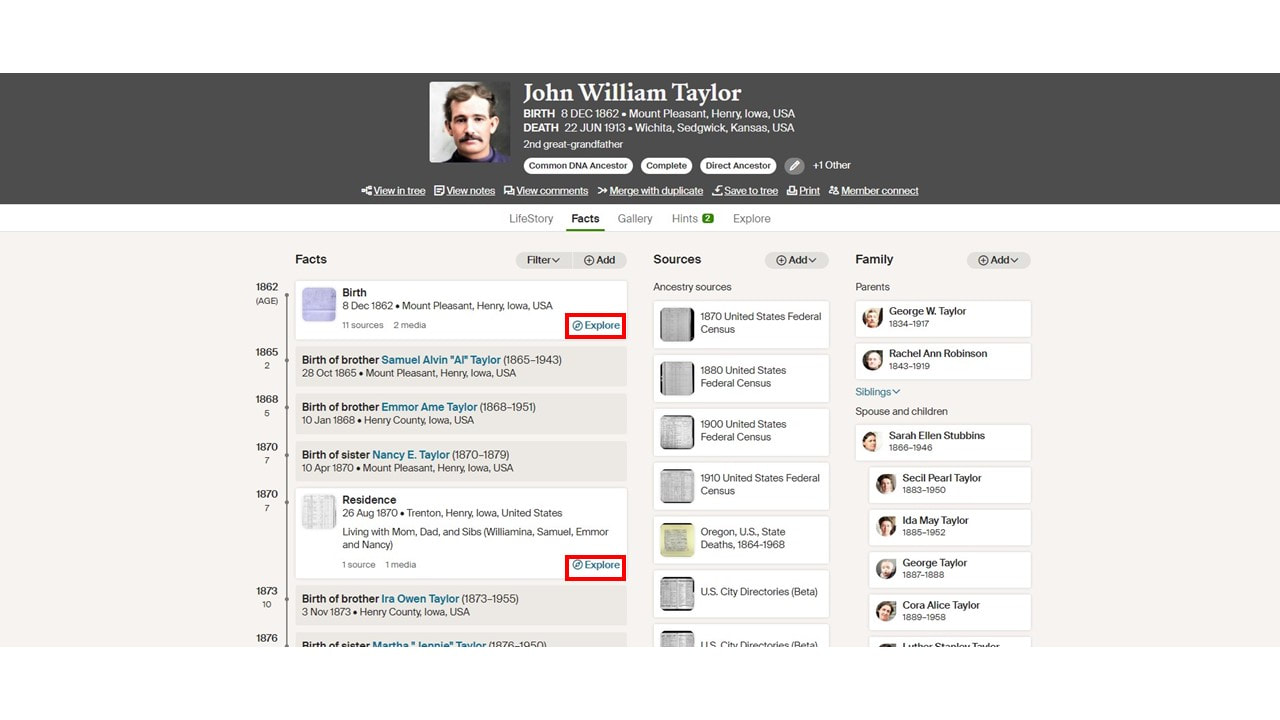 Explore Your Ancestor From Their Facts Timeline-Example 1 & 2 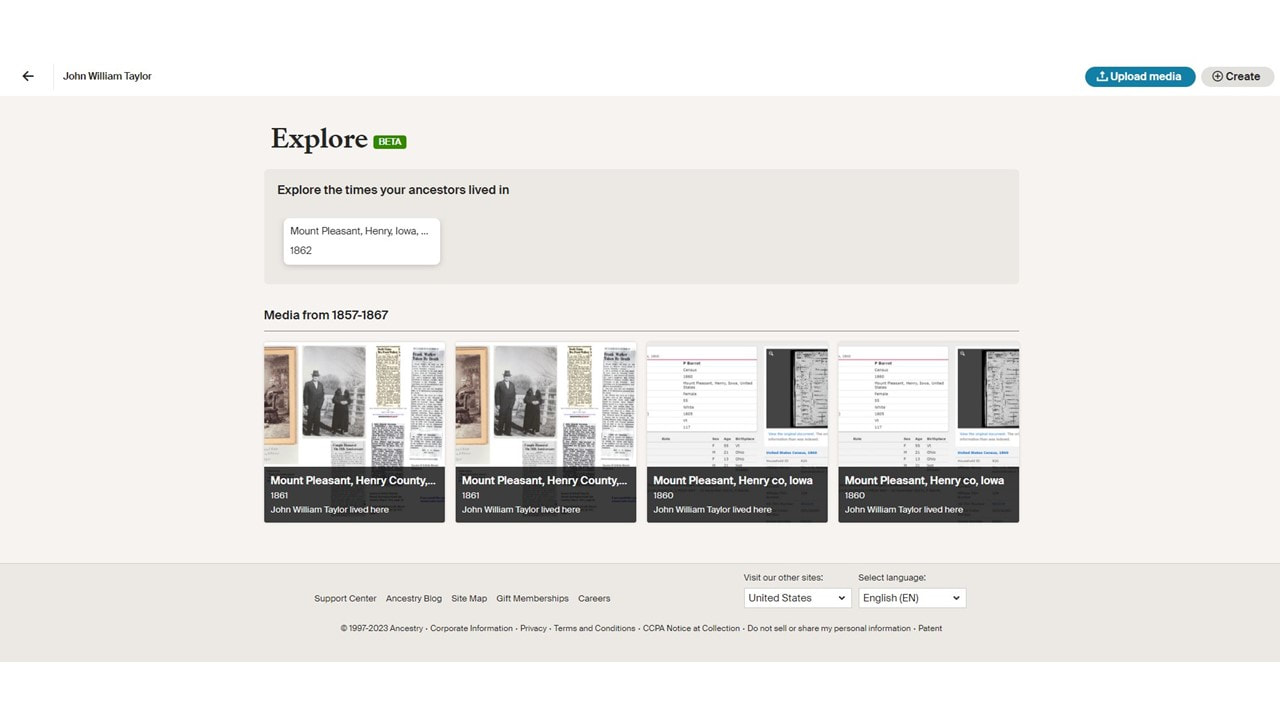 Explore Your Ancestor From Their Facts Timeline-Example 1-1 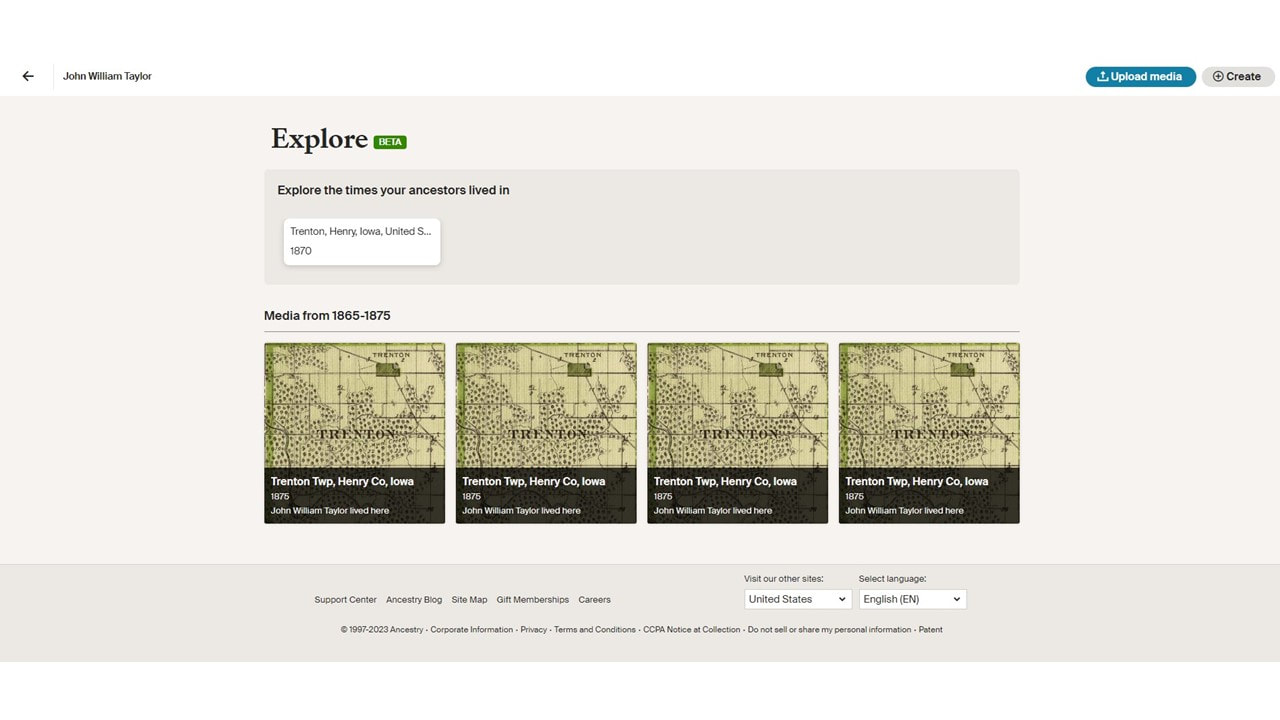 Explore Your Ancestor From Their Facts Timeline-Example 2-1 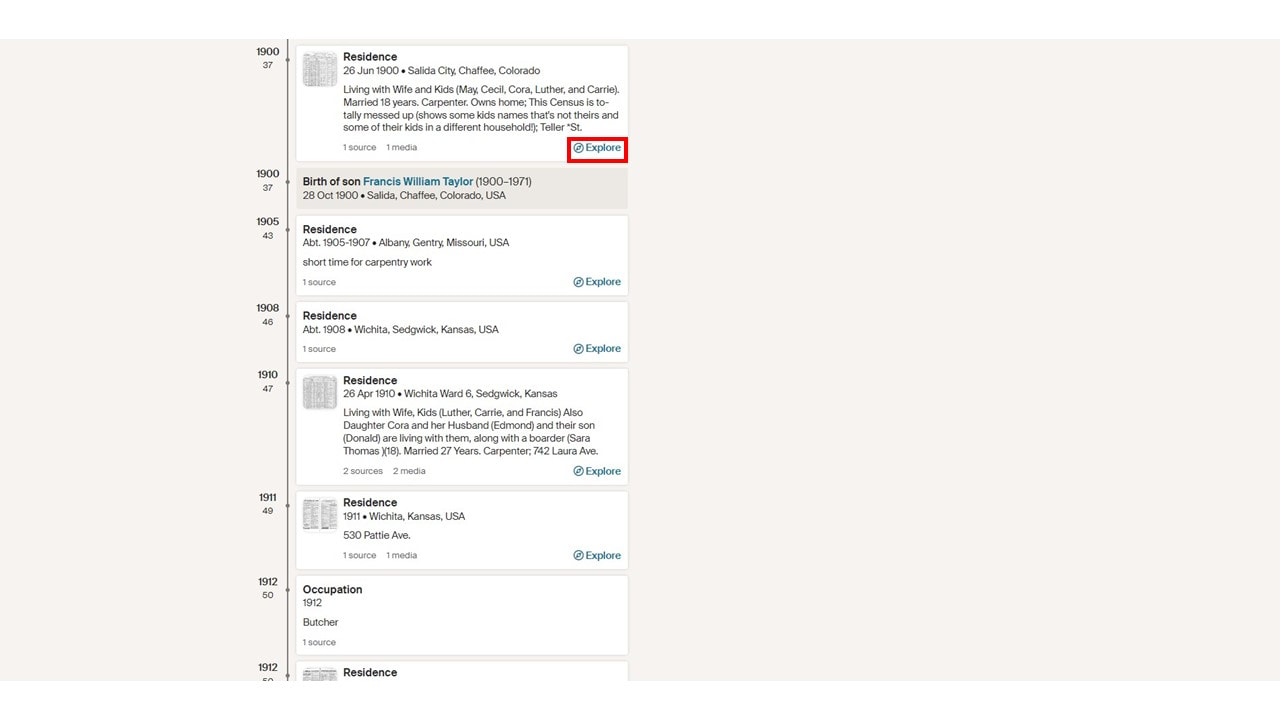 Explore Your Ancestor From Their Facts Timeline-Example 3 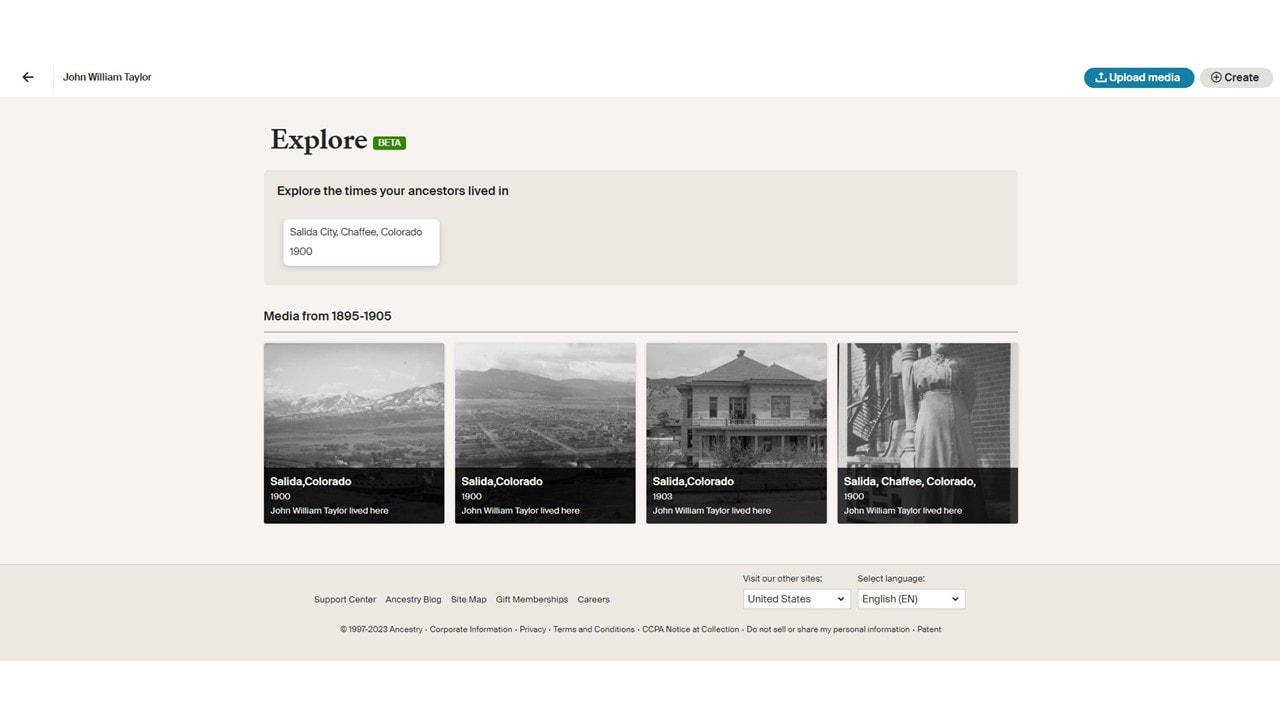 Explore Your Ancestor From Their Facts Timeline-Example 3-1 As mentioned in “New at Ancestry: The Explore Feature in Storymaker Studio!”, I find that “exploring” an ancestor is the same as the image hints you get for that ancestor, under the hints on an ancestor’s profile page, but you cannot currently search for places and times under the hints, so this adds to that capability. Keep in mind that exploring places and times does not necessarily mean it actually has to do with that place and time, it may just be more public ancestor Images of a person who also lived in that place. More Ancestry and Genealogy ResourcesLearn about more Ancestry updates, tips, tools, and features and other family history and genealogy resources under the Genealogy Resources category and on my dedicated Genealogy Resources page.
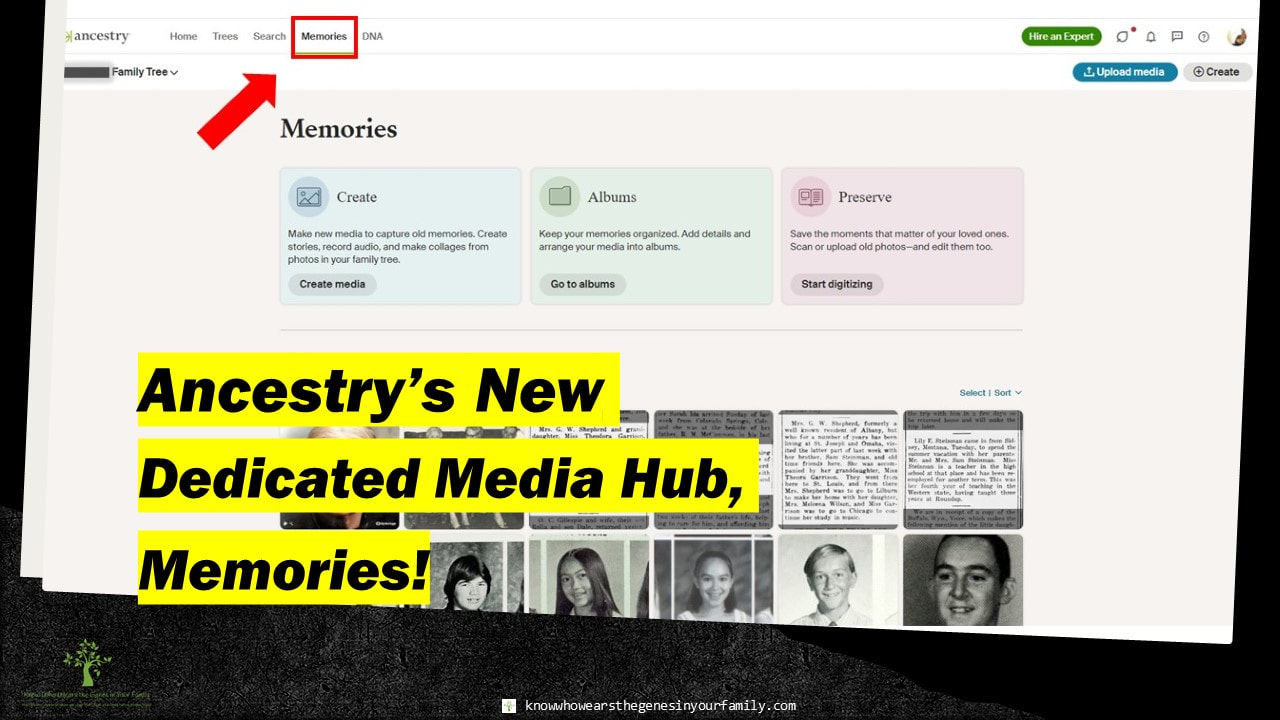 Ancestry's New Dedicated Media Hub, Memories! Out with the Old and in with the NewHelp future generations remember or discover people in your family tree through photos and stories with Ancestry’s new one-stop media hub to view all your media in your tree! As mentioned last week in New at Ancestry: The Explore Feature in Storymaker Studio!, Ancestry came out with a new BETA feature, Explore, in their Storymaker Studio. Well, it seems to have been short lived, as after only a few days, they revamped their whole Storymaker Studio and have now changed the name to Memories, along with adding some some new features. Memories Media Hub Categories
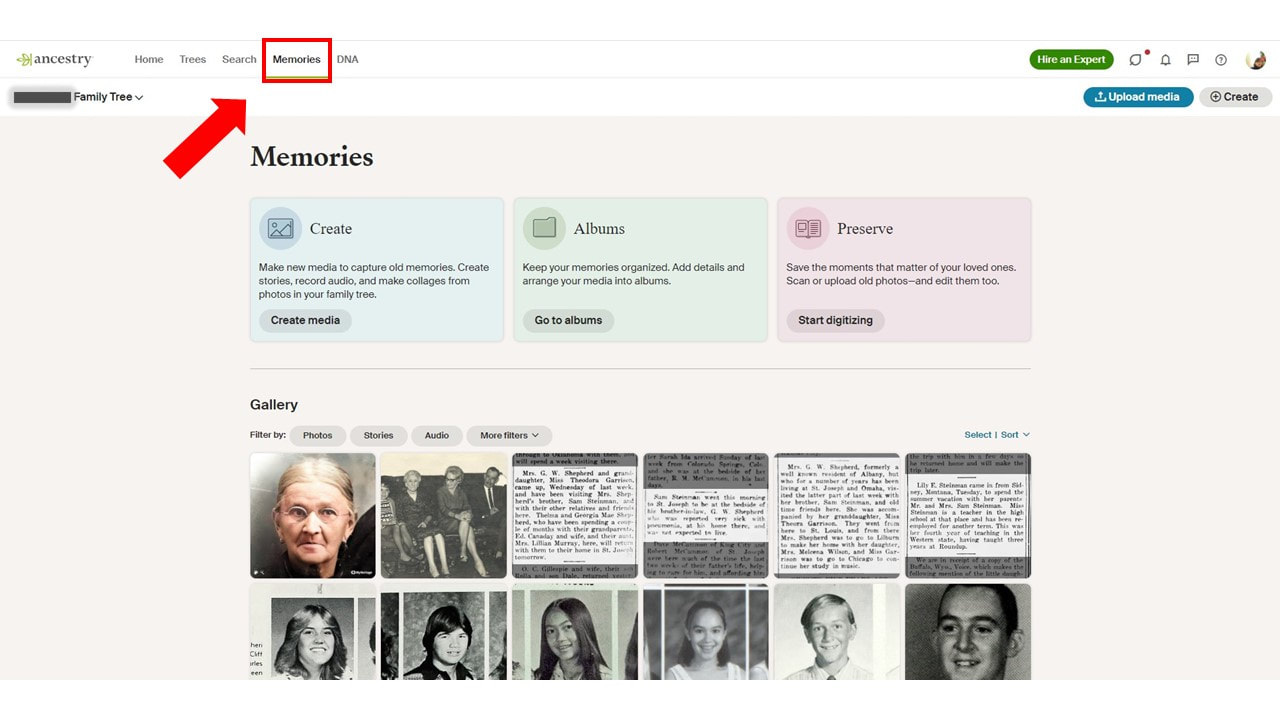 Ancestry's Memories Media Hub Categories and How to Get To Memories Media Hub- Example 1 What Can You Do in Memories?
Create MediaCreate stories, create slideshows, upload audio recordings, create albums, make photoline collages, create tree collages, and enhance your photos by colorizing, sharpening, filtering, or adding stickers from photos in your family tree. 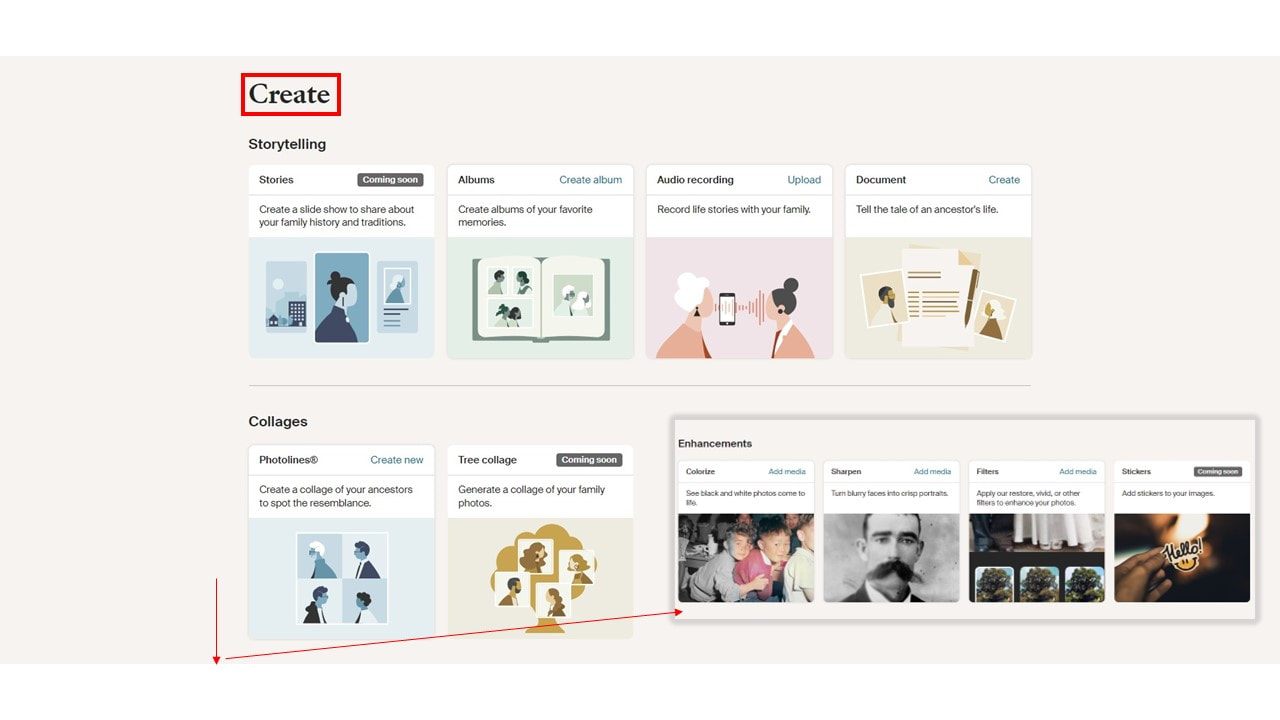 Ancestry's Memories Media Hub Category, Create Organize Your MediaArrange all your media into albums and add details to your media, such as tags, dates, locations, and descriptions. 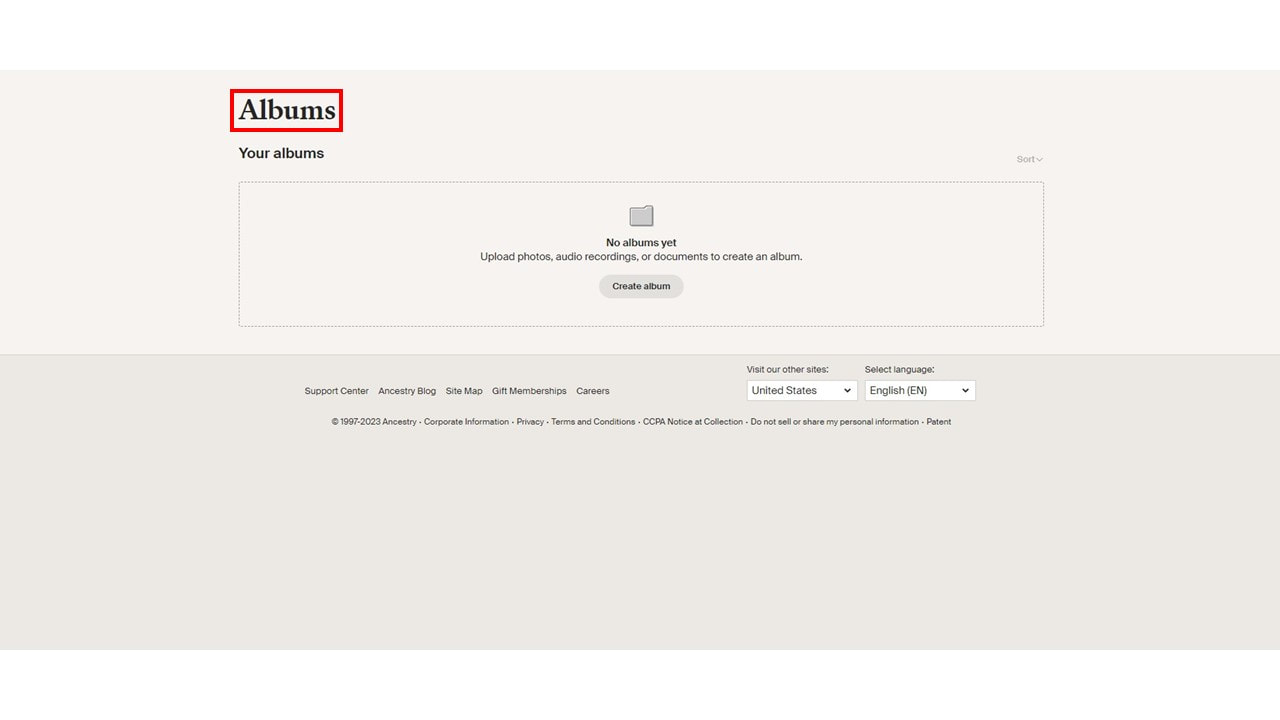 Ancestry's Memories Media Hub Category, Albums As you can see, I haven't created any albums yet. Preserve Family MemoriesHelp future generations remember or discover people in your tree through photos and stories by preserving your family history. Scan or upload media, then edit your family photos by adjusting, colorizing, sharpening, cropping, rotating, or filtering them. From there, you add tags, dates, locations, and descriptions to your photos. 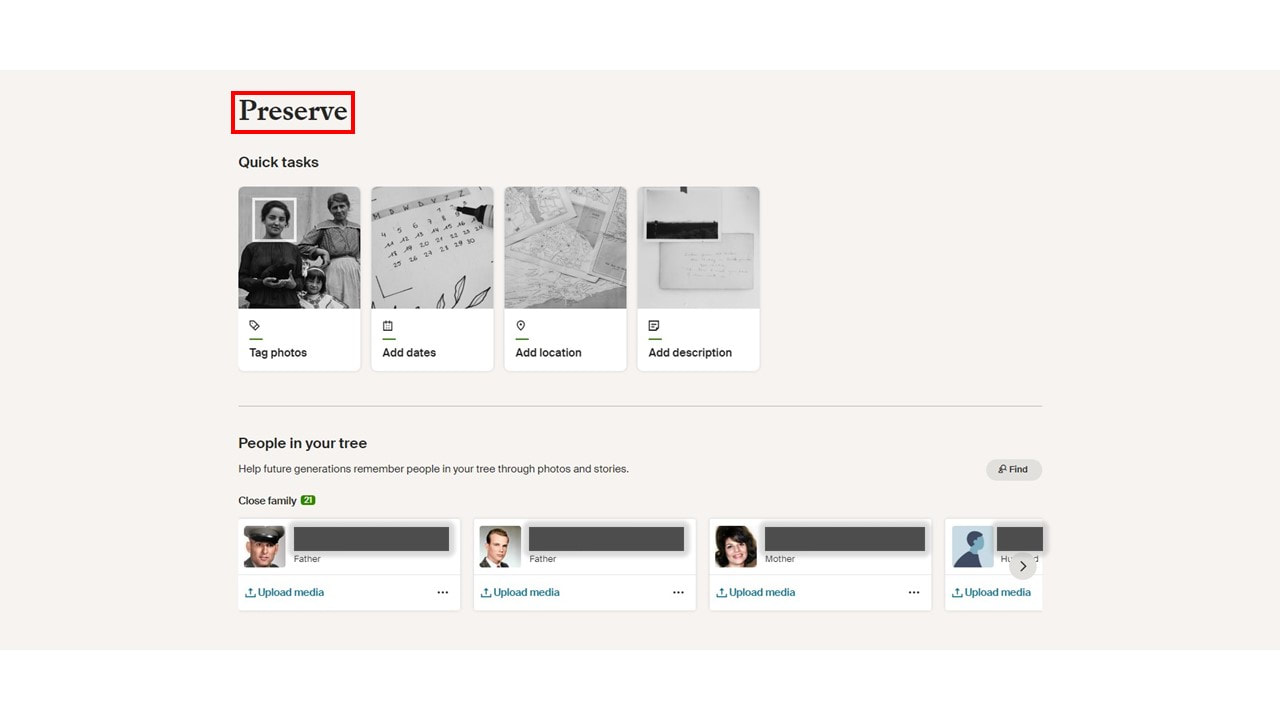 Ancestry's Memories Media Hub Category, Preserve Scan or Upload MemoriesScan or upload old photos and add details to them. SearchSearch for your photos, stories, audio, and videos quickly in your media Gallery by filtering what you are looking for. 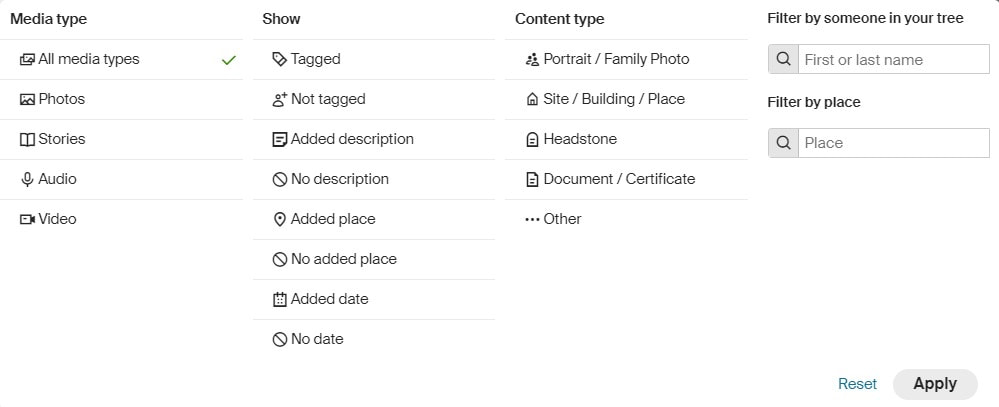 ExploreExplore historical photos through the eyes of your ancestors. Many of these features go hand in hand; therefore, you can do some of the same tasks under each category. 😉 How to get to Memories
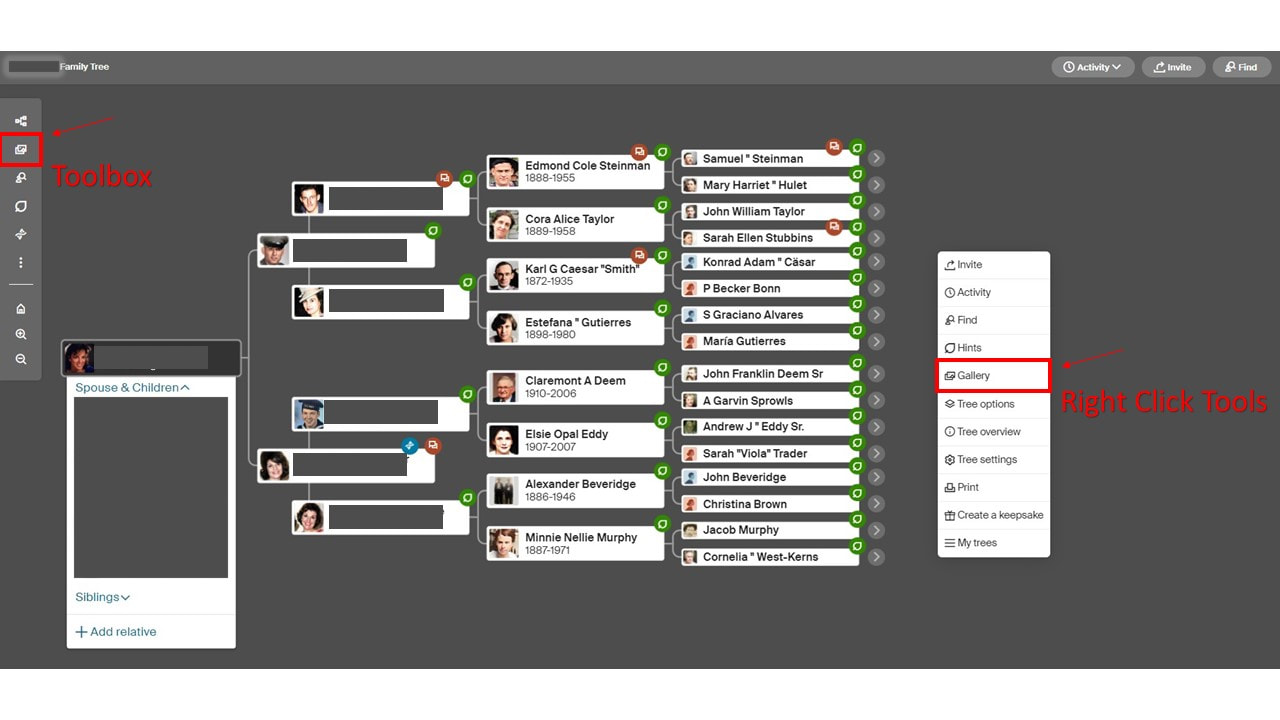 How to Get To Ancestry's Memories Media Hub- Example 2 *Note: They don’t seem to have all the kinks worked out yet, but I’m sure it’s another work in progress. Currently there is no smooth way to get back to the main page from each feature or category. The feature that I mentioned in my last post, Explore, is advertised in the pop up for the new Memories media page, but I haven’t seen it yet. Some of these features/tools just take you to your ancestor’s profile page gallery allowing you to be able to do the same things you have already been able to do. Some of the go back button or arrows take you back to places that have nothing to do with what you were doing or where you were. 😉 More Ancestry and Genealogy ResourcesLearn about more Ancestry updates, tips, tools, and features and other family history and genealogy resources under the Genealogy Resources category and on my dedicated Genealogy Resources page.
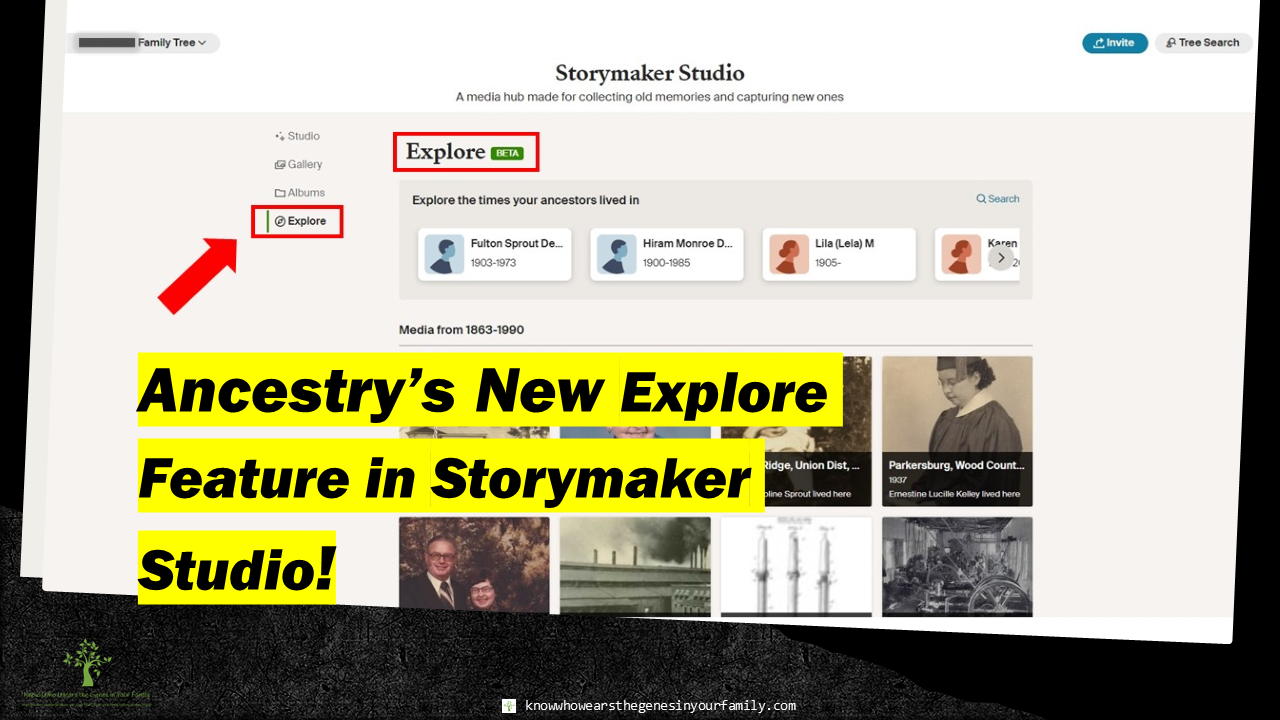 Ancestry's New Explore Feature in Storymaker Studio Ancestry's New Explore FeatureExplore the times your ancestor lived in, through media! Ancestry has a new Beta feature they’re testing out to help enhance your family history and genealogy, Explore, in the Storymaker Studio. This feature lets you explore images that other members have in their public trees, that may have to do with either a particular ancestor of yours or a certain place and time period that you may be researching. How to get to the Explore Feature
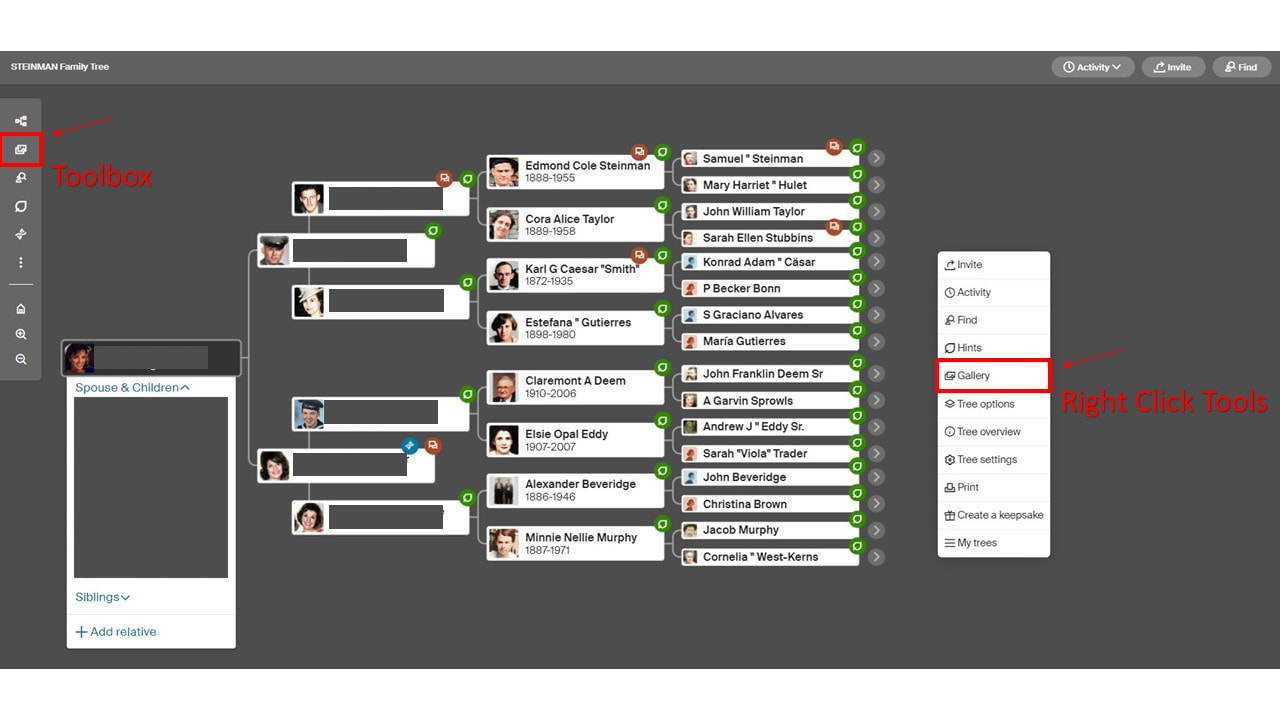 How to Get to the Explore Feature in Ancestry Storymaker Studio- Step 1 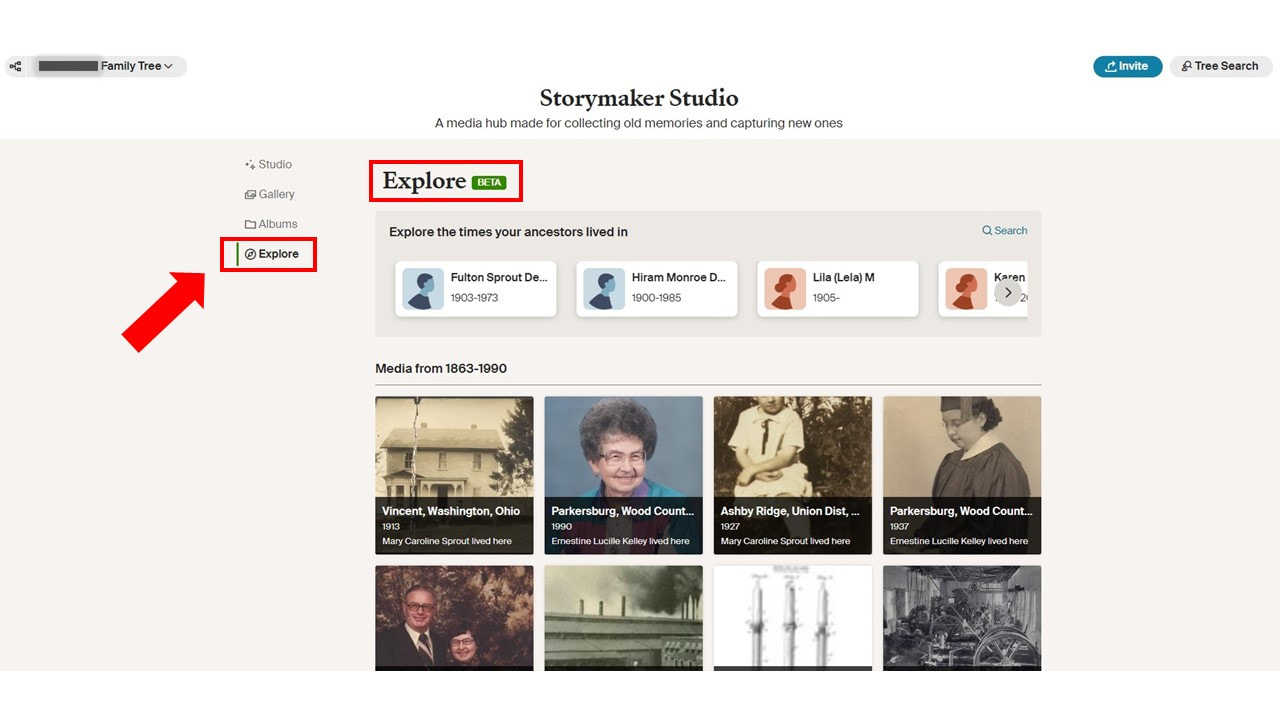 How to Get to the Explore Feature in Ancestry Storymaker Studio- Step 2 Ways to Explore
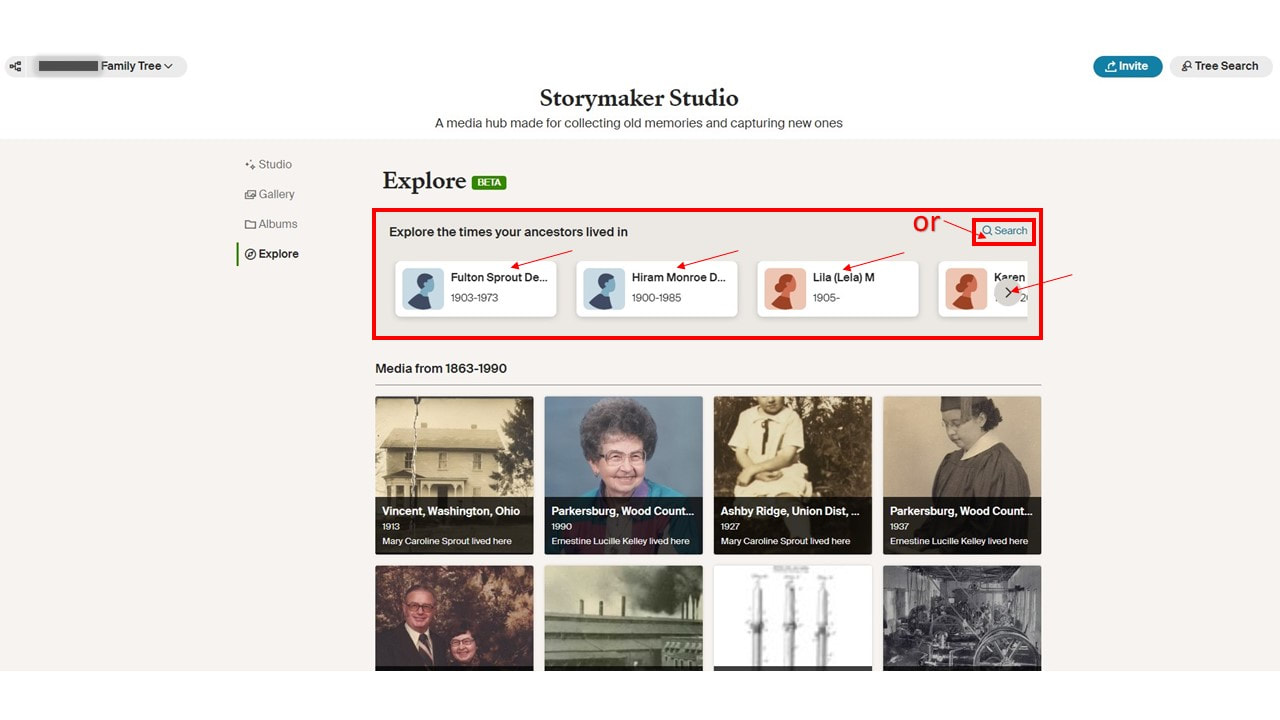 Way to Explore with the Explore Feature in Ancestry Storymaker Studio- Example 1 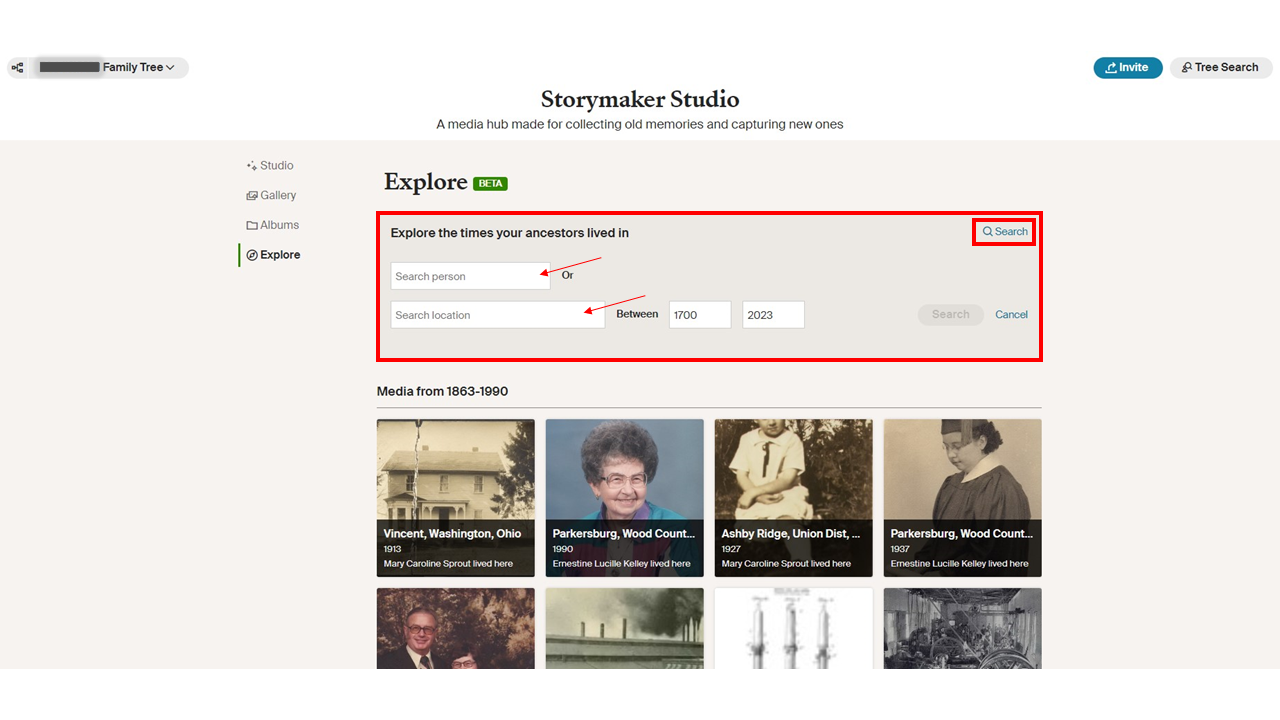 Way to Explore with the Explore Feature in Ancestry Storymaker Studio- Example 2 Exploring a Particular Ancestor in Ancestry Storymaker Studio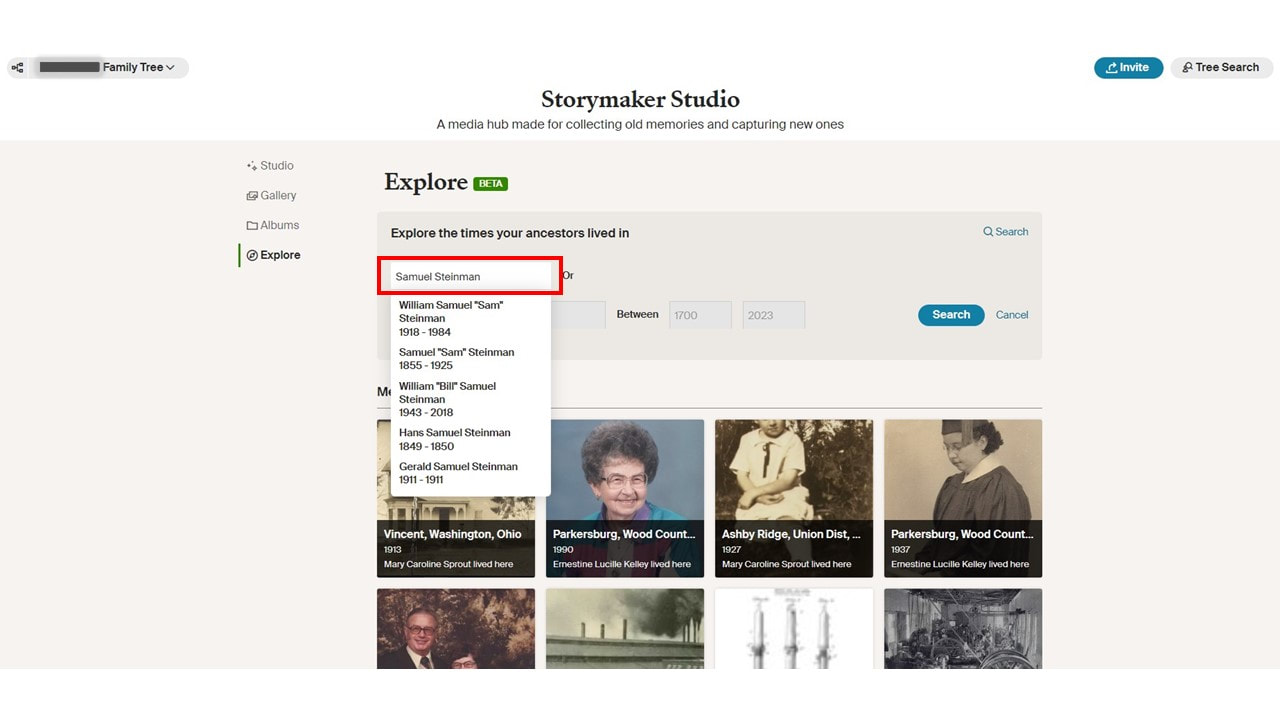 Exploring a Particular Ancestor in Ancestry Storymaker Studio- Example 1 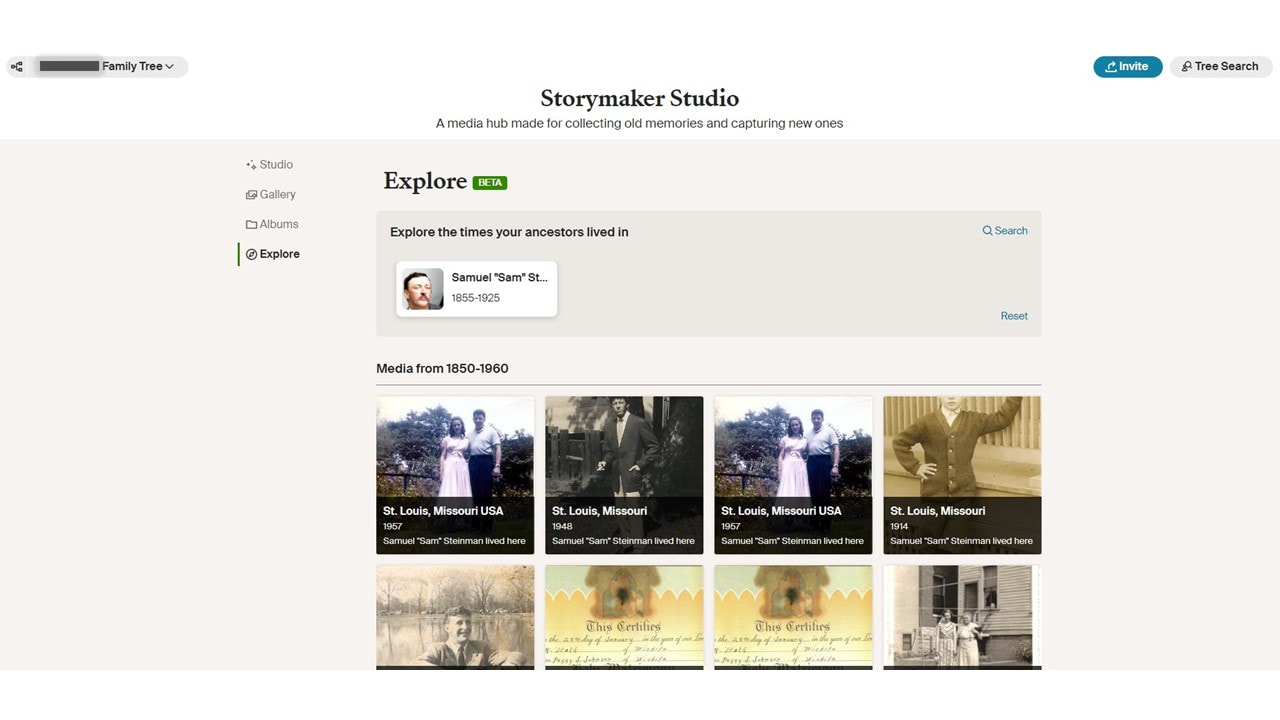 Exploring a Particular Ancestor in Ancestry Storymaker Studio- Example 1-2 Exploring a Particular Place and Time in Ancestry Storymaker Studio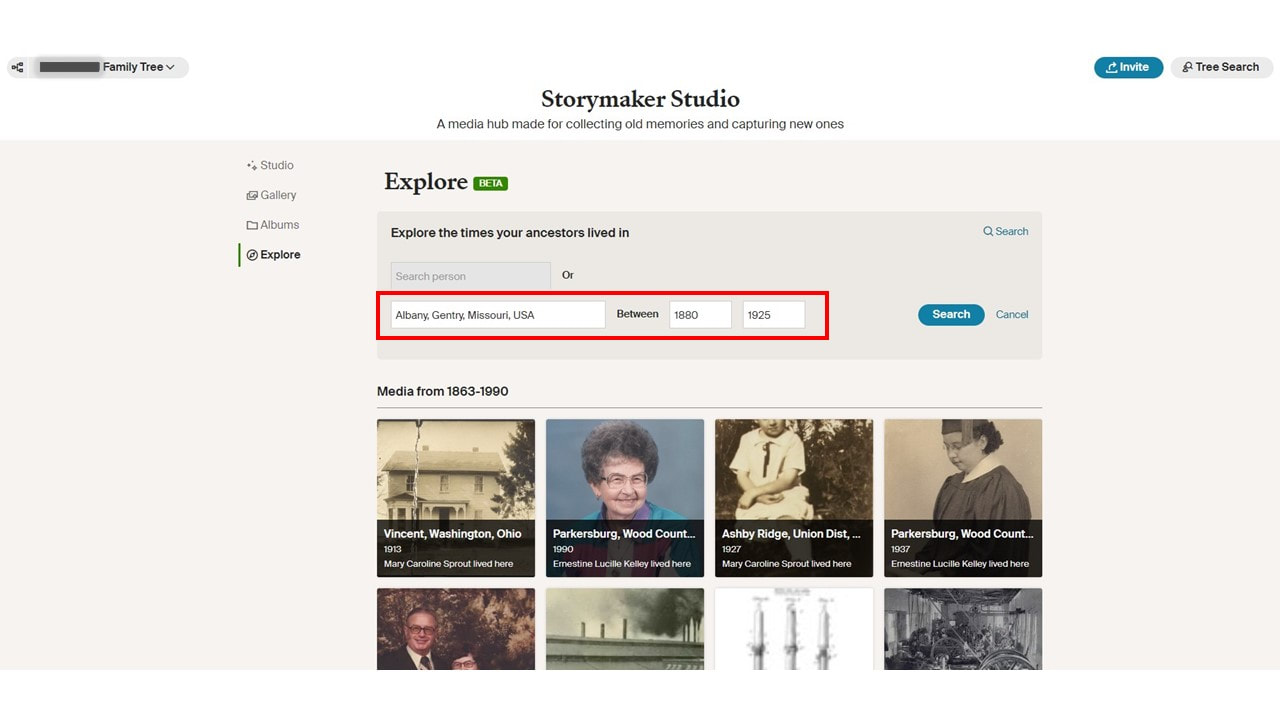 Exploring a Particular Place and Time in Ancestry Storymaker Studio- Example 1 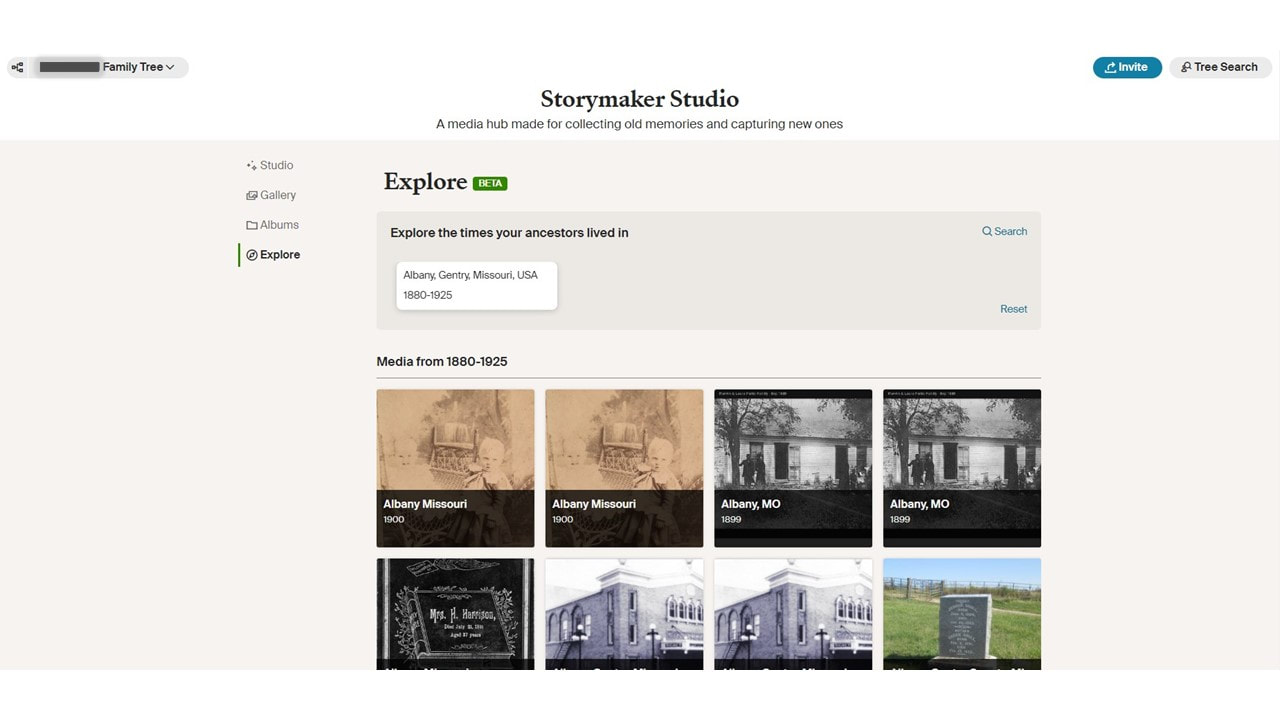 Exploring a Particular Place and Time in Ancestry Storymaker Studio- Example 1-2 I find that “exploring” an ancestor is the same as the image hints you get for that ancestor, under the hints on an ancestor’s profile page, but you cannot currently search for places and times under the hints, so this adds to that capability. Keep in mind that exploring places and times does not necessarily mean it actually has to do with that place and time, it may just be more public ancestor Images of a person who also lived in that place. More Ancestry and Genealogy Resources: Learn about more Ancestry updates, tips, tools, and features and other family history and genealogy resources under the Genealogy Resources category and on my dedicated Genealogy Resources page.
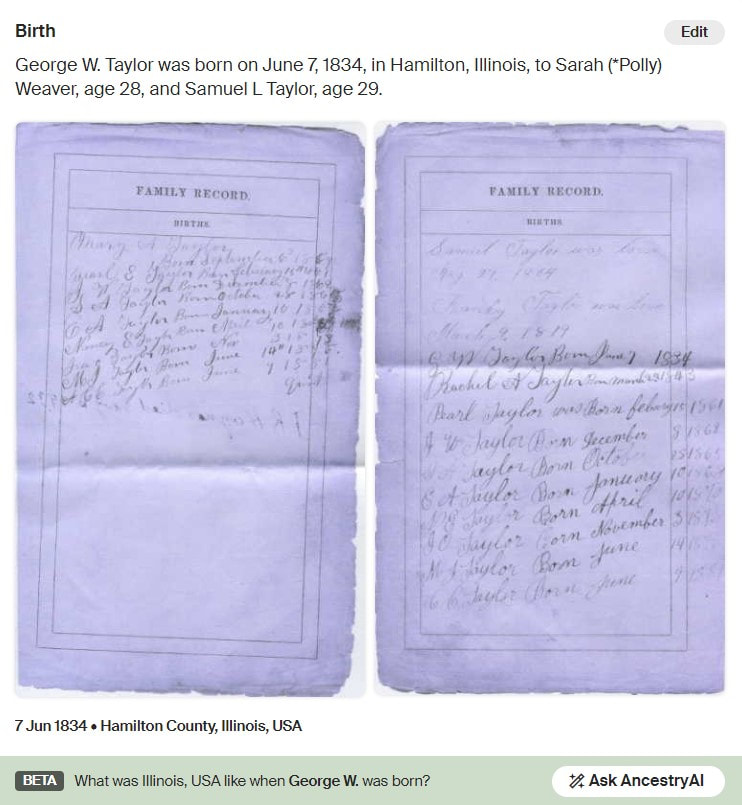
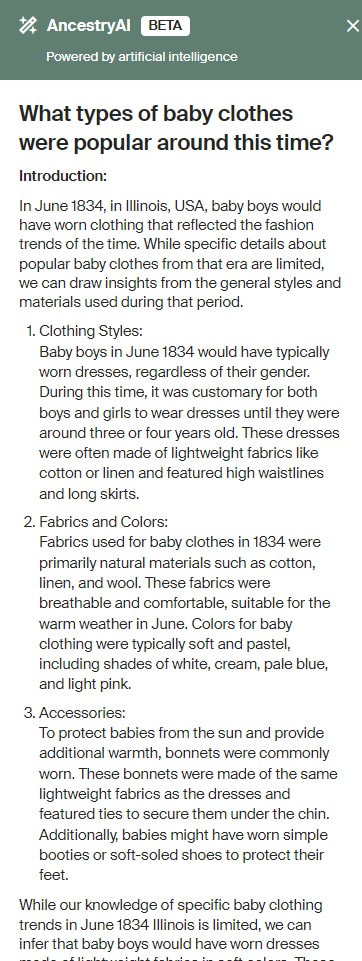
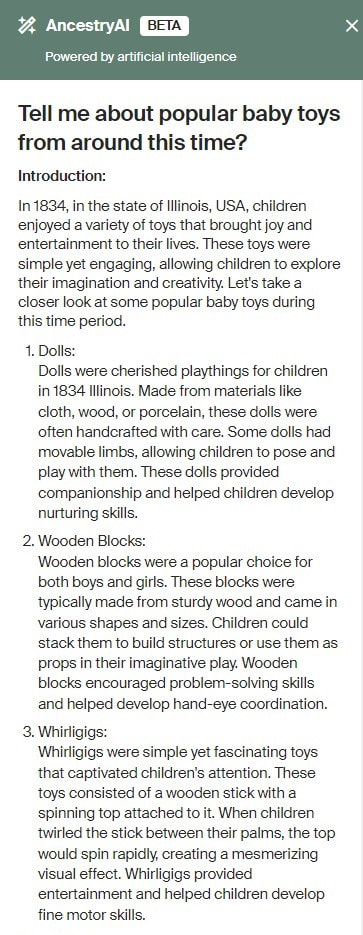
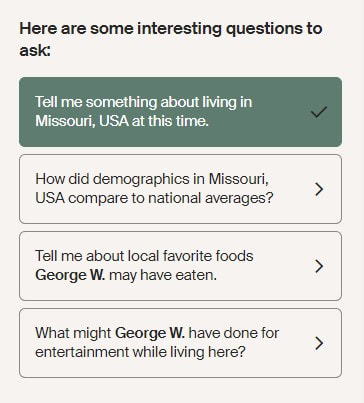
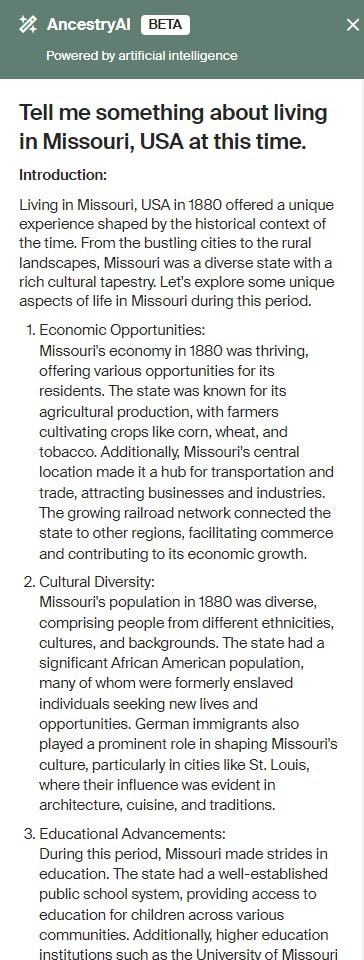
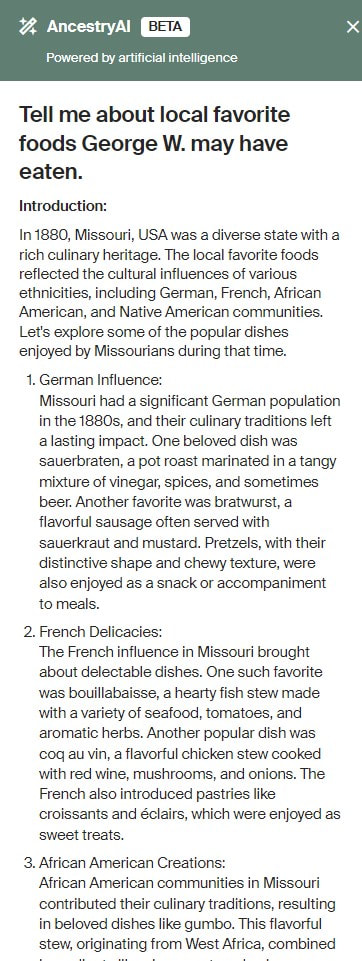
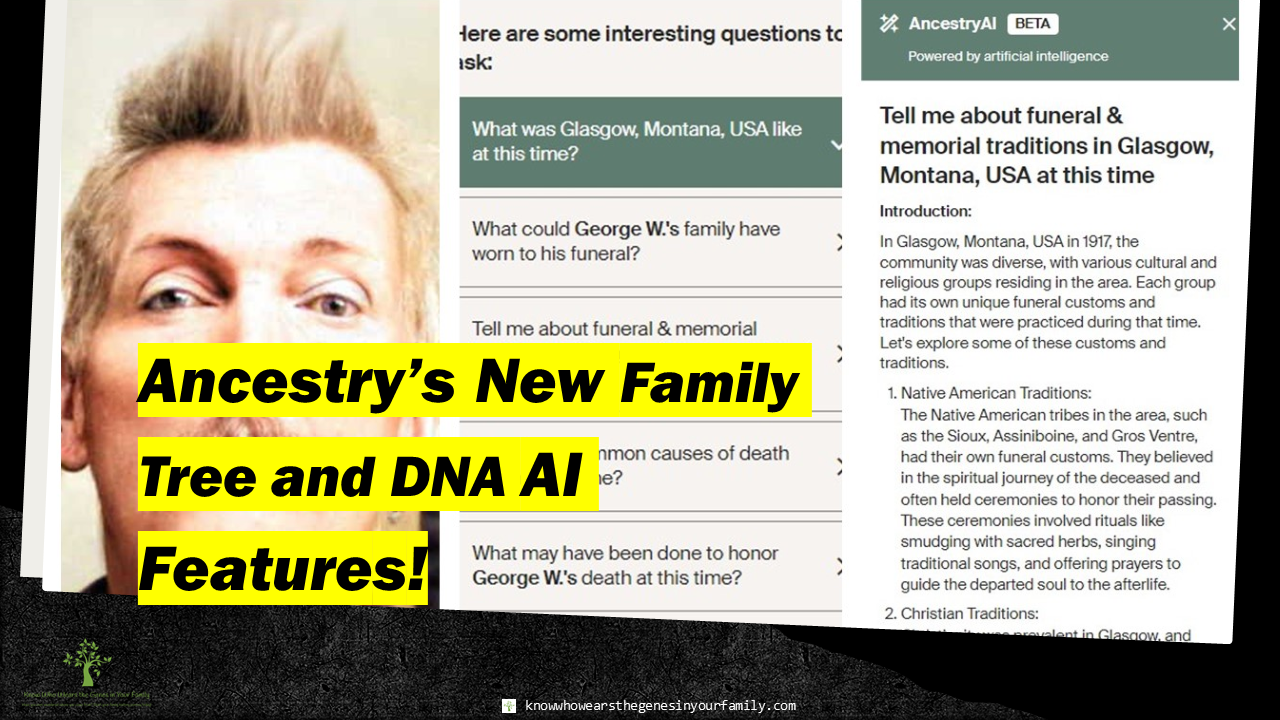 Ancestry's New AI Family Tree and DNA Features Ancestry's New AI Features for Your Family Tree and DNA Ancestry seems to be on a major roll right now, consistently churning out new features one on top of the other! They have just released 2 new AI features to enhance your family history and genealogy, 1 for your family tree, and one for your DNA! These new features are in BETA mode, which means not all may have it; they could tweak it, add to it, delete some of the questions or features; or they may decide to delete it all together. AI to Enhance Your Ancestor’s StoryLearn about your ancestor in a fun, engaging, and educational way with the new AI feature for your family tree! With the new feature, you can learn about birth, marriage, death, and residence events during your ancestors’ lives. Categories and Questions:
AI Ancestor Birth Questions Samples
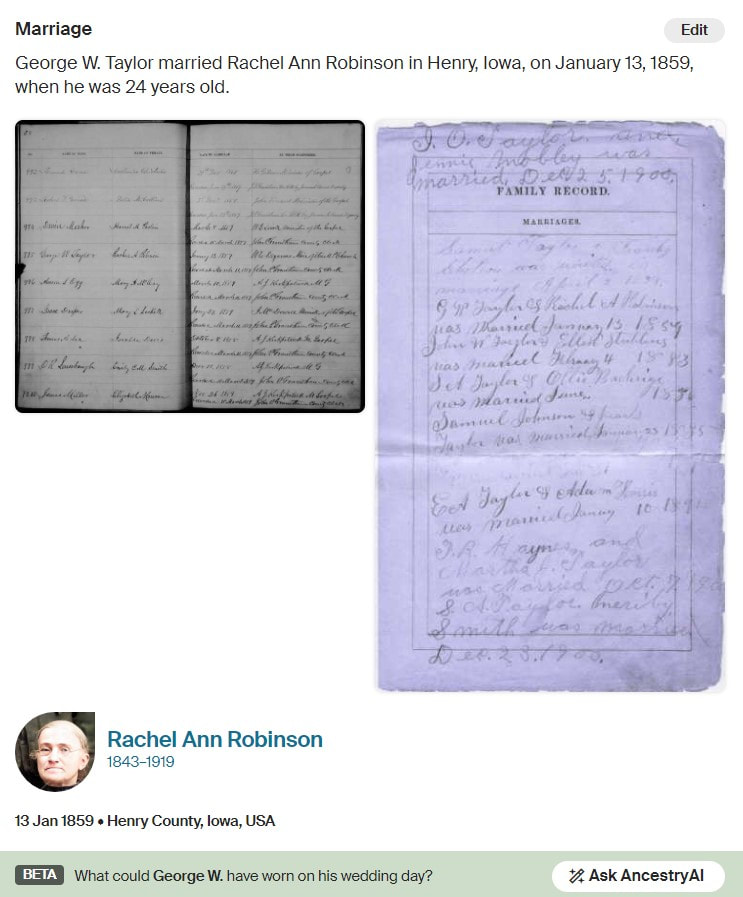
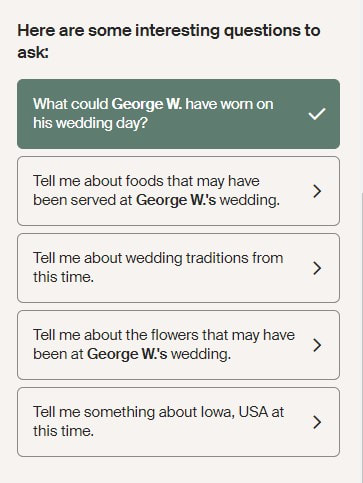
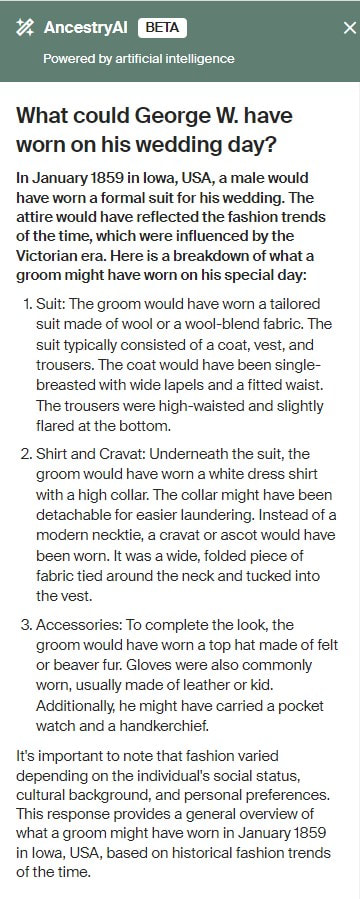
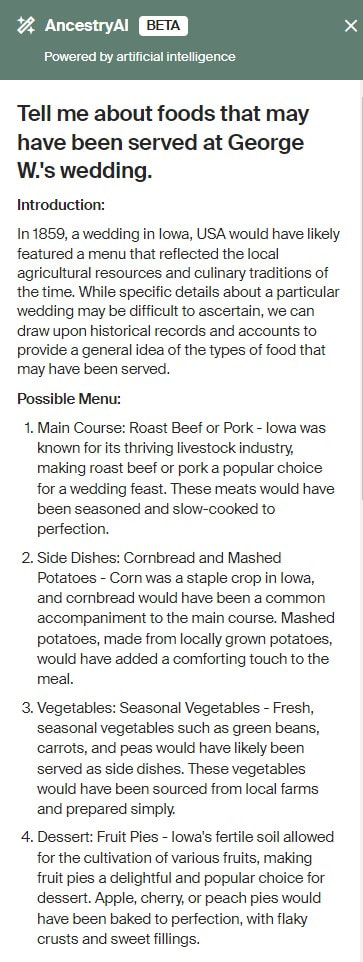
AI Ancestor Marriage Questions Samples
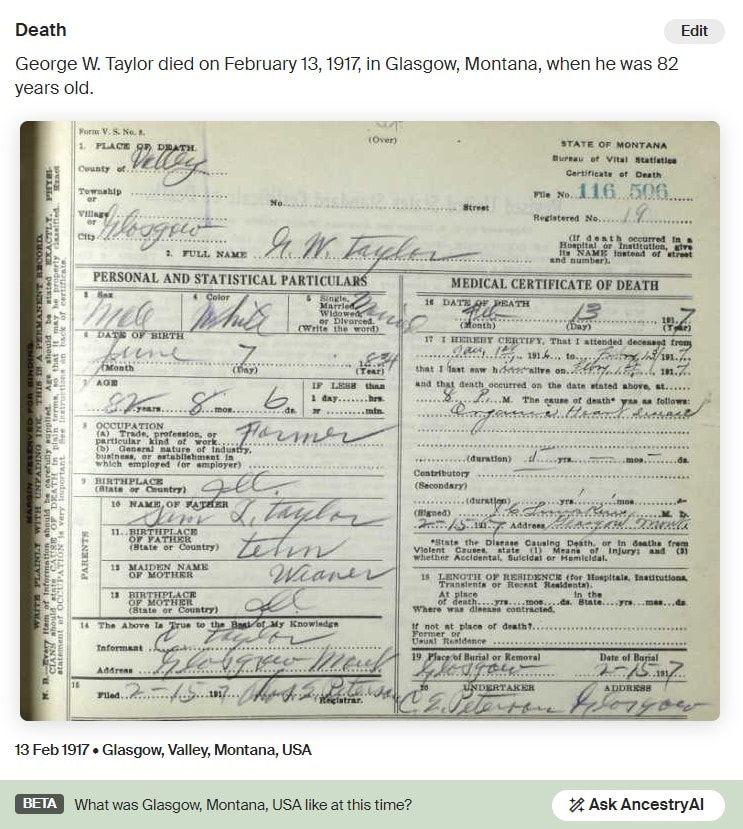
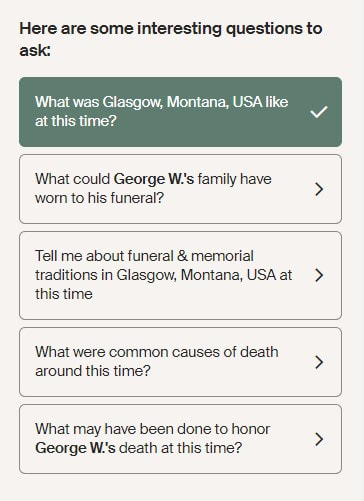
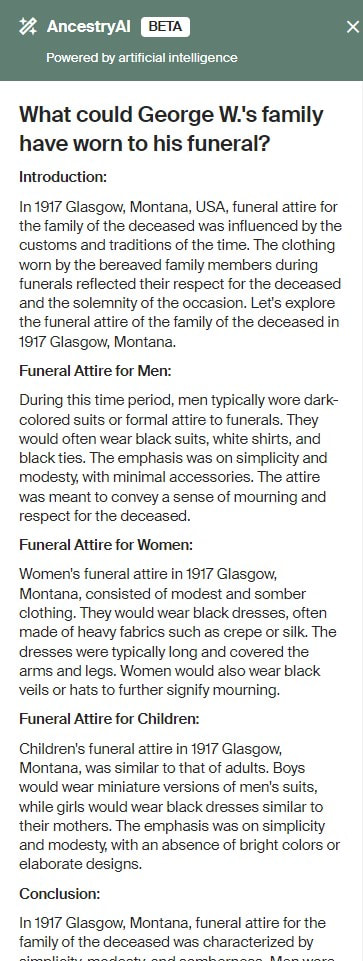
AI Ancestor Death Questions Samples
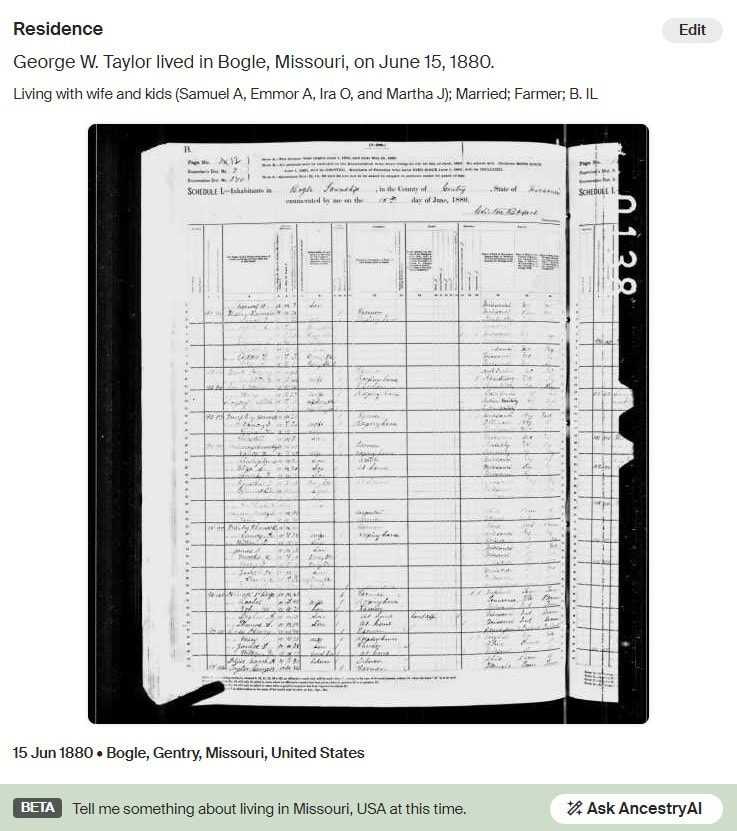
AI Ancestor Residence Questions Examples
How to get to AncestryAI for Your Ancestor
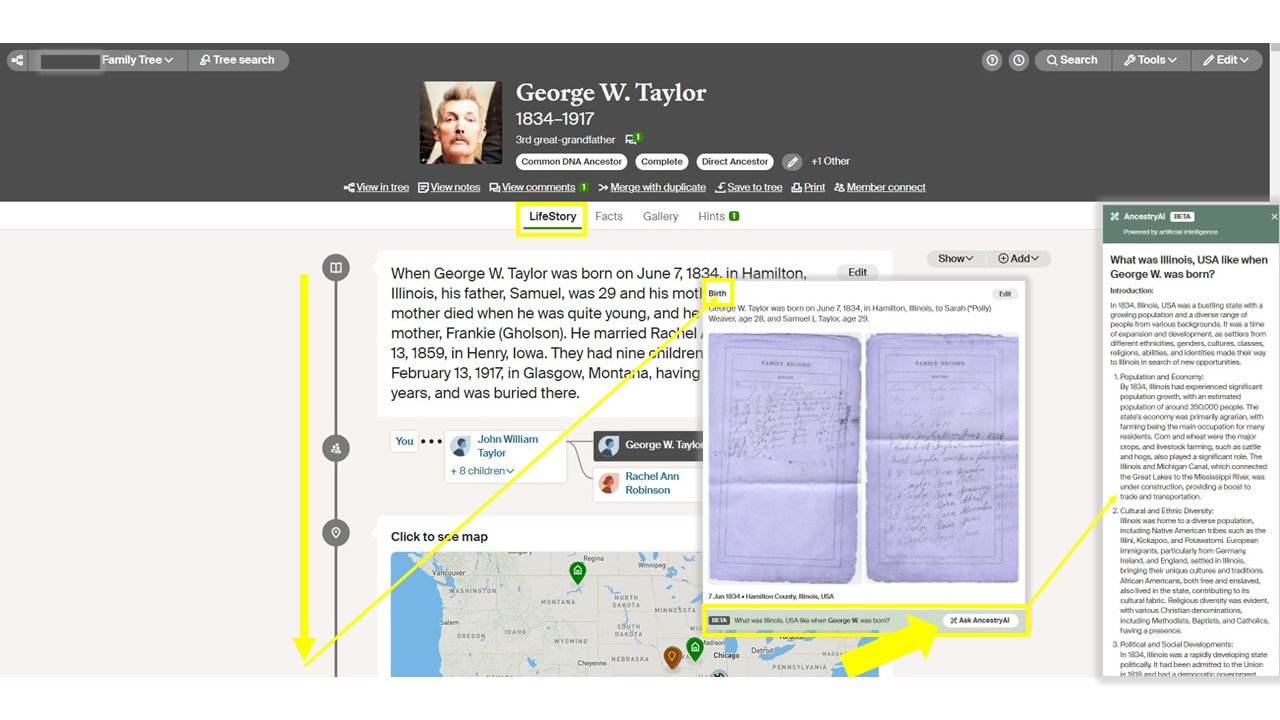 How to Get to AncestryAI Feature for Your Family Tree *Note: Be careful using this info in a story, as some of the information is general for the area and not the specific period or vice versa. 😉 AI to Enhance Your DNA Story You can also learn about your estimated ethnic regions in a fun, engaging, and educational way with the new AI feature for your AncestryDNA! With this new feature, you can learn about daily life, common foods, notable historical figures, climate and geography, population movements, population, the people, and family life in each of your estimated ethnic regions! Categories and Questions:
How to Get to AncestryAI in AncestryDNA
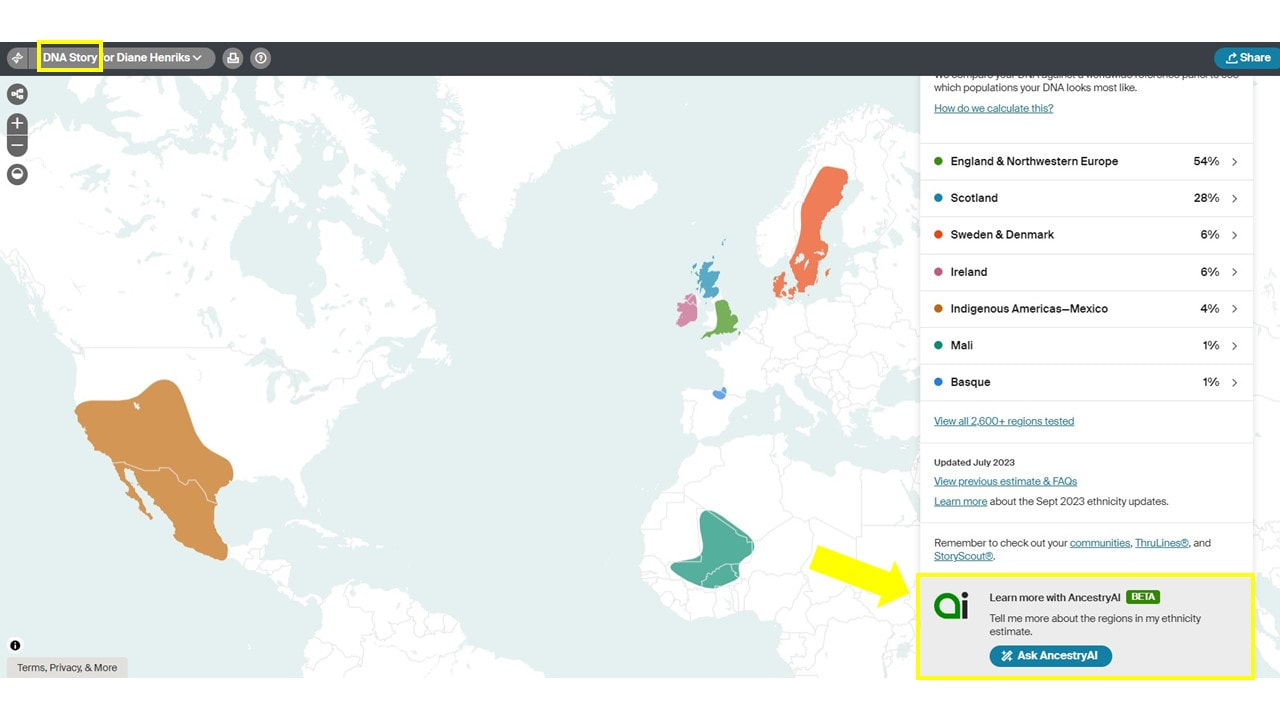 How to Get to AncestryDNA's AncestryAI Feature Go in and see if you have these 2 new AI features; if you do, then have fun with it! More Ancestry and Genealogy Resources Learn about more Ancestry updates, tips, tools, and features and other family history and genealogy resources under the Genealogy Resources category and on my dedicated Genealogy Resources page.
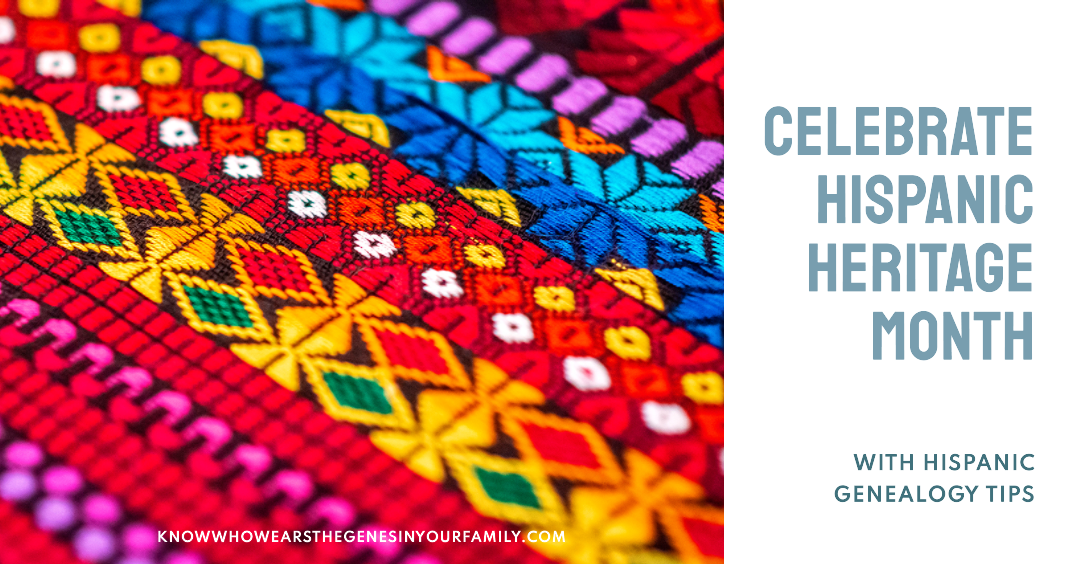 Celebrate Hispanic Heritage Month with Hispanic Genealogy Research Tips Hispanic Heritage Month is a time to celebrate the rich and diverse cultures, histories, and contributions of Americans who trace their roots to Spain, Mexico, Central America, South America, and the Caribbean. It is also a great opportunity to explore your own Hispanic ancestry and learn more about your family's origins. How to Start Hispanic Genealogy ResearchIf you are interested in learning more about your Hispanic ancestry and heritage, you might be wondering how to start your genealogy research. Genealogy is the study of family history and origins, and it can help you discover your roots, connect with relatives, and preserve your legacy.
Online Genealogy Sites for Hispanic ResearchSome of the most popular and reliable sites for Hispanic genealogy research are:
Records for Hispanic Genealogy ResearchAnother important aspect of Hispanic genealogy research is to know what types of records are available and how to use them effectively. Some of the most useful records for tracing your Hispanic ancestors are:
By using these online genealogy sites and genealogy records, you can discover more about your Hispanic heritage and connect with your ancestors. Happy Hispanic Heritage Month! More Hispanic Genealogy and other Genealogy Resources:
Learn about more Hispanic genealogy research resources, along with other family history and genealogy resources under the Genealogy Resources category and on my dedicated Genealogy Resources page. 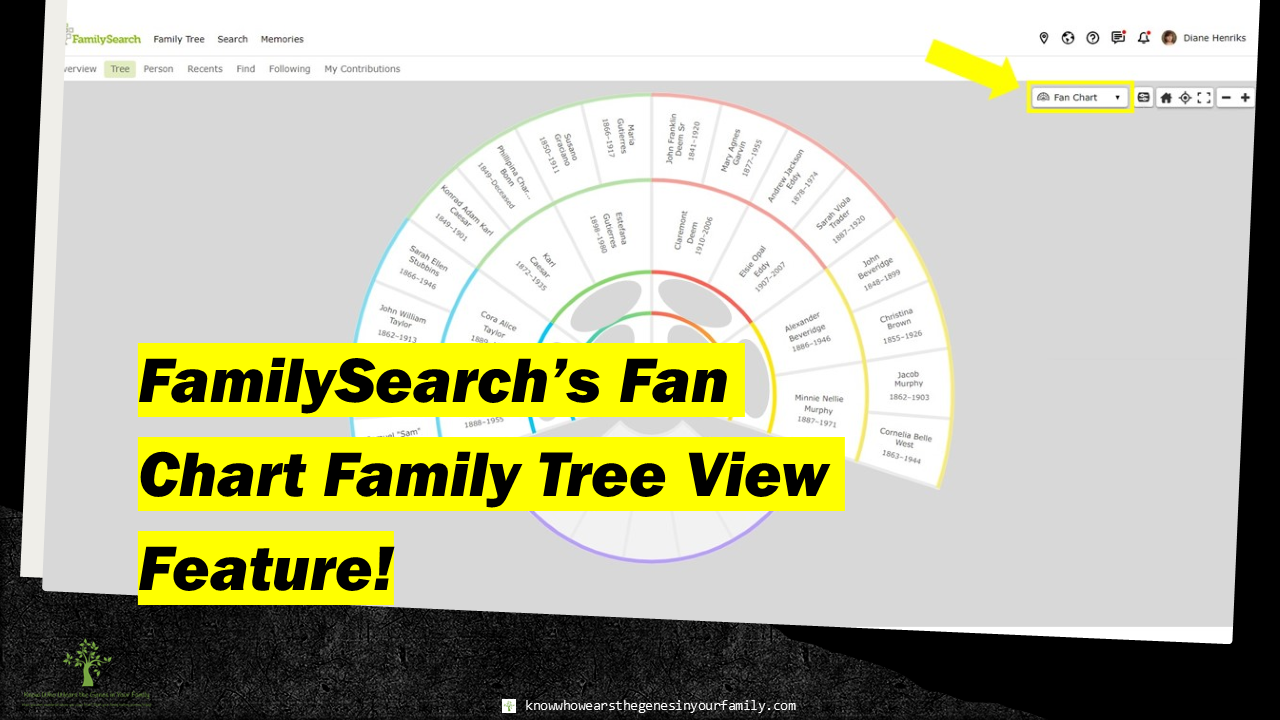 FamilySearch’s Fan Chart Family Tree View Feature! FamilySearch’s Fan Chart View Feature for Your Family Tree! Last week I had mentioned that Ancestry had just updated the way you can view your trees, with their new Fan View feature, in Ancestry’s New Fan View Feature for Your Family Tree! Many have mentioned that they cannot access, or no longer have access to, the settings/tools. I mentioned that this feature was in BETA, which means it could stay or go, it could be tweaked or added to, and more. While we wait to see if it will be a permanent feature, I’d like to bring up where else you can get this feature from, and for FREE! Did you know that FamilySearch has the same exact thing, and with more settings? That’s right (since about 2018, I think) FamilySearch has a Fan Chart View option for your family tree! If you’re lucky enough to have the correct info in your world collaborative tree, and you are one to add photos, stories, and more to that tree, then this is just as cool, if not more, than Ancestry’s. I do know that my info is correct for at least the first 5 generations (their default), and I’m sure many of yours are as well. You can see and work from your family tree in an aesthetically colorful fan view, making it fun to work on your family history and genealogy! Fan Chart Settings/Tools
Family Lines Fan ChartThe Family Lines Fan Chart Family Tree View setting is a colorfully aesthetic family tree view that is the default view. From here, you can get to the Fan View Settings and change the fan view, or the generations shown. 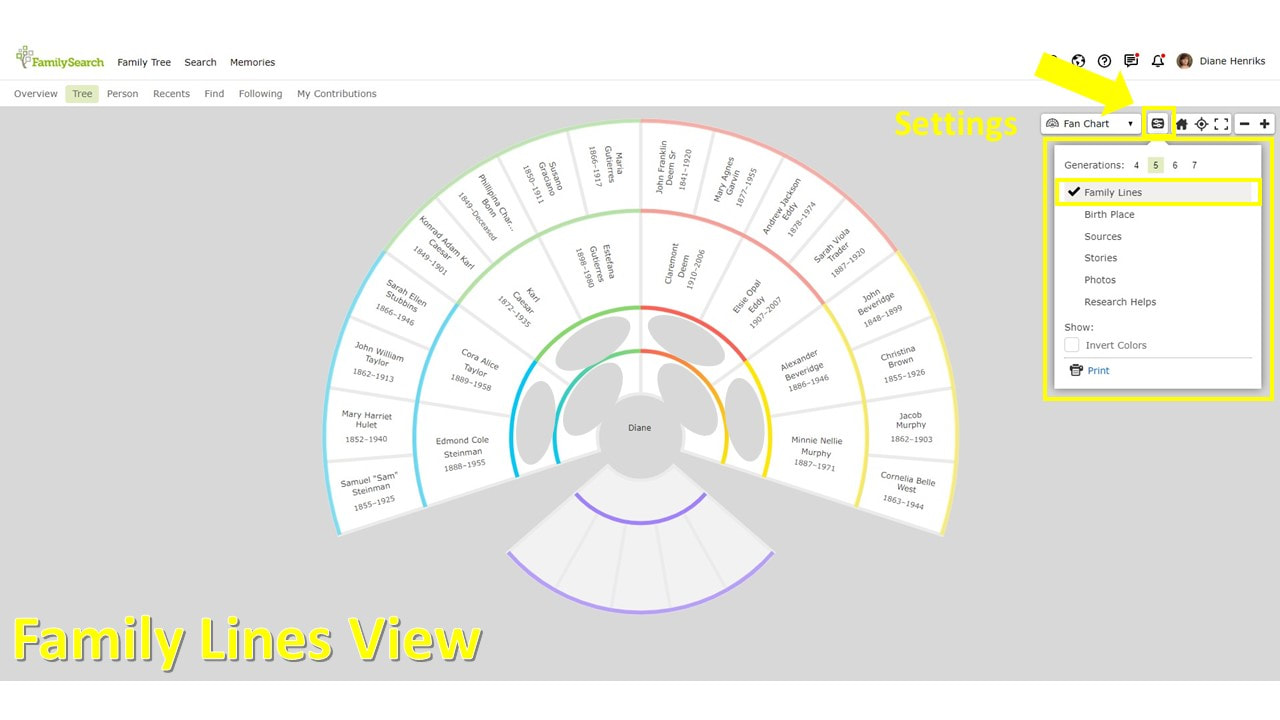 FamilySearch's Family Lines Fan Chart Family Tree View Feature and Fan Settings Birth Place Fan ChartThe Birth Place Fan Chart Family Tree View setting is color coded with bright colors that shows you all the birth countries of each ancestor. You also have an additional setting to highlight a specific country/birthplace. 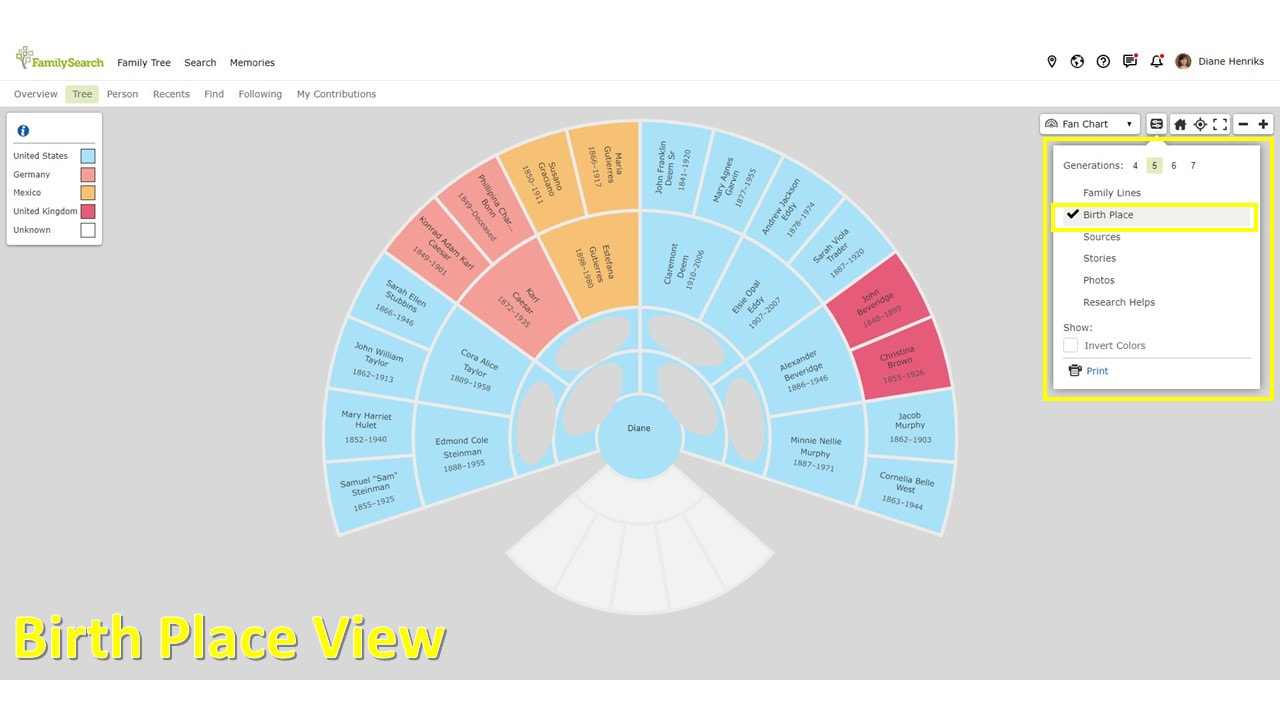 FamilySearch's Birth Place Fan Chart Family Tree View Feature Sources Fan ChartThe Sources Fan Chart Family Tree View setting is, once again, color coded with a gradient color that shows you how many sources you have for each ancestor from least to most, letting you see where you are lacking. This can also be highlighted as well. 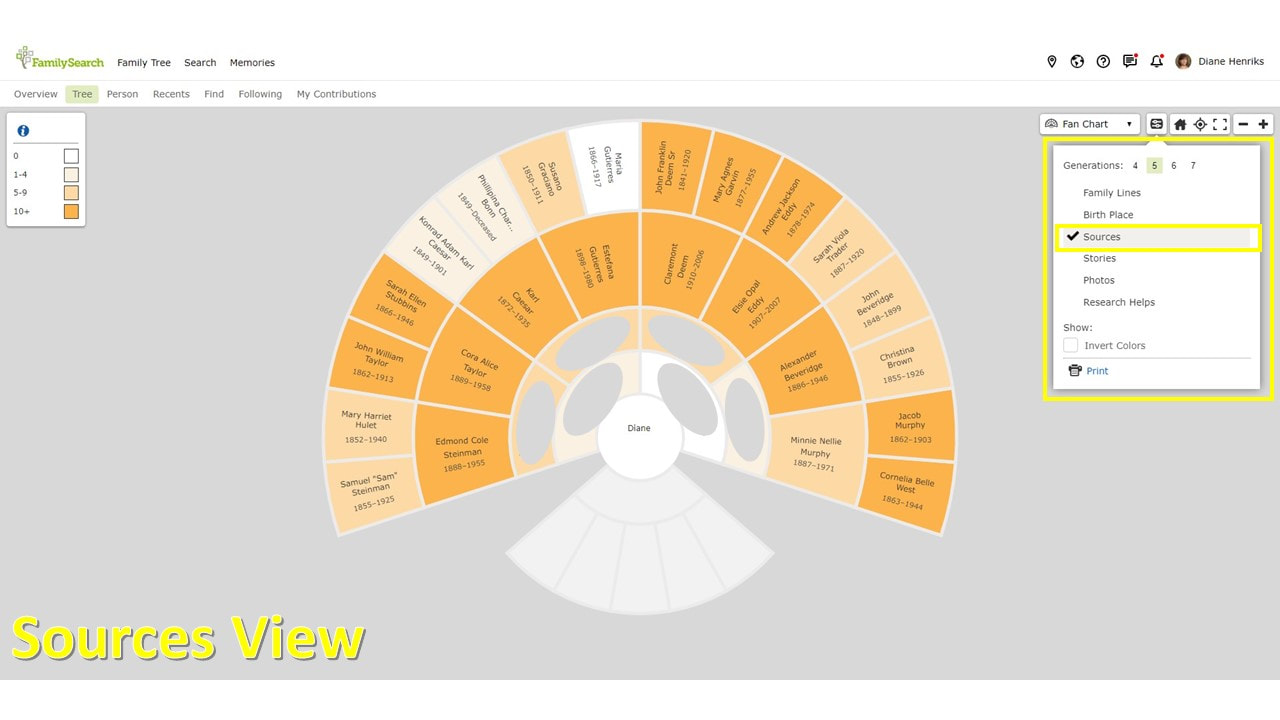 FamilySearch's Sources Fan Chart Family Tree View Feature Stories Fan ChartThe Stories Fan Chart Family Tree View Setting is also color coded with a gradient color, that can also be highlighted, that shows you how many stories you have added to your ancestors, from least to most. As you can see, I have none. 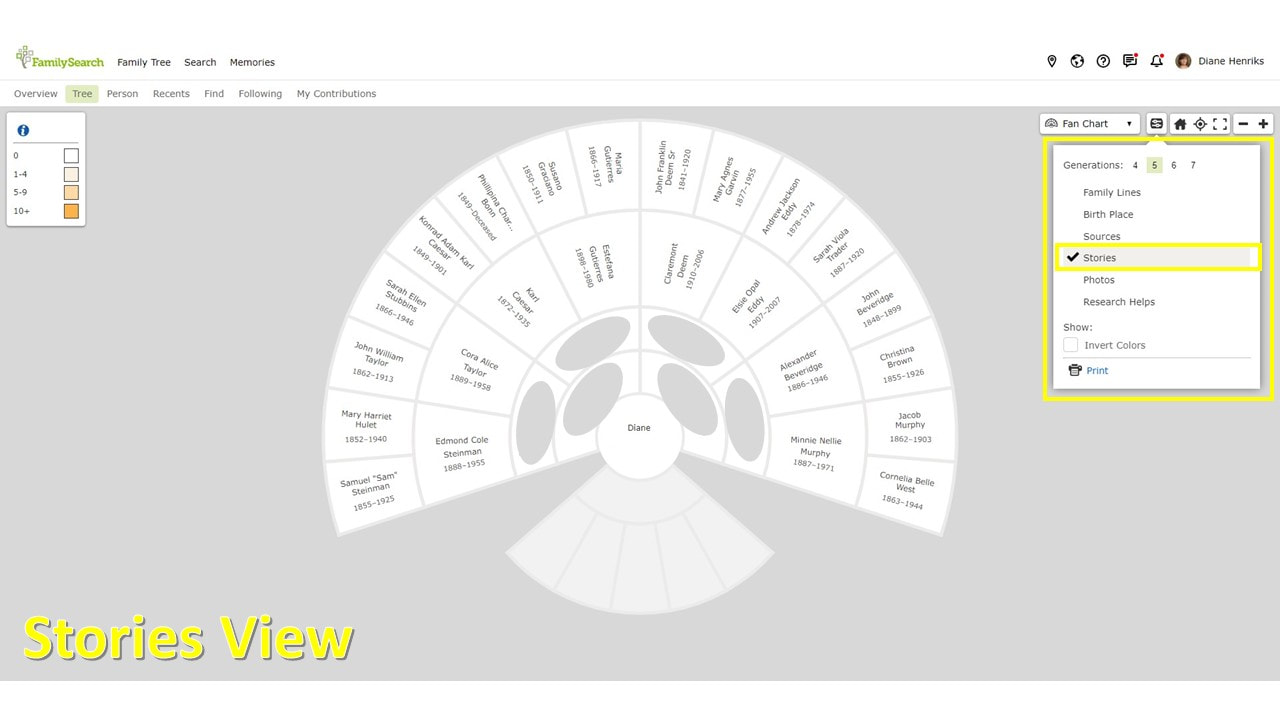 FamilySearch's Stories Fan Chart Family Tree View Feature Photos Fan ChartThe Photos Fan Chart Family Tree View setting is also color coded with a gradient color that shows you how many photos you have added for each ancestor from least to most, helping you see who you need some or more photos for. This can, again, can be highlighted.  FamilySearch's Photos Fan Chart Family Tree View Feature Research Helps Fan ChartThe Research Helps Fan Chart Family Tree View setting is color coded with bright colors that shows you Data Problems (such as missing a standardized location, a possible duplicate, and more), Record Hints, and Research Suggestions (like a possible missing child due to age gap, a possible other spouse due to age and other spouse’s death, and more) for each ancestor. I find this chart the most helpful. 😉 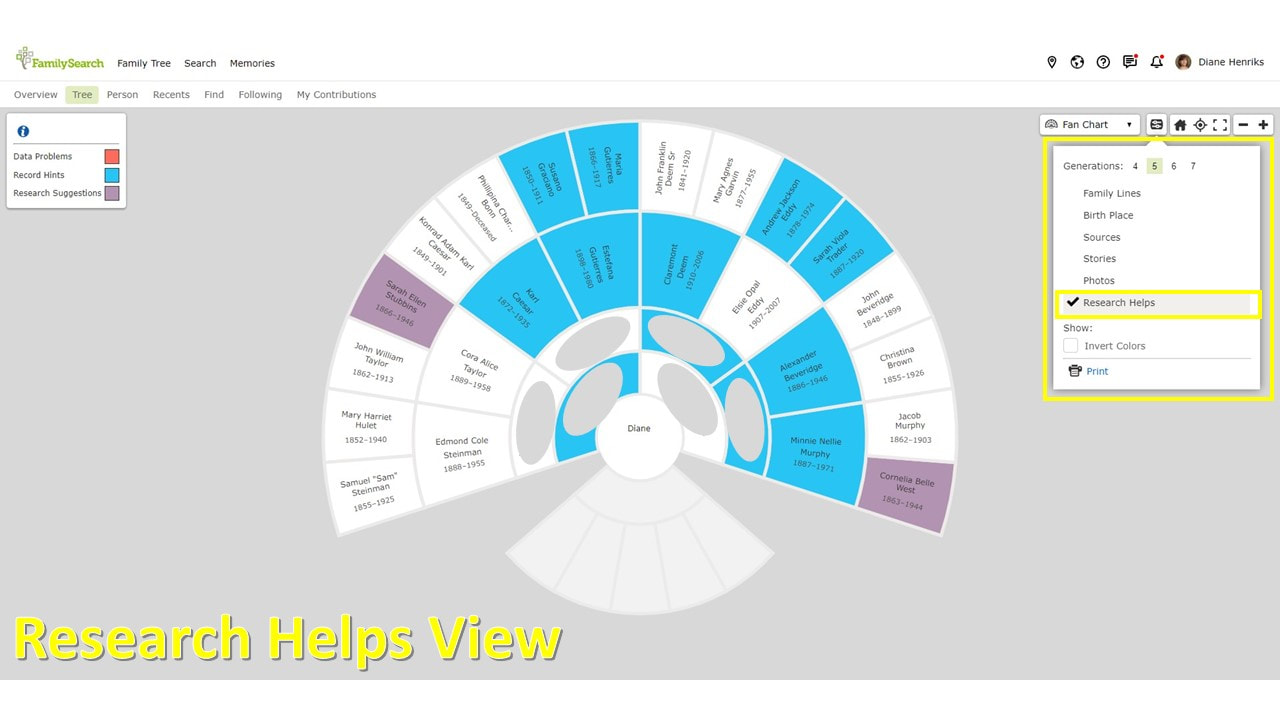 FamilySearch's Research Helps Fan Chart Family Tree View Feature Inverted Colors Fan Chart ViewYou can even invert the colors and print all of the charts out! 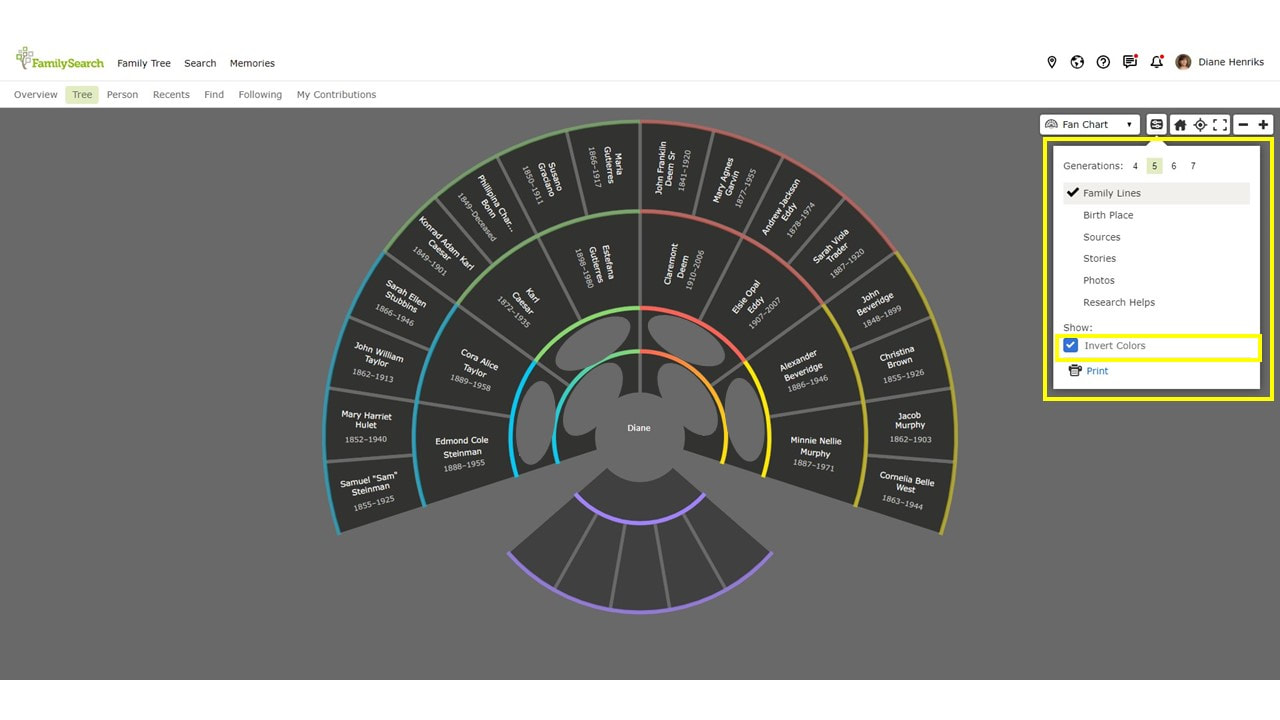 FamilySearch's Fan Chart Family Tree View Feature with Inverted Colors Tool How to Get to FamilySearch’s Fan Chart Family Tree Views
 How to Get to FamilySearch Fan Chart Family Tree View Feature To be honest, I don’t usually keep up with my tree on FamilySearch, unless I want to correct it for the purpose of printing out a family tree chart. Keeping up with a tree on too many platforms is a bit overwhelming, as well as working in a collaborative tree with so many making changes. 😉 They do have some of the best charts out there, and for FREE. FamilySearch is also my number one place to search for records, as I feel that they have the best search engine, and for fun activities. 😊 More FamilySearch and Genealogy ResourcesLearn about more FamilySearch updates, tips, tools, and features and other family history and genealogy resources under the Genealogy Resources category and on my dedicated Genealogy Resources page.
|
Categories
All
Featured
Top Posts
BlogrollEvalogue.Life, Heart of the Family, Molly's Canopy, Climbing My Family Tree, Cami Mayer, Field Genealogist, Ancestor Detective, DNA Breakthroughs, Your DNA Guide, Ancestral Findings, Genealogy Tip of the Day, Family History Daily, Genea-Musings
BlogI hope my family history and genealogy blog on genealogy research tips, resources, events, and more, along with my own genealogy journeys, will help you in your research and in building your family tree to learn more about your ancestors and family history to preserve for future generations to come! 
Come visit me at Know Who Wears the Genes in Your Family if you're interested in starting your family history journey, booking me for your next speaking event, or family history and genealogy heirloom products!
          Archives
April 2024

|

 RSS Feed






HoursM-Su: 8am - 8pm


|
Know Who Wears the Genes in Your Family is dedicated to promoting family history and genealogy, while maintaining commitment to client care and professional service, and adheres to the Code of Ethics and Professional Practices put forth by the Association of Professional Genealogists.
|